
Let’s Talk About the Exercise Everyone’s Heard Of and Almost No One Does Correctly
Kegels have a reputation problem. They’ve been quietly recommended in hushed tones at OB-GYN appointments, buried in the last paragraph of postpartum handouts, and treated like a simple “squeeze and release” anyone can figure out on their own. The result? Most people who attempt them are either working the wrong muscles entirely, holding their breath throughout the whole thing, or bracing their abs and glutes as if they’re bracing for a car crash.
Here’s what nobody tells you: Kegels, done correctly, are one of the most effective tools available for pelvic floor health. Done incorrectly, which is embarrassingly common, they can actually make certain problems worse.
This article is a reset. A full, evidence-based, no-embarrassment guide to what Kegels actually are, why they matter more than most people realize, and exactly how to do them in a way that produces real results.
Why Your Pelvic Floor Deserves Way More Attention Than It Gets
The pelvic floor is a group of muscles, ligaments, and connective tissue that forms a hammock-like structure at the base of your pelvis. These structures support your bladder, bowel, and uterus (or prostate), and they play an active role in sexual function, core stability, and spinal support.
Despite being foundational to so many daily functions, most people pay zero attention to the pelvic floor until something goes wrong, and a lot can go wrong. Pelvic floor dysfunction affects an estimated one in three women at some point in their lifetime, and it is increasingly recognized as a significant issue in men as well, particularly after prostate surgery or with chronic pelvic pain.
The consequences of a weak or poorly coordinated pelvic floor include stress urinary incontinence (leaking when you cough, sneeze, or jump), urgency incontinence, pelvic organ prolapse, reduced sexual sensation, and lower back pain that mysteriously won’t resolve with conventional treatment. None of these is “just part of getting older.” They are, in many cases, addressable, and Kegel exercises are one of the most direct interventions available.
What’s Actually Happening When You Do a Kegel (The Science, Without the Snooze)
A Kegel exercise is a voluntary contraction of the pubococcygeus (PC) muscle group, along with the supporting muscles of the pelvic diaphragm. These muscles function both tonically, maintaining a low-level baseline tone for continence and support, and phasically, contracting rapidly in response to sudden pressure, such as a sneeze.
When the pelvic floor is functioning well, it contracts automatically to support the bladder and prevent leakage, relaxes fully to allow normal urination and bowel movements, coordinates with the diaphragm and deep abdominal muscles to support the spine, and responds reflexively during sexual activity.
Research consistently shows that targeted pelvic floor training significantly reduces symptoms of stress urinary incontinence, with some studies reporting improvement rates of 56 to 70 percent in women who follow a structured program. A landmark systematic review published in the British Journal of Sports Medicine concluded that pelvic floor muscle training is an effective first-line treatment for urinary incontinence and should be offered to all women as a first-line conservative therapy.
What makes Kegels challenging, and often done incorrectly, is that, unlike a bicep curl, you cannot see the muscle working, and there is no natural feedback loop to tell you whether you are doing it right. Many people inadvertently recruit the glutes, inner thighs, and abdominal muscles instead of, or in addition to, the pelvic floor.
The Step-by-Step Method That Actually Works
Before rushing into reps, take a moment to make sure you're targeting the right muscles. This is the step most instructions skip, and it is the most important one.
Step 1: Find the Right Muscles First
The easiest way to identify your pelvic floor muscles is to imagine trying to stop the flow of urine midstream or to prevent passing gas in a quiet room. The muscles you engage in both scenarios are your pelvic floor. Important: Do not actually practice stopping urine while urinating. This is just a mental locator exercise. Repeatedly doing it on the toilet can interfere with normal bladder function over time.
Once you have a sense of those muscles, lie down on your back with your knees bent and feet flat. Breathe normally. Now, without squeezing your glutes, tensing your thighs, or holding your breath, gently lift and squeeze those muscles inward and upward. If you feel your stomach bracing, your glutes tightening, or you turn red from holding your breath, you have gone too far and are using the wrong muscles.
Step 2: Get Your Breath Right
This is the most overlooked piece of the puzzle. Your pelvic floor works in coordination with your diaphragm. When you inhale, your diaphragm descends, and your pelvic floor gently lowers. When you exhale, both naturally rise. Holding your breath during a Kegel creates intra-abdominal pressure that works against what you are trying to achieve.
Exhale gently as you contract. Inhale as you release. Let this breathing rhythm guide the exercise.
Step 3: Practice the “Elevator” Technique
Rather than thinking of a Kegel as an all-or-nothing clench, imagine your pelvic floor is an elevator in a four-story building. The ground floor is fully relaxed. As you exhale, slowly lift the elevator, floor one, floor two, floor three, floor four, with each breath. Then, equally slowly, lower it back down floor by floor. This progressive approach trains both the fast-twitch fibers (for quick reflexes) and the slow-twitch endurance fibers (for sustained support).
Step 4: Follow a Structured Protocol
A well-researched Kegel protocol includes both endurance holds and quick flicks.
For endurance (slow-twitch training): contract and hold for five to ten seconds, then release completely for an equal amount of time. Aim for ten repetitions, three times per day.
For coordination (fast-twitch training): rapidly contract and release for one to two seconds per rep. Complete ten quick flicks after your endurance set.
The full release is just as important as the contraction. A pelvic floor that contracts but does not fully relax is a hypertonic pelvic floor, and that comes with its own set of problems, including pelvic pain, painful intercourse, and incomplete bladder emptying. Release completely between every rep.
Step 5: Progress Over Time
Start with five-second holds if ten seconds feels too challenging. Build duration gradually over two to four weeks. Once ten-second holds feel manageable, you can add a light functional challenge, such as performing a Kegel before you cough, standing from a chair, or lifting something, to train the muscle to respond as it should in real life.
Lifestyle Strategies That Support Pelvic Floor Health
Kegels are one piece of a larger picture. Several lifestyle factors either support or undermine pelvic floor function, and addressing them alongside a Kegel practice produces faster, more lasting results.
Hydration and bladder habits matter more than most people think. Paradoxically, reducing fluid intake to manage leakage often backfires. Concentrated urine is more irritating to the bladder lining and can increase the urge to urinate. Drinking adequate water (roughly 8 cups daily for most adults), spacing fluids throughout the day, and avoiding known bladder irritants such as caffeine, alcohol, and artificial sweeteners can significantly reduce urgency and frequency.
Constipation is a silent pelvic floor stressor. Chronic straining during bowel movements puts repeated, significant downward pressure on the pelvic floor, far more than most forms of exercise. Prioritizing fiber intake, adequate hydration, and regular movement meaningfully reduces this load.
How you breathe and how you carry tension matter. Chronic shallow breathing, belly-bracing, and postural habits that compress the lower abdominal region all affect pelvic floor tone. Yoga, Pilates, and breathwork practices that encourage diaphragmatic breathing and core decompression can be genuinely supportive complements to Kegel training.
Body weight and high-impact exercise have a nuanced relationship with pelvic floor health. Higher body weight increases the load on pelvic support structures, making pelvic floor strengthening even more important. Meanwhile, high-impact exercise like running and jumping is not inherently harmful, but if done before foundational pelvic floor strength is established, it can worsen symptoms. If you leak during exercise, that is a signal worth addressing with a pelvic floor physiotherapist, not a reason to stop moving.
What Can Support Pelvic Floor Tissue from the Inside
Beyond exercise and lifestyle, nutritional and supplement support can play a meaningful role in pelvic floor recovery and resilience, particularly in supporting tissue integrity, managing inflammation, and addressing hormonal shifts that affect pelvic structures at menopause and beyond.
Collagen is the primary structural protein in pelvic floor connective tissue. Collagen synthesis declines with age and accelerates further at menopause when estrogen levels drop. Supplementing with hydrolyzed collagen peptides, particularly types I and III, provides the building blocks needed for connective tissue repair and maintenance. Look for products that combine collagen peptides with vitamin C, which is required for collagen cross-linking.
Magnesium plays a role in muscle function, relaxation, and nerve signaling, all of which are relevant to pelvic floor coordination. Many adults are deficient in magnesium, and supplementation has been shown to reduce bladder overactivity and improve sleep quality, thereby supporting muscle recovery.
Omega-3 fatty acids (EPA and DHA) support the healthy resolution of inflammation throughout connective tissue. Chronic low-grade inflammation impairs tissue repair and can contribute to chronic pelvic pain syndromes.
Vitamin D deficiency has been associated with pelvic floor dysfunction and urinary incontinence in multiple population studies. Optimal vitamin D levels support muscle strength, neuromuscular coordination, and immune regulation, all of which are relevant to pelvic floor function.
Probiotics targeting the urogenital microbiome, particularly Lactobacillus rhamnosus and Lactobacillus reuteri strains, support a healthy vaginal microbiome, which is closely linked to bladder health and susceptibility to urinary tract infections, especially in perimenopausal and postmenopausal women.
The Takeaway
The pelvic floor is not a niche concern. It underlies continence, sexual function, core stability, and spinal health, functions that affect quality of life every single day. Kegels, done correctly, are among the most evidence-backed interventions available for maintaining and restoring pelvic floor function across all life stages.
The key shift is moving from the vague “just squeeze and hold” instruction most of us have received to a structured, breath-integrated, progressive practice that trains both endurance and coordination, and that includes a full release with every rep.
If symptoms are significant, or if you are unsure whether a Kegel practice is appropriate for your situation, particularly if you experience pelvic pain, pressure, or symptoms that seem to worsen with exercise, working with a pelvic floor physiotherapist is always worthwhile. What they can assess and correct in a single session often makes months of guessing redundant.
Your pelvic floor has been quietly holding things together for years. It’s worth a few minutes a day to return the favor.
*This article is for educational purposes and is not a substitute for personalized medical advice. If you are experiencing pelvic floor symptoms, consult with a qualified healthcare provider or pelvic floor physiotherapist.
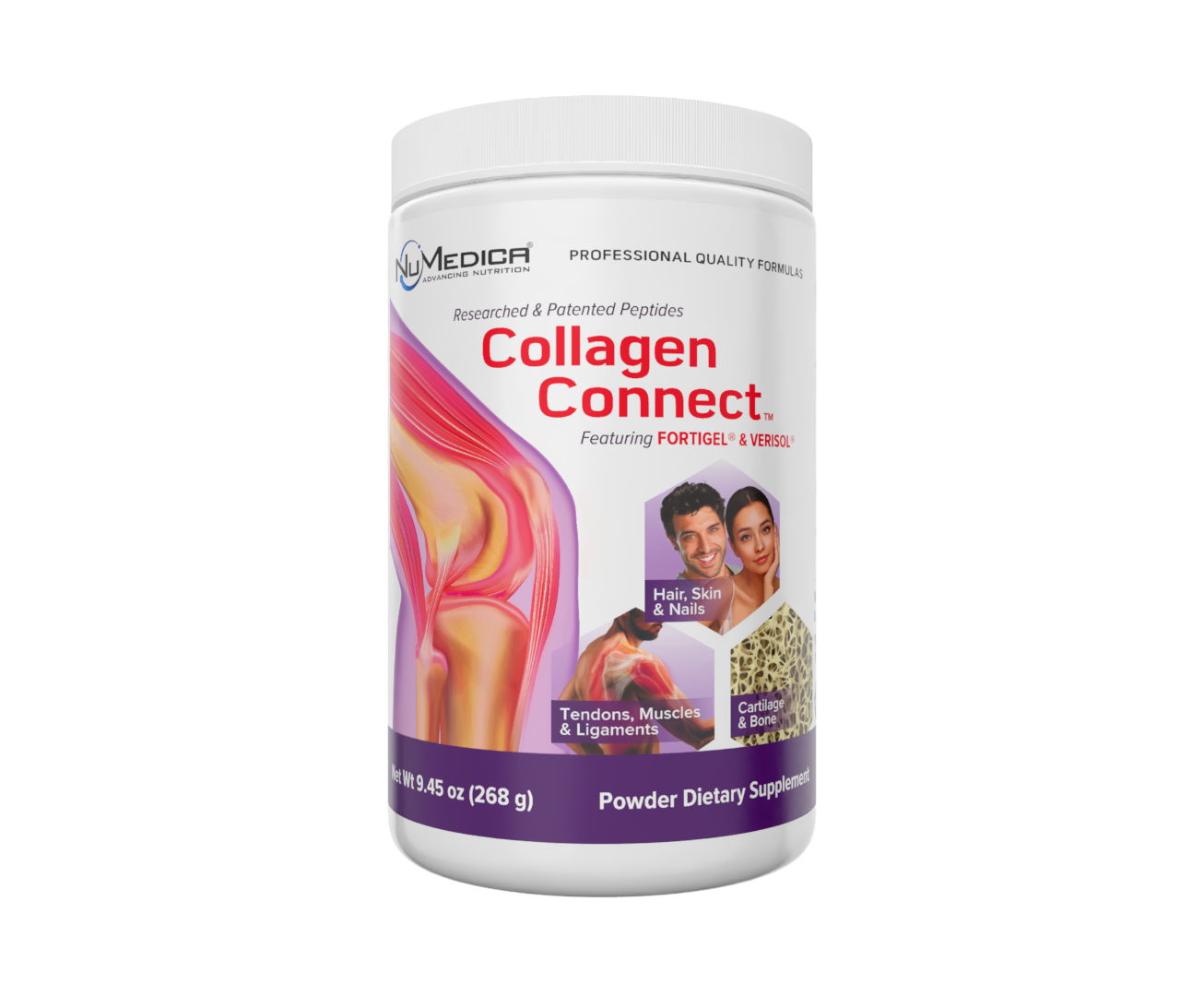
Collagen Connect™ is a flavorless collagen powder that can be added to food or beverages, hot or cold. This formula contains vitamin C, zinc, magnesium and two highly viable types of collagen peptides from bovine skin:
FORTIGEL® – Optimized specific collagen peptides of FORTIGEL® have been proven to activate the growth of new cartilage by stimulating cells, helping to make the joints smooth and mobile.* The effectiveness of FORTIGEL® has been scientifically proven in numerous studies.
VERISOL® – VERISOL® can help stimulate skin metabolism and counteract the loss of collagenous extracellular matrix from the inside.* The specific peptides of VERISOL® are recognized by the fibroblast cells in the dermal layer of the skin as collagen fragments like those resulting from catabolic activities. Therefore, they are stimulated to increase their collagen metabolism to counter-balance collagen degradation in the dermis. The result is a considerably higher production of dermal collagen and overall extracellular matrix, replacing what is lost through aging and environmental influences.*
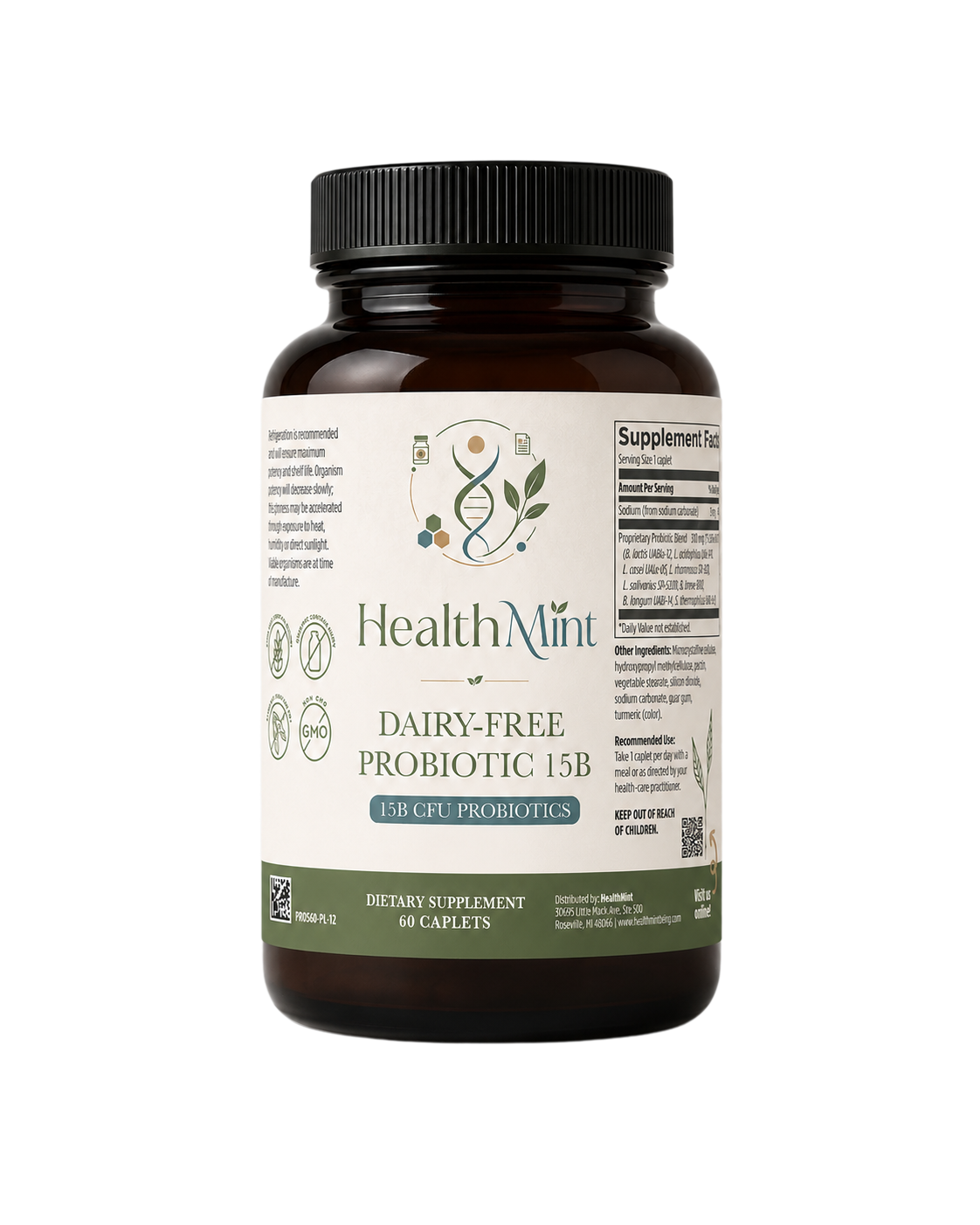
Your gut is home to trillions of microbes that play a daily role in how you feel, digest, and defend. Modern life, including busy schedules, less-than-perfect meals, stress, travel, and the occasional course of antibiotics prescribed by your doctor, can put pressure on that delicate balance. Replenishing the friendly bacteria your body relies on is one of the simplest ways to support your gut from the inside out.*
Dairy-Free Probiotic 15B was built to do exactly that, in a higher-strength, dairy-free daily formula.
Each caplet delivers 15 billion CFU across eight identified probiotic strains, thoughtfully chosen to support a healthy, balanced gut microbiome.* The formula uses advanced time-release caplet technology designed to help protect fragile probiotic organisms from stomach acid, supporting consistent delivery of live organisms throughout the gastrointestinal tract.
