
You’ve probably never heard anyone casually mention their pelvic floor over lunch. And yet, the pelvic floor affects how you move, how you sleep, how you exercise, how you have sex, and whether you make it to the bathroom in time. It’s one of the most important groups of muscles in your body and one of the most ignored.
Here’s the uncomfortable truth: millions of people are quietly managing treatable symptoms. Leaking when they laugh. Experiencing pain, they’ve been told it's “just part of being a woman.” Avoiding exercise because they’re not sure their body can handle it. Silently convinced that this is just their life now.
It doesn’t have to be.
Pelvic floor physical therapy is one of the most underutilized, underappreciated, and frankly, life-changing areas of healthcare. This article is your permission slip to stop normalizing discomfort and start asking better questions.
Why Your Pelvic Floor Deserves More of Your Attention
The pelvis is the literal center of your body. Everything passes through it, rests on it, or is supported by it. And yet, pelvic health rarely gets a mention at annual checkups, during postpartum care, or when someone starts having symptoms that are, let’s be honest, kind of embarrassing to bring up.
Consider this: roughly 1 in 3 women will experience a pelvic floor disorder at some point in their lives. Men are affected too, though the conversation around male pelvic health is even more sparse. Chronic pelvic pain, bladder urgency, post-prostate surgery incontinence, and sexual dysfunction are all pelvic floor issues that affect men, and they’re just as treatable.
The problem isn’t that help doesn’t exist. The problem is that most people don’t know where to look, or even that they’re allowed to look.
Pelvic floor physical therapy (PFPT) is a specialized branch of physical therapy focused on the muscles, ligaments, fascia, and nerves of the pelvic region. A trained pelvic PT goes well beyond Kegels. They assess posture, breathing patterns, hip mechanics, connective tissue, and the neuromuscular coordination of an entire system that modern medicine too often treats as separate parts rather than one integrated whole.
What’s Actually Happening Down There: The Science of Pelvic Floor Dysfunction
Picture a hammock of muscle stretching from your pubic bone in the front to your tailbone in the back, and from one sitting bone to the other. That’s your pelvic floor. This muscular sling supports your bladder, bowel, and uterus (or prostate), and it works in constant coordination with your diaphragm, deep abdominal muscles, and spinal stabilizers.
When everything is working well, you don’t think about it at all. When something goes wrong, it can feel like your whole body is involved because, in a sense, it is.
Pelvic floor dysfunction can show up in two primary ways: hypertonic (too tight) or hypotonic (too weak). Here’s why that distinction matters enormously. Most people assume that pelvic floor problems mean weakness and that the answer is always to do more Kegels. But for a significant portion of people with pelvic symptoms, the muscles are actually overactive and holding excessive tension. Squeezing an already-tight muscle makes things worse, not better.
Hypertonic pelvic floor dysfunction is linked to chronic pelvic pain, painful intercourse (dyspareunia), difficulty emptying the bladder or bowel, tailbone pain, and hip tightness. Hypotonic dysfunction is more associated with stress urinary incontinence, pelvic organ prolapse, and reduced sensation. Many people have a mixed presentation, with some muscles too tight and others too weak, which is exactly why individualized assessment matters so much.
The nervous system also plays a major role. The pelvic floor is rich in nerve endings and responds directly to the autonomic nervous system. Chronic stress, anxiety, trauma, and even prolonged sitting can all contribute to a pelvic floor that’s stuck in a pattern of guarding. This is why pelvic PT often works hand in hand with breathing retraining, nervous system regulation, and even psychological support.
Signs Your Body Is Waving a Flag (Not a White One)
Here’s a list that rarely gets discussed in polite company but absolutely should.
You might benefit from pelvic floor PT if you experience urine leakage when you sneeze, cough, jump, or laugh, even a little. Leaking urine before you make it to the bathroom. A sudden, overwhelming urge to urinate that’s hard to control. Urinating more than 7 to 8 times per day, or waking up multiple times at night. Difficulty fully emptying your bladder or bowel. Constipation or straining during bowel movements. Pain during or after sexual intercourse. Pelvic pain, pressure, or heaviness. A sensation that something is “falling out” of the vagina. Pain in the tailbone, hips, or lower back with no clear orthopedic cause. Pain during or after gynecological exams. Difficulty using tampons. Painful periods that interfere with daily life.
For those who are postpartum specifically: leaking at any point after delivery (including months or years later), diastasis recti (abdominal separation), pelvic girdle pain, scar tissue pain from a cesarean or perineal tear, difficulty returning to exercise, or pain during postpartum intercourse are all worth addressing.
For men: urinary leakage or urgency, pelvic or perineal pain, painful ejaculation, erectile dysfunction with a musculoskeletal component, post-prostatectomy incontinence, or chronic prostatitis symptoms all fall within the scope of pelvic floor PT.
The critical point here is that many of these symptoms are dismissed by healthcare providers and by the people experiencing them. “That’s normal after having kids.” “You’re getting older.” “Just do more Kegels.” These responses, however well-intentioned, can delay care by years.
Nothing on this list is something you simply have to accept.
What Actually Happens in Pelvic Floor PT
One of the biggest barriers to seeking pelvic floor PT is not knowing what to expect, so let’s walk through it.
Your first appointment is almost entirely a conversation. A skilled pelvic PT takes a thorough history covering symptoms, birth history (if applicable), surgeries, bladder and bowel habits, sexual health concerns, pain patterns, stress levels, and movement habits. They are not in a hurry, and nothing is off-limits as a topic.
The physical assessment typically includes an evaluation of posture, breathing mechanics, hip and spinal mobility, and abdominal wall integrity. If you consent to an internal assessment (which is offered, not required), the therapist will directly evaluate the tone, strength, coordination, and tenderness of the pelvic floor muscles. This is done with a gloved, lubricated examination, performed gently and slowly, with your ongoing consent throughout.
Treatment varies widely depending on what’s found. It might include hands-on manual therapy to release trigger points or scar tissue. It might involve breathing and pressure management training. It might include specific exercises to strengthen or lengthen. It often includes education about bladder and bowel habits, body mechanics during daily activities, and self-care strategies.
Most people need somewhere between six and twelve sessions, though some complex cases take longer. Many people notice meaningful improvement well before that, sometimes after just two or three visits.
And yes, you can self-refer in most states. You don’t need a doctor’s referral to see a pelvic PT.
Supporting Your Recovery: Lifestyle Strategies That Make a Real Difference
Pelvic floor PT doesn’t happen only in the clinic. What you do between appointments shapes how quickly and completely you recover.
Breathing is foundational. Most people with pelvic floor dysfunction are breathing in ways that chronically increase intra-abdominal pressure or maintain tension in the pelvic floor. Learning to use a full 360-degree breath, where the ribcage expands outward, and the belly softens on the inhale, resets the pelvic pressure system. This is not a one-day skill; it’s a daily practice.
Your bladder habits matter more than you might think. Many people with urgency issues develop a habit of “just in case” urination, going to the bathroom before they feel a true urge to avoid accidents. Over time, this trains the bladder to expect emptying at lower and lower volumes, worsening urgency. Bladder retraining, which gradually increases the time between bathroom visits, is a clinically supported strategy that pelvic PTs guide patients through systematically.
Bowel health directly impacts pelvic floor tension. Chronic constipation and straining are among the most underappreciated contributors to pelvic floor dysfunction. A high-fiber diet with adequate fluid intake, responding to bowel urges rather than delaying them, and using a small footstool to achieve a more natural squatting position on the toilet, all meaningfully reduce straining and pelvic floor strain.
Movement quality matters more than movement quantity. High-impact exercise like running and jumping can be excellent, but only if the pelvic floor can handle the load. A pelvic PT can assess your readiness, guide you through a safe return to exercise, and help you modify activities in the short term without feeling like you’ve lost your fitness identity.
Stress and the nervous system are not separate from your pelvis. The pelvic floor responds to a threat the same way the jaw and shoulders do, by gripping. Chronic stress, a history of trauma, high anxiety, or even sustained cognitive load can maintain a pelvic floor in a state of low-grade contraction for years. Practices that regulate the nervous system, such as yoga, meditation, gentle movement, and somatic awareness, are not soft add-ons to pelvic PT. For many people, they are core to recovery.
Nutritional and Supplement Support for Pelvic Health
While no supplement replaces skilled physical therapy, nutritional support can meaningfully accelerate recovery and address some of the underlying factors contributing to pelvic dysfunction.
Magnesium plays a significant role in muscle relaxation and is often deficient in people with muscle tension disorders. Magnesium glycinate or bisglycinate forms are well absorbed and gentler on the digestive system. For people with hypertonic pelvic floors, magnesium may support the relaxation component of therapy.
Omega-3 fatty acids from high-quality fish oil have well-documented anti-inflammatory effects and support connective tissue health. Pelvic pain conditions often involve local tissue inflammation, and omega-3 supplementation is a reasonable complement to hands-on care.
Vitamin D3 with K2 is worth considering for anyone with pelvic floor weakness, prolapse, or post-surgical recovery. Vitamin D supports muscle function and connective tissue integrity throughout the body, including the pelvic floor, and deficiency is widespread.
Collagen peptides taken with vitamin C support connective tissue repair and are particularly relevant for postpartum recovery, prolapse, or those who’ve experienced perineal trauma. Vitamin C is a required cofactor for collagen synthesis, so taking collagen without it is a missed opportunity.
Probiotics are relevant for both bladder and bowel health. An imbalanced gut microbiome can contribute to chronic constipation, urgency, and recurrent urinary tract infections, all of which affect pelvic floor function. A high-quality, multi-strain probiotic supports both.
Pumpkin seed extract has been studied specifically for urinary incontinence and overactive bladder symptoms, with promising evidence that it improves bladder control in both men and women by modulating bladder muscle tone and sphincter function.
B-complex vitamins, particularly B6 and B12, support nerve health, which is relevant when nerve irritation is contributing to pelvic pain, bladder urgency, or altered sensation.
As always, supplementation is most effective when it is targeted to your specific needs. Working with a practitioner who can assess your needs and guide appropriate choices makes the biggest difference.
The Short Version, If You Need It
The pelvic floor is a complex, responsive system that affects far more of daily life than most people realize. Dysfunction is common, but it is not inevitable, not permanent, and not something you should simply endure.
Pelvic floor physical therapy is evidence-based, specialized, and genuinely effective. Whether you’re postpartum, perimenopausal, athletic, dealing with pain, navigating incontinence, or simply curious whether what you’re experiencing is normal, a pelvic PT can assess, explain, and guide you through a path forward.
The symptoms discussed in this article are not embarrassing. They are not signs of weakness. They are information, and they deserve to be taken seriously.
Stop normalizing what doesn’t feel right. Ask for a referral, self-refer, or find a pelvic PT in your area. Your pelvic floor has been doing a lot of quiet, unglamorous work for you your whole life. It deserves some attention in return.
*The information in this article is educational in nature and is not intended as a substitute for personalized medical advice. If you are experiencing pelvic floor symptoms, please consult a qualified healthcare provider or pelvic floor physical therapist.
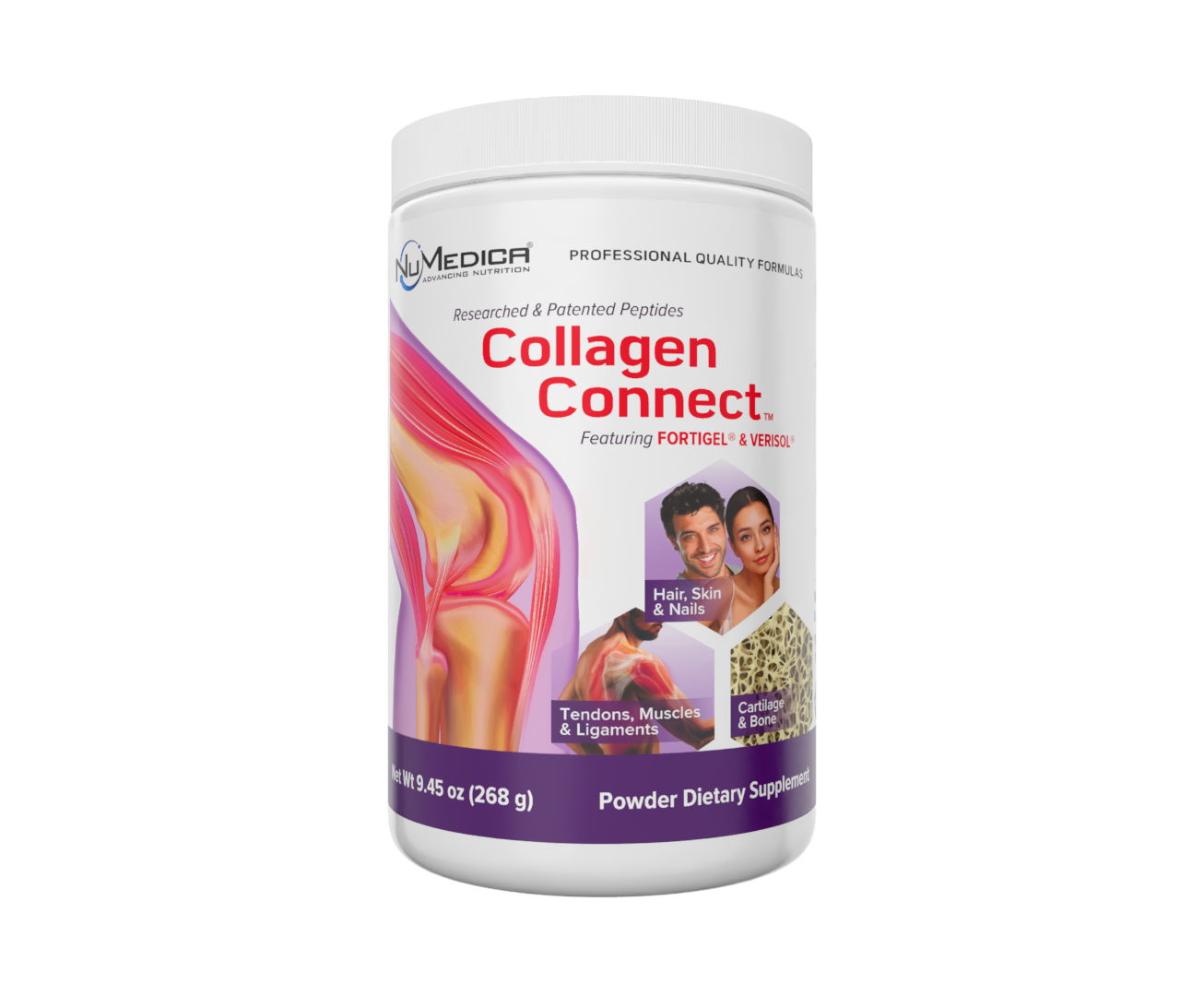
Collagen Connect™ is a flavorless collagen powder that can be added to food or beverages, hot or cold. This formula contains vitamin C, zinc, magnesium and two highly viable types of collagen peptides from bovine skin:
FORTIGEL® – Optimized specific collagen peptides of FORTIGEL® have been proven to activate the growth of new cartilage by stimulating cells, helping to make the joints smooth and mobile.* The effectiveness of FORTIGEL® has been scientifically proven in numerous studies.
VERISOL® – VERISOL® can help stimulate skin metabolism and counteract the loss of collagenous extracellular matrix from the inside.* The specific peptides of VERISOL® are recognized by the fibroblast cells in the dermal layer of the skin as collagen fragments like those resulting from catabolic activities. Therefore, they are stimulated to increase their collagen metabolism to counter-balance collagen degradation in the dermis. The result is a considerably higher production of dermal collagen and overall extracellular matrix, replacing what is lost through aging and environmental influences.*
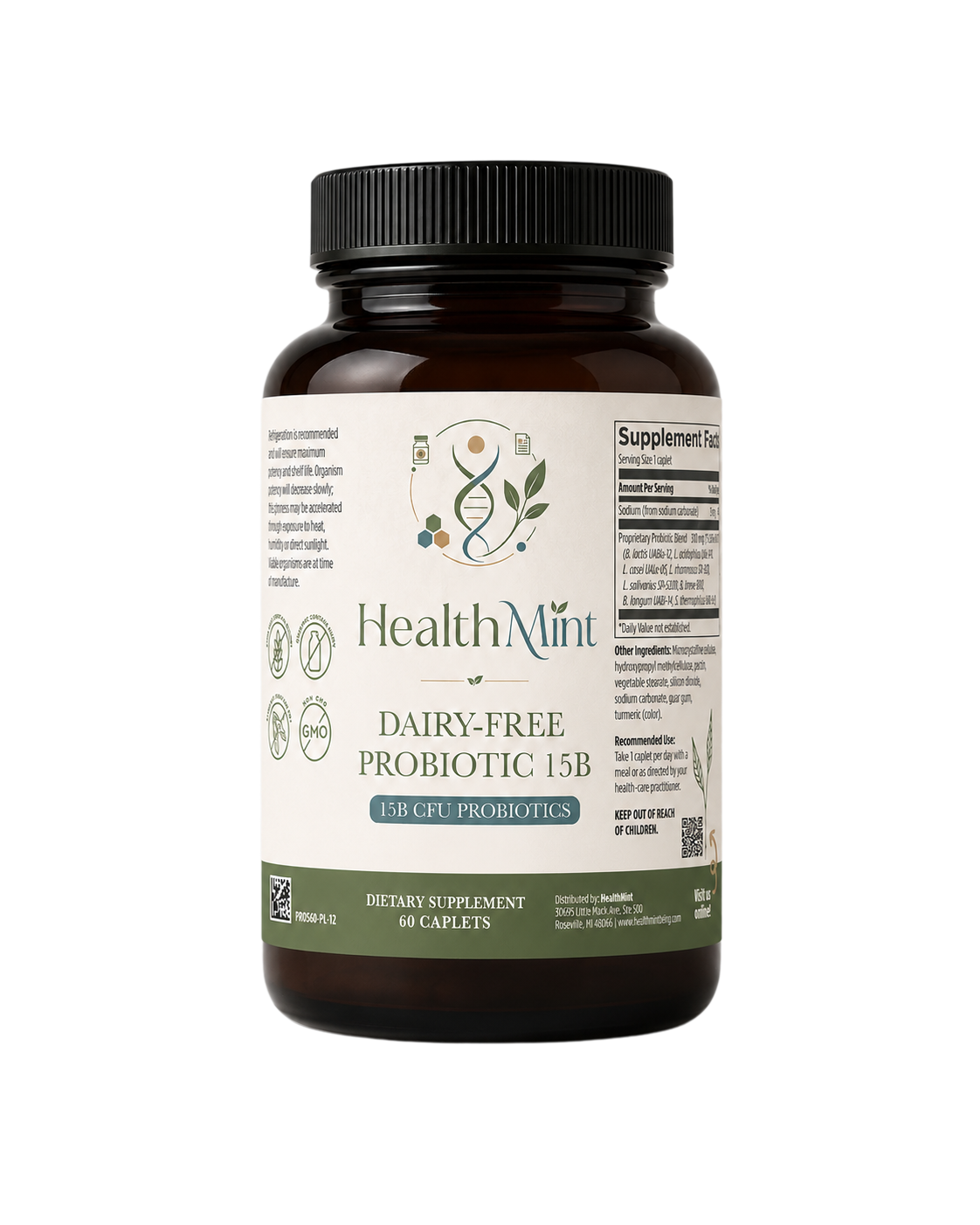
Your gut is home to trillions of microbes that play a daily role in how you feel, digest, and defend. Modern life, including busy schedules, less-than-perfect meals, stress, travel, and the occasional course of antibiotics prescribed by your doctor, can put pressure on that delicate balance. Replenishing the friendly bacteria your body relies on is one of the simplest ways to support your gut from the inside out.*
Dairy-Free Probiotic 15B was built to do exactly that, in a higher-strength, dairy-free daily formula.
Each caplet delivers 15 billion CFU across eight identified probiotic strains, thoughtfully chosen to support a healthy, balanced gut microbiome.* The formula uses advanced time-release caplet technology designed to help protect fragile probiotic organisms from stomach acid, supporting consistent delivery of live organisms throughout the gastrointestinal tract.
