
Let’s Talk About the Number Nobody Wants to Say Out Loud
In heterosexual partnered sex, men orgasm about 95% of the time. Women? Roughly 65%, and that number drops considerably during casual encounters or when partners don’t communicate well. This discrepancy has a name: the orgasm gap, sometimes called the pleasure gap. And while it has existed as long as people have been writing awkwardly about sex, researchers, educators, and clinicians are finally treating it as what it is: a measurable, addressable health and wellness issue.
This isn’t about blame. It’s about biology, communication, anatomy, and a culture that has historically spent a lot more time studying male pleasure than female pleasure. The good news? That’s changing. And so can the numbers in your relationship.
Why This Actually Matters (Beyond the Obvious)
It’s tempting to dismiss the pleasure gap as a “nice to have” problem (important, sure, but hardly urgent). But the research tells a different story.
Female orgasm is associated with a cascade of physiological benefits that extend well beyond the bedroom. Oxytocin released during orgasm reduces cortisol levels, supporting the body’s stress response. Regular sexual satisfaction is linked to better sleep quality, lower blood pressure, reduced pain perception, and stronger immune function. The pelvic floor musculature, which plays a role in bladder control, pelvic stability, and even back health, is strengthened through the rhythmic contractions of orgasm.
There’s also the relational dimension. Couples who report mutual sexual satisfaction consistently score higher on measures of relationship trust, communication, and long-term commitment. The pleasure gap isn’t just an individual issue; it has a measurable impact on the quality of partnerships and emotional intimacy.
And perhaps most importantly: pleasure is a legitimate aspect of physical and mental health. Normalizing and prioritizing it isn’t indulgent; it’s part of a whole-person approach to wellness.
The Anatomy Nobody Explained in Health Class
Here’s where the science gets interesting, and for many people, genuinely revelatory.
The clitoris is not a small external button. That’s only the visible tip of an internal structure that extends approximately 9 to 11 centimeters internally, wrapping around the vaginal canal in a wishbone shape. The full structure, including the clitoral body, crura (legs), and vestibular bulbs, encompasses significantly more erectile tissue than most people realize. When aroused, this internal tissue engorges with blood and becomes the primary driver of orgasm for the majority of women.
This matters because it reframes the long-standing (and frankly unhelpful) debate between “clitoral” and “vaginal” orgasms. Research using ultrasound imaging has shown that what many women describe as a vaginal orgasm is, in all likelihood, stimulation of the internal clitoral complex through the vaginal wall. The so-called G-spot, an area of particular sensitivity on the anterior vaginal wall, corresponds anatomically with the inner structure of the clitoris. It’s all connected.
What this means practically: direct or indirect stimulation of the clitoral complex, in whatever form works for a given person’s anatomy, is central to orgasm for most women. Studies suggest that approximately 70 to 80% of women require some form of clitoral stimulation to reach orgasm, regardless of the sexual activity involved. Penetration alone is sufficient for only a minority.
The arousal process also unfolds differently, and more slowly, in most women compared to men. Full genital engorgement and lubrication (the physiological equivalent of male erection) can take 15 to 20 minutes or more of sustained arousal. This isn’t a deficiency; it’s simply how the system works. Rushing past this phase is one of the most common contributors to unsatisfying sexual experiences.
There’s also the brain to consider. The prefrontal cortex, the brain’s center for self-monitoring, anxiety, and judgment, needs to quiet down for orgasm to occur. Researchers studying brain activity during orgasm have found that this “letting go” of self-consciousness is neurologically necessary. This is why stress, body image concerns, relationship tension, or simply feeling watched or judged can reliably inhibit orgasm, even when physical stimulation is technically adequate.
What Actually Changes the Numbers: Practical Shifts That Work
This is the section worth bookmarking. The pleasure gap is not a permanent feature of heterosexual relationships; it’s a pattern that responds to specific, learnable behaviors.
Expand the definition of sex. Couples who broaden their sexual repertoire beyond penetration-centered encounters consistently report higher rates of female orgasm. This means treating manual stimulation, oral sex, and other forms of direct clitoral engagement as primary activities, not warm-up acts.
Introduce a feedback loop. Mutual satisfaction dramatically improves when partners communicate openly about what feels good, what doesn’t, and what they’re curious about. This doesn’t have to be a formal conversation; it can happen in the moment, with verbal or non-verbal cues. Partners who ask and genuinely listen report significantly better outcomes over time.
Lengthen the on-ramp. Given what we know about the timeline of female arousal, spending more time in the earlier phases of sexual activity isn’t optional; it’s physiologically necessary for many women. Sensual touch, massage, prolonged kissing, and non-genital stimulation all contribute to the engorgement and neurological readiness that make orgasm more accessible.
Make pleasure mutual by design. Research consistently finds that women are more likely to orgasm when their own pleasure is treated as a goal of the encounter, not an afterthought or a bonus. Couples who approach sex as an experience designed for both partners, rather than primarily for one, close the gap considerably.
Explore solo first. Self-knowledge is genuinely useful here. Women who have a clear sense of what kind of stimulation reliably works for them are better positioned to communicate that to a partner. Solo exploration isn’t a consolation prize; it’s useful homework.
Address the mental layer. Because the brain plays such a central role in female orgasm, anything that creates psychological safety, including emotional connection, trust, privacy, and reduced performance pressure, has a direct physiological payoff. Orgasm isn’t purely a physical event for most women; it’s a whole-nervous-system experience.
The Lifestyle Factors That Quietly Run the Show
You can do everything right in the bedroom and still find that other aspects of life are quietly working against you. Sexual function sits at the intersection of several major body systems, and when those systems are under strain, it shows up in libido, arousal, and ease of orgasm.
Stress and cortisol. Chronic stress elevates cortisol, which suppresses sex hormone production and keeps the nervous system in a low-grade state of alert, essentially the physiological opposite of the conditions needed for arousal and orgasm. Managing stress through sleep, movement, and nervous system regulation isn’t just good for your health in general; it directly supports sexual function.
Sleep quality. Even one week of shortened sleep has measurable effects on testosterone and estrogen levels in women. (Yes, women produce and depend on testosterone too, and it’s central to libido.) Poor sleep also elevates cortisol and undermines the emotional regulation needed for a satisfying sexual connection.
Cardiovascular health. Genital arousal, in both women and men, depends on healthy blood flow. The same lifestyle factors that support heart health, including regular aerobic exercise, a whole-food diet, not smoking, and managing blood pressure, also support sexual arousal and response.
Hormonal shifts across the lifespan. Estrogen decline during perimenopause and menopause affects vaginal tissue, natural lubrication, and the sensitivity of arousal. These are real, physiological changes, not psychological hurdles, and they deserve thoughtful attention rather than dismissal. Working with a knowledgeable healthcare provider can make a significant difference during these transitions.
Pelvic floor health. A pelvic floor that is either too tight or too weak affects sexual sensation and the experience of orgasm. Pelvic floor physical therapy is an underutilized resource that can meaningfully improve sexual function for women experiencing difficulty, and it’s not just for postpartum recovery.
Relationship quality outside the bedroom. It sounds obvious, but it bears stating: emotional safety, feeling respected, and experiencing equity in the relationship are strongly predictive of female sexual satisfaction. Resentment, criticism, and disconnection don’t stay outside the bedroom door.
Nutritional and Supplement Support Worth Knowing About
While no supplement replaces the behavioral, relational, and lifestyle factors above, targeted nutritional support can help optimize the underlying physiology, particularly for women experiencing hormonal changes, chronic stress, or energy depletion.
Several evidence-informed areas are worth considering:
Adaptogens for stress and hormone balance. Botanicals like ashwagandha have been studied for their effects on cortisol regulation, and some research suggests benefits for female libido and sexual function in women experiencing stress-related decline. Maca root has a longer traditional history of use for sexual vitality and some supportive clinical data, particularly for postmenopausal women.
Magnesium. Widely deficient in modern diets, magnesium plays a role in cortisol regulation, sleep quality, and smooth muscle function, all of which relate to sexual response. Glycinate and malate forms tend to be well tolerated and bioavailable.
B vitamins and methylation support. B6, B12, and folate (as methylfolate in methylated formulations) support neurotransmitter synthesis, including dopamine and serotonin, which are central to sexual desire and the pleasure response. Women with MTHFR variants benefit particularly from methylated forms.
Omega-3 fatty acids. These support cardiovascular health, reduce systemic inflammation, and are building blocks for sex hormone production. High-quality fish oil with meaningful EPA/DHA concentrations is one of the most broadly supported foundational supplements for overall well-being, including sexual health.
Zinc. Often discussed in the context of male reproductive health, zinc is equally important for female hormone balance and supports testosterone levels, which are central to libido in women.
Vitamin D deficiency is extraordinarily common and is associated with low testosterone, mood disruption, and fatigue, all of which affect libido. Testing and optimizing vitamin D status is a simple, high-leverage intervention.
For women navigating perimenopause or menopause specifically, targeted support for estrogen metabolism (DIM, calcium d-glucarate) and adrenal function may also be relevant, ideally guided by a practitioner who can interpret relevant lab work.
The Short Version (For Sharing)
The orgasm gap is real, documented, and not inevitable. Here’s the one-page summary:
The majority of women require clitoral stimulation, not just penetration, to reach orgasm. The anatomy makes this clear. The arousal process takes time, and rushing it is one of the most common barriers to satisfying sex. The brain needs to feel safe, unhurried, and engaged for orgasm to occur reliably.
Couples who communicate openly, broaden their sexual repertoire, and treat mutual pleasure as a shared goal close the gap. Lifestyle factors, including stress, sleep, cardiovascular health, and hormonal balance, quietly govern sexual function. Targeted nutritional support can optimize the underlying physiology when lifestyle fundamentals are in place.
None of this requires perfection. It requires attention, a willingness to learn, and the basic premise that both partners’ pleasure is worth prioritizing.
That’s a reasonable place to start.
A Note on These Numbers
The statistics cited in this article are based on large-scale surveys and published clinical research in the fields of sexual medicine, psychology, and physiology. Key studies contributing to the evidence base include work published in the Archives of Sexual Behavior, research from Indiana University’s Kinsey Institute, anatomical studies published in the Journal of Sexual Medicine, and neuroscientific investigations of orgasm using fMRI and PET imaging. Hormonal and nutritional research draws on peer-reviewed literature in endocrinology and integrative medicine.
*This article is intended for educational purposes and does not constitute medical advice. For concerns related to sexual health, hormonal changes, or pelvic floor dysfunction, please consult a qualified healthcare provider.
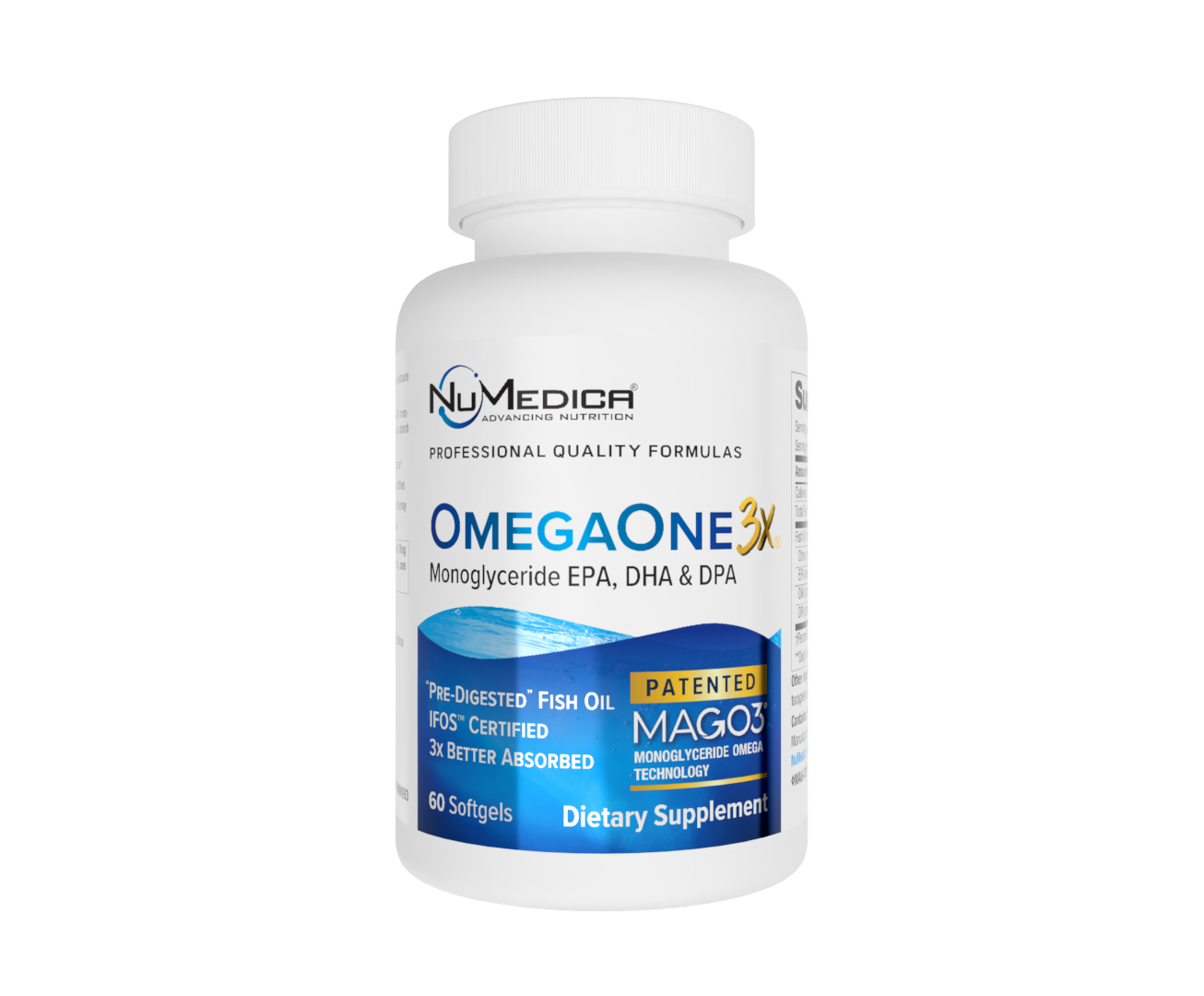
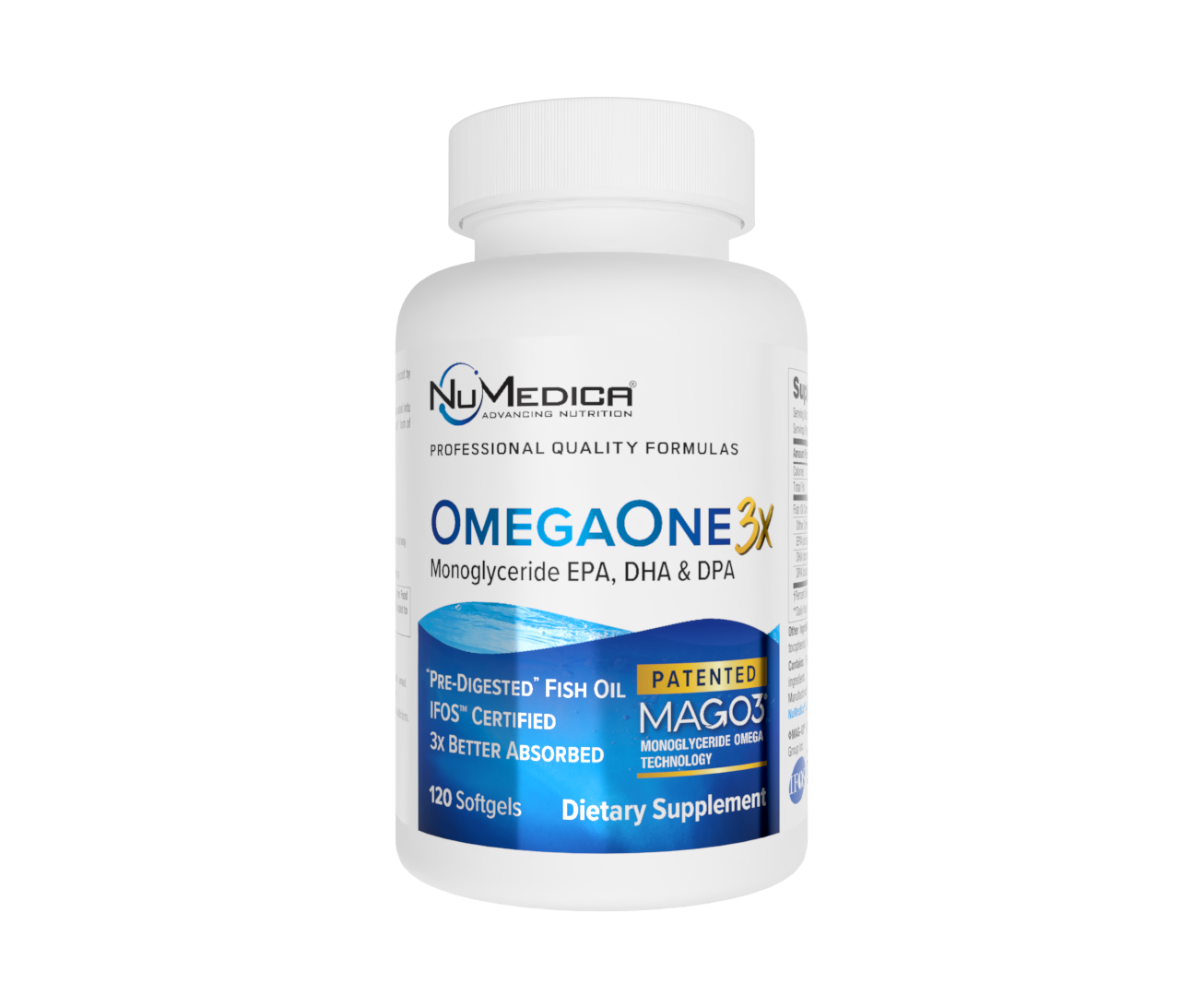
Omega-3 fatty acids are some of the most important nutrients you can add to your daily routine. They are foundational building blocks the body uses for cellular health, and most modern diets simply do not provide enough of them. The challenge with traditional fish oil supplements is that your body has to enzymatically break them down before it can absorb them, and that process is naturally less efficient as you age, when fat absorption slows, or simply when you do not take them with enough dietary fat.
OmegaOne 3x™ was built to solve that.
It delivers EPA, DHA, and DPA omega-3s in their most readily absorbable form: monoglycerides.* Using a patented enzymatic process called MAG-O3®, the oil is “pre-digested” before it ever reaches your bottle, creating a form of fish oil your body can absorb directly, without the additional digestive steps required by traditional fish oils. The result is up to three times better absorption of EPA and DHA compared to common ethyl ester (EE) fish oil forms.*
If you want a smarter, faster-absorbing approach to your daily omega-3, this is where it begins.
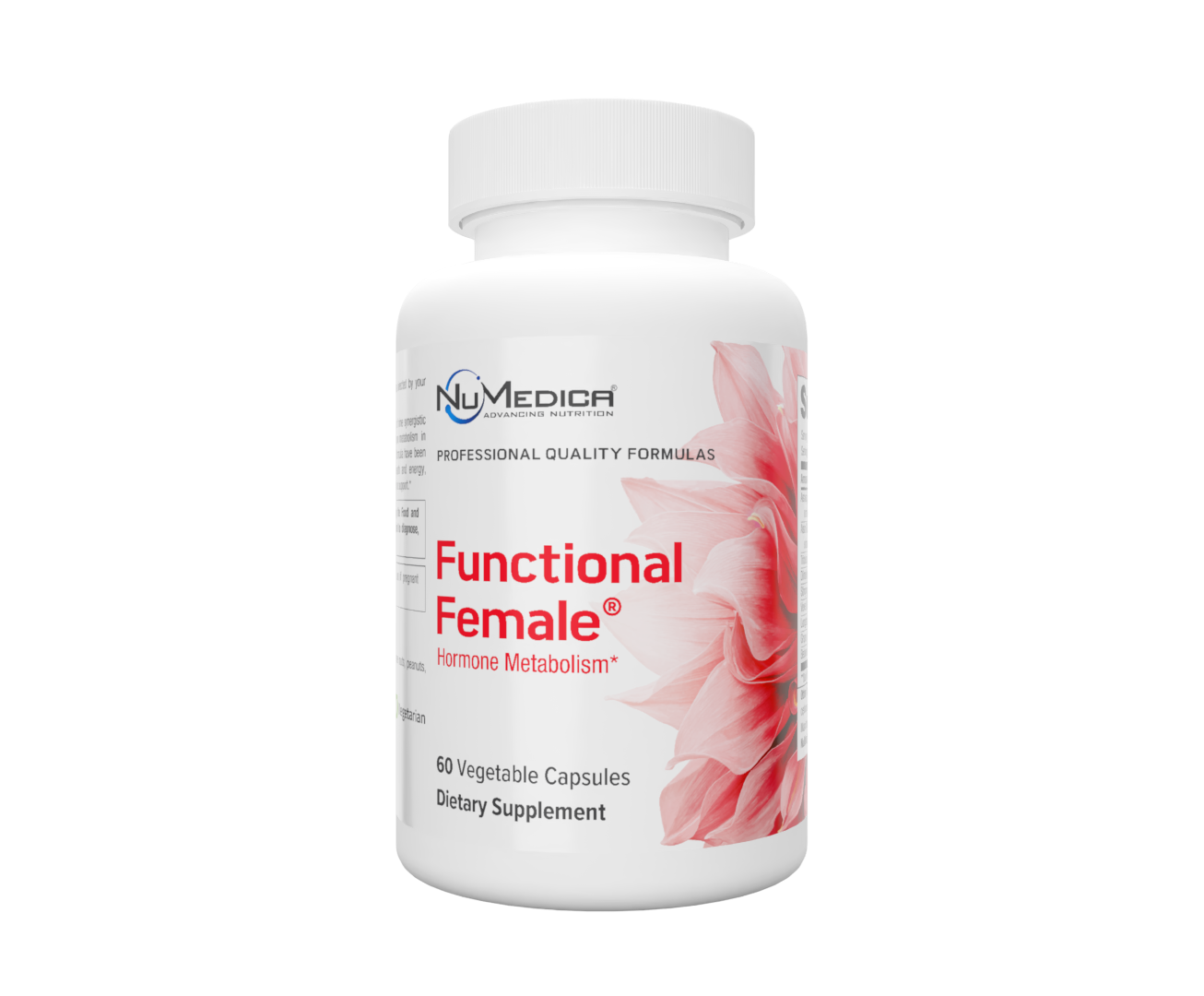
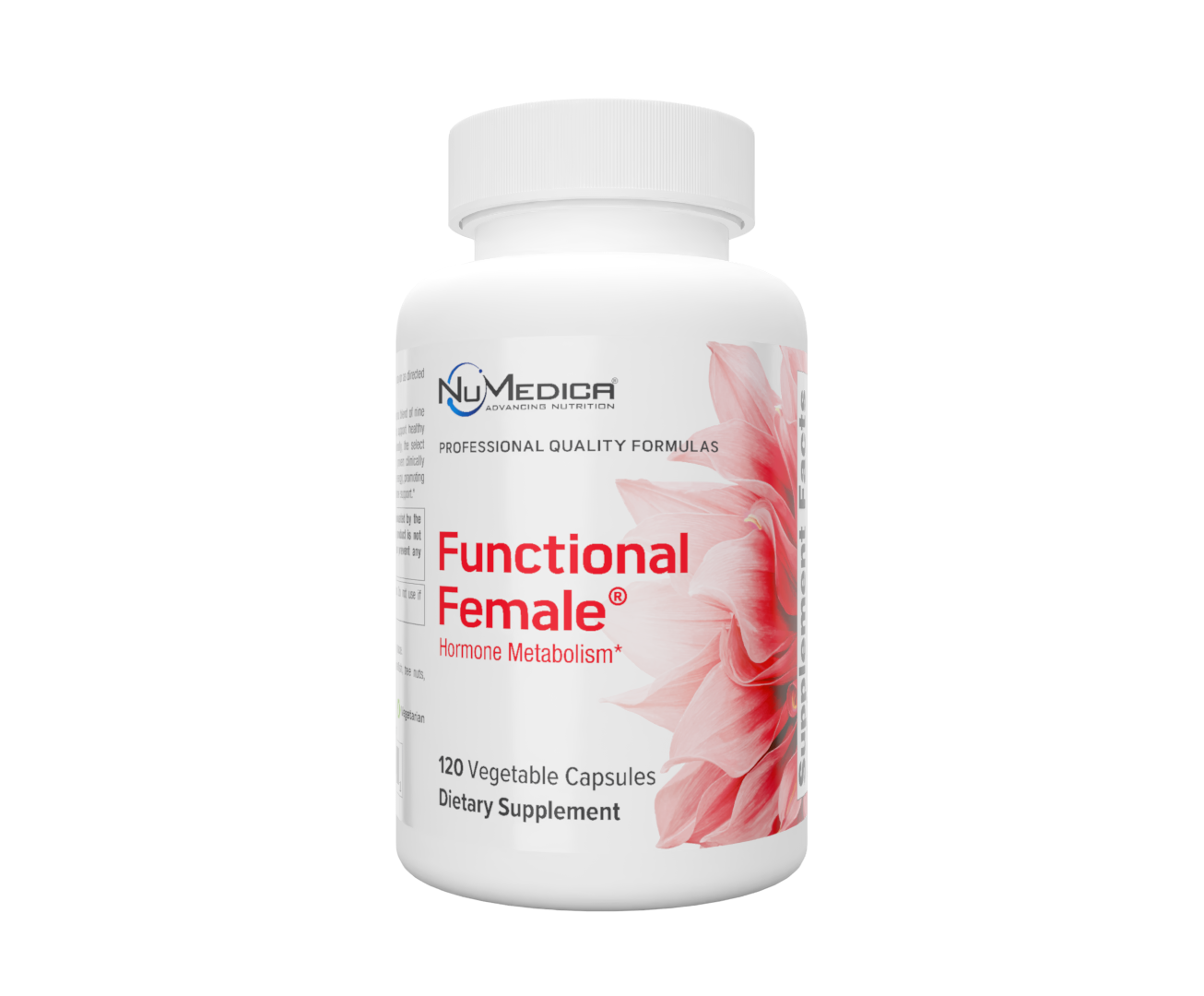
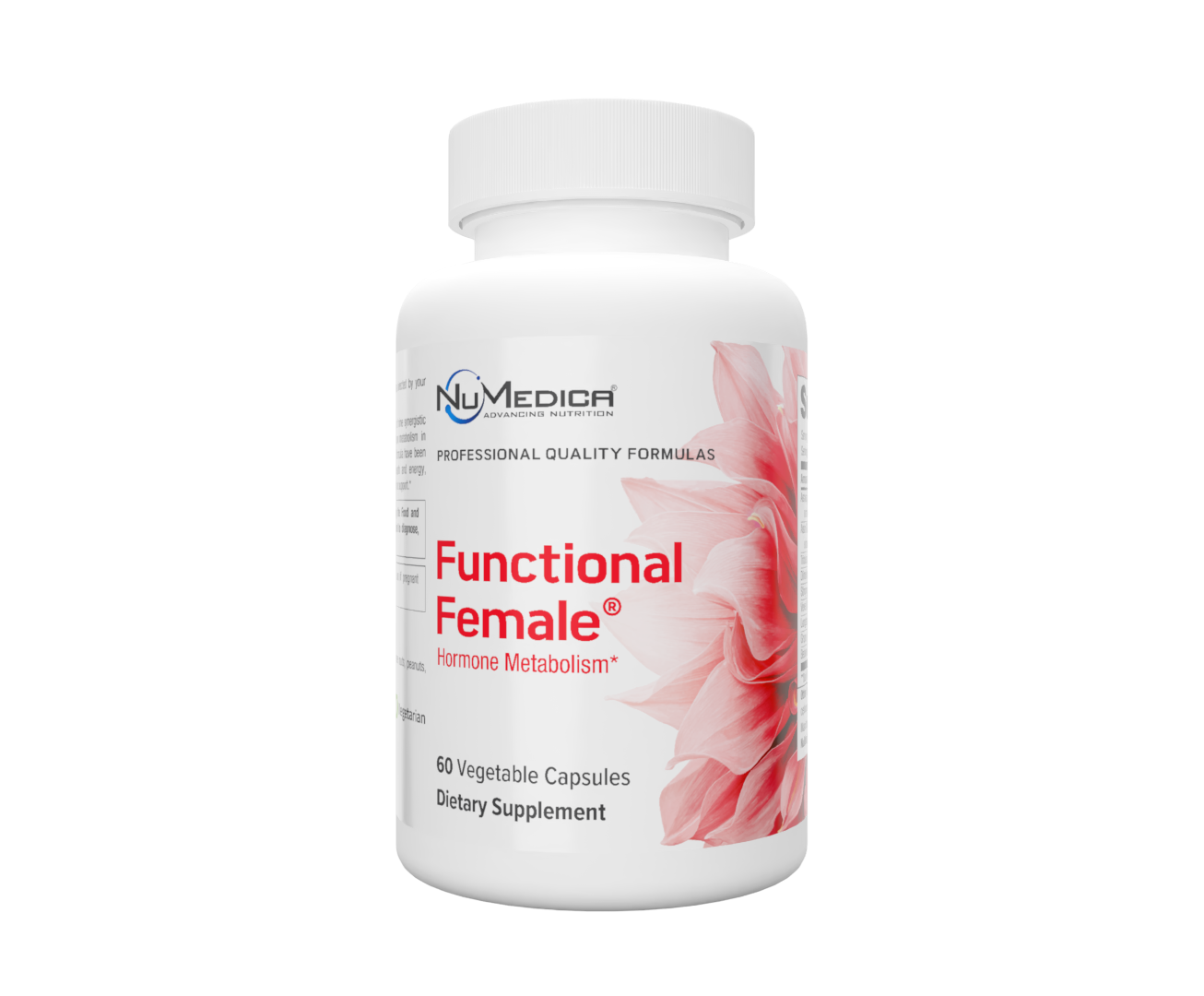
Functional Female® is NuMedica’s powerful blend of nine synergistic ingredients designed to help support healthy hormone metabolism in women.* Additionally, the select ingredients in this formula have been proven clinically effective in supporting sexual health and energy, promoting healthy cortisol levels and providing dopamine support.*
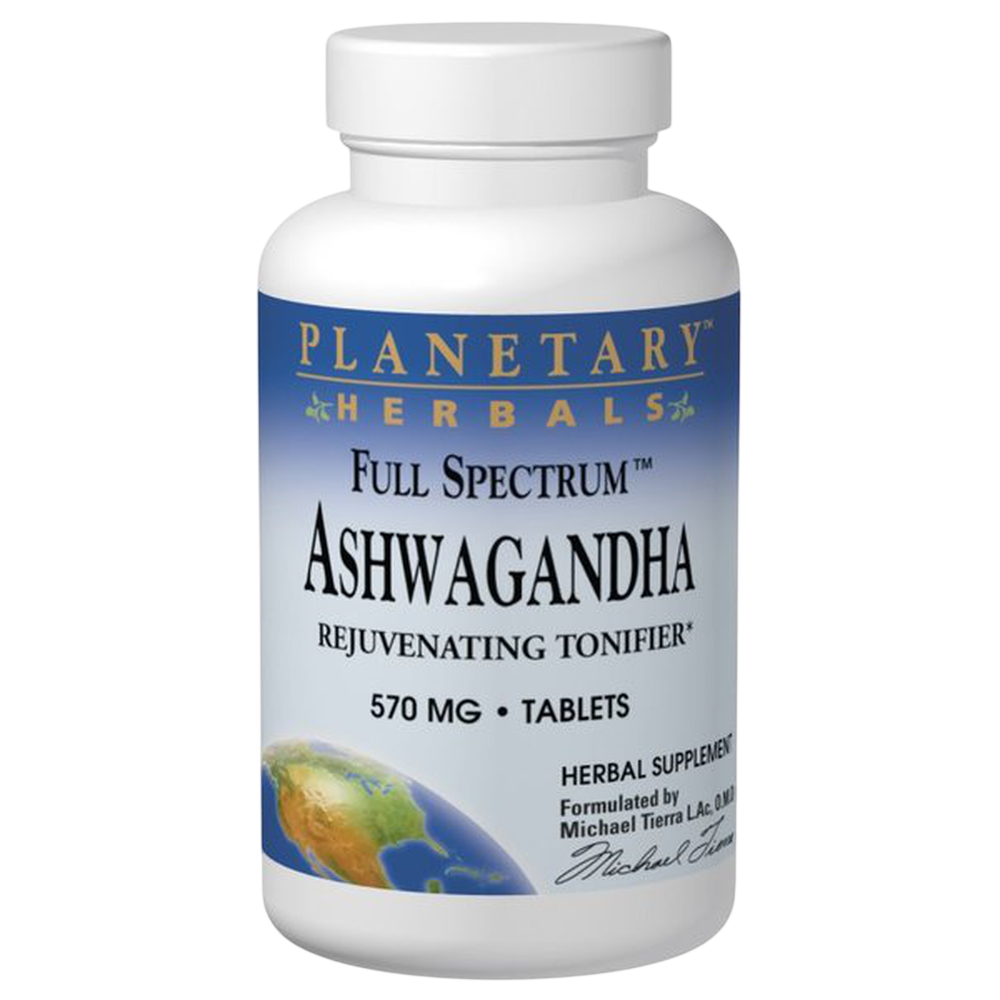
Modern life rarely slows down. Schedules tighten, demands pile up, and the body’s stress response runs longer than it was ever meant to. Over time, that constant low-grade pressure shows up everywhere, in your energy, your sleep, your focus, and your sense of calm. For thousands of years, traditional Ayurvedic practice has turned to one botanical above all others to help meet that pressure with steady, resilient calm: ashwagandha.
Ashwagandha, Full Spectrum brings that time-honored tradition into a clean, simple daily tablet.
It is a focused, single-ingredient formula featuring 570 mg of ashwagandha (Withania somnifera) per tablet, including both whole ashwagandha root and a concentrated root extract.* Ashwagandha is one of the most studied and widely used adaptogenic botanicals in the world, valued for its role in supporting the body’s healthy response to everyday stress, supporting a calm and relaxed mind, and supporting natural resilience.*
If you are looking for a clean, well-studied daily adaptogen to help meet the demands of modern life, this is where it begins.
