
The Decade That Changes Everything (Whether You’re Ready or Not)
There’s a particular moment many people experience sometime in their 30s. Maybe it’s the morning after a social event when the recovery takes two days instead of two hours. Maybe it’s noticing that the weight you used to lose effortlessly in a week now takes a month to budge. Or maybe it’s the quiet realization that you can’t quite remember the last time you woke up and felt genuinely, deeply rested.
Welcome to your 30s: the decade where the body starts presenting the bill for every habit you’ve carried since your 20s, and simultaneously, the most powerful window you have to write a completely different story going forward.
This isn’t a scare piece. It’s an honest conversation about what’s actually happening inside your body during this decade, why it matters more than most people realize, and, most importantly, what you can do about it. Because the choices you make in your 30s don’t just shape how you feel today, they determine how well you age, how sharp you stay, and how much energy and vitality you carry into your 40s, 50s, and beyond.
Why Your 30s Are the Pivotal Decade Nobody Talks About Enough.
Your 20s are largely forgiving. Your biology is still riding the tail end of development, your hormones are robust, your cells are resilient, and frankly, your body compensates for a lot. Hit your 30s, and that buffer starts to thin quietly.
This isn’t dramatic. It’s not a cliff. But it is a meaningful shift, and the people who thrive in midlife and beyond are almost always the ones who paid attention during this decade.
Here’s what’s actually at stake: the 30s are when the trajectory is set. Muscle mass, bone density, cardiovascular function, metabolic rate, hormonal balance, and even cognitive function all begin their gradual, barely perceptible decline during this period. We’re talking small percentages annually, nothing alarming in isolation. But compounded over 10, 20, or 30 years, those small percentages can make the difference between someone vital, mobile, and mentally sharp at 70 and someone who isn’t.
The good news, and there is very good news here, is that this trajectory is not fixed. It is remarkably responsive to lifestyle. The research on this is detailed and consistent: the habits you build now have an outsized impact on your long-term health outcomes. Your 30s are not a warning sign. They’re an invitation.
What’s Actually Happening Inside: The Science of the Shifting Decade
Metabolism Slows, But Not for the Reason You Think
It’s become almost a cultural punchline: “My metabolism slowed down when I hit my 30s.” But what’s actually happening is more nuanced and more correctable than most people assume.
The decline in resting metabolic rate that begins in the 30s is largely driven not by age itself, but by a gradual loss of lean muscle mass, a process called sarcopenia that begins subtly around age 30. Muscle is a metabolically active tissue, meaning it burns calories even at rest. Less muscle means a slower metabolic engine, even if your diet and activity level haven’t changed on paper.
The average adult who isn’t actively working to maintain muscle mass loses between 3 and 8 percent of their muscle mass per decade from their 30s onward. That’s not inevitable; it’s largely preventable, but it requires intentional effort.
Hormones Begin Their Long Game
In your 30s, most people won’t experience dramatic hormonal shifts, but the gradual changes are worth understanding early. For men, testosterone levels typically begin a slow decline from around age 30 at roughly 1 percent per year. For women, the second half of the 30s often brings subtle shifts in estrogen and progesterone, which can affect energy, mood, sleep quality, and menstrual cycle regularity long before perimenopause officially begins.
Cortisol, the stress hormone, deserves attention in this decade as well. The 30s are frequently characterized by peak life stress: career demands, young families, financial pressures, and social obligations. Chronic stress drives chronically elevated cortisol, which in turn disrupts sleep, suppresses immune function, accelerates fat storage (particularly around the abdomen), and interferes with the production and balance of virtually every other hormone in the body.
Your Gut Is Quietly Reorganizing
The gut microbiome, the vast ecosystem of bacteria, yeasts, and other microorganisms that live in the digestive tract, begins to shift meaningfully in the 30s. Diversity in the microbiome, which is strongly associated with better immune function, metabolic health, and even mental well-being, tends to decline with age unless actively supported.
Digestive symptoms that weren’t present in your 20s, such as bloating, irregular bowel habits, and food sensitivities, often begin to surface in the 30s, and frequently reflect changes in gut ecology as much as anything else.
The Brain Wants Your Attention Too
Cognitive changes in the 30s are subtle but real. Processing speed and working memory, meaning the ability to hold and manipulate information in your head in real time, begin to show measurable shifts. This isn’t about becoming less intelligent. But it is a reminder that the brain is an organ, and like every other organ in the body, it responds to how you treat it.
The foundations of brain health, including sleep, movement, stress management, nutrient sufficiency, and social connection, matter just as much in your 30s as they will in your 60s. Building those foundations now is far easier than trying to reconstruct them later.
Cardiovascular Health Becomes a Long-Term Project
Atherosclerosis, the gradual buildup of plaques in arterial walls, often begins in the 20s and accelerates in the 30s, progressing quietly and without symptoms. Blood pressure, which is remarkably modifiable with lifestyle, also tends to creep upward during this decade for many people. The 30s are when cardiovascular habits genuinely begin to matter for long-term risk.
Practical Advice: What to Actually Do With All of This
Resistance Training Is Non-Negotiable
If there is a single behavioral change that yields the most far-reaching benefit in the 30s, it is resistance training. Lifting weights, or using any form of progressive resistance, directly counters sarcopenia, supports hormonal balance, improves insulin sensitivity, strengthens bones, boosts resting metabolic rate, and has well-documented benefits for mood, energy, and cognitive function.
You don’t need to become an athlete. Two to three sessions per week of genuine resistance work, challenging enough that the last few repetitions feel hard, is sufficient to produce meaningful protective effects. The keyword is progressive: the load needs to increase over time to continue stimulating adaptation gradually.
Prioritize Protein: More Than You Probably Think
Most adults significantly underestimate how much protein their bodies need, particularly as the 30s bring the dual challenges of reduced anabolic hormone levels and the onset of muscle loss. Current evidence suggests that protein intake of 1.6 to 2.2 grams per kilogram of body weight per day is optimal for maintaining and building muscle in adults, well above standard dietary recommendations, which were not designed with muscle preservation in mind.
Distribute protein across meals rather than concentrating it in one sitting, prioritize high-quality complete proteins such as meat, fish, eggs, dairy, and soy, and pay particular attention to getting sufficient protein at breakfast, which many people skip or shortchange.
Sleep Is a Health Intervention, Not a Lifestyle Luxury
Chronic sleep deprivation, defined not as occasional late nights but as a sustained pattern of insufficient sleep, is one of the most potent accelerants of every negative health trend that begins in the 30s. Poor sleep drives cortisol, insulin resistance, and inflammatory markers up, and virtually every measure of mental and physical health down.
The research on this is unambiguous: seven to nine hours of quality sleep per night for adults is not an indulgence. It is foundational medicine. If your sleep is poor, fixing it should sit at the top of your health priority list, above almost everything else.
Get Your Blood Work Done
Your 30s are the ideal time to establish baseline blood panels, not because something is necessarily wrong, but because you need a reference point. Fasting glucose, HbA1c, a lipid panel, thyroid function, vitamin D, ferritin (iron stores), and a complete metabolic panel give you an honest picture of where your body is operating and where early attention might be needed. Many metabolic trends that cause problems in the 40s and 50s are clearly visible and reversible in the 30s if you’re looking.
Lifestyle Strategies: The Big Levers That Compound Over Time
Manage Stress Like It’s a Vital Sign, Because It Is
Chronic psychological stress is not a soft problem. It is a physiological one, with measurable downstream effects on hormones, immune function, cardiovascular health, gut health, and brain structure. In the 30s, when life tends to deliver peak levels of stress, developing effective stress-regulation practices is one of the highest-return health investments available.
This doesn’t have to mean meditation, although the evidence for mindfulness practices is genuinely impressive. It can mean time in nature, physical activity, creative outlets, quality social connection, or regular digital disconnection. The method matters less than the consistency. Your nervous system needs genuine periods of recovery just as much as your muscles do.
Movement Throughout the Day, Not Just During Workouts
Research into sedentary behavior has found that a dedicated exercise session does not fully offset the negative health effects of prolonged sitting if the rest of the day is sedentary. Total daily movement, not just structured exercise, is an independent variable in metabolic and cardiovascular health.
In practical terms, aim to interrupt long sitting periods every 45 to 60 minutes, incorporate walking into your routine as a daily baseline, and think of movement as something woven through your day rather than contained to a gym session.
Alcohol: Reassess the Default
Alcohol consumption habits that felt unremarkable in your 20s often begin to produce noticeable consequences in the 30s, including disrupted sleep, morning fatigue, mood variability, and weight challenges. More significantly, the 30s are a good time to take an honest look at the cumulative health effects of habitual drinking. The liver, gut microbiome, hormonal balance, sleep architecture, and metabolic function are all meaningfully affected by regular alcohol intake, and the effects compound with age.
This isn’t a prohibition argument. It’s a values-and-tradeoffs conversation worth having with yourself, honestly, in this decade.
Invest in Your Social Health
Loneliness and social isolation are as strongly predictive of premature mortality as smoking, according to some analyses. The 30s, paradoxically, are when many people’s social networks begin to contract as friendships become harder to maintain with busier lives, geographic moves, and the exhaustion of career and family demands. Actively maintaining and building meaningful relationships isn’t a soft priority. It belongs in your health strategy alongside sleep and exercise.
Supplement Considerations: Filling the Gaps Intelligently
Even with an excellent diet, the nutritional demands of the 30s can be difficult to meet consistently through food alone. A few areas deserve particular attention.
Vitamin D is chronically insufficient in a large proportion of the population, particularly those living at northern latitudes or working primarily indoors. Low vitamin D is associated with impaired immune function, reduced bone density, hormonal disruption, low mood, and poor muscle function, all concerns that become increasingly relevant through the 30s. Testing your levels and supplementing based on actual need, rather than guessing, is worthwhile.
Magnesium is involved in over 300 enzymatic reactions in the body, including muscle function, nervous system regulation, blood sugar control, and sleep quality. Modern diets, which tend to be high in processed food and low in leafy greens, nuts, and seeds, frequently fall short of optimal magnesium intake. Supplementing with a well-absorbed form of magnesium, such as glycinate or malate, which are often better tolerated than oxide, can support sleep quality, stress resilience, and muscle recovery.
Omega-3 fatty acids (EPA and DHA, found in fish oil and algae-based supplements) are supported by robust evidence for their roles in cardiovascular health, inflammation regulation, brain function, and joint health, all areas of relevance in the 30s. Most Western diets are significantly imbalanced toward omega-6 fats, and correcting this ratio through supplementation is a practical, well-supported intervention.
B vitamins and methylation support deserve attention, particularly for those who carry genetic variants that affect methylation, such as the MTHFR variant, which is common in the population. These nutrients support energy production, detoxification, hormonal metabolism, and neurological function. A high-quality B-complex or methylated multivitamin addresses this area comprehensively.
Probiotics and digestive support become increasingly relevant as gut microbial diversity shifts with age. Well-researched probiotic strains, combined with a high-fiber diet rich in diverse plant foods, support a gut ecology associated with long-term health outcomes.
It’s worth noting that supplement quality varies enormously. Third-party-tested, practitioner-grade products deliver what is on the label in forms the body can actually use, which is a meaningful distinction from generic retail options.
The Message Your 30s Are Actually Sending.
Your 30s are not the beginning of the end. They are the decade when the decisions you make finally start to compound in a meaningful direction, and when the gap between those who invest in their health and those who don’t begins to widen visibly.
The shifts happening in your body right now, in your metabolism, your hormones, your gut, your cardiovascular system, and your brain, are real. But they are also responsive to how you move, eat, sleep, manage stress, and support your body nutritionally.
The research is detailed that the single most powerful thing you can do in your 30s for your long-term health is to start, and to start now. Not with an overhauled, unsustainable lifestyle transformation, but with consistent, evidence-based habits built one at a time.
Your 30s called. They’re not warning you. They’re inviting you to show up differently.
*This article is for educational purposes and does not constitute medical advice. Speak with a qualified healthcare provider before beginning any new supplement protocol or making significant changes to your diet or exercise routine.
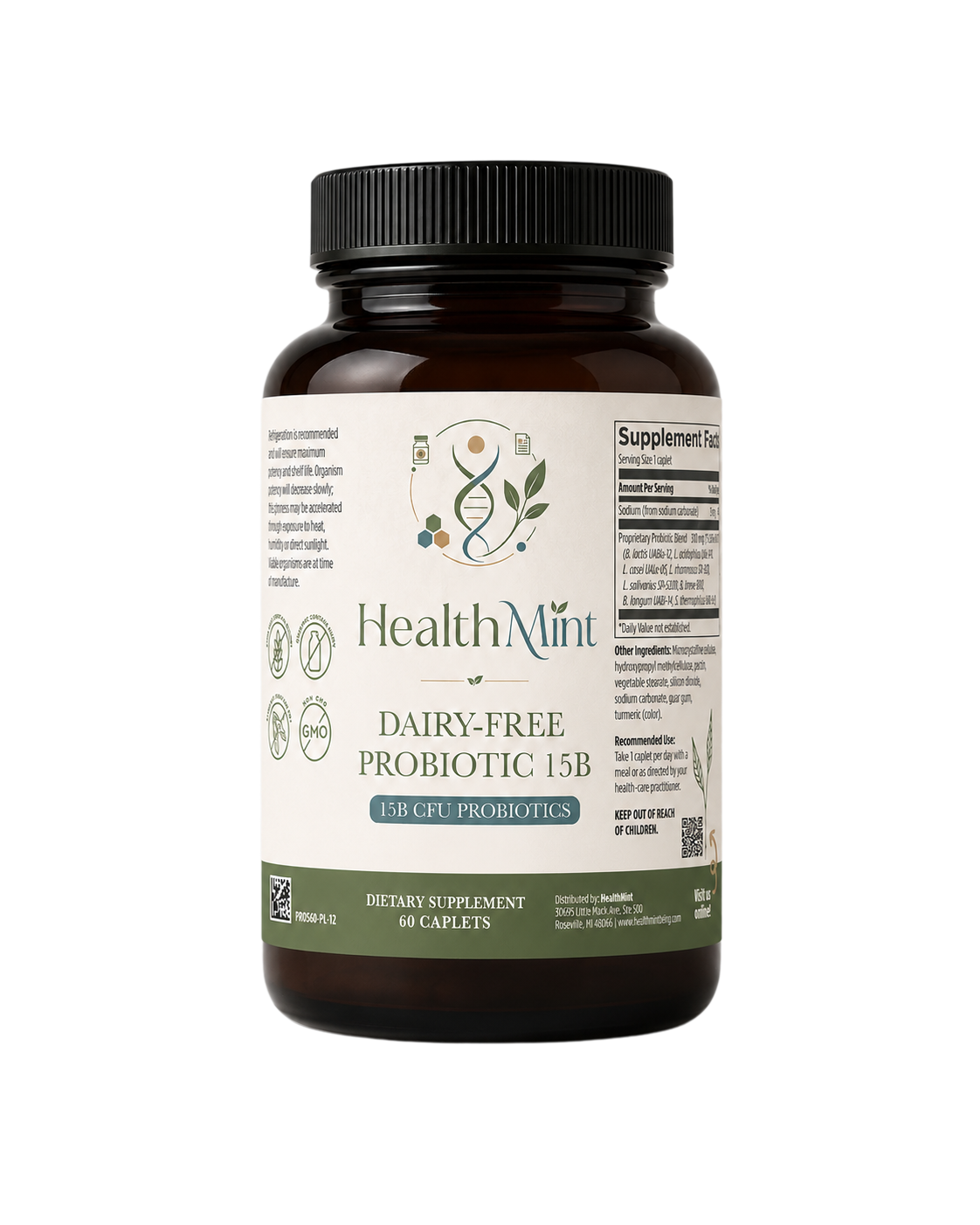
Your gut is home to trillions of microbes that play a daily role in how you feel, digest, and defend. Modern life, including busy schedules, less-than-perfect meals, stress, travel, and the occasional course of antibiotics prescribed by your doctor, can put pressure on that delicate balance. Replenishing the friendly bacteria your body relies on is one of the simplest ways to support your gut from the inside out.*
Dairy-Free Probiotic 15B was built to do exactly that, in a higher-strength, dairy-free daily formula.
Each caplet delivers 15 billion CFU across eight identified probiotic strains, thoughtfully chosen to support a healthy, balanced gut microbiome.* The formula uses advanced time-release caplet technology designed to help protect fragile probiotic organisms from stomach acid, supporting consistent delivery of live organisms throughout the gastrointestinal tract.
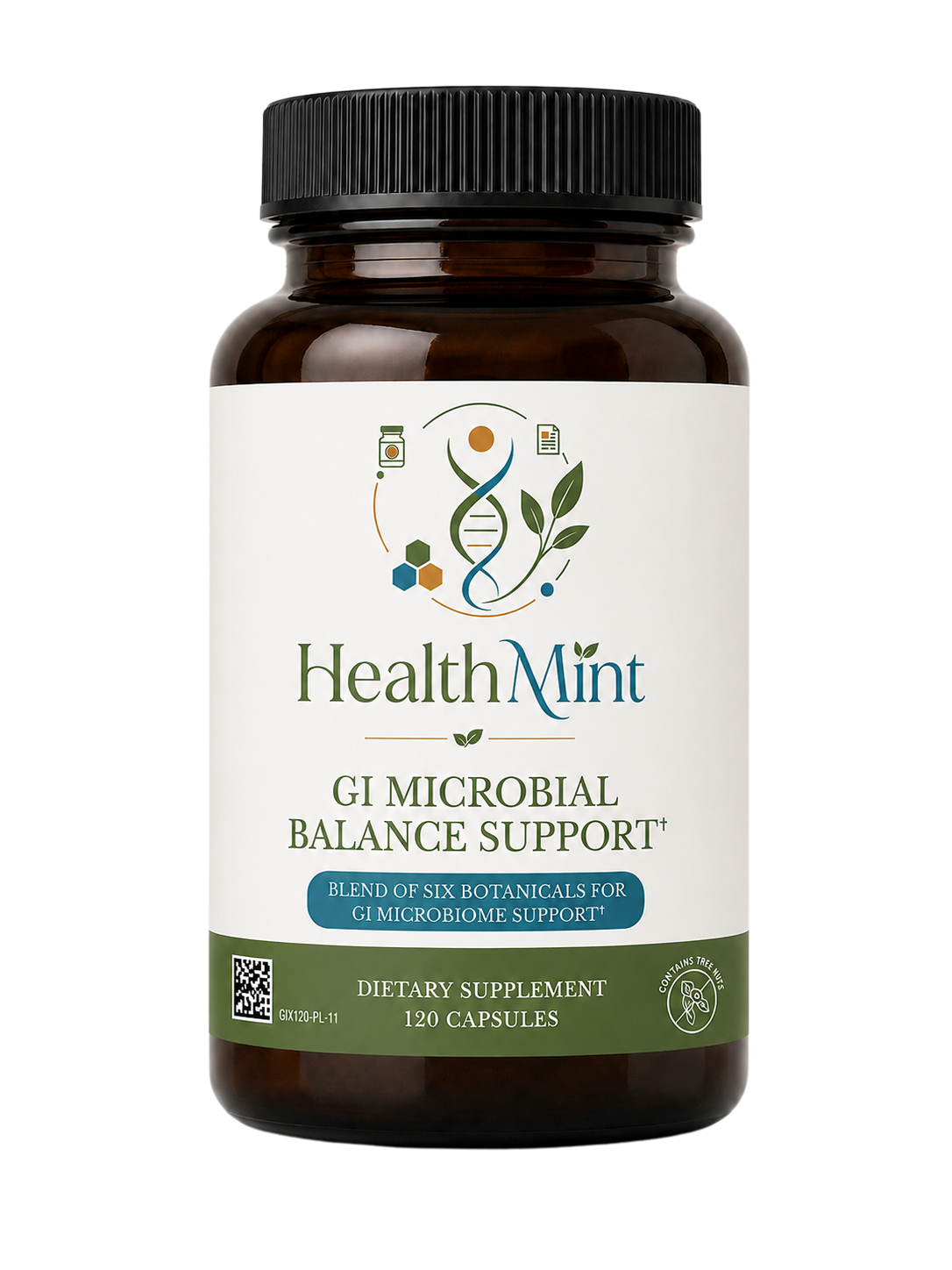
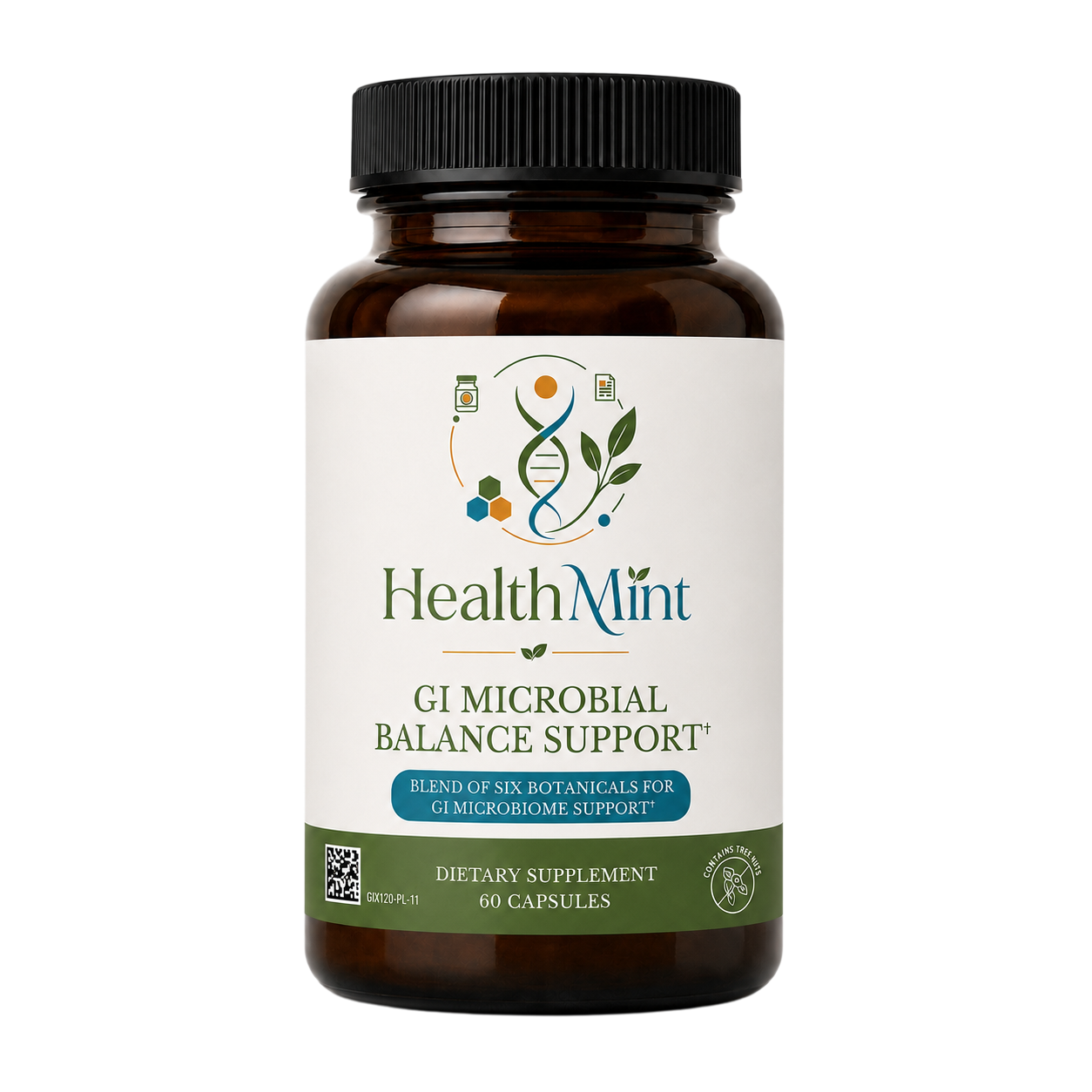
GI Microbial Balance Support is a thoughtfully crafted blend of botanical extracts drawn from traditions of herbal practice spanning centuries and cultures.* It brings together ingredients with long histories of traditional use in supporting gastrointestinal health, in a single once-daily capsule meant to be part of a comprehensive wellness routine.
Each capsule is designed to provide botanical support for a healthy gut environment and microbial balance, in a clean, considered formula made with non-GMO ingredients.*
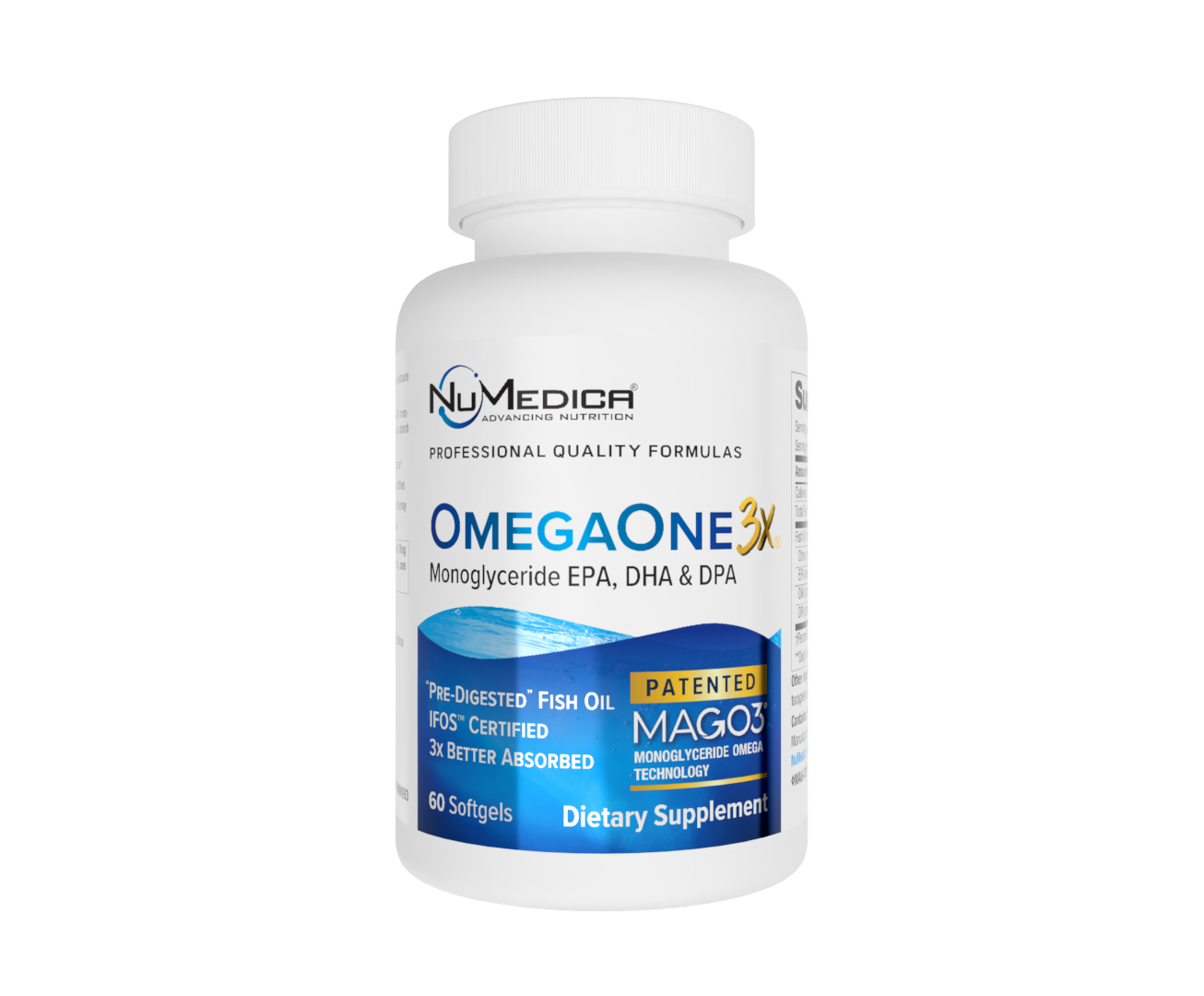
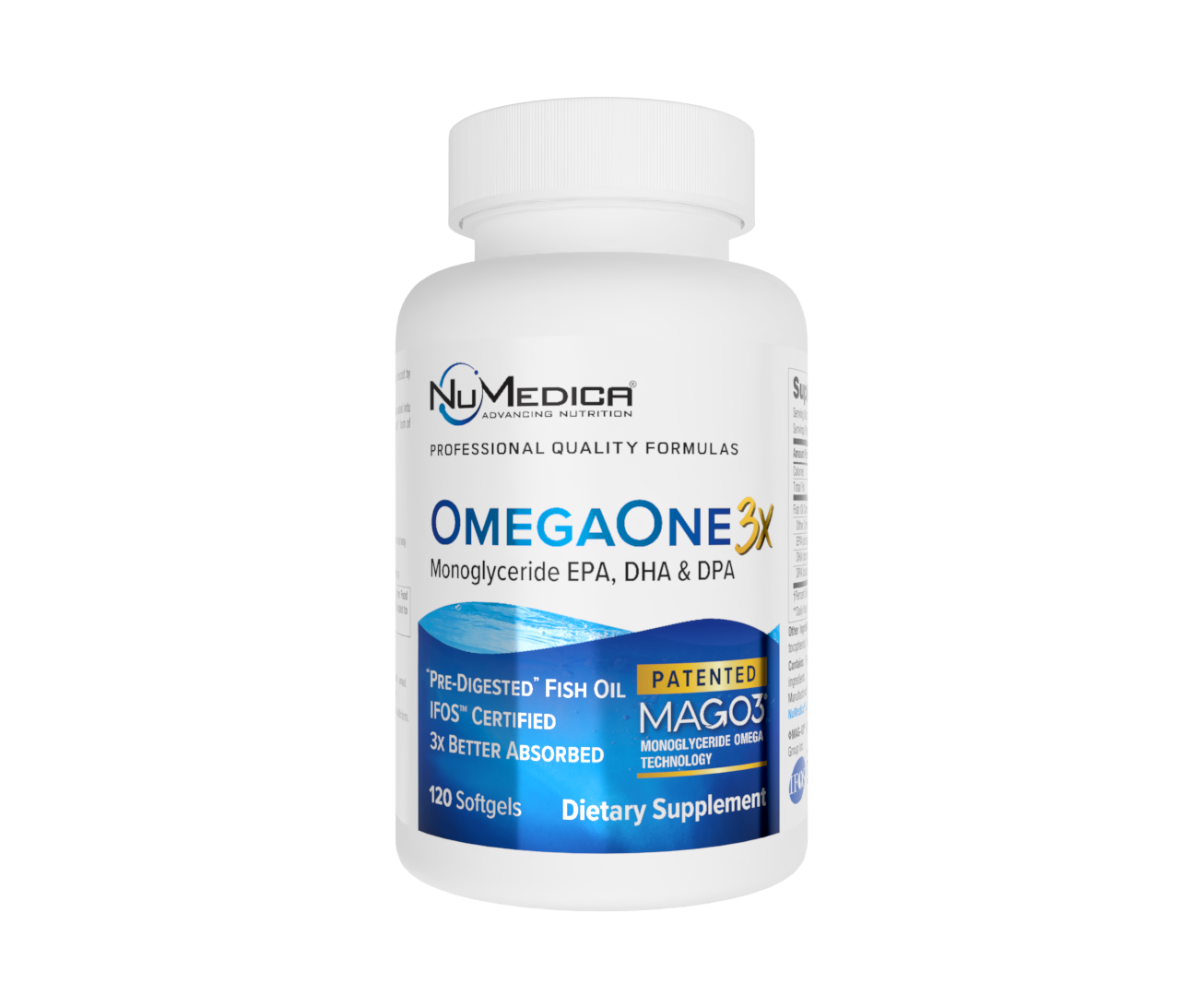
Omega-3 fatty acids are some of the most important nutrients you can add to your daily routine. They are foundational building blocks the body uses for cellular health, and most modern diets simply do not provide enough of them. The challenge with traditional fish oil supplements is that your body has to enzymatically break them down before it can absorb them, and that process is naturally less efficient as you age, when fat absorption slows, or simply when you do not take them with enough dietary fat.
OmegaOne 3x™ was built to solve that.
It delivers EPA, DHA, and DPA omega-3s in their most readily absorbable form: monoglycerides.* Using a patented enzymatic process called MAG-O3®, the oil is “pre-digested” before it ever reaches your bottle, creating a form of fish oil your body can absorb directly, without the additional digestive steps required by traditional fish oils. The result is up to three times better absorption of EPA and DHA compared to common ethyl ester (EE) fish oil forms.*
If you want a smarter, faster-absorbing approach to your daily omega-3, this is where it begins.
