
Let’s Just Talk About It
Here’s a number worth sitting with: premature ejaculation (PE) is the most common male sexual concern worldwide, affecting roughly one in three men at some point in their lives. Yet most men suffer in silence, convinced they’re the only ones struggling, or too embarrassed to bring it up, even with their doctor.
That silence is both unnecessary and costly. Unnecessary because PE is well-understood, treatable, and far from a life sentence. Costly because the shame and avoidance surrounding it can damage relationships, erode self-confidence, and compound the very anxiety that often drives the problem in the first place.
So let’s take a breath, set aside the stigma, and look at what’s actually going on and, more importantly, what you can do about it.
You’re Not Broken. You’re Actually in Good Company
Before we get into mechanisms and solutions, a little perspective goes a long way.
The clinical definition of PE varies slightly depending on who you ask. Still, most guidelines describe it as ejaculation that consistently occurs within about one minute of penetration, causes significant personal distress, and is largely beyond voluntary control: that last part, distress, matters. An occasional quick finish after weeks of abstinence is not PE. Performance anxiety during a new relationship is not PE. PE is a persistent pattern that interferes with your life and well-being.
It also helps to know that the average time to ejaculation during intercourse, called intravaginal ejaculatory latency time (IELT), is around five to six minutes, though there is enormous variation. Men who ejaculate in two minutes but feel completely satisfied and unbothered are not experiencing a disorder. Context is everything.
There are two main types worth knowing:
Lifelong (Primary) PE is present from the first sexual experience and consistent throughout life. This type has a stronger neurobiological basis and tends to respond better to long-term medical support.
Acquired (Secondary) PE develops after a period of normal ejaculatory control. This is often linked to relationship changes, a new health condition, hormonal shifts, or psychological stress. It is more common and generally more responsive to lifestyle and psychological interventions.
What’s Actually Happening Under the Hood
Ejaculation is not just a physical reflex. It is a carefully orchestrated process involving the brain, spinal cord, peripheral nerves, and hormones. When that system is calibrated differently from the average, the PE results.
The Serotonin Connection
The most well-established neurobiological factor in PE is serotonin sensitivity. Serotonin plays a significant inhibitory role in ejaculatory control, essentially helping to put the brakes on. Men with lifelong PE tend to have naturally lower serotonin activity at specific receptor sites, particularly the 5-HT2C receptor, which means the braking system is less effective.
This is why selective serotonin reuptake inhibitors (SSRIs), which increase synaptic serotonin levels, are among the most effective pharmacological treatments for PE. It is not that these men are depressed. It is that their serotonin system is wired for a faster response.
The Anxiety-Performance Loop
For acquired PE, anxiety is often the primary driver. Performance pressure activates the sympathetic nervous system, the “fight or flight” branch, which accelerates ejaculatory reflexes. A man who ejaculates too quickly once begins to anticipate it happening again. That anticipation creates anxiety. That anxiety makes it happen again. And around it goes.
This loop is one reason why PE can appear suddenly in an otherwise sexually confident man who enters a new relationship, experiences a stressful life event, or develops another sexual concern such as erectile dysfunction.
Hormones and Inflammation
Less commonly discussed but clinically relevant, thyroid dysfunction has a documented association with ejaculatory disorders. Hyperthyroidism, in particular, is associated with PE, and treating the underlying thyroid condition often resolves it. Testosterone levels, chronic prostatitis, and even pelvic floor dysfunction can also play contributing roles, which is exactly why a thorough evaluation matters.
Penile Sensitivity
Some research suggests that men with lifelong PE may have heightened sensitivity of the glans penis, contributing to more rapid triggering of the ejaculatory reflex. This has led to topical treatments like lidocaine-based sprays and creams that temporarily reduce sensitivity and extend the time to ejaculation.
What Actually Helps: A Practical Playbook
The good news is that PE responds to treatment better than almost any other male sexual health concern. The approach that works best depends on the type, the contributing factors, and your personal preferences.
Get Honest About the Basics First
Before anything else, ask yourself whether lifestyle factors might be contributing. Sleep deprivation, excessive alcohol, a high-stress work environment, lack of regular exercise, and a disconnected relationship with your own body can all influence sexual function in ways that are easy to overlook. If any of these sound familiar, they are worth addressing before or alongside any targeted treatment.
Behavioral Techniques: Old School, Still Effective
Two classic techniques have stood the test of time and remain first-line recommendations for many men.
Sex therapist James Semans developed the Stop-Start Method, which involves stimulating the penis to the point just before ejaculation, stopping completely until arousal decreases, and then resuming. Repeating this cycle three or four times before allowing ejaculation gradually builds awareness of the point of no return. It trains the nervous system to tolerate higher levels of arousal without triggering the reflex.
The Squeeze Technique is a variation developed by Masters and Johnson that involves applying firm pressure to the head of the penis, or the base, when ejaculation feels imminent, which temporarily decreases the urge. Like the stop-start method, it is designed to build ejaculatory control over time.
These techniques require patience and consistent practice, ideally with a supportive partner. They work best for acquired PE and tend to be less effective in isolation for lifelong PE.
Pelvic Floor Training
This one surprises most people: the pelvic floor plays an active role in ejaculatory control. Specifically, the bulbocavernosus and ischiocavernosus muscles contract rhythmically during orgasm and ejaculation. Strengthening and awareness of these muscles through targeted exercises similar to Kegel exercises have been shown in clinical studies to improve ejaculatory latency significantly.
The catch is that most men do not know these muscles exist or how to engage them correctly. Working with a pelvic floor physiotherapist, at least initially, is worth the investment.
The Psychological Layer
Because anxiety, shame, and performance pressure are so central to most cases of PE, working with a sex therapist or psychologist is not a sign of weakness. It is often the most direct route to lasting change.
Cognitive-behavioral therapy (CBT) addresses the thought patterns and beliefs that feed the anxiety loop. Sex therapy provides structured, progressive exercises, often partner-based, that rebuild confidence and reframe sexual experiences as collaborative rather than performative. Couples therapy can be invaluable when PE has created distance or resentment in a relationship.
For men who prefer a self-directed approach, mindfulness-based practices have emerging evidence for improving ejaculatory control, partly by reducing performance-focused thinking and increasing present-moment body awareness during sex.
Medical Options: When You Need More Support
Topical Anaesthetics such as lidocaine or prilocaine-based sprays, creams, and wipes are applied to the penis 10 to 30 minutes before intercourse to reduce penile sensitivity and extend ejaculatory latency. They are fast-acting, non-systemic, meaning very little is absorbed into the bloodstream, and can be used on demand. The main considerations are applying them with enough lead time, using the right amount, and using a condom if sensitivity transfer to a partner is a concern.
SSRIs at low daily doses, including paroxetine, sertraline, and fluoxetine, are among the most effective pharmacological treatments for PE, with paroxetine typically showing the largest effect. A short-acting SSRI called dapoxetine was specifically developed for on-demand use, taken one to three hours before sex rather than daily, and is available in many countries specifically for PE. These medications work well but have potential side effects, including reduced libido, mild nausea, and delayed orgasm, which in this context is the intended effect.
PDE5 Inhibitors such as sildenafil (Viagra) and tadalafil (Cialis) are primarily indicated for erectile dysfunction. Still, there is evidence they can help PE in men who have both conditions, or where performance anxiety around erectile function is driving rapid ejaculation. They are rarely a first-line choice for PE alone.
Tramadol is an opioid analgesic with a well-documented but not fully understood effect of delaying ejaculation. It is used off-label for PE in some clinical settings but carries real risks of dependence with repeated use and is generally reserved for cases where other treatments have failed.
The Role of Nutrition and Targeted Supplementation
Nutritional status and specific micronutrients influence the neurotransmitter systems and hormonal pathways involved in ejaculatory control. While supplements alone are rarely sufficient for severe PE, they can meaningfully support overall sexual health and nervous system function, particularly when deficiencies are present.
Magnesium is involved in neuromuscular function and stress regulation. Deficiency is extremely common and is associated with heightened nervous system reactivity, which can exacerbate performance anxiety and ejaculatory sensitivity.
Zinc is essential for testosterone production and is one of the most well-studied minerals for male sexual health. Low zinc is associated with reduced testosterone, poor sperm quality, and impaired sexual function.
B vitamins, particularly B6, B12, and folate, are foundational to serotonin synthesis. Since serotonin is the key neurotransmitter in ejaculatory control, ensuring adequate B vitamin status through diet and supplementation supports the entire system.
Ashwagandha (Withania somnifera) is an adaptogenic herb with growing clinical evidence for reducing cortisol, lowering anxiety, and improving male sexual function, including ejaculatory control and testosterone levels.
Rhodiola rosea is another adaptogen with evidence supporting its ability to reduce fatigue and stress-related sexual dysfunction.
Omega-3 fatty acids support neurological function broadly and have anti-inflammatory effects relevant to both brain and vascular health.
Dietary patterns matter too. A Mediterranean-style diet rich in vegetables, legumes, whole grains, healthy fats, and lean protein is consistently associated with better cardiovascular and sexual health outcomes in men. Chronic high sugar intake, ultra-processed food consumption, and nutrient-poor diets all contribute to systemic inflammation and hormonal dysregulation that can affect sexual function over time.
Lifestyle Levers That Are Worth Pulling
Exercise regularly, especially strength training. Physical activity improves cardiovascular fitness, supports healthy testosterone levels, reduces cortisol, and improves mood, all of which are factors relevant to sexual performance. Resistance training in particular has well-documented testosterone-supporting effects.
Prioritize sleep. Sleep is when the body regulates hormones, repairs tissue, and processes stress. Men who consistently sleep fewer than six hours show measurably lower testosterone levels and greater vulnerability to anxiety. Getting seven to nine hours of quality sleep is one of the highest-leverage things you can do for sexual health.
Moderate alcohol consumption. While a drink or two can reduce performance anxiety in the short term, chronic or heavy drinking disrupts sleep architecture, lowers testosterone, impairs nerve conduction, and tends to worsen PE over time.
Manage stress proactively. This sounds obvious, but chronic psychological stress keeps the sympathetic nervous system persistently activated, which is exactly the state that drives PE. Building sustainable stress management practices such as exercise, adequate sleep, exposure to nature, social connection, and regular downtime is foundational, not optional.
Masturbate mindfully. Many men with PE have developed a habit of rapid masturbation that reinforces a fast ejaculatory pattern. Practicing slower, more deliberate arousal during masturbation, using the stop-start or squeeze techniques, can retrain the ejaculatory reflex over time.
When to See a Doctor
If PE is causing you consistent distress, it deserves professional attention. A good GP or urologist can rule out contributing medical factors such as thyroid dysfunction, low testosterone, prostatitis, or neurological conditions, and discuss the full range of treatment options with you.
Consider seeking care if PE is persistent and causing significant distress or relationship strain, if it appeared suddenly after years of normal function, if you suspect an underlying health condition, if behavioral techniques have not improved things after several weeks of consistent practice, or if you want to explore medical treatments like topical agents or SSRIs.
If psychological factors seem prominent, asking for a referral to a sex therapist or psychologist is entirely appropriate and is often more effective than medication alone for acquired PE.
The Bottom Line
Premature ejaculation is common, well-understood, and highly treatable. It is not a character flaw, a measure of your worth as a partner, or an inevitable part of your sexual identity. It is a physiological and sometimes psychological pattern, and patterns can be changed.
The most effective approaches tend to combine behavioral techniques, stress management, nutritional support, and, when appropriate, targeted medical treatment. Start with what feels most accessible and build from there. And if you have been carrying this quietly for a while, consider that the simple act of talking to a doctor or therapist about it might be the most important step you take.
Sexual health is health. It deserves the same attention, care, and honesty you would give anything else that matters to your quality of life.
Key Takeaways
Premature ejaculation affects approximately one in three men and is the most prevalent male sexual concern worldwide.
There are two main types: lifelong (present from the first sexual experience) and acquired (developing after a period of normal function)
Serotonin activity, performance anxiety, thyroid function, pelvic floor tone, and penile sensitivity all play documented roles
Behavioral techniques (stop-start, squeeze), pelvic floor training, and psychotherapy are effective first-line approaches.
Topical anesthetics and SSRIs are evidence-based medical options when needed.
Nutritional support, particularly magnesium, zinc, B vitamins, and adaptogens, can complement other treatments.
Consistent sleep, regular exercise, and stress management are foundational to sexual health.
PE that causes distress or appears suddenly warrants a medical evaluation to rule out underlying causes
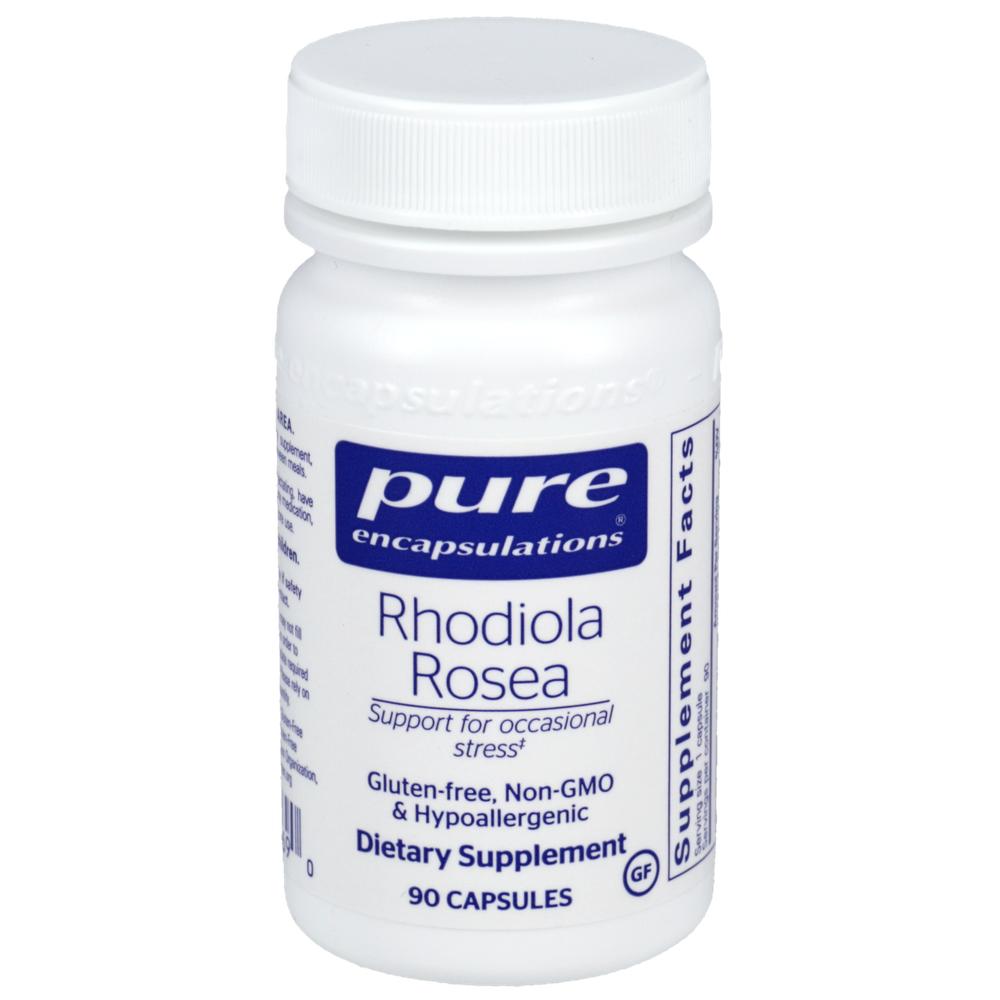
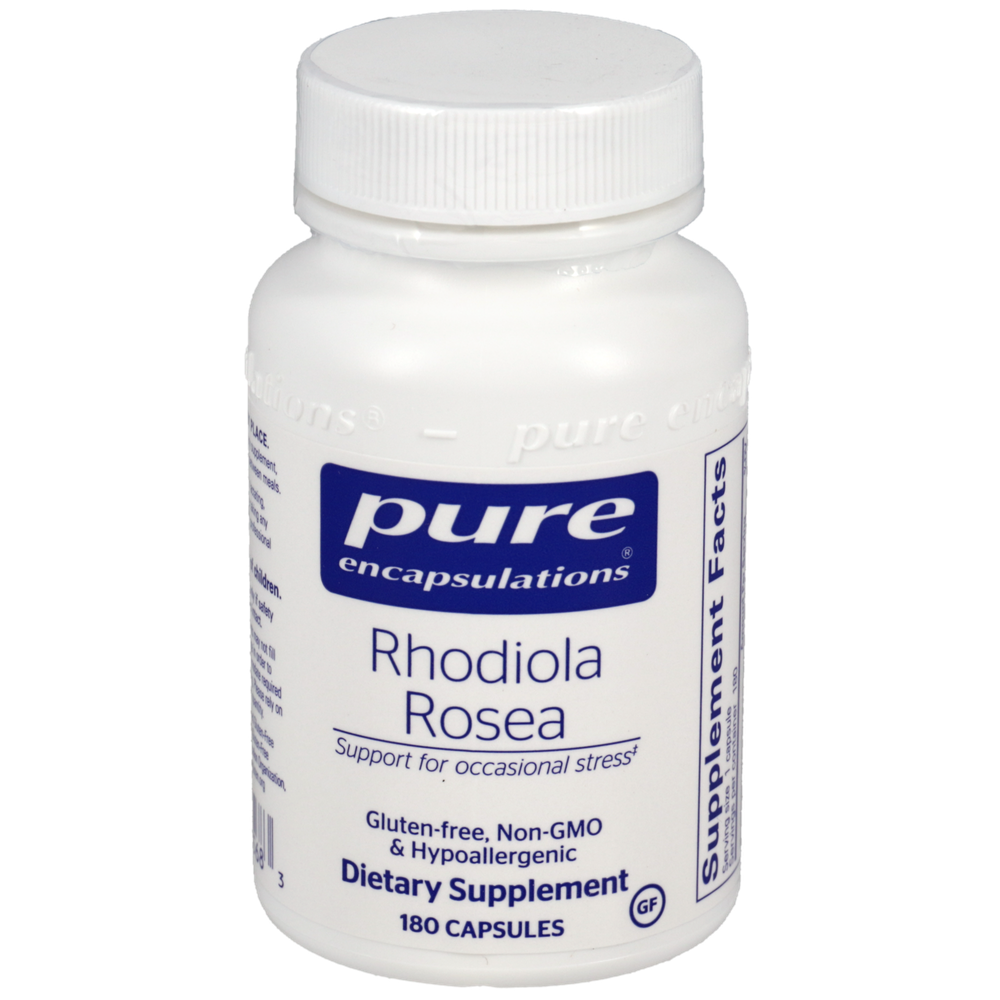
Modern life rarely slows down. Whether it’s a demanding workday, a tough training week, or the steady hum of everyday pressure, your body and mind are constantly asked to keep up. For centuries, people across northern Europe and Siberia have turned to a remarkable mountain plant to help meet those demands: Rhodiola rosea, traditionally known as Golden root.
Rhodiola Stress Support brings that time-honored adaptogen to you in a clean, focused, daily capsule.
It is a single-ingredient formula featuring Rhodiola rosea root extract, thoughtfully standardized to deliver consistent levels of its key naturally occurring compounds, the rosavins and salidrosides.* Rhodiola is a classic adaptogen, a category of botanicals that have traditionally been used to help the body adapt to the everyday demands of stress and exertion.*
If you want a clean, well-studied, single-ingredient option to support your body’s healthy response to occasional stress, this is where it begins.
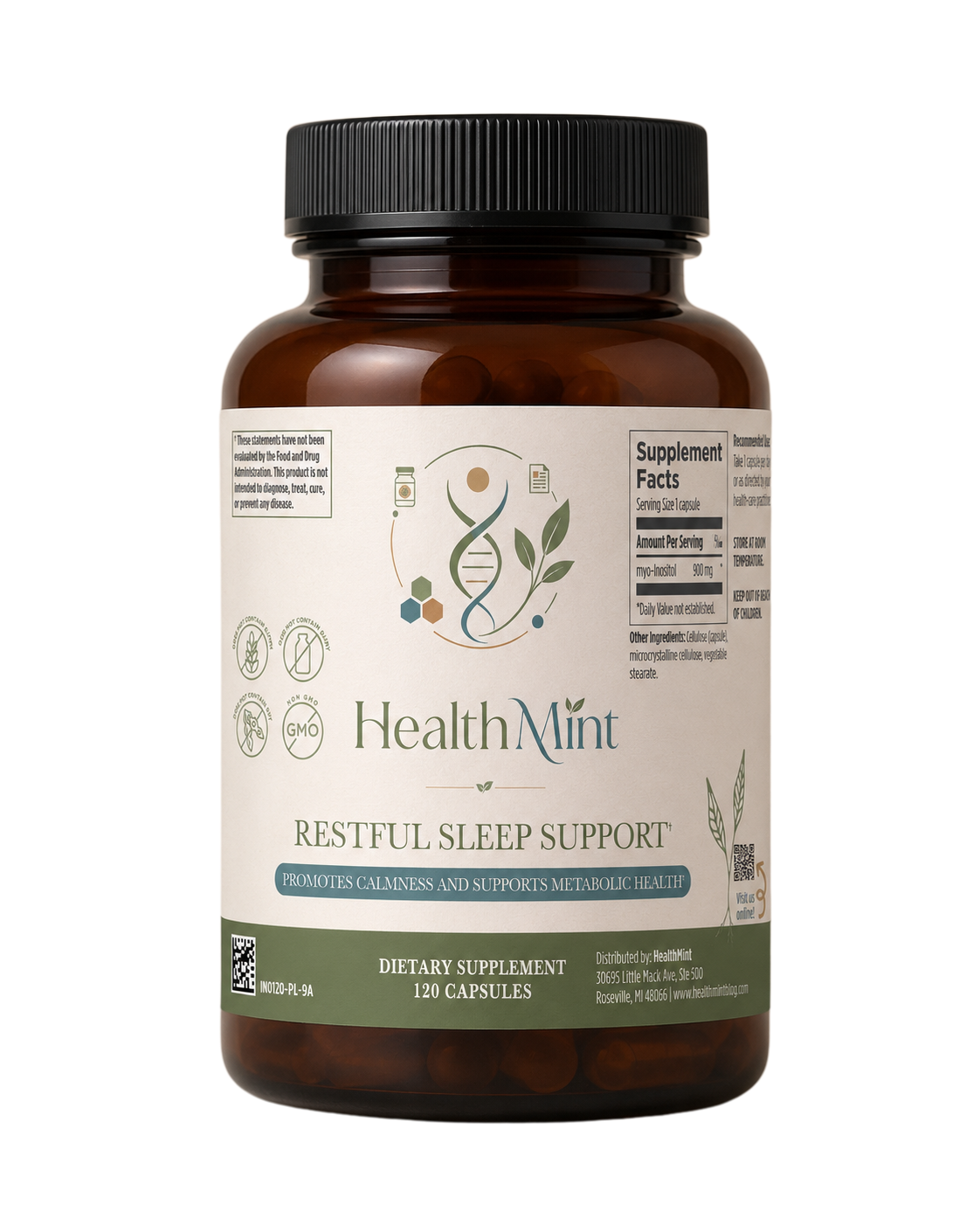
A good night’s sleep is one of the most foundational things you can give your body. It is when your mind resets, your body restores, and your mood and energy for the next day are set in motion. Yet for so many people, that simple, essential act has become surprisingly hard to come by. Busy schedules, racing thoughts, screens, stress, and the steady hum of modern life can all stand in the way of the rest your body is asking for.
Restful Sleep Support was built to support your body in returning to its natural, restful state.
It is a clean, single-ingredient formula featuring 900 mg of myo-inositol per capsule, the most bioavailable form of inositol, sometimes called vitamin B8.* Inositol is a naturally occurring compound found in every cell of your body, with its highest concentrations in your brain and central nervous system, where it plays a role in the signaling pathways your body uses to support a relaxed, calm state and restful sleep.*
If you are looking for a thoughtful, non-habit-forming approach to your nightly wind-down, this is where it begins.
