
Nobody Should Just “Put Up With It”
If sex has become painful, whether it’s a sharp sting, a deep ache, a burning that lingers for hours after, or a dryness that makes intimacy feel like anything but, you are not alone. And more importantly, you are not broken.
Painful sex (the clinical term is dyspareunia) affects an estimated one in five women at some point in their lives. Yet, it remains one of the most under-discussed, under-investigated, and under-treated complaints in women’s health. Many women are dismissed with a tube of lubricant and a shrug, or told it’s “just part of getting older,” or, worst of all, made to feel like the problem is in their heads.
It isn’t. Pain during sex is a real, physical signal that something in the body is out of balance. And once you understand the actual mechanisms driving that pain, you can start addressing them at the root, not just covering them up.
This article is your deep dive into the real causes your doctor may have glossed over, the science behind them, and what you can actually do about them.
This Is a Bigger Deal Than People Let On
Here’s what the statistics quietly reveal: painful sex doesn’t just affect physical intimacy. It ripples outward into relationships, self-esteem, mental health, and overall quality of life. Women who experience dyspareunia report significantly higher rates of anxiety, depression, and relationship dissatisfaction. And yet, studies consistently show that the average woman waits years before bringing it up to a healthcare provider, and when she does, she’s often met with inadequate follow-up.
The problem is systemic. Women’s pain, in general, tends to be underprioritized in medicine. But there’s a particular irony here: sexual pain sits at the intersection of gynecology, hormones, neurology, and mental health, which means it often falls through the cracks between specialties. No single doctor feels fully responsible for solving it.
Understanding the causes, then, becomes an act of self-advocacy. Because when you know what’s driving the pain, you can ask better questions, seek out the right help, and make informed choices about your own body.
What’s Actually Happening Under the Hood
Pain during sex isn’t one thing. It’s a spectrum of experiences, each pointing to a different underlying mechanism. Here are the key players.
Your Hormones Are Running the Show (Whether You Know It or Not)
Estrogen is the primary architect of vaginal health. It keeps the vaginal walls thick, elastic, and well-lubricated by stimulating blood flow and maintaining the production of natural secretions. When estrogen levels decline, and this can happen during perimenopause, menopause, the postpartum period, while breastfeeding, or as a side effect of hormonal contraceptives, endometriosis treatments, or certain cancer therapies, the vaginal tissues begin to thin and dry out in a process called genitourinary syndrome of menopause (GSM), or more broadly, vulvovaginal atrophy.
What this feels like: tearing or burning during penetration, rawness or irritation afterward, spotting after sex, and a general sense that tissues are more fragile than they used to be.
But estrogen isn’t the only hormone in the conversation. Testosterone, often overlooked in women’s health, plays a significant role in clitoral sensitivity, libido, arousal response, and tissue resilience. Low testosterone, which can occur with age, adrenal fatigue, or prolonged use of oral contraceptives that raise sex hormone-binding globulin and effectively mop up free testosterone, can quietly blunt arousal, reduce natural lubrication, and make pain more likely.
Progesterone matters too. In the second half of the menstrual cycle, rising progesterone can contribute to vaginal dryness in some women. And thyroid hormones, often sidelined in this conversation, are deeply connected to mucosal health throughout the body, including vaginal tissue.
The key point: hormonal balance, or imbalance, is foundational. It’s the scaffolding on which everything else rests.
Your Pelvic Floor Has Opinions
The pelvic floor is a hammock of muscles, ligaments, and connective tissue that spans the base of the pelvis. It supports the bladder, bowel, and uterus, coordinates with breathing and core stability, and plays a central role in sexual function, from arousal and lubrication to orgasm and the mechanics of penetration.
When these muscles are too tight (hypertonic), penetration becomes painful, sometimes impossible. The muscles may guard reflexively, particularly if there’s been a history of painful sex, past trauma, vaginismus, or even recurring UTIs or yeast infections that have trained the body to associate penetration with pain.
This is a crucial and often-missed piece. A woman can have perfectly normal hormone levels, no visible tissue damage, and no infection, and still experience significant pain from pelvic floor dysfunction. The muscles are simply doing what muscles do when they’re braced: they resist.
Conditions like vaginismus (involuntary tightening of vaginal muscles) and vulvodynia (chronic vulvar pain without an identifiable cause) are far more common than most people realize, and both have strong pelvic floor components. The good news is that they’re also highly treatable, primarily through specialized pelvic floor physiotherapy.
Inflammation Is a Sneaky Troublemaker
Chronic low-grade inflammation doesn’t announce itself with fireworks. It simmers quietly in the background, and one place it shows up is in pelvic and vaginal tissue. Inflammatory processes can sensitize nerve endings, impair tissue healing, alter vaginal pH, and contribute to conditions like lichen sclerosus, pelvic inflammatory disease, and interstitial cystitis, all of which can cause or worsen sexual pain.
Lifestyle factors that drive systemic inflammation, including a diet high in processed foods and refined sugar, chronic stress, poor sleep, sedentary habits, and environmental toxin exposure, don’t stay in their lane. They affect every tissue in the body, including reproductive and pelvic tissues.
Omega-3 fatty acid deficiency is particularly relevant here. These anti-inflammatory fats support the integrity of cell membranes throughout the body, including vaginal epithelial cells. A diet low in omega-3s and high in omega-6s, a hallmark of the modern Western diet, creates a pro-inflammatory environment that can contribute to tissue vulnerability.
The Vaginal Microbiome: Your Hidden Partner in Crime (or in Health)
Here’s one that doesn’t get nearly enough attention: the vaginal microbiome. Unlike the gut microbiome, which thrives on diversity, a healthy vaginal microbiome is actually dominated by a single genus, Lactobacillus, which produces lactic acid and hydrogen peroxide to keep the vaginal environment at an optimal low pH (around 3.8 to 4.5). This acidic environment is your first line of defense against pathogens, and it’s essential for maintaining tissue health and comfortable sex.
When Lactobacillus populations decline, whether due to antibiotics, hormonal changes, dietary factors, stress, or changes in sexual partners, the vaginal pH rises, the environment becomes more hospitable to harmful bacteria, and the risk of bacterial vaginosis, yeast overgrowth, and chronic irritation increases significantly. Even without a full-blown infection, a disrupted vaginal microbiome can cause persistent irritation, odor, and pain during sex.
Postbiotic compounds, such as lactic acid and certain short-chain fatty acids, also directly support vaginal tissue integrity. When these are depleted, mucosal health suffers.
Your Nervous System Is Taking Notes
This one is profoundly underappreciated in conventional medicine: the nervous system learns. When pain occurs repeatedly during sex, the nervous system can begin to anticipate it, creating a sensitized state where pain signals are amplified even in the absence of tissue damage. This is called central sensitization, and it’s well documented in chronic pain conditions.
What this means, in practical terms, is that even after the original cause of the pain has been addressed, the nervous system may continue to generate pain signals. The body has learned that sex equals pain, and it’s trying to protect you. This isn’t psychological weakness; it’s neurobiology. And it responds well to treatments that specifically address nervous system regulation, such as pelvic floor physiotherapy, mindfulness-based pain management, somatic therapy, and nervous system-supportive nutrition.
Stress and the HPA (hypothalamic-pituitary-adrenal) axis are also deeply woven into this picture. Chronic stress elevates cortisol, which suppresses sex hormone production by stealing the building blocks needed to make stress hormones; reduces blood flow to pelvic tissues; increases systemic inflammation; and keeps the nervous system in a low-grade threat state. Sex, which requires a parasympathetic “rest and connect” nervous system state, becomes physiologically very difficult when you’re chronically stressed.
What You Can Start Doing Right Now
Eat to Support Your Tissues
The vaginal epithelium, like all mucous membranes, is a living tissue that turns over regularly and depends on nutrients for its growth. Anti-inflammatory eating isn’t a trend here; it’s foundational.
Prioritize: Fatty fish (salmon, sardines, mackerel) for omega-3s; colorful vegetables and fruits rich in antioxidants; fermented foods (natural yogurt, kefir, sauerkraut) for microbiome support; foods rich in zinc (pumpkin seeds, legumes, oysters) for hormonal enzyme function; phytoestrogen-containing foods like flaxseed, which can gently support estrogen receptor activity in tissues; and adequate protein for tissue repair.
Reduce: Refined sugar, which feeds dysbiotic bacteria and drives inflammation; alcohol, which disrupts both hormonal balance and sleep; highly processed foods laden with seed oils; and excessive caffeine, which can worsen anxiety and impair sleep, both of which feed the stress cycle.
Move Your Body, Including Your Pelvic Floor
Regular aerobic exercise improves blood flow to pelvic tissues, supports hormonal balance, and is one of the most effective tools available for reducing chronic pain and inflammation. But don’t overlook targeted pelvic floor work.
If you suspect pelvic floor dysfunction, whether that’s hypertonic (too tight), hypotonic (too weak), or uncoordinated muscles, the most important step you can take is to consult a pelvic floor physiotherapist. This is a specialized physiotherapist trained in internal and external pelvic assessment, and the difference this work can make for sexual pain is genuinely transformative. General Kegel exercises, by the way, are contraindicated if your pelvic floor is already too tight, which is exactly why professional assessment matters.
Yoga and Pilates can support pelvic floor awareness and hip mobility. Specific hip flexor and adductor stretching may also reduce tension that contributes to pelvic discomfort.
Prioritize Sleep Like It’s Medicine
During deep sleep, the body produces growth hormone and sex hormones that maintain tissue health, regulate inflammation, and support nervous system recovery. Chronically poor sleep is a direct driver of low estrogen, low testosterone, elevated cortisol, and heightened pain sensitivity. It is genuinely difficult to heal painful sex without addressing sleep.
Aim for 7 to 9 hours of quality sleep. Support your circadian rhythm with consistent wake times, morning light, and reduced evening blue light. It’s also worth investigating the potential role of sleep apnea if you’re not feeling rested despite adequate time in bed, as disordered breathing during sleep is underdiagnosed in women and profoundly impacts hormonal and inflammatory health.
Address Stress at the Root
The connection between stress and sexual pain is not metaphorical; it’s physiological. Chronic stress literally changes the hormonal environment of the vagina, heightens pain sensitivity, and makes arousal harder. Stress management isn’t optional; it’s therapeutic.
Practices with strong evidence include mindfulness meditation, where even 10 minutes daily has measurable effects on cortisol and pain sensitivity; breathwork, particularly slow diaphragmatic breathing, which activates the parasympathetic nervous system; time in nature; and social connection. Somatic practices that specifically address the body’s stress response, such as somatic experiencing or trauma-informed yoga, can be particularly powerful when chronic pain has a nervous system component.
Use Products That Support Rather Than Disrupt
Many conventional personal care products, including scented soaps, bubble baths, vaginal deodorants, and certain fabric softeners, contain fragrances and chemicals that directly irritate vulvar tissue and disrupt vaginal pH. This is more common than most people realize, and it’s an entirely avoidable source of chronic irritation.
Unscented, pH-balanced products are the standard. For lubrication during sex, avoid glycerin-containing lubricants, which can feed yeast overgrowth, and petroleum-based products. Water-based or silicone-based lubricants, or natural oils like organic coconut oil, are generally better tolerated, as long as they're not compatible with condoms.
Targeted Supplement Strategies Worth Knowing About
While food comes first, targeted supplementation can provide meaningful support, particularly for hormonal balance, mucosal tissue health, inflammation, and vaginal microbiome restoration. Key areas to consider:
Omega-3 fatty acids (EPA/DHA) form the cornerstone of any anti-inflammatory strategy and directly support cell membrane integrity in vaginal and pelvic tissues. High-quality, well-sourced fish oil or algae-based omega-3s are worth prioritizing.
Vitamin E, particularly in its mixed tocotrienol/tocopherol form, supports mucosal membrane health and has been specifically studied for its role in vaginal tissue integrity in perimenopausal and postmenopausal women. Both oral supplementation and topical application have been researched.
Probiotics targeted at vaginal health, specifically those containing Lactobacillus rhamnosus and Lactobacillus reuteri strains, have growing evidence for their ability to restore and maintain a Lactobacillus-dominant vaginal microbiome, reduce dysbiotic bacteria, and improve vaginal pH.
Magnesium (particularly glycinate or malate forms) supports muscle relaxation, which is especially relevant for a hypertonic pelvic floor, and also improves sleep quality and modulates the HPA stress axis. Deficiency is extremely common in the modern population.
B vitamins, particularly B6 and B12, support both nervous system function and hormonal enzyme pathways. B6 is specifically involved in the synthesis of neurotransmitters that regulate pain sensitivity and mood, and low B6 status has been associated with oral contraceptive use.
Adaptogens like ashwagandha and rhodiola can support HPA axis regulation and healthy cortisol patterns, particularly when stress is clearly driving the cycle of pain and hormonal disruption.
Collagen and vitamin C together support the integrity of connective tissue throughout the pelvic floor and vaginal wall.
Always work with a qualified healthcare provider when selecting and dosing supplements, particularly if you are on medications or managing complex hormonal conditions.
The Bottom Line
Painful sex is not a personality flaw, a relationship problem, or an inevitable consequence of aging or childbirth. It is a physiological signal, and like all physiological signals, it has causes that can be investigated, understood, and addressed.
The most important shift you can make is from passive acceptance to informed curiosity. Ask why. Push for investigation. Seek out practitioners who take this seriously, including pelvic floor physiotherapists, integrative gynecologists, and functional medicine practitioners who understand the hormonal, microbiome, and inflammatory picture.
Because you deserve sex that doesn’t hurt, and the science to understand why it does, and how to change it, is more available than ever.
Key Takeaways
Painful sex is common but never “normal.” It’s a signal with identifiable causes.
Hormonal imbalances, especially involving estrogen, testosterone, and thyroid hormones, are frequently at the root.
Pelvic floor dysfunction is underdiagnosed and highly treatable with specialized physiotherapy.
Chronic inflammation, vaginal microbiome disruption, and nervous system sensitization are all significant contributors.
Diet, sleep, stress management, and targeted nutritional support can make a meaningful difference.
Advocate for yourself: seek practitioners who take sexual pain seriously and investigate root causes.
*This article is for educational purposes and does not constitute medical advice. If you are experiencing persistent pain during sex, please consult a qualified healthcare professional for personalized assessment and care.
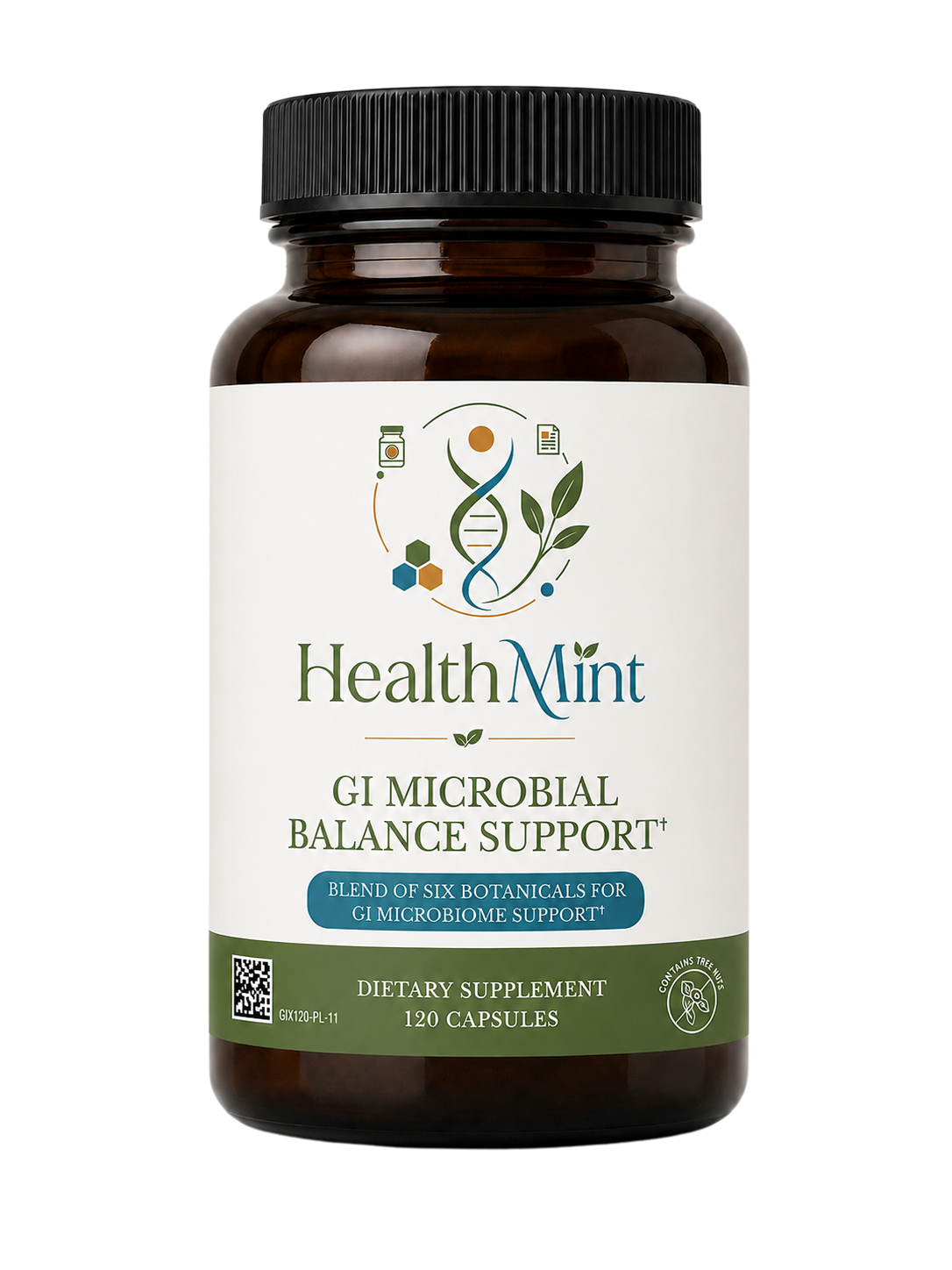
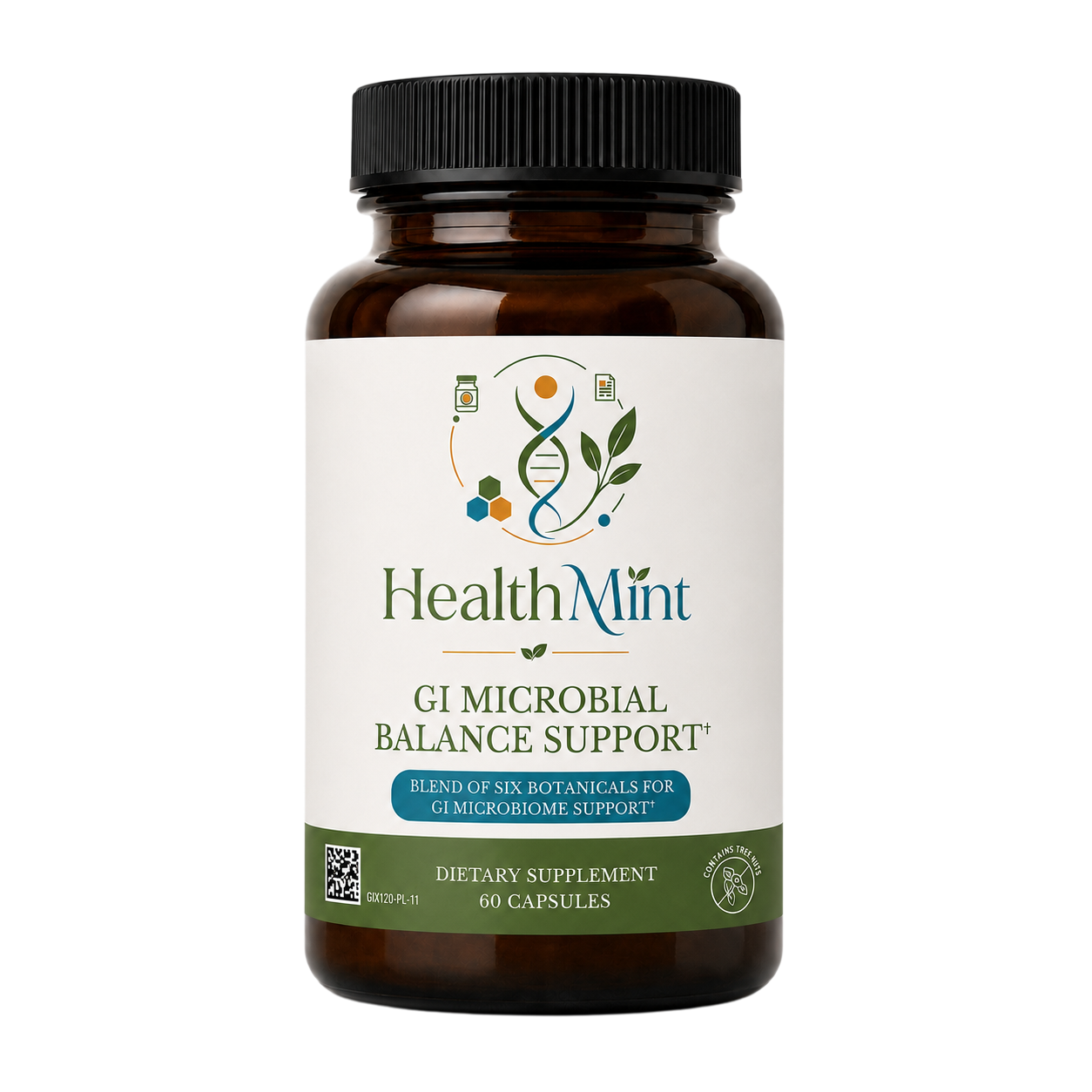
GI Microbial Balance Support is a thoughtfully crafted blend of botanical extracts drawn from traditions of herbal practice spanning centuries and cultures.* It brings together ingredients with long histories of traditional use in supporting gastrointestinal health, in a single once-daily capsule meant to be part of a comprehensive wellness routine.
Each capsule is designed to provide botanical support for a healthy gut environment and microbial balance, in a clean, considered formula made with non-GMO ingredients.*
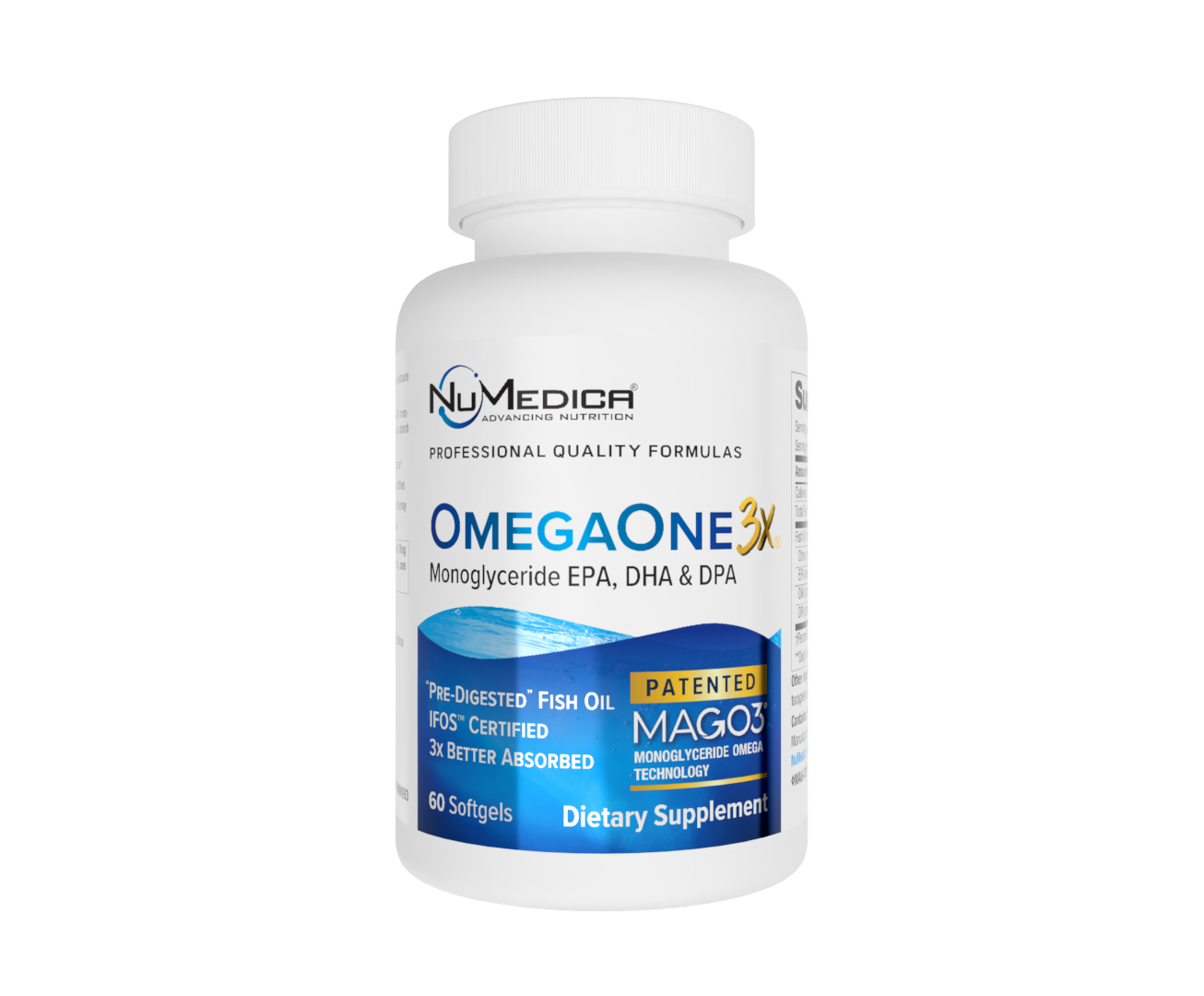
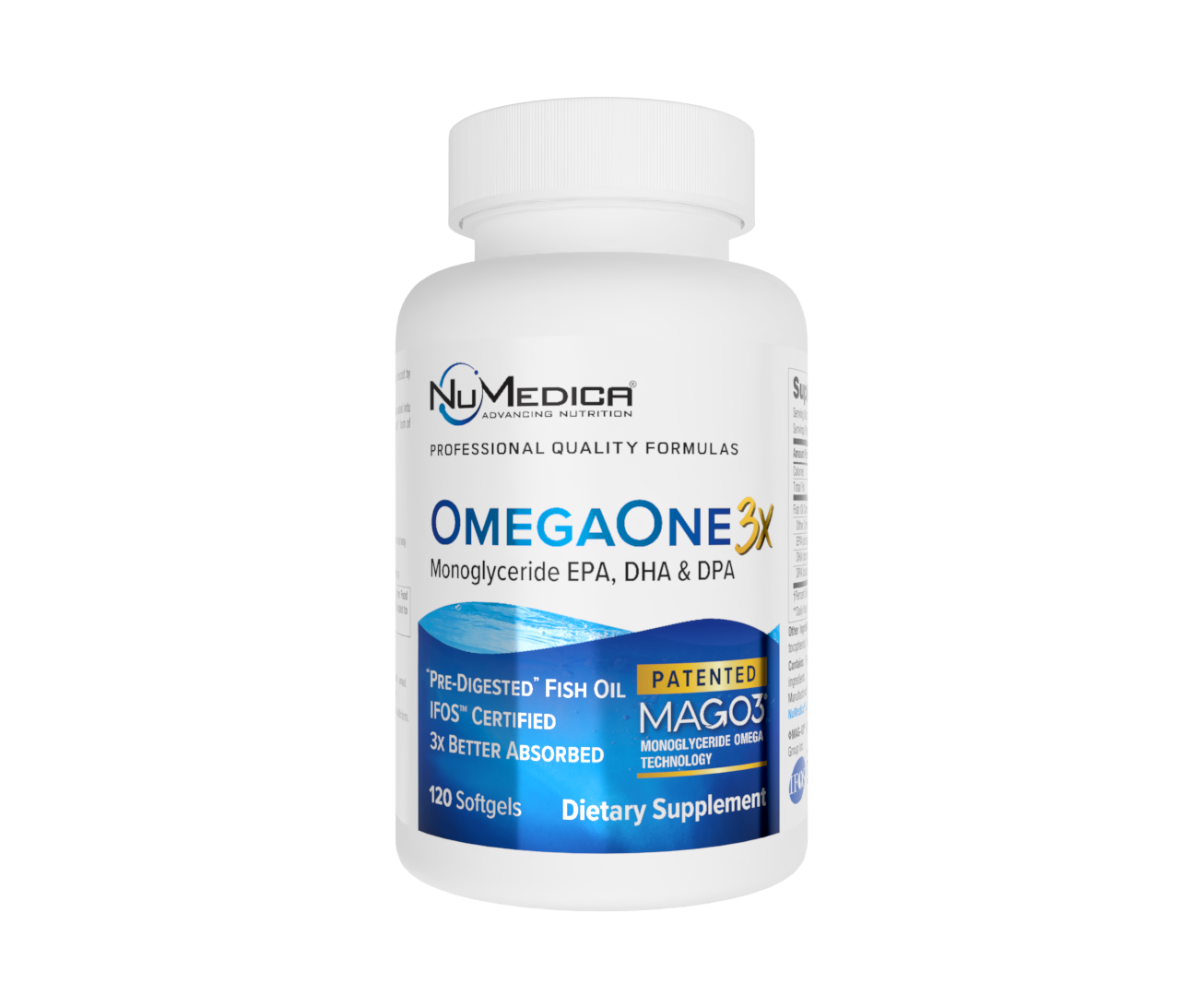
Omega-3 fatty acids are some of the most important nutrients you can add to your daily routine. They are foundational building blocks the body uses for cellular health, and most modern diets simply do not provide enough of them. The challenge with traditional fish oil supplements is that your body has to enzymatically break them down before it can absorb them, and that process is naturally less efficient as you age, when fat absorption slows, or simply when you do not take them with enough dietary fat.
OmegaOne 3x™ was built to solve that.
It delivers EPA, DHA, and DPA omega-3s in their most readily absorbable form: monoglycerides.* Using a patented enzymatic process called MAG-O3®, the oil is “pre-digested” before it ever reaches your bottle, creating a form of fish oil your body can absorb directly, without the additional digestive steps required by traditional fish oils. The result is up to three times better absorption of EPA and DHA compared to common ethyl ester (EE) fish oil forms.*
If you want a smarter, faster-absorbing approach to your daily omega-3, this is where it begins.
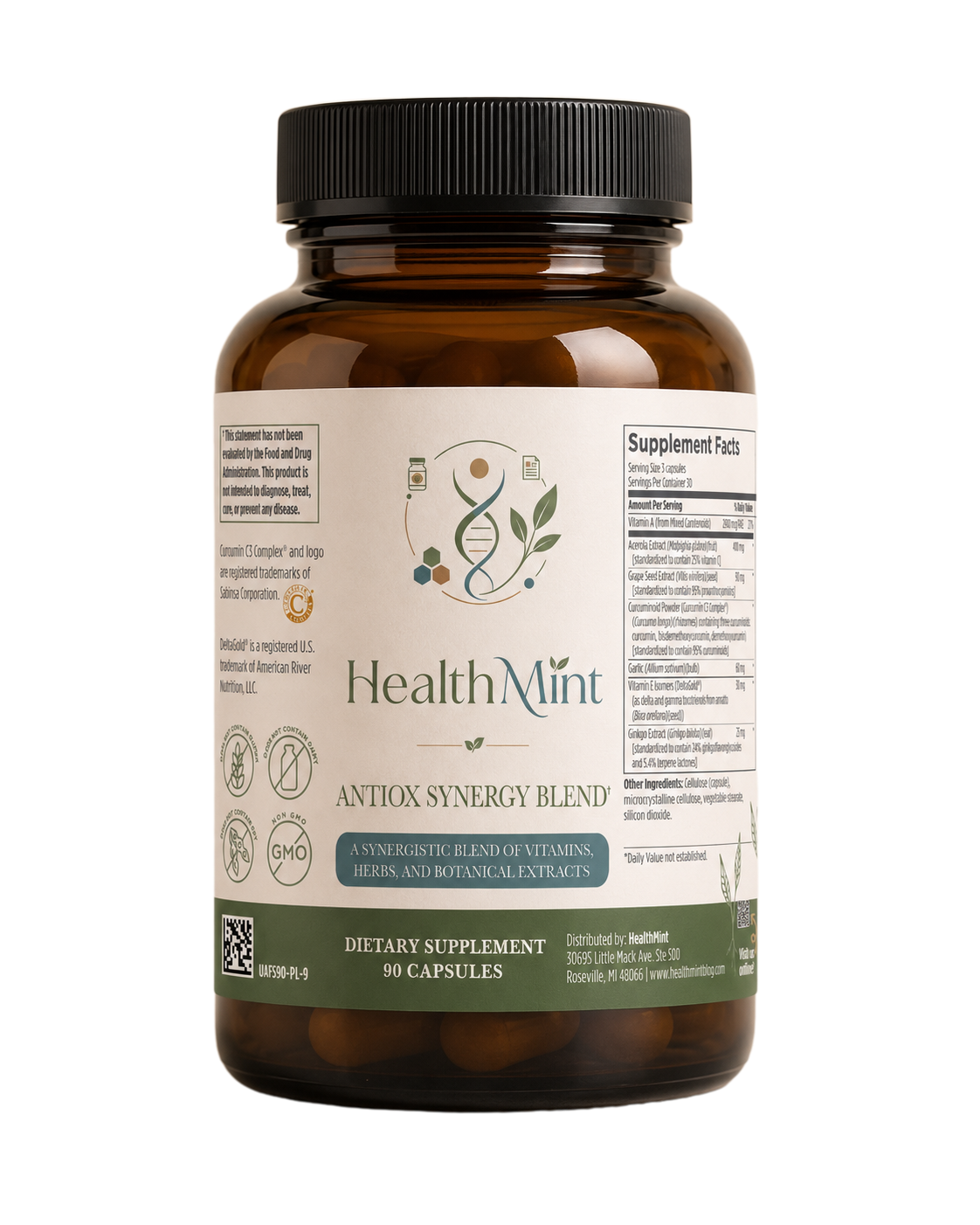
Every day, your body faces a quiet stream of free radicals. Stress, environmental exposures, sun, less-than-perfect meals, and the simple act of being alive all generate the oxidative pressure that, over time, can take a toll on how you look, feel, and function.* The good news is that your body has an entire defense system designed to handle it, and that system runs on antioxidants.
Antiox Synergy Blend was built to give that system a serious daily upgrade.
It is a comprehensive, broad-spectrum antioxidant formula that brings together more than fifteen carefully chosen vitamins, herbs, botanicals, and spices in a single supplement.* Inside every three-capsule serving is a thoughtful pairing of classic antioxidant vitamins like A, C, and E with modern polyphenol heroes like curcumin, resveratrol, quercetin, and rutin, plus a layered blend of culinary herbs and spices known for their rich antioxidant content.*
If you want a daily antioxidant strategy that goes beyond a basic multivitamin, this is where it lives.
