
Why Worrying About Sex Is the Fastest Way to Ruin It, and How to Break the Cycle Finally
The Thing Nobody Wants to Admit
Here’s a truth that rarely gets said out loud: some of the most common sexual problems have nothing to do with anatomy, hormones, or age. They have everything to do with what’s happening between your ears.
Sexual performance anxiety is quietly one of the most widespread and most fixable issues affecting intimate life today. It affects men and women alike. It shows up in both new and long-term relationships. It hits people in their twenties just as often as it hits people in their fifties. And yet, most people suffer through it in silence, assuming something must be fundamentally broken about them.
Nothing is broken. But the way your brain and body respond to worry is working against you, and once you understand why, the path forward becomes much clearer.
Why This Actually Matters (More Than Most People Realize)
Sexual anxiety isn’t just an inconvenience. Left unaddressed, it quietly expands its territory.
What starts as one uncomfortable experience can snowball into avoidance of intimacy altogether. Partners may misread the withdrawal as disinterest or rejection. Relationships strain. Self-esteem erodes. And the more pressure someone puts on themselves to “perform,” the worse the very thing they’re worried about tends to become.
Studies suggest that sexual dysfunction linked to psychological causes, including anxiety, affects anywhere from 10 to 40 percent of men and up to 50 percent of women at some point in their lives. Yet it remains one of the least-discussed health concerns in clinical settings, largely because people are too embarrassed to bring it up.
This matters because the cycle is entirely breakable, but only once you stop treating it as a mystery and start treating it as a biology problem with a behavioral solution.
Your Brain Doesn’t Know the Difference Between a Tiger and an Awkward Tuesday Night
Here’s where the science gets genuinely fascinating.
Sexual arousal and anxiety are physiologically incompatible. They are governed by opposing branches of the same nervous system, the autonomic nervous system, which operates like a two-position switch.
The parasympathetic branch (rest and digest, also sometimes called “rest and connect”) governs sexual arousal, genital blood flow, lubrication, and erection. It is the physiology of safety, presence, and pleasure.
The sympathetic branch (fight-or-flight) governs the stress response: elevated heart rate, constricted blood vessels, adrenaline release, and heightened alertness. It is the physiology of threat response.
Here is the critical point: you cannot be in both states at once. When the sympathetic system is activated, whether you are facing genuine danger or just thinking anxious thoughts, it actively suppresses the parasympathetic system. Blood is redirected away from the genitals toward large muscle groups. Cortisol and adrenaline flood the bloodstream. The body prepares to fight or flee, not to feel pleasure.
Your brain, neurologically speaking, does not distinguish between a predator and a panicked thought like “What if I can’t perform tonight?” The physiological response is the same.
The Loop That Makes It Worse
Here is where performance anxiety becomes its own self-fulfilling prophecy:
A person has one difficult sexual experience (possibly for completely unrelated reasons: stress, fatigue, alcohol, or distraction).
They worry it will happen again.
The worry activates the sympathetic nervous system.
The body’s physical arousal response is dampened.
The difficult experience happens again, now seemingly confirmed.
The anxiety intensifies. The loop tightens.
This is known in psychology as spectatoring, a term coined by pioneering sex researchers Masters and Johnson to describe the experience of mentally stepping outside of your own body during sex to observe and evaluate your performance. Instead of being present and in the experience, you become an anxious critic watching from the ceiling. It is extraordinarily effective at ensuring the very outcome you fear.
The Cortisol-Hormone Connection
There is also a longer-arc hormonal element worth understanding. Chronic stress elevates cortisol, the body’s primary stress hormone, which directly suppresses testosterone production in both men and women. Testosterone is central to libido, arousal, and sexual confidence across sexes. Elevated cortisol also disrupts estrogen balance in women, contributing to reduced lubrication and diminished desire.
In short, ongoing worry doesn’t just ruin sex in the moment. It can gradually erode the hormonal foundation of sexual interest altogether.
Actually Fixing It: Where to Start
The good news is that because performance anxiety is a learned pattern, it is also an unlearnable one. The nervous system is plastic. The loop can be interrupted. Here are the interventions with the strongest evidence base.
Stop Trying to “Perform” (Literally)
One of the most powerful shifts you can make is to remove the goal of performance from sex entirely. This sounds counterintuitive, but it is the foundation of sensate focus therapy, developed by Masters and Johnson and still considered one of the most effective approaches for sexual anxiety.
The basic premise: take penetration, orgasm, and “finishing” off the table for a period of time. Instead, focus solely on the sensory experience of touch, both giving and receiving, without any expectation of where it leads. This interrupts the evaluative mindset and retrains the nervous system to associate physical intimacy with pleasure and safety rather than pressure and assessment.
Many couples who try this approach report that removing the goal paradoxically restores arousal far more reliably than trying harder ever did.
Talk About It Before You’re in the Moment
This is the conversation most people avoid having, and avoiding it makes the anxiety worse. Having an honest conversation with your partner outside of a sexual context removes the charged, in-the-moment pressure and replaces it with connection and understanding.
A partner who understands what’s happening is an ally. A partner who is guessing why things went sideways tends to reach their own conclusions, often less accurate and more hurtful than the truth.
Mindfulness Is Not a Buzzword Here. It’s Neuroscience.
Mindfulness-based approaches have a robust evidence base for sexual dysfunction and anxiety specifically. A 2019 review published in Sexual Medicine Reviews found that mindfulness interventions significantly improved sexual desire, arousal, and satisfaction in women with sexual dysfunction. Similar effects have been found in men.
What mindfulness does, neurologically, is shift activation from the amygdala (threat center) to the prefrontal cortex (present-moment awareness). It quite literally helps move you out of the anxious spectator role and back into your body.
This doesn’t require a meditation retreat. Even five minutes of focused breathing before intimacy, paying attention to physical sensation rather than anticipated outcomes, can meaningfully shift the nervous system toward parasympathetic dominance.
Reframe the Narrative
Cognitive behavioral therapy (CBT) principles are worth applying directly here. The story you tell yourself about sex and your sexual self matters enormously. Common distorted beliefs include:
“One bad experience means I have a real problem.”
“My partner will leave me if this keeps happening.”
“My worth as a partner depends on my performance.”
Gently and repeatedly challenging these narratives, asking what evidence actually supports them and what evidence contradicts them, loosens their grip over time. Working with a therapist who specializes in sexual health can accelerate this significantly.
The Foundation Matters: How You Live Day-to-Day Shapes What Happens in the Bedroom
Sexual health is downstream of overall physiological health. The following lifestyle factors have direct, well-documented effects on sexual function and the anxiety cycle.
Sleep Like Your Sex Life Depends on It (It Does)
Sleep deprivation elevates cortisol, tanks testosterone, impairs emotional regulation, and degrades the very cognitive resources needed to manage anxious thought patterns. A single week of sleeping five hours a night has been shown in research to reduce testosterone levels in young men by 10 to 15 percent. Prioritizing seven to nine hours of quality sleep is one of the highest-leverage things you can do for both hormonal health and anxiety management.
Move Your Body to Regulate Your Nervous System
Regular aerobic exercise is one of the most reliably effective interventions for anxiety of any kind. It reduces baseline cortisol levels, increases endorphins, improves body image and confidence, and enhances cardiovascular health, all of which translate directly into better sexual function. Even thirty minutes of moderate-intensity exercise most days produces measurable effects on mood, stress resilience, and testosterone levels.
Resistance training, specifically, supports healthy testosterone levels in both men and women.
Alcohol: The Short-Term Invitation, the Long-Term Saboteur
Many people use alcohol to ease sexual anxiety. In small amounts, it may acutely reduce inhibition. But alcohol is a depressant that directly impairs sexual arousal response, erection quality, and orgasmic function, a phenomenon so well-recognized it was immortalized by Shakespeare, who noted that drink “provokes the desire but takes away the performance.” Chronic and heavy use compounds this significantly, disrupting testosterone, dopamine signaling, and nervous system regulation.
Breathe Deliberately
Slow, diaphragmatic breathing is one of the fastest ways to shift the nervous system from sympathetic to parasympathetic dominance manually. The physiological sigh, a double inhale through the nose followed by a long, slow exhale through the mouth, has been shown to reduce heart rate and anxiety within seconds. Practicing this before and during intimacy is a simple, evidence-backed tool that is entirely free.
Address Chronic Stress at Its Source
If professional stress, financial pressure, relationship conflict, or unresolved personal issues are contributing to a chronically elevated cortisol load, the bedroom is where you will feel it, even if the connection is not immediately obvious. Sustainable stress management isn’t optional if sexual health matters to you. Therapy, journaling, time in nature, social connection, and workload boundaries all have genuine physiological effects.
When Nutritional Support Makes Sense
While lifestyle changes are the foundation, targeted nutritional and botanical support can play a meaningful role in addressing some of the physiological underpinnings of performance anxiety, particularly chronic stress, cortisol dysregulation, and hormonal imbalance.
A few areas of evidence worth knowing about:
Adaptogenic herbs, including ashwagandha (KSM-66 and Sensoril are well-researched standardized forms) and rhodiola rosea, have demonstrated the ability to reduce cortisol levels, improve the body’s resilience to stress, support healthy testosterone levels, and reduce subjective feelings of anxiety. Ashwagandha in particular has been studied specifically in the context of sexual function, with clinical trials showing improvements in sexual desire, arousal, and satisfaction in both men and women.
Magnesium plays a central role in nervous system function and is among the most common nutritional deficiencies in the modern diet. Low magnesium is associated with elevated anxiety, poor sleep quality, and increased cortisol reactivity. Highly bioavailable forms, including magnesium glycinate and magnesium threonate, are worth considering for individuals with stress-dominant presentations.
L-theanine, an amino acid found in green tea, promotes calm alertness without sedation by increasing alpha brain wave activity and modulating GABA, dopamine, and serotonin pathways. It can be particularly useful for situational anxiety.
Zinc is essential for testosterone synthesis. Suboptimal zinc status is surprisingly prevalent and correlates with reduced libido and hormonal irregularities in both sexes.
L-arginine and L-citrulline support nitric oxide production, which governs vasodilation and genital blood flow, the physiological mechanism underlying arousal in both men and women. L-citrulline is generally better absorbed and more reliably converted to arginine in the body.
Maca root has a reasonable evidence base for supporting libido, sexual desire, and energy, with effects that appear independent of direct hormonal action.
B-complex vitamins, particularly B5 (pantothenic acid), B6, and B12, support adrenal function, neurotransmitter synthesis, and the methylation processes that regulate mood and stress hormones.
As always, supplementation works best as part of a comprehensive approach rather than as a standalone fix. A qualified healthcare provider can help assess individual needs and identify the most appropriate forms and dosages.
The Short Version, If You Scrolled Here First
Sexual performance anxiety is extraordinarily common, often self-reinforcing, and genuinely reversible. The mechanism is biological: worry activates the stress response, which physiologically suppresses arousal, and that suppression in turn generates more worry, deepening the loop.
Breaking the cycle requires working on multiple levels simultaneously: understanding the neuroscience so you stop pathologizing a normal physiological process; interrupting the performance mindset through approaches like sensate focus and mindfulness; strengthening your physiological stress resilience through sleep, exercise, and stress management; addressing nutritional gaps that drive cortisol dysregulation and hormonal imbalance; and, when needed, working with a trained therapist who specializes in sexual health.
The destination isn’t a “perfect” sexual performance. It’s a nervous system that feels safe enough to let pleasure happen.
That is entirely achievable.
References
Masters WH, Johnson VE. Human Sexual Inadequacy. Little, Brown and Company; 1970.
Barlow DH. Causes of sexual dysfunction: the role of anxiety and cognitive interference. J Consult Clin Psychol. 1986;54(2):140–148.
Brotto LA, Basson R. Group mindfulness-based therapy significantly improves sexual desire in women. Behav Res Ther. 2014;57:43–54.
Leproult R, Van Cauter E. Effect of 1 week of sleep restriction on testosterone levels in young healthy men. JAMA. 2011;305(21):2173–2174.
Lopresti AL, Drummond PD, Smith SJ. A randomized, double-blind, placebo-controlled, crossover study examining the hormonal and vitality effects of ashwagandha in aging men. Am J Mens Health. 2019;13(2).
Dongre S, Langade D, Bhattacharyya S. Efficacy and safety of ashwagandha root extract in improving sexual function in women. Biomed Res Int. 2015;2015:284154.
Boyle NB, Lawton C, Dye L. The effects of magnesium supplementation on subjective anxiety and stress. Nutrients. 2017;9(5):429.
Gonzales GF. Ethnobiology and ethnopharmacology of Lepidium meyenii (maca), a plant from the Peruvian Highlands. Evid Based Complement Alternat Med. 2012;2012:193496.
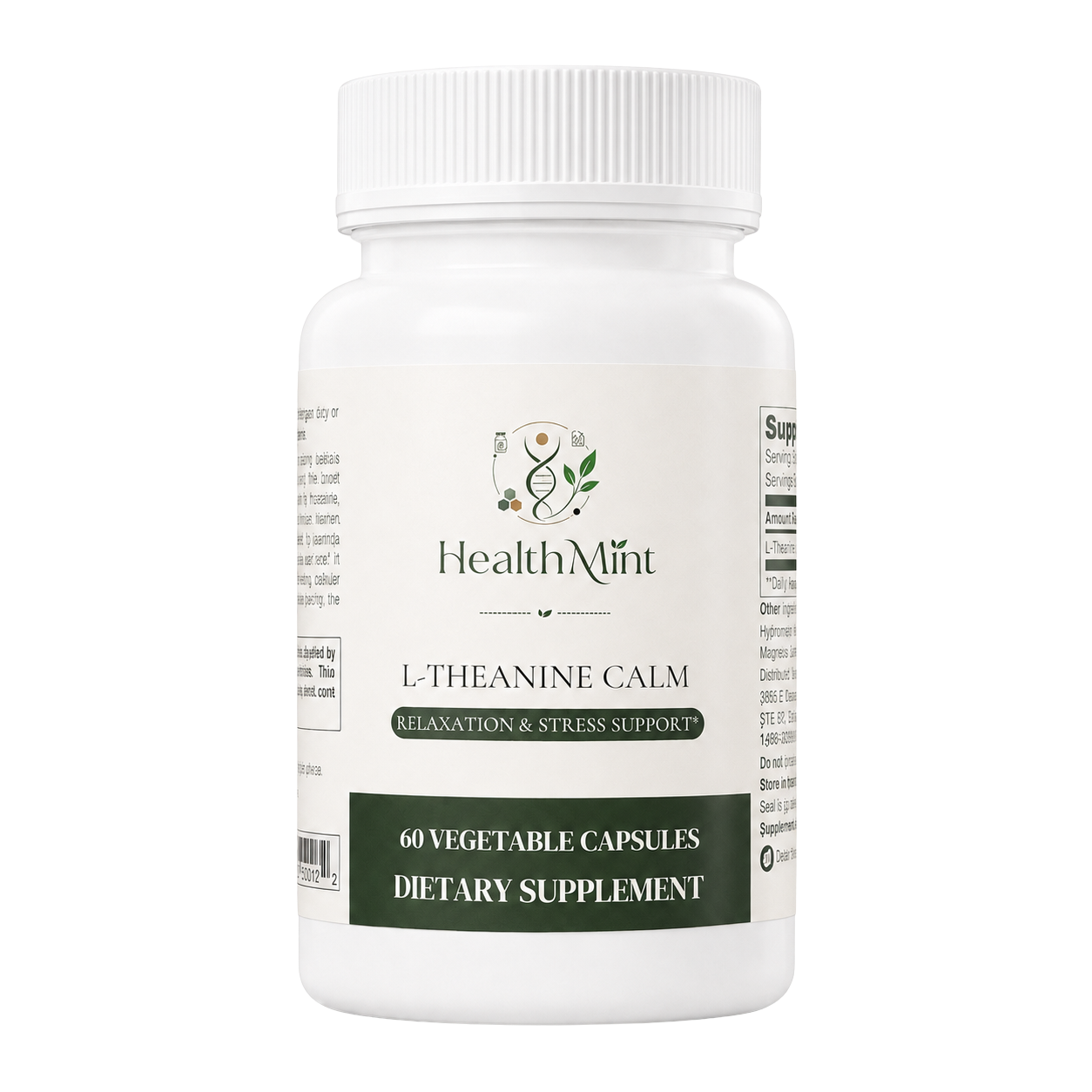
L-Theanine Calm is a naturally occurring, unique amino acid found in green tea leaves. Our L-Theanine is Suntheanine® – the most respected source which has been used in scientific studies. L-Theanine Calm may promote a sense of relaxation without causing drowsiness and may be useful in reducing the negative side effects of caffeine.* It has been found to promote healthy cellular function and reduce feelings of stress and anxiety.*
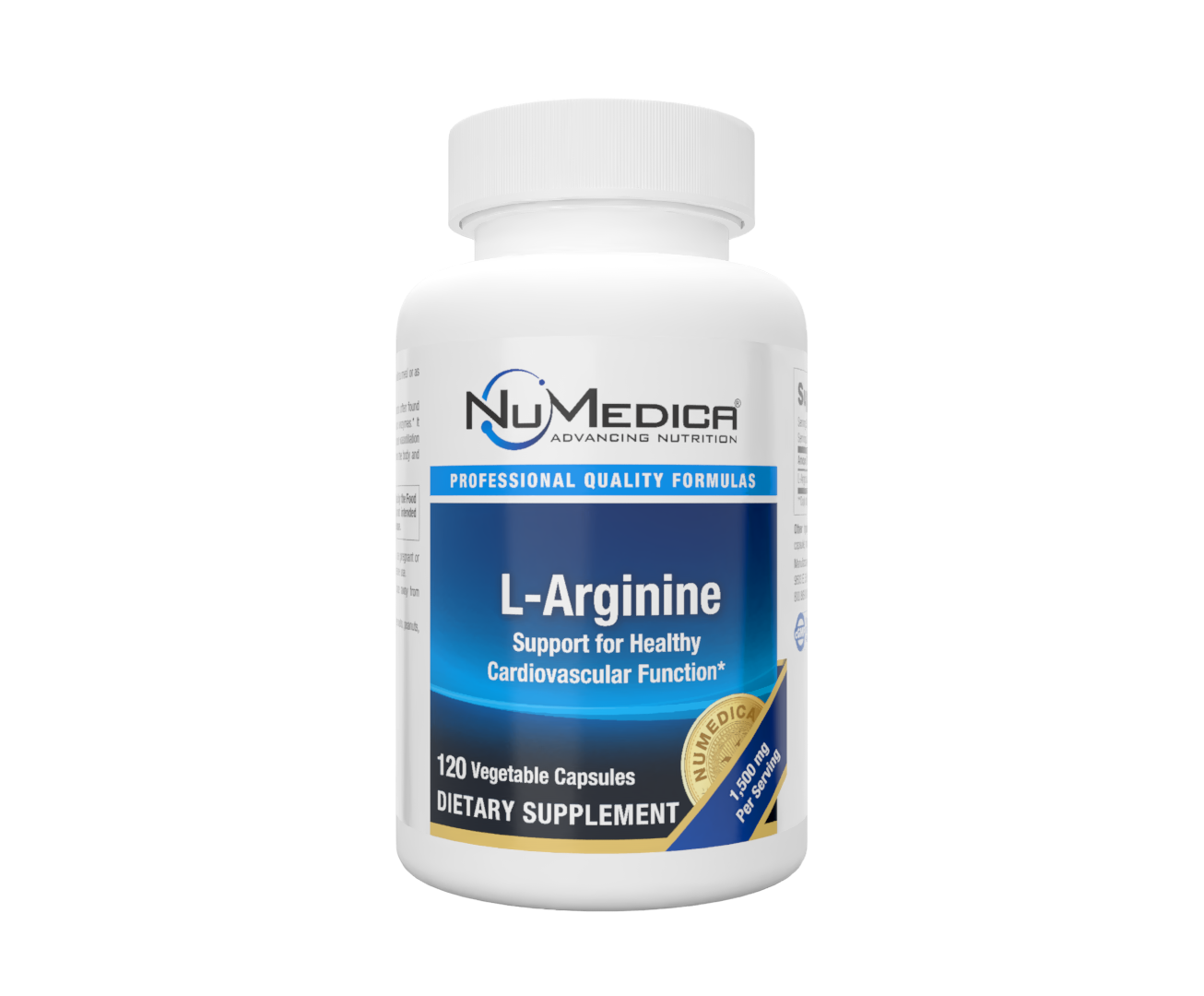
L-Arginine is a semi-essential amino acid that is often found at the active (or catalytic) site in proteins and enzymes.* It plays several roles in the body which may include vasodilation, cell division, removal of ammonia from the body and the secretion of important hormones.*
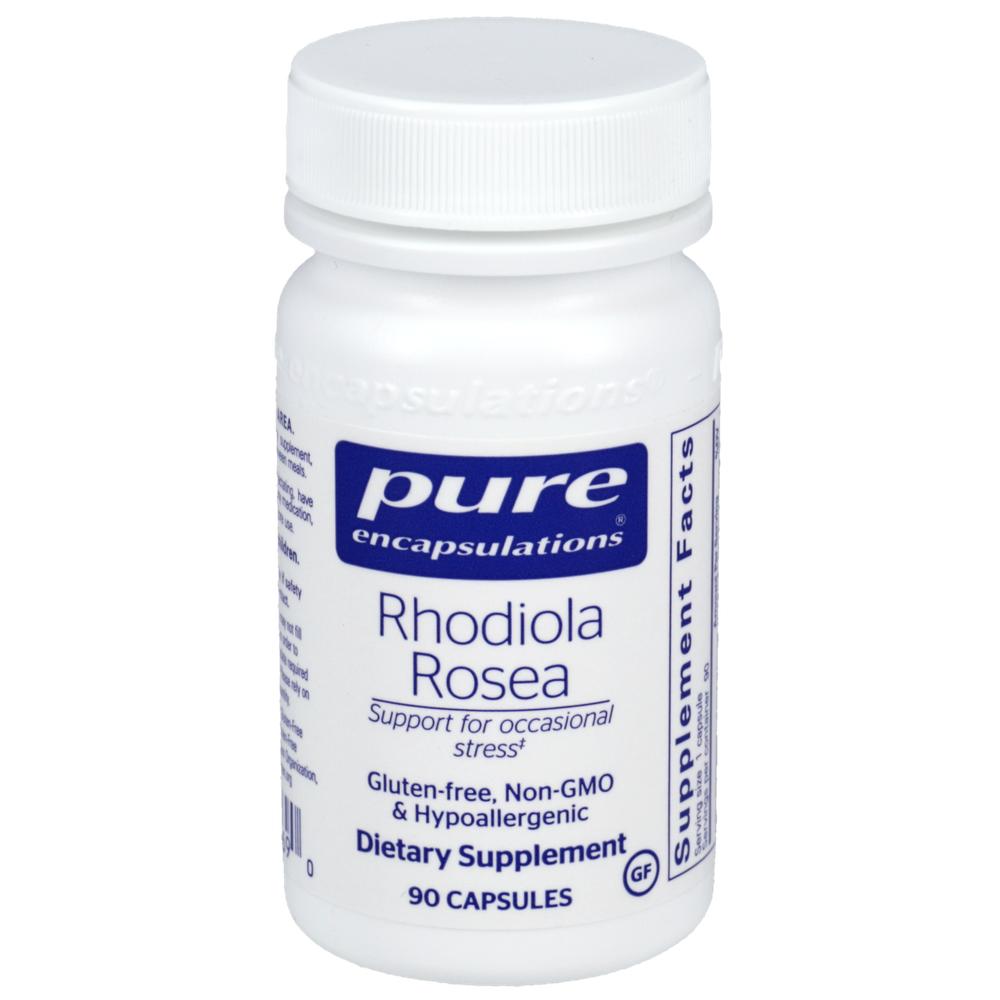
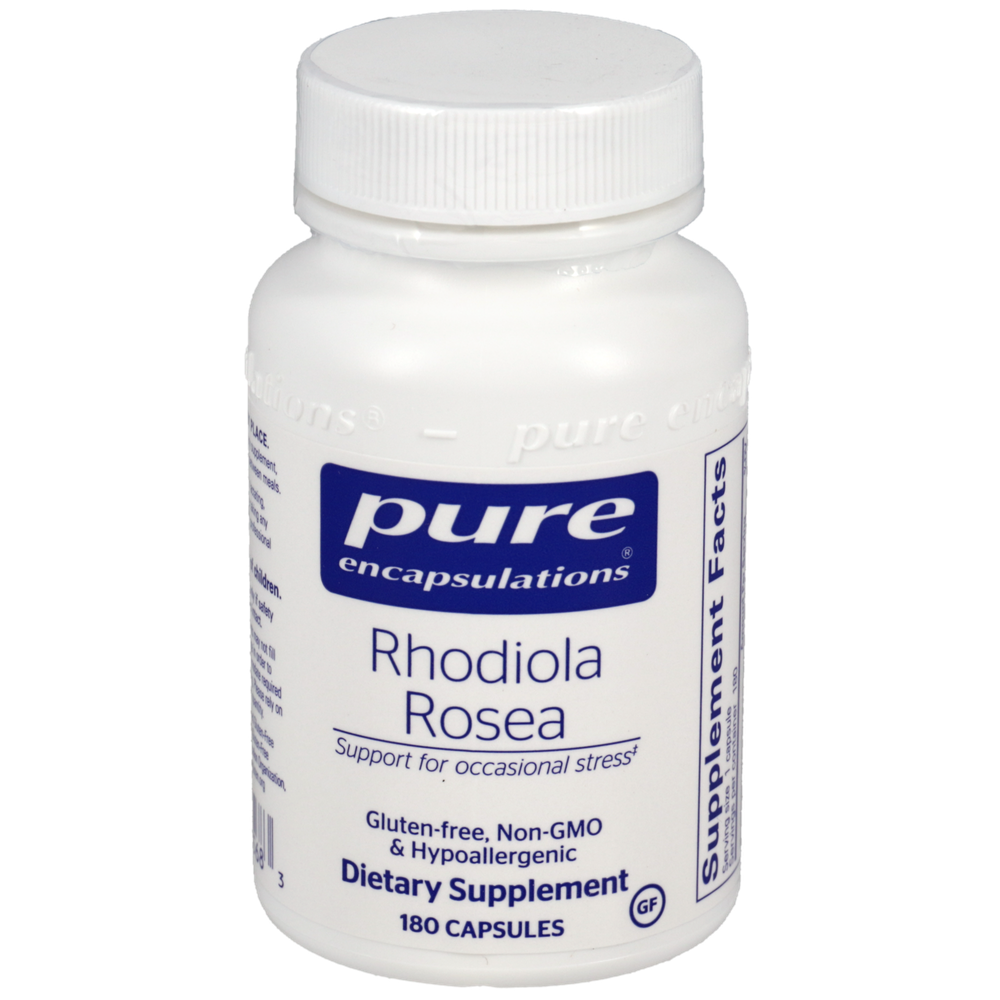
Modern life rarely slows down. Whether it’s a demanding workday, a tough training week, or the steady hum of everyday pressure, your body and mind are constantly asked to keep up. For centuries, people across northern Europe and Siberia have turned to a remarkable mountain plant to help meet those demands: Rhodiola rosea, traditionally known as Golden root.
Rhodiola Stress Support brings that time-honored adaptogen to you in a clean, focused, daily capsule.
It is a single-ingredient formula featuring Rhodiola rosea root extract, thoughtfully standardized to deliver consistent levels of its key naturally occurring compounds, the rosavins and salidrosides.* Rhodiola is a classic adaptogen, a category of botanicals that have traditionally been used to help the body adapt to the everyday demands of stress and exertion.*
If you want a clean, well-studied, single-ingredient option to support your body’s healthy response to occasional stress, this is where it begins.
