
Nobody warns you about this part.
The surgery went well. The diagnosis is managed. The rehab is progressing. You’re doing everything right, and then, somewhere in the middle of all that brave, exhausting work of healing, you realize that something else has quietly shifted. Something that doesn’t show up on any discharge paperwork or follow-up checklist.
Your intimate life.
Maybe desire has gone quiet in a way that feels foreign. Maybe your body, the one you thought you knew, now has new rules, new limits, and new sensations you don’t quite recognize. Maybe you feel physically or emotionally disconnected from yourself, or from your partner, and you’re not entirely sure which came first.
Here’s what I want you to know before we go any further: you are not broken. You are not alone. And this conversation? It’s long overdue.
Why This Matters More Than Most People Admit
Sexuality is often one of the last things people feel comfortable bringing up with their healthcare team, and ironically, it’s one of the first things affected by a major health event. Research consistently shows that sexual health and quality of life are deeply intertwined. Yet the topic is minimized, skipped over, or left entirely to the patient to figure out on their own.
The consequences of that silence are real. Unaddressed sexual concerns after illness or injury are linked to relationship strain, depression, reduced motivation to engage in recovery, and a diminished sense of self. When people feel whole, intimate, and embodied, they tend to heal better, relate better, and live better.
Sexual health is not a luxury. It is a legitimate, evidence-supported dimension of overall health, recognized as such by the World Health Organization and virtually every major medical body. Treating it as optional isn’t conservative medicine; it’s incomplete medicine.
So let’s fill in the gaps.
What’s Actually Happening in Your Body (and Brain)
To understand why intimacy shifts after a health event, it helps to understand what sexuality actually requires, because it requires a lot.
Sexual desire, arousal, and function depend on a remarkably coordinated system involving hormones, the nervous system, blood flow, the brain’s reward circuitry, emotional safety, and body image, all working in concert. Disrupt any one of those threads, and the whole experience changes.
Hormonal disruption is almost universal after major illness, surgery, or injury. Cortisol, the primary stress hormone, rises significantly during and after medical events. Chronically elevated cortisol levels directly suppress the production of sex hormones, including testosterone in both men and women, and estrogen in women. Lower testosterone translates to reduced libido. Lower estrogen can mean vaginal dryness, reduced sensitivity, and discomfort during intercourse. Many people notice these changes without knowing why.
The nervous system plays an equally significant role. Arousal depends on the parasympathetic nervous system, the “rest and digest” branch, while anxiety and stress activate the sympathetic “fight or flight” branch. After a health crisis, the nervous system often stays in a heightened state of vigilance for much longer than people expect. You might feel intellectually safe while your body remains on alert, making it genuinely hard to relax into desire. This isn’t a mindset problem. It’s physiology.
Medications are a significant and underappreciated factor. Some of the most commonly prescribed drugs after surgery or illness, including certain antidepressants, beta-blockers, opioid pain medications, anticonvulsants, and hormonal therapies, list reduced libido, delayed orgasm, or erectile dysfunction among their effects. If your intimate life changed around the same time as a new prescription, that’s not a coincidence worth ignoring.
Pain and fatigue reshape desire at the most basic level. When the body is directing its energy toward healing, it naturally deprioritizes reproduction. This isn’t a personal failing; it’s an ancient biological signal that says “not right now.” The trouble is that healing can take months or years, and that signal can quietly become a new normal if nothing intervenes.
Body image carries enormous weight. A scar, a stoma, an amputation, hair loss, weight changes, or simply a body that looks or functions differently than it used to can profoundly affect how safe, desirable, or “allowed” someone feels in an intimate context. The brain’s capacity to feel aroused is deeply connected to feeling comfortable in your own skin.
The Part Nobody Puts in the Discharge Instructions
Here are some of the most practically useful things you can do, starting today, to begin rebuilding your intimate life after a health event.
Start with curiosity, not expectation. One of the biggest obstacles to sexual recovery is measuring every experience against how things used to be. Your body has changed. Your intimate life can change too, and “different” doesn’t have to mean “worse.” Many people report that navigating intimacy after illness ultimately led to a deeper, more honest, and more intentional relationship with both themselves and their partners.
Talk to your doctor, yes, specifically about this. It feels awkward. Do it anyway. Ask directly: “Is there anything about my current medications, physical condition, or recovery timeline that might be affecting my sexual function?” A good clinician will engage with this question. If yours doesn’t, you can request a referral to a pelvic floor physiotherapist, a sexual medicine specialist, or an endocrinologist, depending on what seems most relevant to your situation.
Communicate with your partner early and often. Partners frequently worry about causing harm and often pull back from physical contact entirely to be safe, which can inadvertently make the person recovering feel undesirable rather than protected. A simple conversation can dissolve months of silent distance. You don’t need to have all the answers; open the door.
Redefine what intimacy means for now. Sex is not a single act. Intimacy is a spectrum that includes touch, closeness, playfulness, verbal connection, and presence. Temporarily expanding your definition of intimacy takes enormous pressure off both partners and often organically leads back toward more physical connection when the body is ready.
Work with your energy levels, not against them. Fatigue is one of the most common complaints during recovery, and timing matters. Many people find that morning, when cortisol is naturally lower and the body has just rested, is a better window than the end of an exhausting day.
Explore comfortable positioning. Pain shouldn’t be a companion to intimacy. After surgeries involving the abdomen, pelvis, hips, or back, certain positions that previously felt natural may now require adjustment. Pillows for support, different approaches, or simply slowing everything down can make a significant difference. A pelvic floor physiotherapist can offer specific guidance here and is a widely underutilized resource.
Address vaginal dryness directly. This is extremely common after hormonal treatments, surgeries, or simply the stress of illness, and it is highly treatable. Non-hormonal vaginal moisturizers used regularly, not just before sex, help maintain tissue health over time. Lubricants during sex make an immediate difference. If discomfort persists, localized estrogen therapy, which has minimal systemic absorption, is an option worth discussing with your physician.
For erectile concerns, have the conversation sooner rather than later. Erectile changes after pelvic surgery, cardiovascular events, diabetes progression, or certain medications are common, and there are multiple effective interventions available. The longer these concerns go unaddressed, the more likely psychological anxiety layers on top of physical causes. Early conversations with a urologist or sexual medicine physician lead to better outcomes.
The Daily Habits That Do More Than You’d Think
Recovery from illness or surgery is a full-body project, and the lifestyle foundations that support healing also directly support sexual health. These aren’t generic wellness tips; they are evidence-backed inputs that influence hormone production, nervous system regulation, tissue health, and emotional well-being.
Prioritize sleep with the same seriousness as any prescription. During sleep, the body secretes growth hormone, repairs tissue, regulates cortisol, and normalizes testosterone and estrogen production. Poor sleep after a health event is extremely common and dramatically worsens fatigue, mood, and libido. If sleep is broken or non-restorative, this deserves real attention, not just acceptance.
Move your body gently and consistently. Even modest exercise has a measurable positive effect on testosterone levels, nitric oxide production (which is important for genital blood flow and arousal), mood, and body image. This doesn’t mean strenuous workouts; it means whatever gentle, consistent movement your recovery allows. A daily walk is not a consolation prize. It is legitimate medicine.
Eat to support hormone production. Hormones are largely made from fats and micronutrients. Diets extremely low in fat can suppress sex hormone production. Nutrient density matters, particularly adequate zinc (critical for testosterone), magnesium (involved in hundreds of hormonal processes), B vitamins (for energy and nervous system function), and omega-3 fatty acids (for inflammation regulation and cell membrane health).
Manage stress as an active practice, not an afterthought. Chronic stress after a major health event is nearly universal, and its hormonal effects on libido are direct and measurable. Diaphragmatic breathing, even practiced for five minutes daily, activates the parasympathetic nervous system. This isn’t soft advice; it’s a physiological tool.
Alcohol warrants a second look. Moderate alcohol may reduce inhibition in the short term, but it reliably suppresses testosterone, impairs arousal physiology, and fragments sleep quality. During recovery in particular, the cost-benefit calculation often shifts considerably.
Address mental health directly. Depression is one of the most potent suppressors of libido that exists, and it is also one of the most common consequences of major illness, surgery, and injury. If you are experiencing persistent low mood, loss of interest, or anxiety, treating those is not separate from addressing your intimate life. They are the same project.
Supplement Considerations Worth Knowing About
Nutritional gaps during illness and recovery are common, and certain well-researched compounds can support the hormonal, circulatory, and nervous system foundations of sexual health. Targeted supplementation, under informed guidance, can be a useful adjunct to the broader recovery picture.
High-quality, practitioner-grade supplement lines offer formulations specifically designed to support hormonal balance, adrenal health, nitric oxide production, and stress resilience, all areas directly relevant to intimate wellness after a health event. Ask us about the options available through our dispensary.
Bringing It All Together
There is no timeline for this. No milestone at which your intimate life “should” have returned to normal. Healing is not linear, and neither is desire.
What there is, however, is a pathway, one that involves understanding what’s actually happening in your body, communicating honestly with the people you’re close to, making practical adjustments without shame, and supporting your whole physiology with the same intentionality you’d bring to any other aspect of recovery.
Your body changed. That is true. But changed does not mean diminished. It does not mean closed. It does not mean that this chapter of your life, the warm, connected, embodied chapter, is behind you.
It might, in fact, be just getting started.
A Few Evidence-Based Resources to Explore Further
American Association of Sexuality Educators, Counselors, and Therapists (AASECT): for finding a certified sex therapist
The International Society for Sexual Medicine: patient resources on sexual function after illness and surgery
Pelvic Health and Rehabilitation Center resources: for pelvic floor physiotherapy guidance
Your prescribing physician: specifically ask about sexual side effects of current medications
*This article is for educational purposes and does not constitute medical advice. Please work with your healthcare team when making changes to your treatment or supplementation plan.
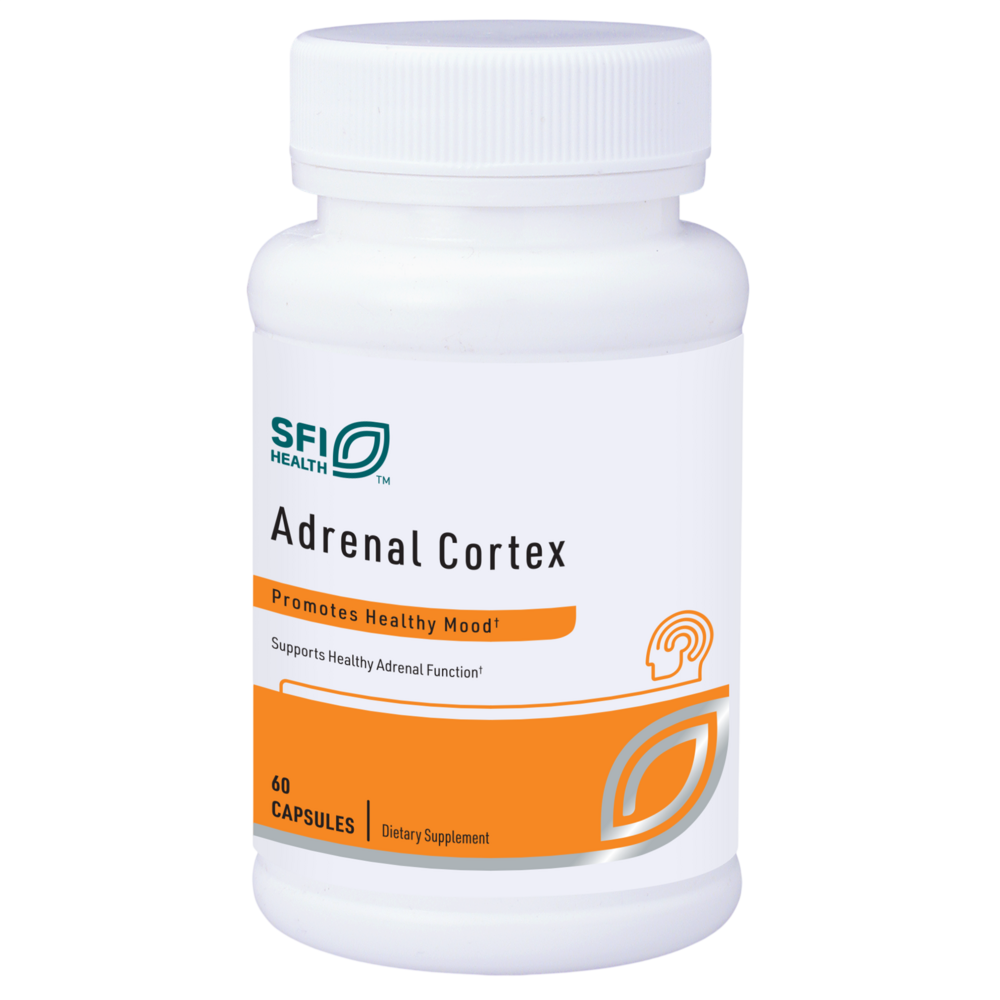
Glandular extracts have a long history in traditional and naturopathic wellness practice, where they have been used for generations as a way to provide nutritional support sourced from the same tissues found in the body. Adrenal cortex extracts, in particular, are one of the most established and recognized glandular options, traditionally used to support overall wellness.*
Adrenal Cortex Support brings that tradition to you in a clean, carefully sourced, once-daily capsule.
Each serving delivers 250 mg of bovine adrenal cortex extract, sourced from the outer cortex section of bovine adrenal gland from countries recognized as BSE-free.* The extract is lyophilized (freeze-dried), a process that preserves the biological activity of the source material without the use of high heat. The result is a premium, thoughtfully processed glandular extract, delivered in a simple vegetarian capsule with minimal other ingredients.
If you want a clean, well-sourced adrenal cortex glandular option, this is where it begins.
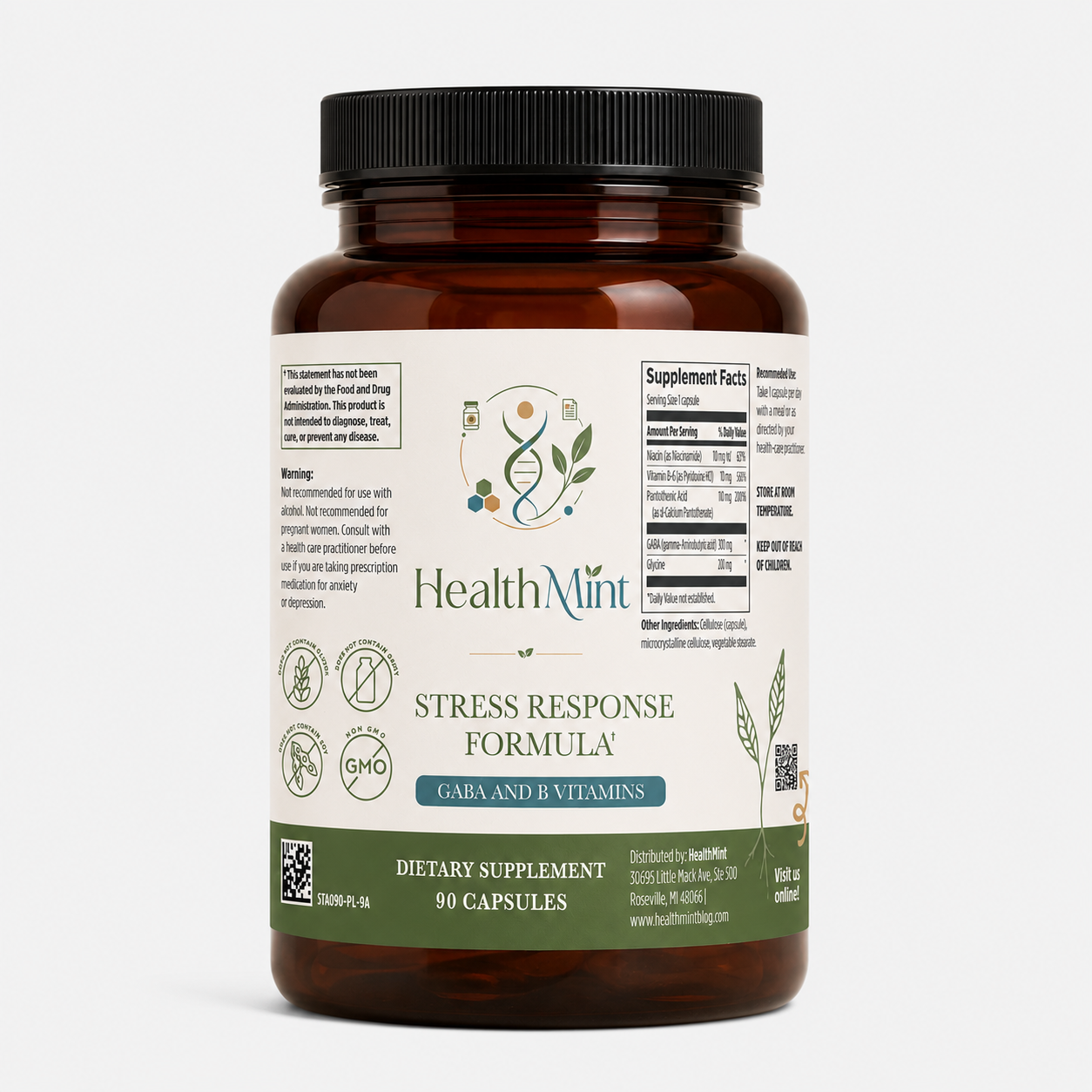
Modern life rarely slows down. Deadlines stack. Schedules tighten. The body’s stress response keeps running long after the moment has passed. Over time, that constant low-grade pressure can leave you feeling wired, drained, and disconnected from your own sense of calm.
The Stress Response Formula was built to help your body meet those demands with greater resilience.
It is a synergistic blend of GABA, glycine, and key B vitamins, thoughtfully formulated to support a healthy response to stress.* The B vitamins inside, including Niacin, Vitamin B6, and Pantothenic Acid, are essential cofactors for adrenal function, cellular energy production, and neurotransmitter synthesis, all of which can be taxed during periods of heightened stress.* GABA and glycine, two calming amino acids that act as inhibitory neurotransmitters, help support a sense of calm and relaxation when daily life feels anything but.*
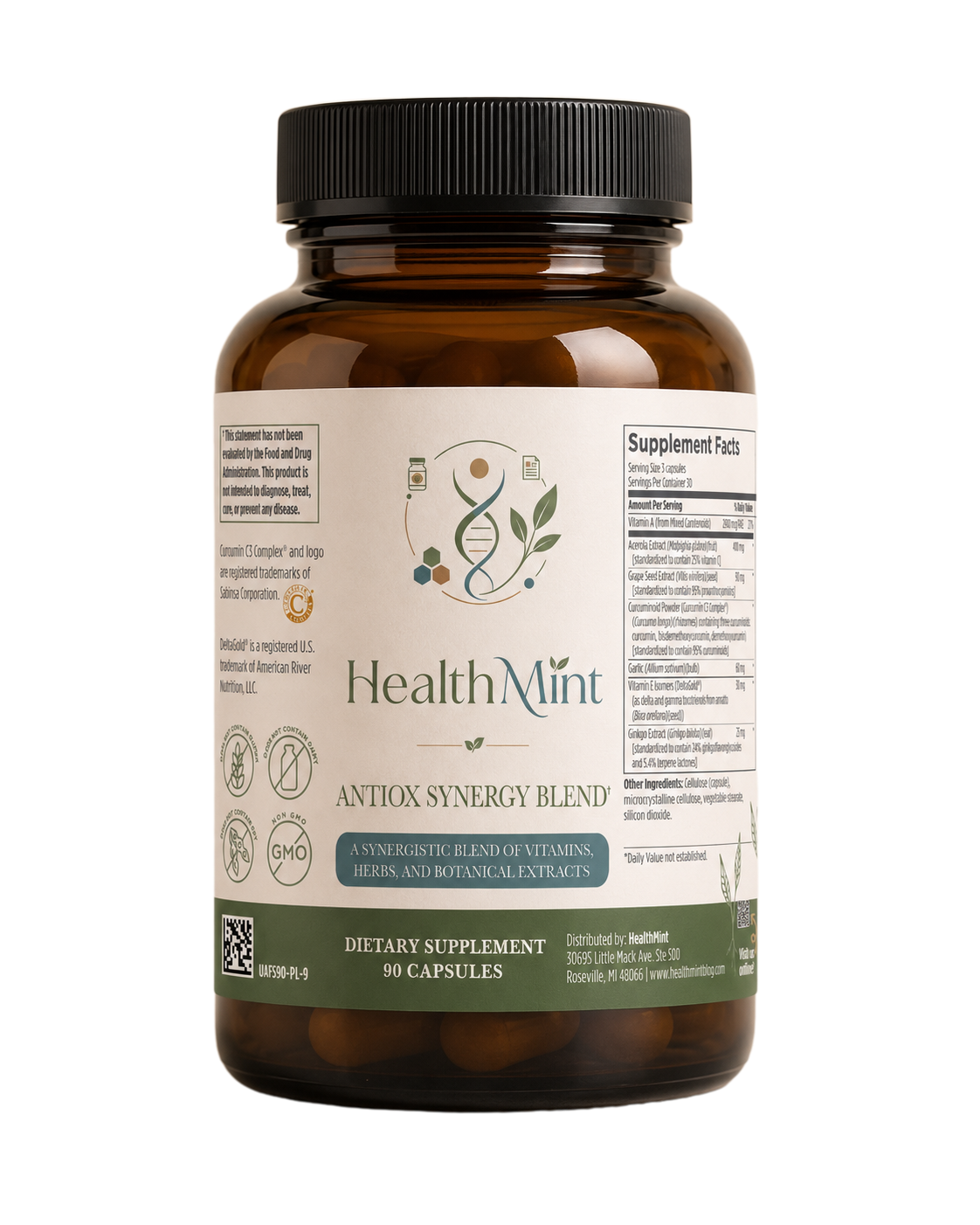
Every day, your body faces a quiet stream of free radicals. Stress, environmental exposures, sun, less-than-perfect meals, and the simple act of being alive all generate the oxidative pressure that, over time, can take a toll on how you look, feel, and function.* The good news is that your body has an entire defense system designed to handle it, and that system runs on antioxidants.
Antiox Synergy Blend was built to give that system a serious daily upgrade.
It is a comprehensive, broad-spectrum antioxidant formula that brings together more than fifteen carefully chosen vitamins, herbs, botanicals, and spices in a single supplement.* Inside every three-capsule serving is a thoughtful pairing of classic antioxidant vitamins like A, C, and E with modern polyphenol heroes like curcumin, resveratrol, quercetin, and rutin, plus a layered blend of culinary herbs and spices known for their rich antioxidant content.*
If you want a daily antioxidant strategy that goes beyond a basic multivitamin, this is where it lives.
