
Let’s Say What Most Doctors Don’t Have Time To
Erectile dysfunction is one of the most common health conditions affecting men, and one of the least talked about. Not because it’s rare, but because it sits at the awkward intersection of identity, pride, and vulnerability that most men would rather not visit.
Here’s the thing, though: erectile dysfunction (ED) is not a personal failing. It’s a physiological signal. In many cases, it’s actually one of the body’s early warning systems, a subtle (or not-so-subtle) nudge that something worth paying attention to is going on beneath the surface.
This article is for the man who’s noticed changes and isn’t sure what to make of them. It’s for the partner trying to understand. And it’s for anyone who wants straightforward, honest information without the clinical cold shoulder.
Let’s get into it.
Why This Matters Way Beyond the Bedroom
About half of men over 40 experience some degree of erectile dysfunction, and that number climbs steadily with age. By the time men reach their 70s, a majority will have dealt with it to some extent. Yet the conversation around ED is still largely missing from routine healthcare visits.
That silence has real consequences.
ED is increasingly understood not just as a sexual health issue, but as a cardiovascular health marker. The blood vessels that supply the penis are small, roughly 1 to 2 millimeters in diameter, and they are among the first to show signs of dysfunction when blood flow is compromised throughout the body. That means ED can show up 3 to 5 years before a man experiences a major cardiac event like a heart attack.
This isn’t meant to alarm anyone. It’s meant to reframe the issue. A man who addresses ED early, taking it seriously rather than hoping it resolves on its own, may be doing his heart a genuine favor.
What’s Actually Going On Physiologically
An erection is, at its core, a vascular event. When a man becomes sexually aroused, the nervous system triggers the release of nitric oxide in the blood vessels of the penis. Nitric oxide causes the smooth muscle in the arterial walls to relax, allowing blood to rush into two chambers called the corpora cavernosa, and the resulting pressure produces an erection.
For that sequence to work smoothly, several systems need to be functioning well.
The cardiovascular system has to deliver adequate blood flow. Atherosclerosis, the build-up of plaque in the arteries, restricts that flow and is one of the leading contributors to ED in older men.
The nervous system needs to transmit the right signals. Nerve damage from diabetes, pelvic surgery, or spinal injury can interrupt the pathway before it even gets started.
Hormones, particularly testosterone, play a supporting role. Testosterone doesn’t directly cause erections, but low levels can dampen libido, reduce morning erections, and affect the sensitivity of the whole system.
The endothelium, the thin layer of cells lining blood vessels, produces nitric oxide, and its health is central to the entire process. Anything that impairs endothelial function, including smoking, high blood sugar, chronic inflammation, and oxidative stress, directly undermines erectile function.
The mind has an enormous influence. The brain is the real seat of sexual arousal, and anxiety, depression, relationship stress, or a single bad experience can create a feedback loop that makes things worse. Performance anxiety is particularly insidious because the fear of dysfunction can become the very thing that causes it.
In practice, most men over 40 with ED have a mix of physical and psychological contributors at play.
The Usual Suspects: What’s Most Likely Behind It
Understanding the cause matters because the most effective path forward depends on what’s actually driving the problem.
Cardiovascular disease and hypertension are the most common physical culprits. Narrowed or stiffened arteries reduce the blood pressure needed to sustain an erection. High blood pressure itself damages blood vessels over time, and ironically, some medications used to treat it, particularly certain beta-blockers and diuretics, can also contribute to ED as a side effect.
Type 2 diabetes is one of the most potent risk factors for ED, both through nerve damage (diabetic neuropathy) and vascular damage. Men with diabetes are two to three times more likely to develop ED compared to men without it, and they tend to experience it a decade earlier.
Low testosterone, or more accurately, the gradual decline of testosterone that begins in a man’s 30s and 40s, affects libido more directly than erections themselves. However, when testosterone falls significantly below optimal levels, the whole sexual response system can become sluggish.
Obesity contributes on multiple fronts: it promotes inflammation, reduces testosterone (fat tissue converts testosterone to estrogen), worsens insulin resistance, and increases cardiovascular risk. There is a fairly direct dose-response relationship between waist circumference and ED severity.
Smoking is a significant and often underappreciated contributor. Nicotine and other compounds in cigarette smoke cause vasoconstriction (blood vessel narrowing), damage the endothelium, and accelerate atherosclerosis. Men who smoke are roughly 50% more likely to experience ED than non-smokers.
Sleep disorders, particularly obstructive sleep apnoea, disrupt the hormonal rhythm that sustains testosterone production overnight and contribute to systemic inflammation. ED and sleep apnoea frequently co-exist, and treating the sleep disorder often improves erectile function substantially.
Medications are a commonly overlooked cause. Antidepressants (especially SSRIs), antipsychotics, beta-blockers, certain antihistamines, and finasteride (used for hair loss and enlarged prostate) are among the medications most frequently associated with ED. This is worth a candid conversation with a prescribing doctor.
Psychological factors, including stress, anxiety, depression, relationship conflict, grief, and burnout, can cause or worsen ED entirely on their own, particularly in younger men. In this age group, it is also worth noting that heavy pornography use has been increasingly associated with difficulties in real-life sexual situations, though the research is still evolving.
First-Line Approaches That Actually Work
Before reaching for a prescription or supplement, many men should consider that the most powerful interventions are also the most foundational.
Exercise, particularly aerobic exercise, is the single most evidence-supported lifestyle intervention for ED. Multiple well-designed studies have shown that regular moderate-to-vigorous aerobic activity, such as brisk walking, cycling, jogging, or swimming, for at least 40 minutes four times per week, produces meaningful improvements in erectile function. The mechanism is straightforward: exercise improves cardiovascular fitness, reduces blood pressure, lowers blood sugar levels, improves endothelial function, and boosts testosterone levels. A 2018 systematic review in the Journal of Sexual Medicine found that aerobic exercise produced clinically significant improvements even in men with severe ED.
A Mediterranean-style diet, rich in vegetables, legumes, whole grains, fish, olive oil, and nuts, with less red meat and processed foods, is associated with better erectile function and lower cardiovascular risk. A diet that is good for your heart is, quite directly, good for your erections.
Weight loss, where relevant, can produce dramatic improvements. Men who lose 10% or more of their body weight through lifestyle changes show significant recovery of erectile function in clinical trials, sometimes without any other intervention.
Stopping smoking is one of the highest-leverage actions a man can take. Erectile function measurably improves within months of quitting, particularly in men under 50.
Reducing alcohol consumption matters more than most men want to hear. While low-to-moderate drinking has a modest relaxing effect, chronic heavy drinking depresses testosterone, damages nerve function, and disrupts sleep, all of which are directly relevant to ED.
Addressing sleep, both quantity (7 to 9 hours) and quality, is often overlooked. Testosterone is produced primarily during REM sleep, and consistently short or disrupted sleep meaningfully suppresses it. If snoring and daytime fatigue are part of the picture, a sleep study to rule out apnoea is genuinely worthwhile.
Managing stress and mental health is not a soft recommendation. Chronic stress elevates cortisol, which directly suppresses testosterone production. For men in whom anxiety or depression is a significant driver, addressing those issues directly, whether through therapy, stress management, or both, can resolve ED without any other intervention.
PDE5 inhibitors, the medication class that includes sildenafil (Viagra) and tadalafil (Cialis), are effective for most men and safe when used appropriately. They work by enhancing nitric oxide signaling, making it easier for the smooth muscle in penile arteries to relax. They do not create an erection independently; sexual stimulation is still required. They are most effective when underlying lifestyle factors are also being addressed. Men taking nitrates for heart conditions should not use PDE5 inhibitors due to the risk of a dangerously low blood pressure response.
Smart Lifestyle Strategies Worth Building In
Beyond the basics, a few targeted strategies are worth knowing about.
Pelvic floor exercises, yes, for men, have surprisingly good evidence behind them for ED. The bulbocavernosus and ischiocavernosus muscles support erectile rigidity and help sustain erections. A 2005 trial found that pelvic floor muscle training was as effective as medication for men with mild to moderate ED. A physiotherapist specializing in pelvic health can provide proper guidance.
Cold exposure and contrast showers may improve vascular tone and testosterone over time. The evidence is preliminary, but the mechanism is plausible, and the risk is essentially zero.
Reducing sedentary time matters independently of exercise. Long, uninterrupted periods of sitting reduce pelvic circulation. Breaking up desk time every hour, even with a five-minute walk, supports better overall blood flow.
Reducing exposure to endocrine-disrupting chemicals, such as plasticizers like BPA found in food containers, certain pesticides, and some personal care product ingredients, is increasingly supported as relevant to male hormonal health. While the full clinical picture is still being mapped out, reducing unnecessary chemical exposure is a reasonable and low-cost step.
Strengthening the relationship dynamic matters enormously. Performance anxiety often develops in a relational context, and rebuilding confidence and communication with a partner is part of any complete approach. Psychosexual therapy, either individually or as a couple, can be remarkably effective where psychological factors are prominent.
Natural Support: What the Evidence Shows
Several nutritional compounds have robust research supporting their use in vascular health, testosterone support, and nitric oxide production. These are not magic bullets, but they can provide real physiological support when the underlying nutrition and lifestyle foundations are also in place.
L-arginine and L-citrulline are amino acid precursors to nitric oxide. Citrulline in particular has better bioavailability than arginine, as it is converted to arginine in the kidneys rather than being broken down in the gut. Clinical studies have shown that it can improve mild-to-moderate ED. Watermelon, incidentally, is a natural source.
Zinc is essential for testosterone production, and a surprisingly common deficiency, particularly in men who sweat heavily or eat a diet low in meat and shellfish, directly suppresses testosterone. Oysters are famously rich in zinc, which gives that old aphrodisiac story a genuine physiological basis.
Vitamin D is increasingly recognized as a regulator of testosterone levels. Low vitamin D status is associated with lower testosterone and worse cardiovascular outcomes. Given how widespread insufficiency is, especially in northern latitudes with limited sun exposure, targeted supplementation is often warranted.
Magnesium is involved in over 300 enzymatic processes, including those governing vascular tone, inflammation, and testosterone production. Low magnesium is common in men eating a typical Western diet and has been associated with lower testosterone levels.
Ashwagandha (Withania somnifera) is an adaptogenic herb with a growing body of evidence for improving testosterone levels, reducing cortisol, and improving sexual function in men under significant stress. A well-conducted clinical trial found that men taking ashwagandha for eight weeks showed significant improvements in testosterone, muscle recovery, and sexual satisfaction compared to placebo.
Panax ginseng, also called Korean red ginseng, has been studied specifically for erectile dysfunction, with several trials showing improvement in ED scores and sexual satisfaction. The mechanism is thought to involve both nitric oxide promotion and central nervous system effects.
Maca root has a reasonable track record of improving libido and sexual wellbeing in several clinical trials. It appears to act independently of testosterone, likely through a distinct neuroendocrine pathway, making it potentially useful even when hormone levels are normal.
B vitamins, particularly folate and B12, support homocysteine metabolism. Elevated homocysteine levels damage endothelial cells and are increasingly recognized as an independent cardiovascular risk factor. Keeping homocysteine levels in check supports overall vascular health.
When considering supplementation, quality matters enormously. The supplement industry is highly variable in its standards, and choosing products from companies with rigorous quality control, third-party testing, and pharmaceutical-grade manufacturing processes makes a meaningful difference in what you actually get.
The Myths That Need Retiring
“It’s just part of getting older.” Aging does bring gradual physiological changes, but significant ED at any age is not inevitable and is not simply something to accept. In many cases, it responds very well to targeted intervention.
“If I need medication, that’s admitting defeat.” PDE5 inhibitors are a legitimate medical tool. Using them while also working on underlying lifestyle factors is often the smartest approach, not a concession, but a practical decision.
“It’s always psychological.” In men under 40, psychological factors are often the primary driver. In men over 50, vascular and hormonal causes predominate. In most men, it is a combination of both. Treating only the physical or only the psychological misses the full picture.
“Testosterone is the main hormone involved.” Testosterone influences libido and background sexual drive, but the immediate mechanics of an erection depend more on nitric oxide, vascular health, and the nervous system. Many men with normal testosterone still experience ED. The two are related but distinct.
“Only older men deal with this.” Studies consistently find that 20 to 30% of men presenting with ED are under 40. In that age group, the causes are different, often psychological, lifestyle-related, or medication-related, but the condition is far from rare.
“There’s nothing to do until it gets worse.” This is perhaps the most damaging myth of all. Earlier intervention, when vascular and metabolic factors are still modest and reversible, typically produces better outcomes. Waiting rarely helps and sometimes allows the underlying causes to progress unchecked.
The Big Picture
Erectile dysfunction is a signal worth listening to, not with shame, but with curiosity and a commitment to understanding what the body is trying to say. In many cases, the same steps that support erectile health also support cardiovascular, metabolic, and hormonal health, as well as energy levels. The upstream investments tend to pay dividends in multiple directions.
The best starting point for any man dealing with ED is an honest conversation with a knowledgeable healthcare provider, one who takes the whole person into account, not just the symptom. Bloodwork to assess testosterone, glucose, lipids, vitamin D, and inflammatory markers can paint a useful picture of what is actually going on.
From there, the path forward is usually a combination of lifestyle work, targeted nutritional support, and, where appropriate, medical management. Not one or the other. All of it together.
The elephant in the exam room is actually a pretty manageable patient when you know where to start.
References and Further Reading
Esposito K, et al. (2010). Effect of lifestyle changes on erectile dysfunction in obese men. JAMA, 291(24), 2978–2984.
Gerbild H, et al. (2018). Physical activity to improve erectile function: a systematic review. Journal of Sexual Medicine, 15(5), 622–640.
Bacon CG, et al. (2006). Sexual function in men older than 50 years of age: results from the Health Professionals Follow-up Study. Annals of Internal Medicine, 139(3), 161–168.
Vlachopoulos C, et al. (2005). Erectile dysfunction in the cardiovascular patient. European Heart Journal, 34(27), 2034–2046.
Cormio L, et al. (2011). Oral L-citrulline supplementation improves erectile hardness in men with mild erectile dysfunction. Urology, 77(1), 119–122.
Dorey G, et al. (2005). Pelvic floor exercises for erectile dysfunction. BJU International, 96(4), 595–597.
Wankhede S, et al. (2015). Examining the effect of Withania somnifera supplementation on muscle strength and recovery. Journal of the International Society of Sports Nutrition, 12, 43.
Choi HK, et al. (1995). Clinical efficacy of Korean red ginseng for erectile dysfunction. International Journal of Impotence Research, 7(3), 181–186.
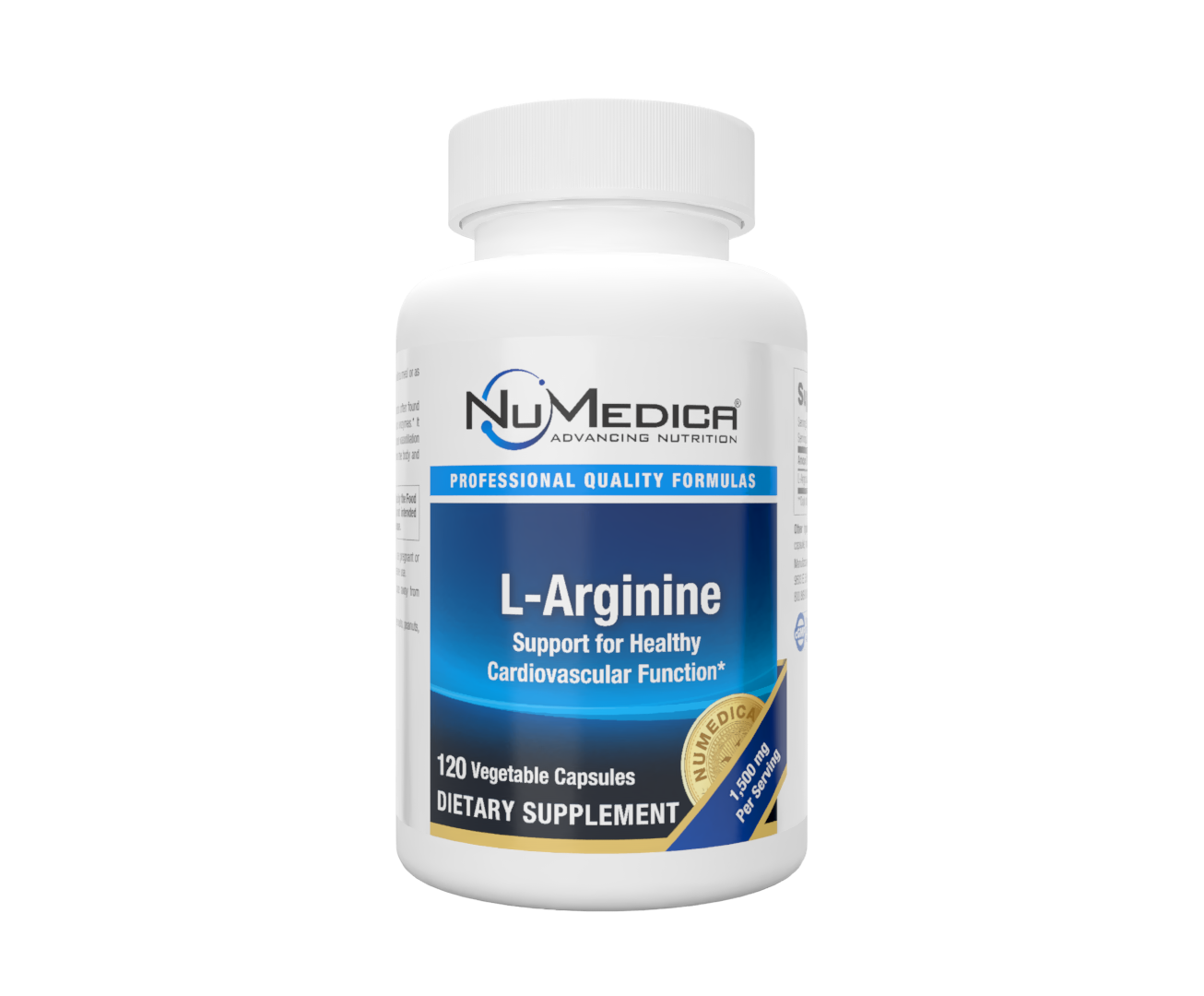
L-Arginine is a semi-essential amino acid that is often found at the active (or catalytic) site in proteins and enzymes.* It plays several roles in the body which may include vasodilation, cell division, removal of ammonia from the body and the secretion of important hormones.*
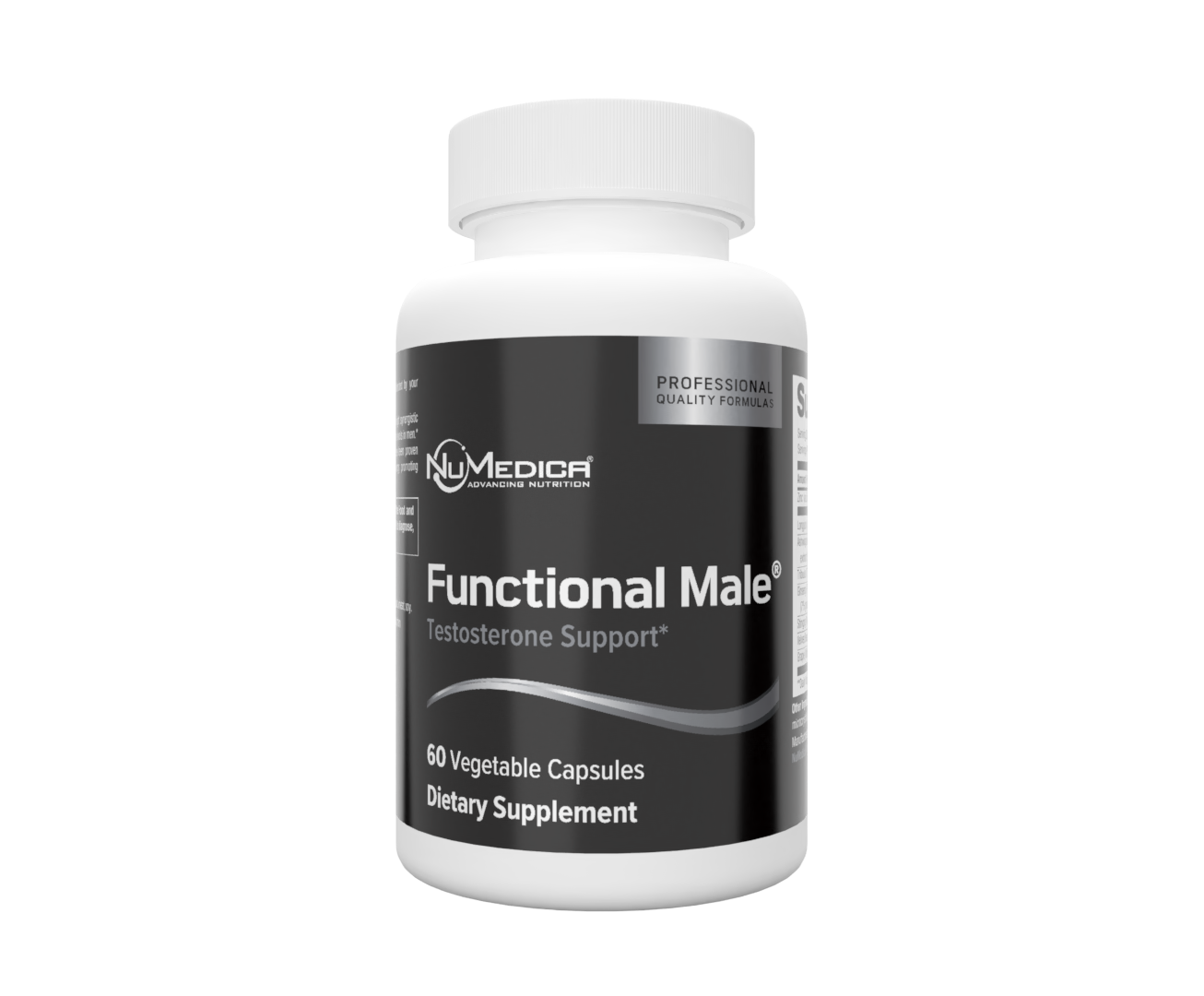
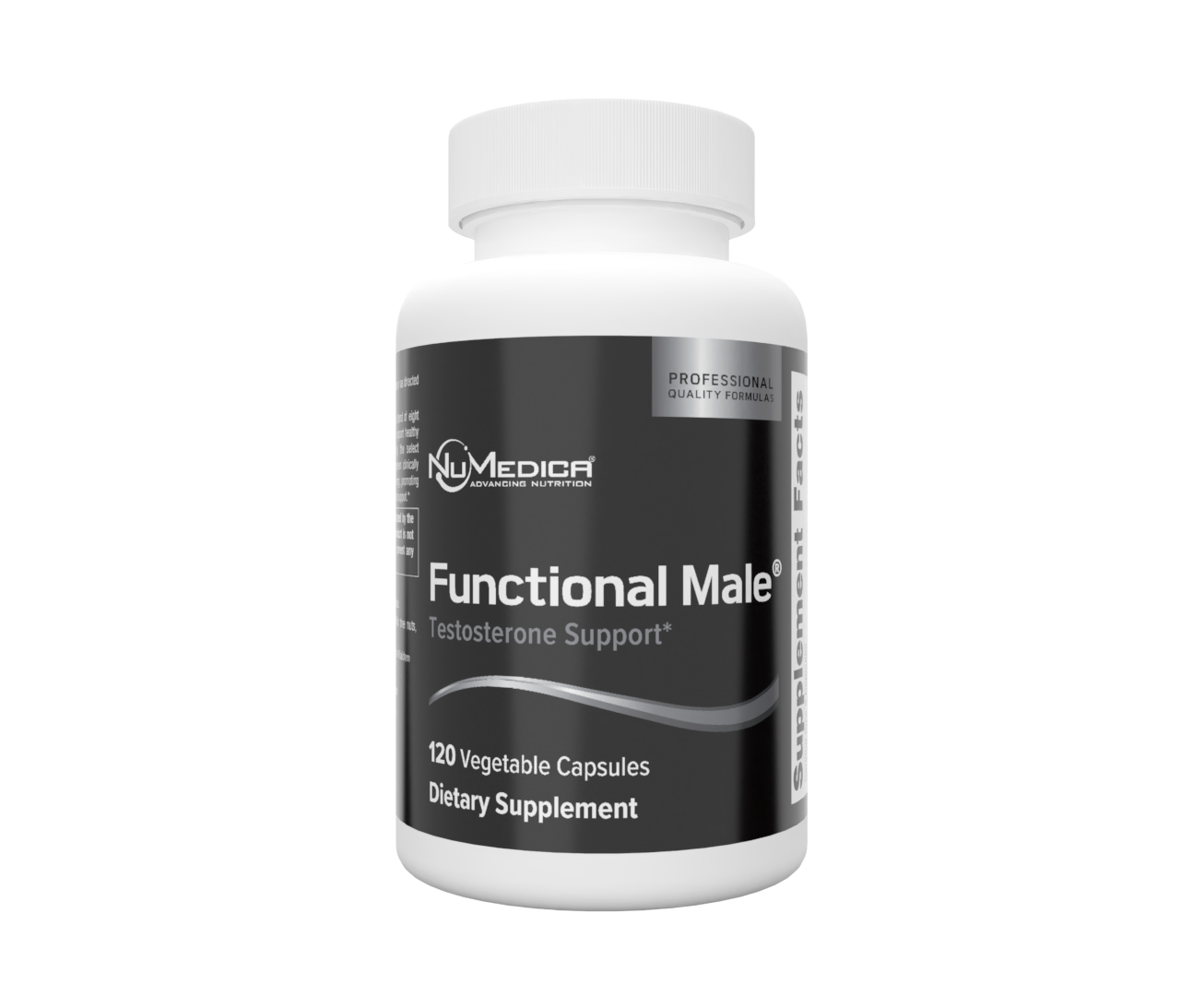
Functional Male® is NuMedica’s powerful blend of eight synergistic ingredients designed to help support male health.* Additionally, the select ingredients in this formula have been proven clinically effective in supporting sexual health and energy as well as supporting healthy cortisol and dopamine levels.*
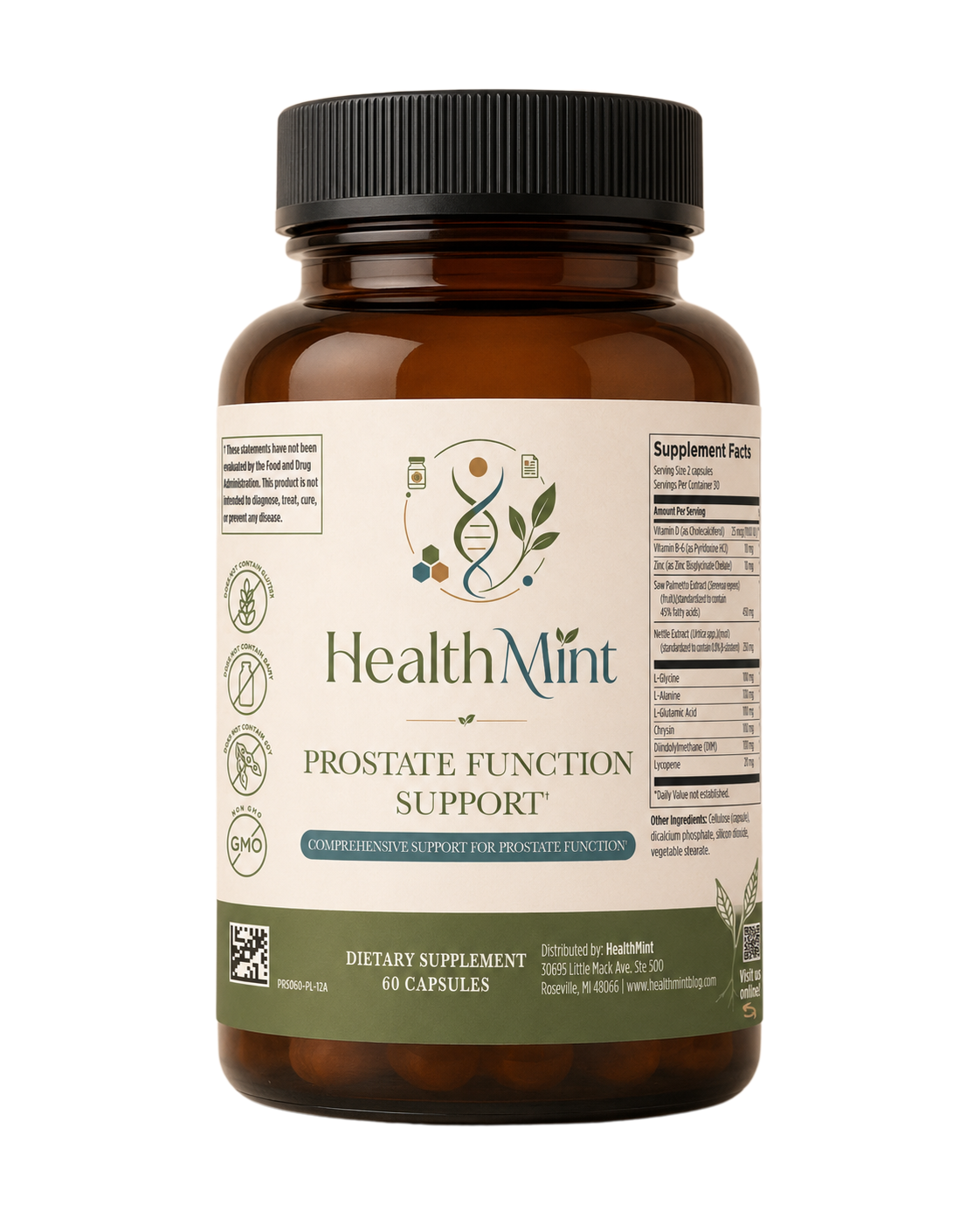
For many men, the prostate is the gland they think about only when something changes. The truth is, supporting healthy prostate function is a foundational part of male wellness, particularly as you move through your 40s, 50s, and beyond. The earlier you start giving this small but important gland the nutritional support it relies on, the better positioned you are to feel your best for the long haul.
Prostate Function Support was built to be that daily foundation.
It is a comprehensive, multi-ingredient formula combining classic botanical prostate-support ingredients like saw palmetto and nettle root with key nutrients including zinc, vitamin D, and lycopene, plus the amino acids and plant compounds your body uses every day.* Together, they provide thoughtful, targeted nutritional support for healthy prostate function, healthy urinary flow, and a healthy balance of male hormones.*
If you want to take a proactive, well-rounded approach to male wellness, this is where it begins.
