
Let’s Just Talk About It
There’s a reason this topic tends to be whispered about rather than discussed openly, and that silence does a lot of men a disservice.
Premature ejaculation (PE) is one of the most common male sexual concerns in the world. Yet, most men who experience it either suffer quietly, try some dubious “trick” they found online, or convince themselves it’s just the way they’re wired. It isn’t. And the good news (genuinely good news) is that the science on this has come a long way.
This article is for anyone who wants actual answers. Not vague reassurances. Not shame. Just a clear-eyed look at what PE is, why it happens, and what the evidence says actually helps.
Why This Is Worth Taking Seriously
Let’s start with the numbers, because they’re striking.
PE affects somewhere between 20 and 30 percent of men, making it the most prevalent male sexual dysfunction, more common than erectile dysfunction, and yet far less discussed. Despite this, surveys consistently show that fewer than 25 percent of men with PE ever seek help. The rest either manage in silence or quietly drift away from intimacy altogether.
That silence has a cost. PE is strongly associated with relationship distress, reduced sexual confidence, avoidance of intimacy, and, in many cases, anxiety and depression. It affects partners too, and not just physically. The emotional ripple effects on both people in a relationship are well-documented.
The other thing worth naming: PE is frequently dismissed as a “performance issue” or chalked up to inexperience. Neither framing is accurate nor helpful. PE has real neurobiological and psychological underpinnings, and understanding those is the first step toward doing something about it.
What’s Actually Happening in the Body (and Brain)
Here’s where it gets genuinely fascinating.
Ejaculation is controlled by the central nervous system, specifically a carefully timed interplay between the sympathetic nervous system (which triggers ejaculation) and the serotonergic system (which, in healthy function, acts as a brake). In men with lifelong or primary PE, research consistently points to lower serotonin activity in the neural pathways governing the ejaculatory reflex. Less serotonergic tone means a faster, harder-to-control response.
This is why serotonin-related medications have become a cornerstone of PE treatment; it is not arbitrary; it targets the actual mechanism.
There are also clear genetic factors at play. Studies in twins show a heritable component to PE, suggesting this isn’t purely a learned behavior or a psychological quirk for many men. Research has identified variations in the serotonin transporter gene (5-HTTLPR) as a meaningful contributor to intravaginal ejaculatory latency time (IELT), the technical term for time-to-ejaculation during intercourse.
Meanwhile, acquired PE (that develops later in life after previously normal function) often has different roots: inflammation of the prostate or urethra, thyroid dysfunction, heightened anxiety, or shifts in relationship dynamics. The distinction between lifelong and acquired PE matters because the most effective treatment path can differ significantly between the two.
There’s also a well-established feedback loop between PE and erectile anxiety. Men who ejaculate quickly often unconsciously rush through sex to “finish before they lose their erection,” even when erection quality isn’t actually the issue. Over time, this pattern reinforces itself neurologically and behaviourally.
What the Evidence Actually Supports
This is where we separate what works from what might work:
Behavioral Techniques: The Originals Still Deliver
The squeeze technique (Masters and Johnson, 1970) and the stop-start method (Semans, 1956) are the grandfathers of PE treatment, and while they’re not glamorous, they’re still evidence-based. Both techniques work by repeatedly bringing the body close to the ejaculatory threshold and then deliberately de-escalating, essentially training the nervous system to tolerate higher arousal without triggering a reflex.
Success rates in structured settings are solid, with some studies reporting short-term improvement in 45 to 65 percent of cases. Still, long-term maintenance depends heavily on consistent practice and, ideally, partner involvement. When used in isolation without psychological support, relapse rates are higher.
Pelvic Floor Rehabilitation: The Underrated One
This one surprises most people, but the evidence is growing, and it’s worth paying attention to.
A landmark 2014 study published in Therapeutic Advances in Urology found that targeted pelvic floor physiotherapy produced meaningful improvements in IELT in men with lifelong PE and, crucially, that those improvements were maintained at six-month follow-up. The logic makes anatomical sense: the bulbocavernosus and ischiocavernosus muscles are directly involved in the ejaculatory reflex, and men with PE often exhibit chronic tension and poor voluntary control in these muscles.
Pelvic floor therapy isn’t just for women post-partum. For men with PE, it may be one of the most underutilized and under-referred tools available.
Topical Anesthetics: Effective, With Caveats
Lidocaine and prilocaine-based creams, gels, and sprays work by reducing penile sensitivity, and they do work. A Cochrane review found that topical anesthetics produce a statistically significant increase in IELT compared to placebo.
The caveats: they need to be timed correctly, some formulations require a condom to prevent partner numbness transfer, and they don’t address the underlying neurological or psychological contributors. They’re best used as a short-term tool or adjunct, not a standalone long-term solution.
SSRIs and Dapoxetine: The Pharmacological Backbone
Selective serotonin reuptake inhibitors (SSRIs) are currently the most pharmacologically effective treatments for PE. Paroxetine, sertraline, and fluoxetine taken daily have been shown in multiple randomized controlled trials to significantly extend IELT, often by three- to eightfold compared to baseline.
Dapoxetine is an on-demand SSRI specifically developed for PE (approved in many countries, though not the US as of this writing). Its short half-life makes it suitable for situational use rather than daily dosing. Trials show consistent improvements in IELT with good tolerability.
Important to note: SSRIs require a prescription and professional supervision. Side effects, including reduced libido, delayed orgasm, and mood changes, are real considerations and should be discussed openly with a prescribing physician.
Psychological and Sex Therapy: Often the Missing Piece
The neurobiological model of PE is solid, but so is the psychological one, and for most men, both are operating simultaneously.
Cognitive behavioral therapy (CBT) adapted for sexual dysfunction targets the anticipatory anxiety, performance pressure, and avoidance behaviors that keep PE locked in place. Mindfulness-based approaches have also shown promise, particularly in reducing the hypervigilant monitoring that can paradoxically accelerate ejaculation.
Where possible, couples-based therapy is significantly more effective than individual work alone. Partners who understand PE and are engaged in its treatment achieve better outcomes, as is well-established in the literature.
Lifestyle Levers Worth Pulling
The basics matter more than most people realize, not as a replacement for targeted treatment, but as a genuine amplifier of it.
Manage anxiety at the source. Anxiety is one of the most consistent predictors of PE severity. Regular aerobic exercise, sleep optimization, and evidence-based stress reduction (including structured mindfulness practice) aren’t soft suggestions; they’re mechanistically relevant. Chronic sympathetic nervous system activation makes ejaculatory control harder. Calming the system helps.
Alcohol: more complicated than you think. While a drink or two might seem to take the edge off performance anxiety, chronic alcohol use disrupts both serotonergic function and the quality of partner communication, two things directly relevant to PE management.
Masturbation and arousal threshold training. Strategic masturbation, specifically practicing the stop-start method solo, can meaningfully raise the arousal threshold over time. For men who typically rush to orgasm during masturbation (often from years of habit), slowing this down is a form of neurological retraining.
Communicate with your partner. This is genuinely therapeutic, not just polite advice. Men who openly discuss PE with their partners report lower anxiety, greater sexual satisfaction, and better treatment adherence. Keeping it secret is a significant barrier to improvement.
Nutritional and Supplement Support Worth Knowing About
While no supplement will resolve PE on its own, several compounds have genuine mechanistic relevance, particularly for men whose PE is connected to anxiety, inflammation, or hormonal imbalance.
Magnesium plays a significant role in nervous system regulation and in modulating the NMDA receptor pathway, which is involved in the ejaculatory reflex. Deficiency is extremely common, and correcting it has real neurological downstream effects. Glycinate and threonate forms offer the best bioavailability for nervous system support.
Zinc is essential for testosterone production and prostate health, both of which are relevant when acquired PE has a prostatic or hormonal component. Many men with low dietary zinc show measurable hormonal shifts when levels are restored.
Ashwagandha (Withania somnifera) has solid randomized trial evidence for reducing cortisol, improving testosterone levels, and reducing self-reported anxiety. Given that cortisol and sympathetic tone directly affect ejaculatory control, its relevance here is logical and evidence-supported.
L-theanine, an amino acid found in green tea, promotes alpha brain wave activity and reduces anxious arousal without sedation. It is often paired with moderate caffeine intake to produce calm focus, a state that is neurologically opposite to the hypervigilant, anxious arousal that fuels PE.
Phosphatidylserine has modest but real evidence for blunting the cortisol response to stress, which is again mechanistically relevant for anxiety-driven PE.
B-complex vitamins, particularly B6 and B12, are cofactors in serotonin synthesis. In men with limited dietary variety or high stress levels, B-vitamin status is often suboptimal.
For men who have acquired PE with an inflammatory or prostatic component, targeted anti-inflammatory support, including omega-3 fatty acids, quercetin, and saw palmetto, may be worth exploring alongside medical evaluation.
The Bottom Line
PE is common, it’s treatable, and the research is on your side.
The most effective approach isn’t a single magic bullet; it’s usually a thoughtful combination of behavioral retraining, addressing underlying anxiety, possibly pharmacological support in the short- or medium-term, nutritional optimization, and, where possible, bringing your partner into the conversation.
What doesn’t work is avoidance. The neurobiology of PE tends to entrench over time when left unaddressed; the anticipatory anxiety builds, the rushing becomes habitual, and the problem feels more fixed than it actually is.
Start somewhere. See a doctor, try the pelvic floor work, and have the conversation with your partner. The evidence is clear that most men who engage with treatment, even partially, see meaningful improvement.
You don’t have to settle for the status quo. And you’re in good company.
Key References
Althof SE, et al. (2014). An Update of the International Society of Sexual Medicine’s Guidelines for the Diagnosis and Treatment of Premature Ejaculation. Journal of Sexual Medicine, 11(6), 1392–1422.
Waldinger MD, et al. (2005). A Multinational Population Survey of Intravaginal Ejaculation Latency Time. Journal of Sexual Medicine, 2(4), 492–497.
Pastore AL, et al. (2014). Pelvic floor muscle rehabilitation for patients with lifelong premature ejaculation: a novel therapeutic approach. Therapeutic Advances in Urology, 6(3), 83–88.
Porst H, et al. (2007). The Premature Ejaculation Prevalence and Attitudes Survey: Prevalence, Comorbidities, and Professional Help-Seeking. European Urology, 51(3), 816–823.
Waldinger MD. (2006). The neurobiological approach to premature ejaculation. Journal of Urology, 168(6), 2359–2367.
Chandrasekhar K, et al. (2012). A prospective, randomized, double-blind, placebo-controlled study of the safety and efficacy of a high-concentration full-spectrum extract of Ashwagandha root in reducing stress and anxiety in adults. Indian Journal of Psychological Medicine, 34(3), 255–262.
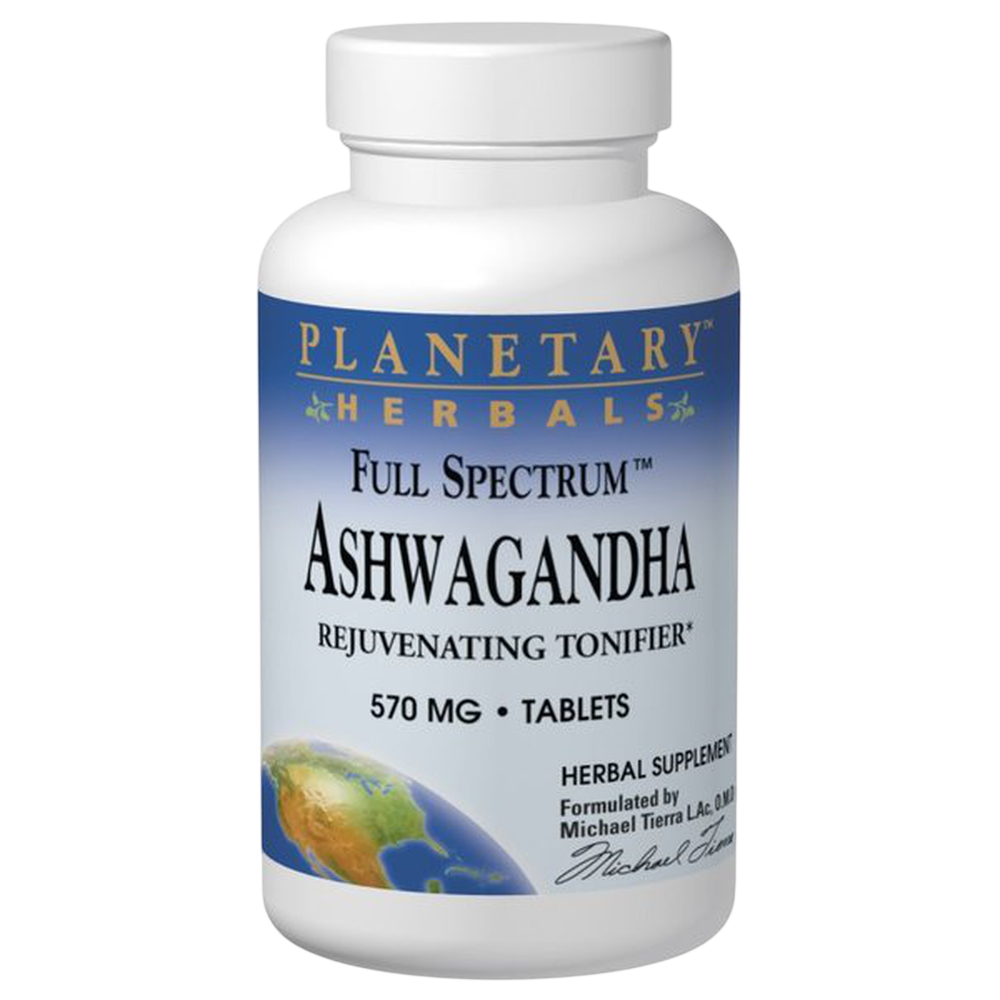
Modern life rarely slows down. Schedules tighten, demands pile up, and the body’s stress response runs longer than it was ever meant to. Over time, that constant low-grade pressure shows up everywhere, in your energy, your sleep, your focus, and your sense of calm. For thousands of years, traditional Ayurvedic practice has turned to one botanical above all others to help meet that pressure with steady, resilient calm: ashwagandha.
Ashwagandha, Full Spectrum brings that time-honored tradition into a clean, simple daily tablet.
It is a focused, single-ingredient formula featuring 570 mg of ashwagandha (Withania somnifera) per tablet, including both whole ashwagandha root and a concentrated root extract.* Ashwagandha is one of the most studied and widely used adaptogenic botanicals in the world, valued for its role in supporting the body’s healthy response to everyday stress, supporting a calm and relaxed mind, and supporting natural resilience.*
If you are looking for a clean, well-studied daily adaptogen to help meet the demands of modern life, this is where it begins.
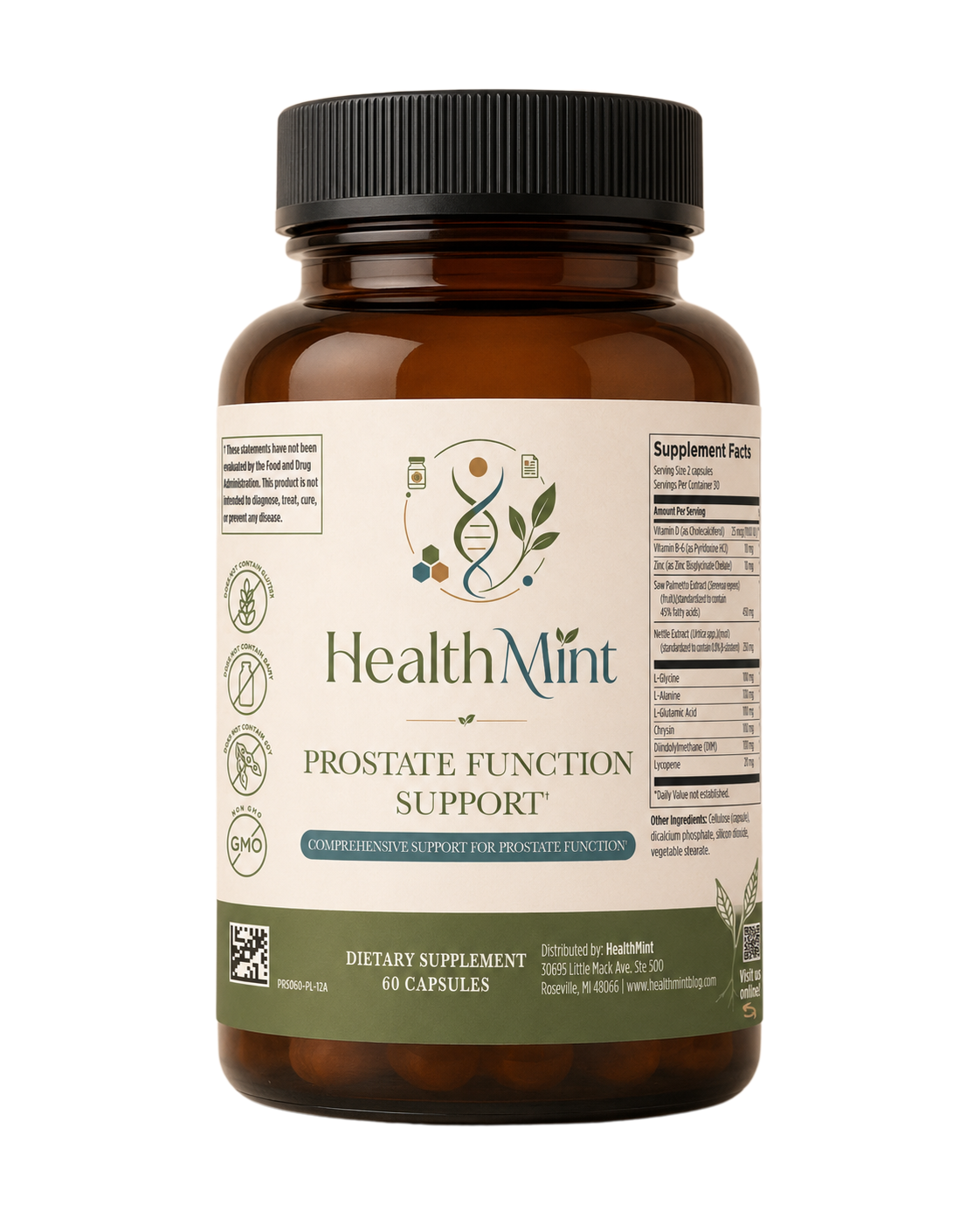
For many men, the prostate is the gland they think about only when something changes. The truth is, supporting healthy prostate function is a foundational part of male wellness, particularly as you move through your 40s, 50s, and beyond. The earlier you start giving this small but important gland the nutritional support it relies on, the better positioned you are to feel your best for the long haul.
Prostate Function Support was built to be that daily foundation.
It is a comprehensive, multi-ingredient formula combining classic botanical prostate-support ingredients like saw palmetto and nettle root with key nutrients including zinc, vitamin D, and lycopene, plus the amino acids and plant compounds your body uses every day.* Together, they provide thoughtful, targeted nutritional support for healthy prostate function, healthy urinary flow, and a healthy balance of male hormones.*
If you want to take a proactive, well-rounded approach to male wellness, this is where it begins.
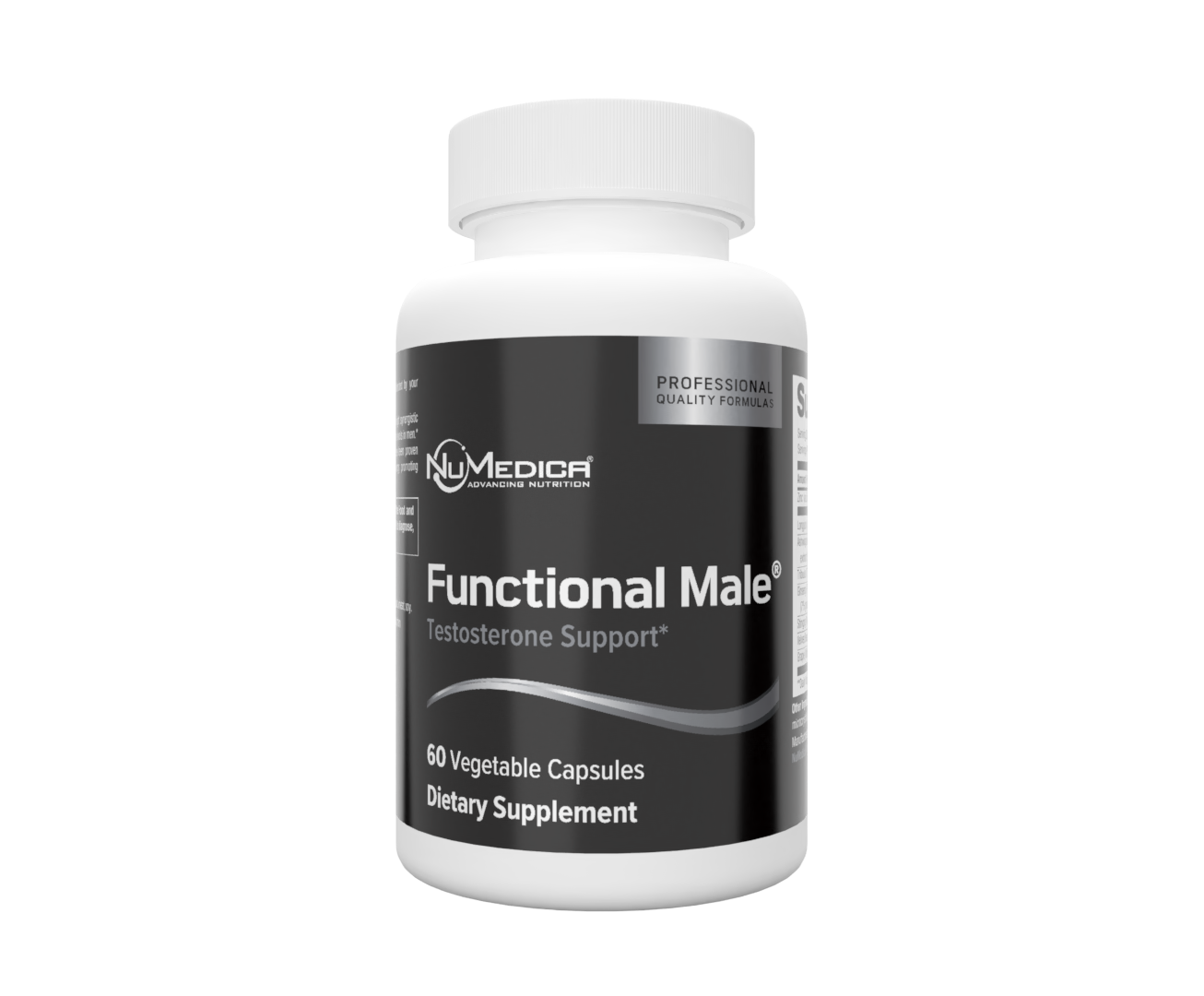
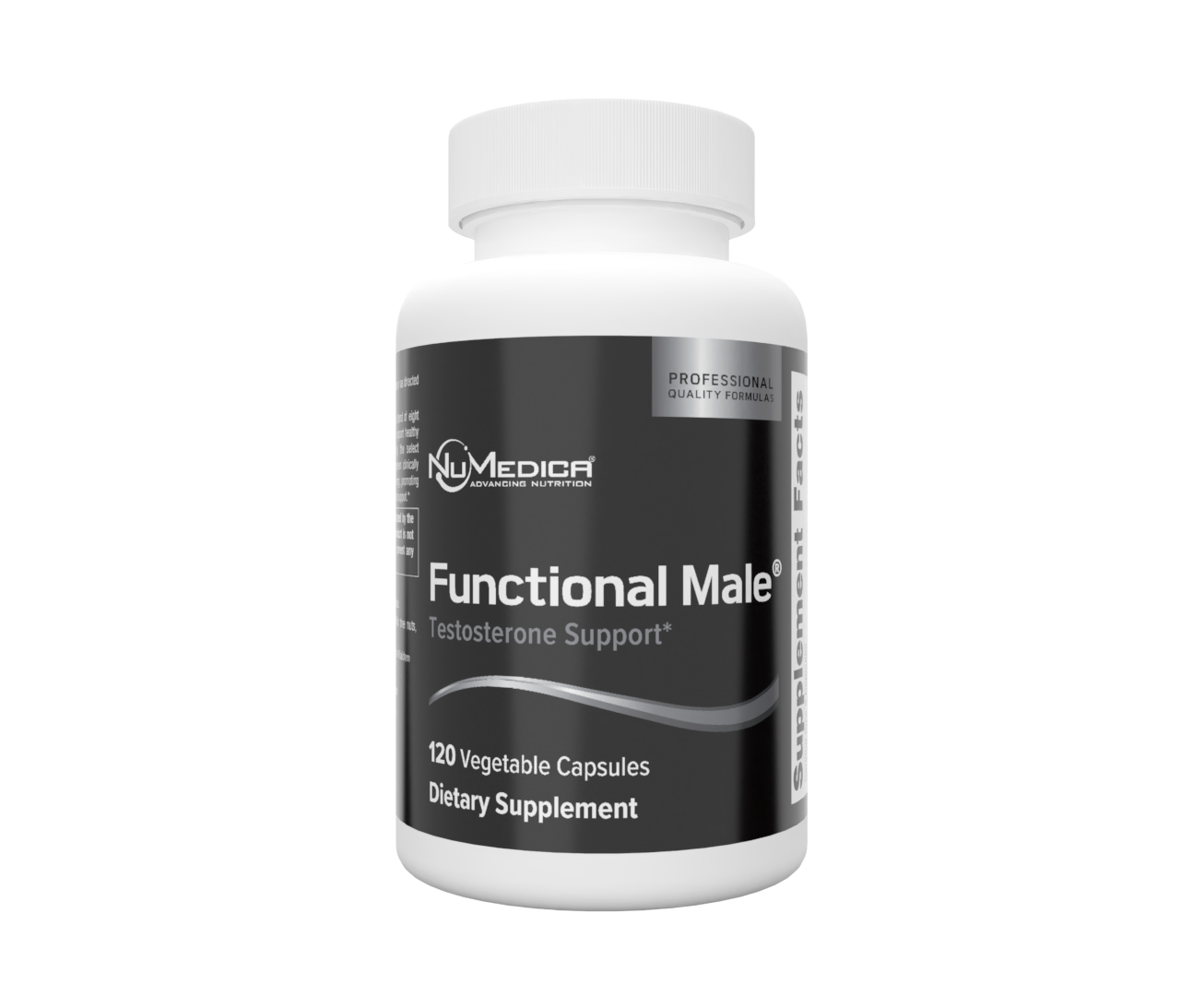
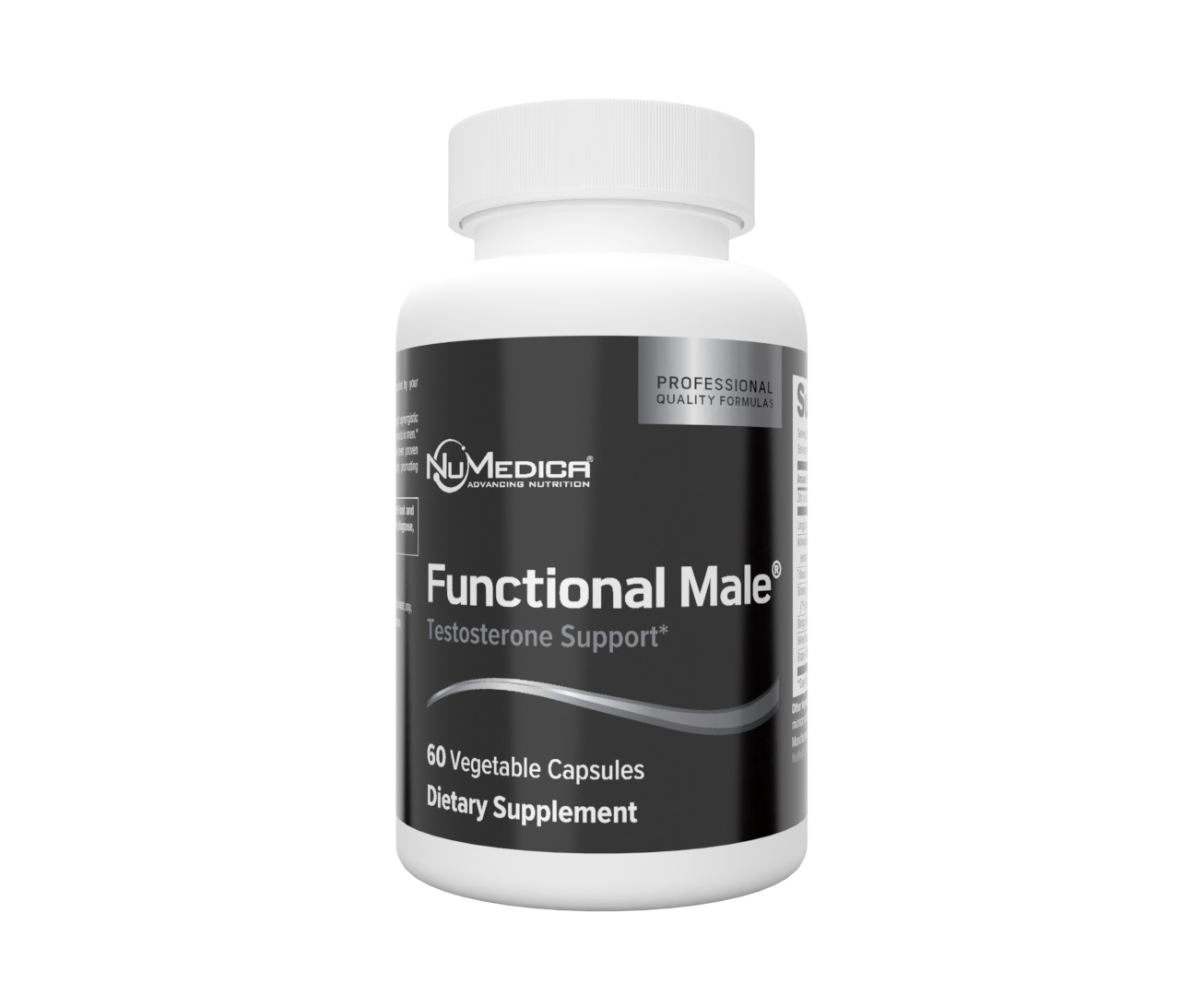
Functional Male® is NuMedica’s powerful blend of eight synergistic ingredients designed to help support male health.* Additionally, the select ingredients in this formula have been proven clinically effective in supporting sexual health and energy as well as supporting healthy cortisol and dopamine levels.*
