
You’ve tried going to bed earlier. You’ve cut back on the wine. You’ve even attempted a date night or two. And yet, the desire just isn’t there.
Before you chalk it up to age, stress, or “just the way things are now,” there’s a small, butterfly-shaped gland in your neck that deserves a serious look. Your thyroid, often overlooked in conversations about libido, may be quietly running the show in ways most people never consider.
Wait, My Thyroid Affects That?
It seems like an odd connection at first. Thyroid function and sexual desire feel like they belong in completely different conversations. But the body doesn’t work in silos, and the thyroid is one of its most influential regulators.
The thyroid gland produces two primary hormones, thyroxine (T4) and triiodothyronine (T3), that act like the volume knob for your entire metabolism. They govern how efficiently your cells produce energy, how your body maintains temperature, how quickly your heart beats, and critically, how your other hormones behave. When that volume knob gets turned too far in either direction, nearly everything downstream feels it, including your sex drive.
Both hypothyroidism (an underactive thyroid) and hyperthyroidism (an overactive one) have well-documented connections to sexual dysfunction. And yet this link is routinely missed in clinical settings, where patients with low libido are often handed a pamphlet about stress management or told it’s a normal part of aging.
The Numbers Tell a Quiet Story
Thyroid disorders are far more common than most people realize. Roughly one in eight women will develop a thyroid condition during her lifetime, and subclinical hypothyroidism, where TSH levels are elevated, but T4 appears normal, may affect as many as 10% of adults without their knowledge.
Among people with diagnosed hypothyroidism, sexual dysfunction is reported at rates two to three times higher than in the general population. Studies examining women with low thyroid function consistently find higher rates of reduced desire, difficulty with arousal, and decreased satisfaction. Men with hypothyroidism show similar patterns, often experiencing lower testosterone levels and erectile difficulties, outcomes that tend to improve meaningfully once thyroid function is properly restored.
The relationship isn’t one-directional, either. Sexual health issues can signal thyroid dysfunction long before other symptoms become obvious. For some people, a vanishing libido is the first flag the body raises.
The Hormone Cascade You Weren’t Told About
Here’s where it gets genuinely interesting. Thyroid hormones don’t just affect energy and mood; they sit at the top of a hormonal cascade that directly shapes sex hormone production.
Thyroid hormones and sex hormone-binding globulin (SHBG): When thyroid function is low, SHBG levels tend to drop as well. SHBG is the protein that transports sex hormones through the bloodstream. Lower SHBG can alter the ratio of free to bound testosterone and estrogen, disrupting the delicate hormonal balance that a healthy libido depends on.
The cortisol connection: Hypothyroidism induces physiological stress, elevating cortisol levels. Chronically elevated cortisol blunts the production of sex hormones, a biological prioritization of survival over reproduction that your body has been running since the Stone Age. Unfortunately, modern chronic stress looks a lot like ancient danger to your adrenal glands.
Prolactin and the brake pedal on desire: Thyroid dysfunction, particularly hypothyroidism, can elevate prolactin levels via a shared regulatory pathway involving thyrotropin-releasing hormone (TRH). High prolactin is a well-established suppressor of sexual desire in both men and women, and it also interferes with testosterone and estrogen synthesis. Many people with elevated prolactin have never had their thyroid examined as a contributing cause.
Dopamine and the reward of wanting: Thyroid hormones influence dopaminergic activity in the brain, the neurochemical system responsible for motivation, anticipation, and pleasure. An underactive thyroid can blunt dopamine signaling, which doesn’t just reduce libido; it makes most things feel less appealing. It’s a pattern that’s frequently mistaken for depression.
“But My Lab Work Came Back Normal”
This is one of the most common and most frustrating conversations happening in doctors’ offices right now.
Standard thyroid panels typically measure TSH (thyroid-stimulating hormone) and sometimes total T4. But this gives an incomplete picture for many people. TSH reflects the brain’s demand signal for thyroid hormones, not the actual availability or activity of those hormones at the cellular level. A person can have a “normal” TSH and still be functionally hypothyroid if T4 is not efficiently converting to the active T3 form, if reverse T3 (an inactive form) is being produced in excess under stress, if thyroid antibodies (TPO or TgAb) are elevated and indicating autoimmune activity that may precede measurable TSH changes by years, or if free T3 levels, the hormone that actually enters cells and does the work, are sitting in the lower portion of the reference range.
If you’ve been told your thyroid is “fine.” However, you’re still experiencing fatigue, weight changes, brain fog, cold sensitivity, hair thinning, and low libido. It’s worth asking for a more complete panel that includes free T3, free T4, reverse T3, and thyroid antibodies.
What You Can Actually Do About It
Start with a complete picture. Request comprehensive thyroid testing from your healthcare provider. Specifically ask for TSH, free T3, free T4, reverse T3, TPO antibodies, and thyroglobulin antibodies. Bring your symptom list. Track patterns. If you’re a woman, note where you are in your cycle when symptoms feel worse, as estrogen fluctuations interact directly with thyroid function.
Feed the gland. The thyroid is nutritionally demanding. Three nutrients stand out as essential and commonly deficient.
Iodine is the backbone of thyroid hormone synthesis. T4 literally contains four iodine molecules, and T3 contains three. The body cannot produce thyroid hormones without it. However, iodine supplementation requires care, as excess iodine can actually suppress thyroid function in some people, particularly those with autoimmune thyroid disease. Food sources such as seaweed, seafood, and iodized salt help ensure adequate intake for most people.
Selenium is critical for the conversion of T4 to the active T3 form, and it also plays a protective role in thyroid tissue. Brazil nuts are famously rich in selenium; just two or three per day can meet daily requirements. Selenium deficiency is also associated with higher thyroid antibody levels in patients with autoimmune thyroid disease.
Zinc participates in thyroid hormone production and receptor sensitivity. Low zinc is associated with reduced T3 levels, and zinc deficiency is more common than most people realize, particularly in those eating plant-dominant diets or dealing with chronic stress.
Tyrosine, an amino acid found in protein-rich foods, is the other structural component of thyroid hormones. Adequate protein intake supports its synthesis.
Protect conversion. Even if your thyroid is producing plenty of T4, that hormone is largely inactive until it’s converted to T3, primarily in the liver, gut, and peripheral tissues. This conversion process is undermined by chronic stress, poor sleep, inflammation, caloric restriction, and certain medications. Supporting liver function, managing stress, and avoiding crash diets all protect your body’s ability to activate the thyroid hormones it’s already making.
Lifestyle Moves That Support Thyroid Function (and Libido Along the Way)
Prioritize sleep without negotiation. Thyroid hormone secretion follows a circadian rhythm, with peak production occurring during sleep. Chronic sleep disruption elevates cortisol, impairs conversion, and simultaneously suppresses both thyroid and sex hormone activity. Seven to nine hours isn’t a luxury; it’s physiological maintenance.
Reassess your relationship with chronic cardio. Moderate exercise supports thyroid function, but excessive endurance training, particularly when combined with undereating, is a recognized suppressor of T3 levels. If you’re training hard and eating little, your thyroid may be in a prolonged adaptive state that blunts both metabolism and libido.
Address gut health. Approximately 20% of T4 to T3 conversion happens in the gut through the activity of specific intestinal bacteria. Dysbiosis, intestinal permeability, and chronic gut inflammation all impair this conversion. A diet rich in fiber, fermented foods, and diverse plant sources supports the microbial environment on which thyroid function depends.
Manage stress as if it were a clinical intervention. Cortisol and thyroid hormones compete for resources. Chronic psychological or physiological stress suppresses thyroid function at multiple levels, reducing TSH output, impairing conversion, and increasing reverse T3. Breathwork, restorative movement, time in nature, and deliberate rest are not soft suggestions; they are direct thyroid interventions.
Minimize endocrine disruptors. Compounds like BPA (found in plastics), PFAS (found in non-stick coatings), and certain pesticide residues interfere with thyroid hormone signaling and receptor binding. Switching to glass or stainless steel for food and beverages, choosing organic produce where possible for the most heavily sprayed items, and filtering drinking water are practical steps with a meaningful cumulative effect.
When Supplementation Makes Sense
Beyond diet, targeted supplementation can help fill gaps that food alone doesn’t always cover, particularly for people dealing with chronic stress, suboptimal conversion, or autoimmune thyroid conditions.
Key areas where evidence supports supplementation include selenium for conversion support and antibody reduction, magnesium for its role in T4 to T3 conversion and stress regulation, zinc for hormone production and receptor sensitivity, iodine used carefully and ideally alongside selenium, B vitamins for energy metabolism and the neurotransmitter synthesis that supports mood and libido, and adaptogens like ashwagandha, which has clinical evidence supporting both thyroid hormone levels and cortisol reduction.
For women navigating perimenopause or menopause alongside thyroid changes, the overlap in symptoms, including fatigue, mood shifts, low libido, and sleep disruption, can make it difficult to identify what’s driving what. A functional approach that assesses both thyroid and sex hormone panels together tends to yield the clearest picture.
The Takeaway
A disappearing sex drive is not a personality flaw, a relationship failure, or simply the inevitable cost of getting older. It is a physiological signal, and one that your thyroid may be sending more loudly than anything else.
The thyroid’s influence on libido involves hormonal cascades, neurotransmitter activity, energy metabolism, and stress physiology. This means that when thyroid function is optimized, many people experience a genuine, sometimes surprising restoration of desire, alongside improvements in energy, mood, mental clarity, and overall vitality.
If you’ve been feeling off and no one has looked carefully at your thyroid, it’s time to ask.
Key Takeaways at a Glance
Both underactive and overactive thyroid function can significantly reduce libido in men and women.
Thyroid hormones directly influence sex hormone levels, cortisol, prolactin, and dopamine, all of which shape sexual desire.
Standard TSH-only testing misses thyroid dysfunction in a significant number of people.
Selenium, iodine, zinc, and tyrosine are nutritional cornerstones of thyroid hormone production and activation.
Sleep, stress management, gut health, and reduced toxin exposure all have direct and measurable effects on thyroid function.
In many cases, addressing thyroid health restores libido as a natural consequence, without targeting sexual function directly.
*This article is intended for educational purposes and does not constitute medical advice. If you suspect thyroid dysfunction, please consult a qualified healthcare provider for appropriate testing and guidance. This article is based on established research in endocrinology and functional medicine. Key evidence bases include published studies on thyroid-related sexual dysfunction, thyroid hormone physiology, thyroid-HPA axis interactions, selenium and thyroid antibodies, and circadian thyroid secretion patterns, all well-documented in the peer-reviewed literature and available through PubMed for readers who wish to explore further.
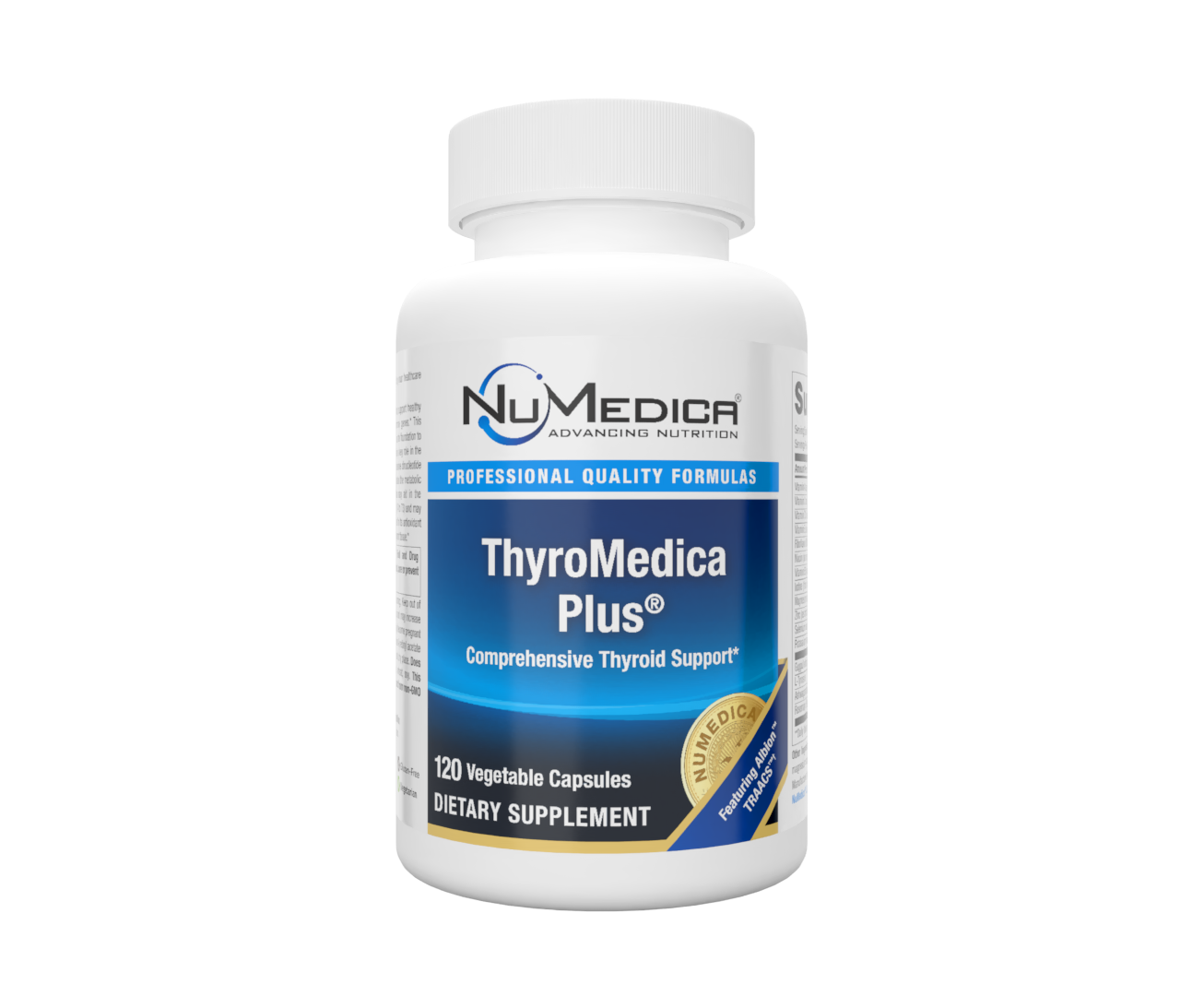
ThyroMedica Plus® features targeted nutrients and herbs that support healthy thyroid function and facilitate the expression of thyroid hormone genes.* This formula includes the key ingredient L-Tyrosine, which serves as the foundation to nourish healthy levels of thyroxine.* L-Tyrosine and iodine play a key role in the synthesis of thyroid hormones.* Additionally, riboflavin, flavin adenine dinucleotide (FAD), serves as the currency of energy in the cell and facilitates the metabolic production of energy from food.* Guggul and Ashwagandha may aid in the conversion of thyroxine to the more bioactive triiodothyronine (T4 to T3) and may aid in stimulating the thyroid gland.* These ingredients have also been known to aid in maintaining healthy blood lipid levels.* Rosemary has been added for its antioxidant properties and may aid in preventing free radical damage to thyroid tissue.*
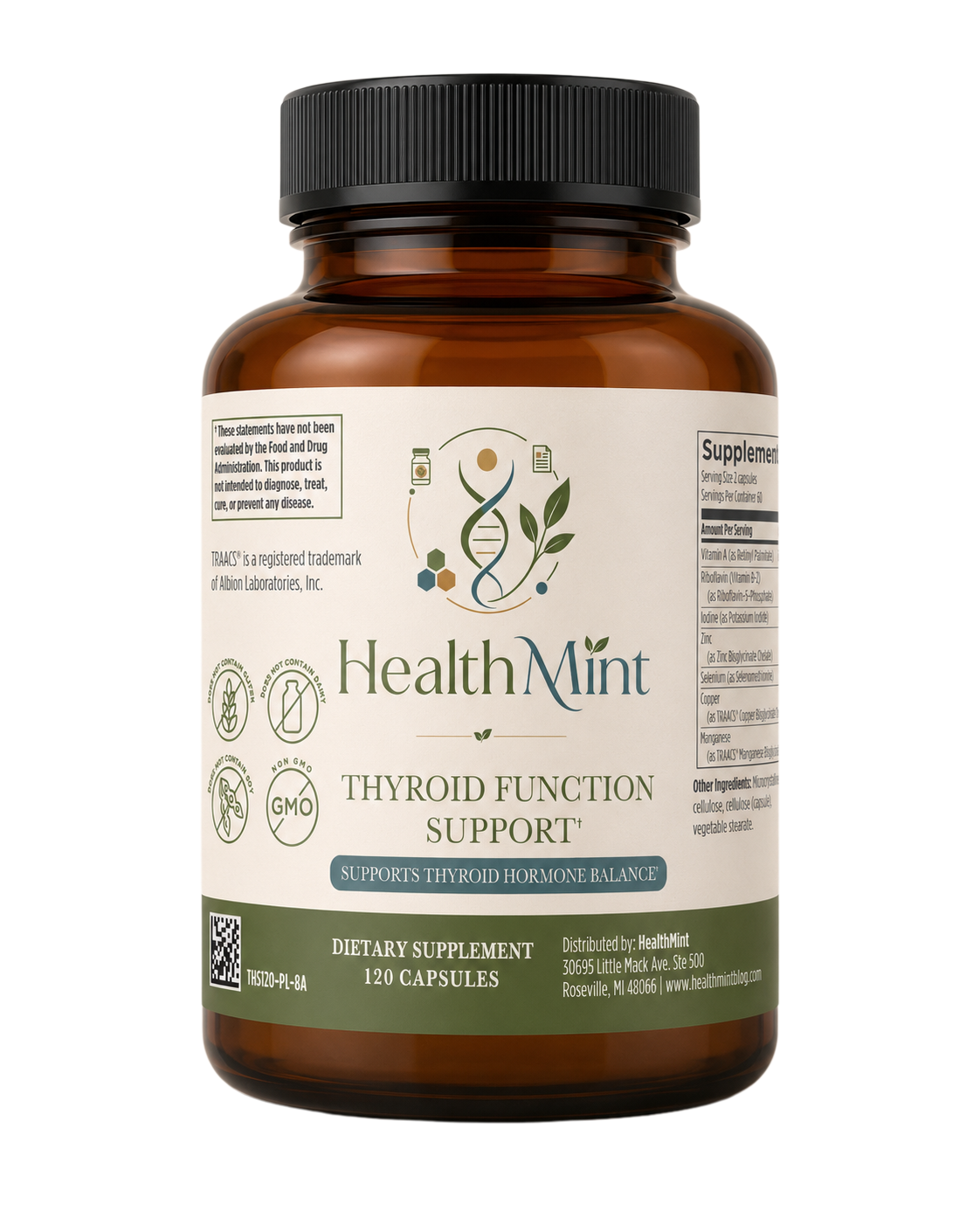
Your thyroid is the small but mighty gland that helps set the pace for your entire body, influencing your energy, your metabolism, and how you feel day to day. Like every gland, it depends on a steady supply of specific nutrients to function well. The challenge is that many of these nutrients, from iodine and selenium to zinc and tyrosine, are not always provided in optimal amounts by modern diets.
Thyroid Function Support was built to fill that gap.
It is a comprehensive, thoughtfully balanced blend of vitamins, minerals, amino acids, and supportive botanicals, each chosen for its role in supporting healthy thyroid function and the body’s natural production of thyroid hormones.* Rather than relying on a single nutrient, this formula brings together the full team of cofactors and building blocks your thyroid uses every day, all in one convenient serving.*
If you want to take a proactive, well-rounded approach to supporting your thyroid and your everyday energy, this is where it begins.
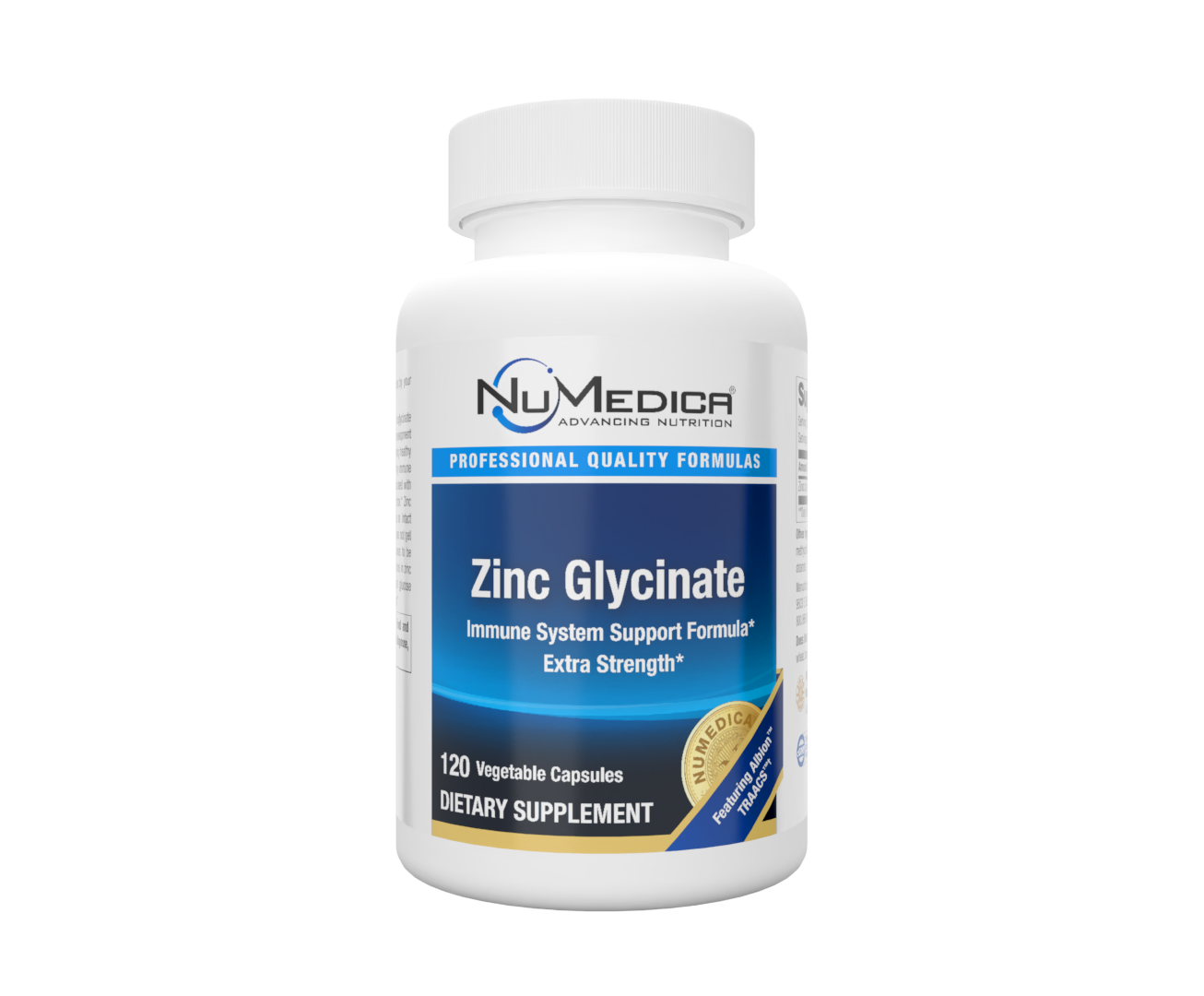
Zinc Glycinate features the fully reacted TRAACS® zinc bisglycinate chelate by Balchem Corporation. Zinc is essential for the development and proper functioning of the reproductive organs, including healthy prostate function, and has been shown to support healthy immune system function.* Zinc also supports enzyme activity associated with tissue synthesis, energy metabolism, and bone mineralization.* Zinc Glycinate is readily bioavailable and easily absorbed as an intact chelate.* It is superior to other forms of zinc because it does not get ionized in the gut before it is absorbed.* Instead, it appears to be metabolized in the body right at the target tissue.* Deficiencies in zinc can lead to an impaired immune system, decreased glucose metabolism, hormonal imbalance and slower wound healing.*
