
Nobody Warned Me It Could Actually Get Better
Somewhere between the hot flashes, the sleep disruptions, and the well-meaning advice to "just push through it," the idea that sex after menopause could be genuinely wonderful got buried and deeply buried.
Here's what doesn't get said enough: for many women, intimacy after menopause, once the transition settles and the body finds its new rhythm, becomes more satisfying, more connected, and more authentically theirs than anything that came before. No pregnancy concerns. No monthly hormonal rollercoaster. A clearer sense of who you are and what you actually want.
That said, getting there requires understanding what's happening in your body, why some things feel different, and what you can actually do about it. So let's talk about it all, honestly.
Why This Conversation Actually Matters
Sexual health isn't a luxury or a vanity concern. It's a legitimate dimension of whole-person wellbeing, tied to cardiovascular health, emotional resilience, relationship quality, pelvic floor function, and even cognitive vitality. Research consistently shows that women who maintain satisfying intimate lives in midlife and beyond report better quality of life across the board, not just in the bedroom.
Yet a striking number of women never mention sexual concerns to their healthcare providers, and providers often don't ask. The result is that millions of women quietly accept discomfort, loss of desire, or disconnection from their bodies as an inevitable part of aging, when in reality, most of these challenges have real, evidence-based solutions.
This is the article for the woman who wants to know what's actually going on and what she can genuinely do about it.
What's Happening Under the Hood: The Real Biology
Menopause is defined as the point twelve months after your final menstrual period, typically occurring between ages 45 and 55. But the hormonal shifts that affect intimate health begin years earlier, during perimenopause, and continue to evolve in the postmenopausal years.
Estrogen and its dramatic exit
Estrogen does far more than regulate the menstrual cycle. It maintains the thickness, elasticity, and lubrication of vaginal tissue. It supports blood flow to the genitals. It influences nerve sensitivity and arousal. As estrogen levels fall, the tissues of the vulva and vagina gradually become thinner, drier, and less elastic, a condition now clinically called Genitourinary Syndrome of Menopause (GSM). Previously called vaginal atrophy, the name was updated because it more accurately reflects how widespread these changes are and how much they affect daily quality of life, not just sex.
GSM affects roughly half of all postmenopausal women, yet fewer than 25% seek treatment. The symptoms, including dryness, burning, irritation, pain during sex, and increased urinary urgency, tend to worsen over time without support, unlike many other menopausal symptoms that naturally improve.
Testosterone: the desire hormone nobody talks about
Most people don't realize women produce testosterone, but it plays a meaningful role in libido, energy, mood, and sexual responsiveness. Testosterone levels begin declining in a woman's 20s and continue falling through menopause. By the time many women reach their 50s, their testosterone levels may be significantly lower than they were in early adulthood, which can show up as a noticeable dip in sexual desire and arousal, even when emotional intimacy with a partner remains strong.
The brain-body disconnect
Progesterone, which also declines significantly at menopause, has a calming, mood-stabilizing effect. Its absence can contribute to anxiety, disrupted sleep, and a general sense of being wired but tired, none of which are exactly aphrodisiacs. Add to this that poor sleep, which is extremely common during menopause, independently suppresses libido and emotional availability, and you start to see why intimacy can feel like the last thing on the list.
Blood flow matters more than you think.
Estrogen supports healthy blood vessel function throughout the body, including the vulva and clitoris. Reduced estrogen means reduced blood flow to genital tissue, which can affect arousal speed, sensation, and the ability to reach orgasm. Interestingly, the clitoris itself doesn't atrophy. It remains quite capable of pleasure but may take longer to respond and benefit from more direct, sustained stimulation than before.
This Is What You Can Actually Do About It
Let's get practical. The good news is that the evidence base for managing sexual health through and after menopause has grown substantially, and there are more options than ever.
Prioritize vaginal tissue health because it doesn't maintain itself on its own.
Unlike hot flashes, which tend to resolve over time, GSM symptoms typically worsen without intervention because the tissue needs estrogen to maintain itself. The single most evidence-backed intervention is regular sexual activity or stimulation, which promotes blood flow, maintains tissue elasticity, and supports natural lubrication. "Use it or lose it" is not a cliché here; it's physiology.
Lubricants and moisturizers are not the same thing, and you probably need both.
A water-based or silicone-based lubricant used during sexual activity reduces friction and makes sex more comfortable in the moment. A vaginal moisturizer, used regularly and not just during sex, works more like a skincare product. It replenishes hydration in vaginal tissue over time. Both matter and address different needs. Many women find that using a moisturizer two to three times per week significantly improves their baseline comfort.
Local hormonal therapy is remarkably well-tolerated
Low-dose vaginal estrogen, available as a cream, ring, or suppository, delivers estrogen directly to vaginal tissue with minimal systemic absorption. Decades of research support its safety and effectiveness, including for most women with a history of breast cancer, though this should always be discussed with a specialist. It doesn't significantly raise blood estrogen levels, and it directly addresses the root cause of GSM. Ospemifene, a non-hormonal oral option, is also available for women who prefer not to use any form of estrogen.
Talk to your provider about systemic hormone therapy if you are a candidate.
For women experiencing significant menopausal symptoms across the board, including sleep disruption, mood changes, hot flashes, and declining libido, systemic hormone therapy may be worth a serious conversation. Current evidence suggests that for healthy women under 60 or within ten years of menopause onset, the benefits of hormone therapy often outweigh the risks. The outdated fear stemming from a misreading of the 2002 Women's Health Initiative study has been substantially revised by subsequent research.
Lifestyle Foundations That Make a Real Difference
Hormones don't operate in a vacuum. The lifestyle context you build around them either amplifies or undermines your intimate health.
Move your body, particularly in ways that support pelvic and cardiovascular health.
Cardiovascular exercise improves blood flow throughout the body, including to genital tissue, which supports arousal and sensation. Resistance training helps maintain testosterone levels naturally. Pelvic floor exercises, ideally guided by a pelvic floor physiotherapist rather than attempted solo, are underutilized game-changers. A strong, well-coordinated pelvic floor supports arousal, orgasm intensity, and bladder control. In contrast, a hypertonic or overly tight pelvic floor can cause pain during sex that is easily mistaken for a libido problem.
Sleep is not negotiable.
Chronic sleep deprivation suppresses testosterone, elevates cortisol, diminishes mood, and makes intimacy feel like an effort rather than a pleasure. Menopausal sleep disruption, driven by night sweats, lighter sleep stages, and hormonal shifts, is worth treating in its own right rather than tolerating.
What you eat shapes how you feel.
A diet rich in phytoestrogens, found in whole soy, flaxseed, legumes, and some nuts, may provide mild estrogenic activity in the body. These aren't a replacement for hormonal therapy when that's needed, but they contribute to the broader hormonal ecosystem. Omega-3 fatty acids support blood vessel health and can help with mood and vaginal tissue integrity. Reducing refined sugar and alcohol is also worth considering, as both disrupt hormonal balance, impair sleep quality, and contribute to the inflammation that underlies many menopausal symptoms.
Stress isn't just emotional; it's biochemical.
Cortisol and estrogen compete for the same precursor molecules. When chronic stress keeps cortisol elevated, the body prioritizes cortisol over sex hormone production. This is why stress management isn't a soft wellness suggestion; it's a hormonal strategy. Regular mindfulness practice, time in nature, and nervous system regulation techniques have measurable effects on hormonal balance.
Keep the conversation open with yourself and your partner.
Desire and arousal can change their patterns at menopause. Spontaneous desire, the out-of-nowhere feeling of wanting sex right now, may become less frequent. In contrast, responsive desire, arousal that emerges in response to intimacy, touch, or context, remains intact or even increases. Understanding this distinction prevents a lot of unnecessary worry. It doesn't mean desire is gone; it may just need a different on-ramp.
If you have a partner, navigating this together openly, including honest conversations about what feels good, what has changed, and what you're both curious about, tends to produce far better outcomes than quiet suffering or avoidance.
Targeted Nutritional Support: Building the Foundation from the Inside Out
While no supplement replaces hormonal therapy when it's clinically indicated, specific nutritional compounds have meaningful research support for sexual and hormonal health during menopause.
Magnesium glycinate supports sleep quality, cortisol regulation, and mood, all of which have downstream effects on libido and intimate health. Many women are deficient, particularly those under high stress.
Maca root has been studied specifically for its effects on sexual dysfunction in postmenopausal women, with several trials showing improvements in libido, sexual satisfaction, and menopausal symptom scores. Its mechanisms likely involve adaptogenic effects on the hypothalamic-pituitary axis rather than direct hormonal action.
L-arginine is an amino acid precursor to nitric oxide, which plays a central role in vasodilation and genital blood flow. Some research supports its use in improving arousal and sensitivity in women.
B vitamins, particularly B6, B12, and folate, support adrenal function, neurotransmitter synthesis, and energy, all of which are relevant to libido and sexual responsiveness.
Omega-3 fatty acids (EPA and DHA) support vascular health, reduce inflammatory tone, and may contribute to mood stability, creating a better biological backdrop for intimacy.
Probiotics and gut health may seem like an unexpected entry here, but vaginal microbiome health is closely tied to gut microbiome health. Lactobacillus-dominant vaginal flora protects against infection, supports tissue health, and influences lubrication. Supporting gut flora is one indirect yet meaningful way to support vaginal health.
Ashwagandha has been studied in women specifically for its effects on sexual function, with at least one well-designed trial showing improvements in arousal, lubrication, orgasm, and sexual satisfaction compared to placebo. Its cortisol-lowering, adaptogenic properties make it a logical fit for women navigating the stress-hormone intersection of menopause.
The Bottom Line: This Is Not the Beginning of the End
Menopause is a transition, not a destination. The women who navigate it most successfully tend to share a few things in common: they treat their symptoms as worth addressing rather than tolerating them, they stay curious about their bodies rather than retreating from them, and they bring their intimate health into the same conversation as the rest of their wellbeing.
The research is clear that sexual satisfaction in midlife and beyond is not only possible but genuinely achievable for most women with the right support, information, and approach. Some women describe the postmenopausal years as coming home to themselves: fewer distractions, less performance, deeper presence, and an earned clarity about what actually matters.
Your best years of intimacy may very well still be ahead of you. And now you have a much clearer map for getting there.
*This article is for educational purposes and does not constitute medical advice. Please consult with a qualified healthcare provider about your individual symptoms and treatment options.
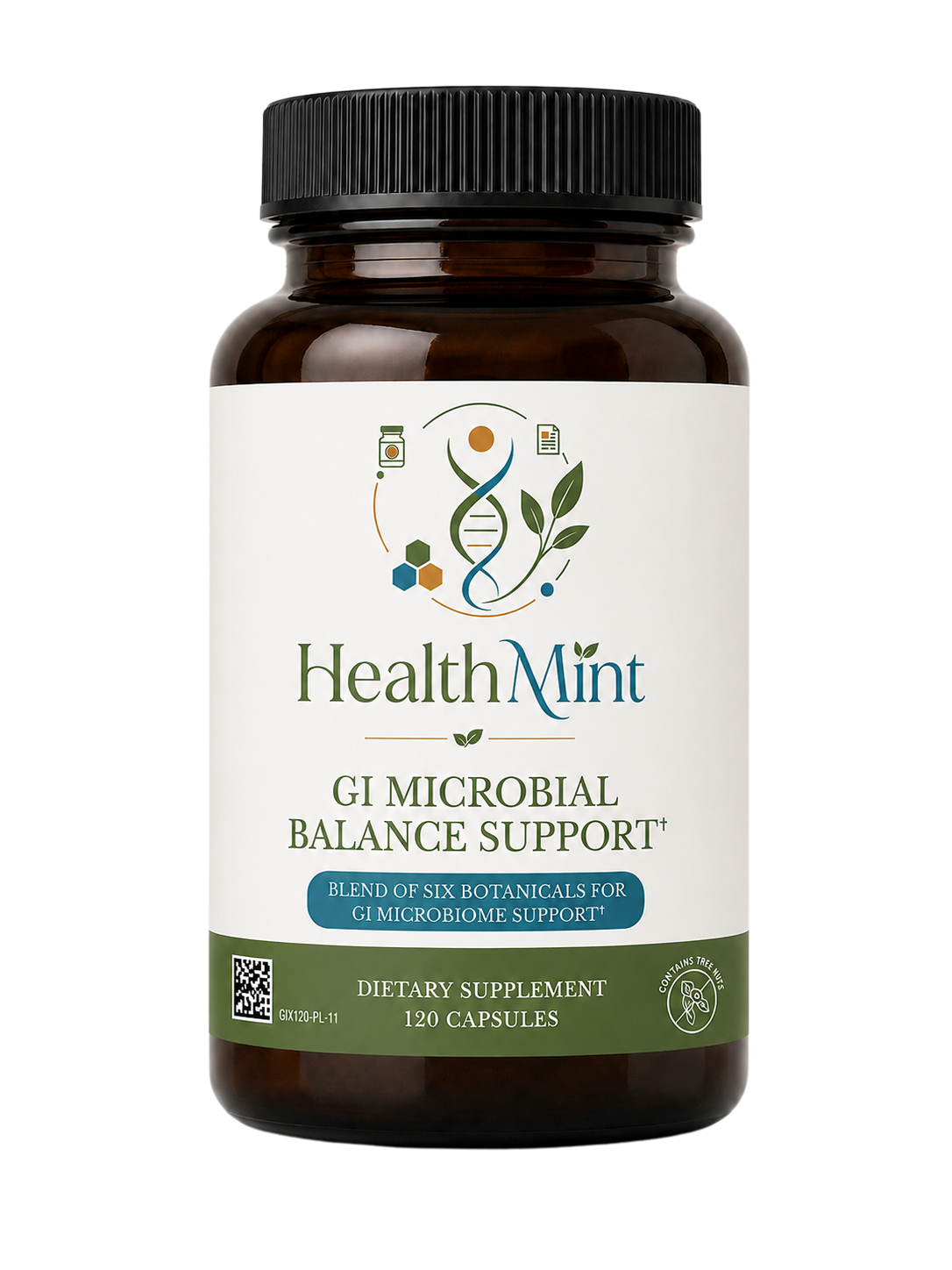
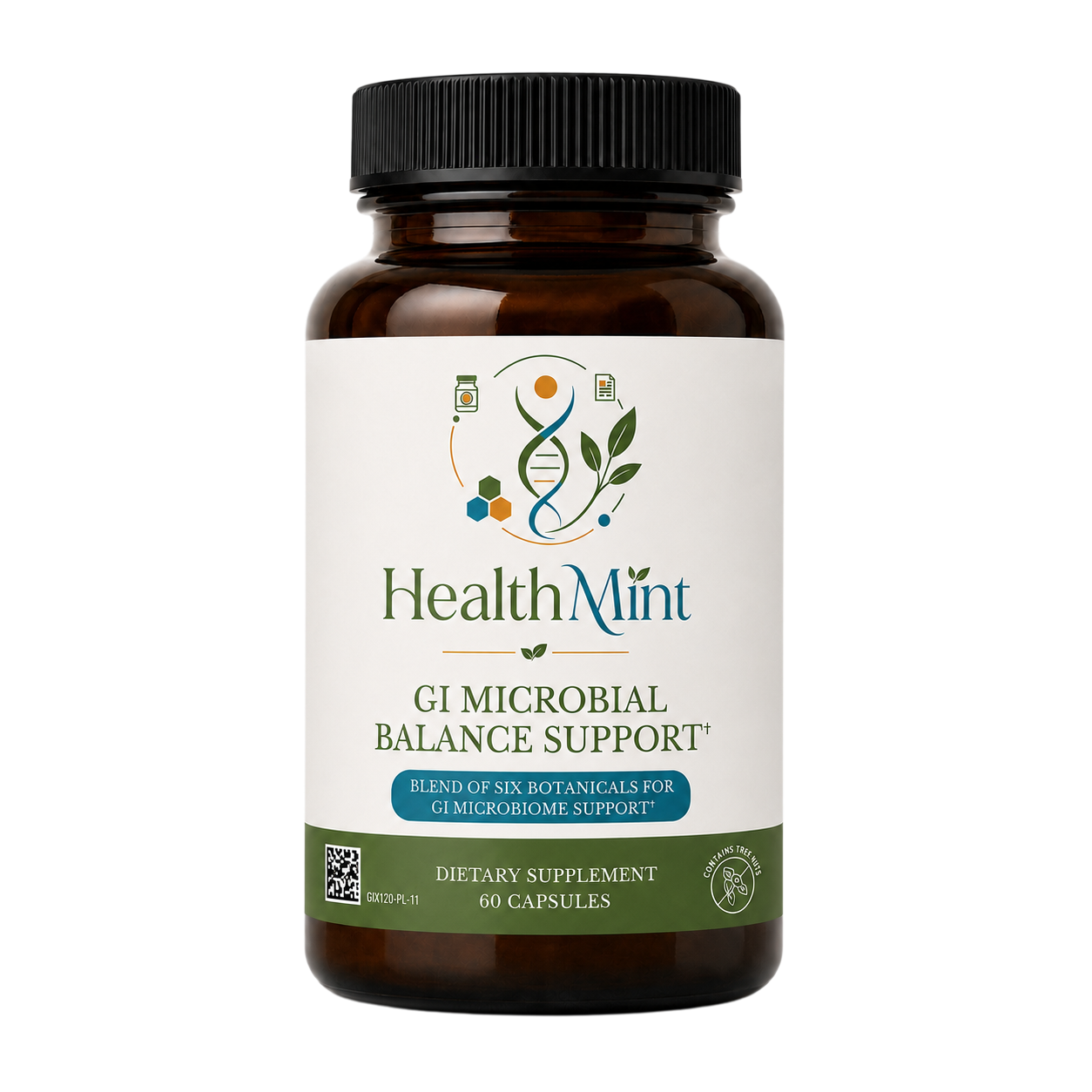
GI Microbial Balance Support is a thoughtfully crafted blend of botanical extracts drawn from traditions of herbal practice spanning centuries and cultures.* It brings together ingredients with long histories of traditional use in supporting gastrointestinal health, in a single once-daily capsule meant to be part of a comprehensive wellness routine.
Each capsule is designed to provide botanical support for a healthy gut environment and microbial balance, in a clean, considered formula made with non-GMO ingredients.*
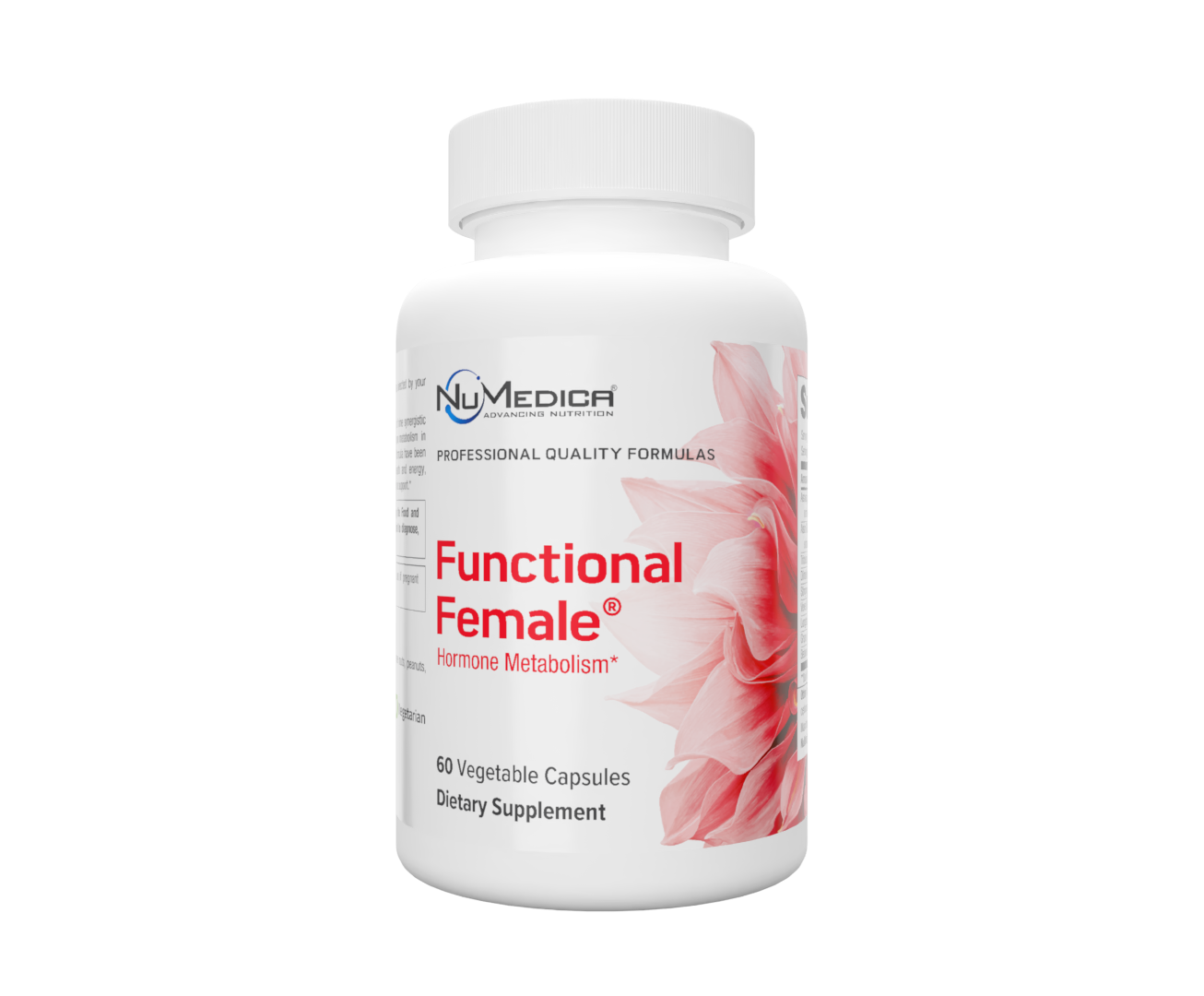
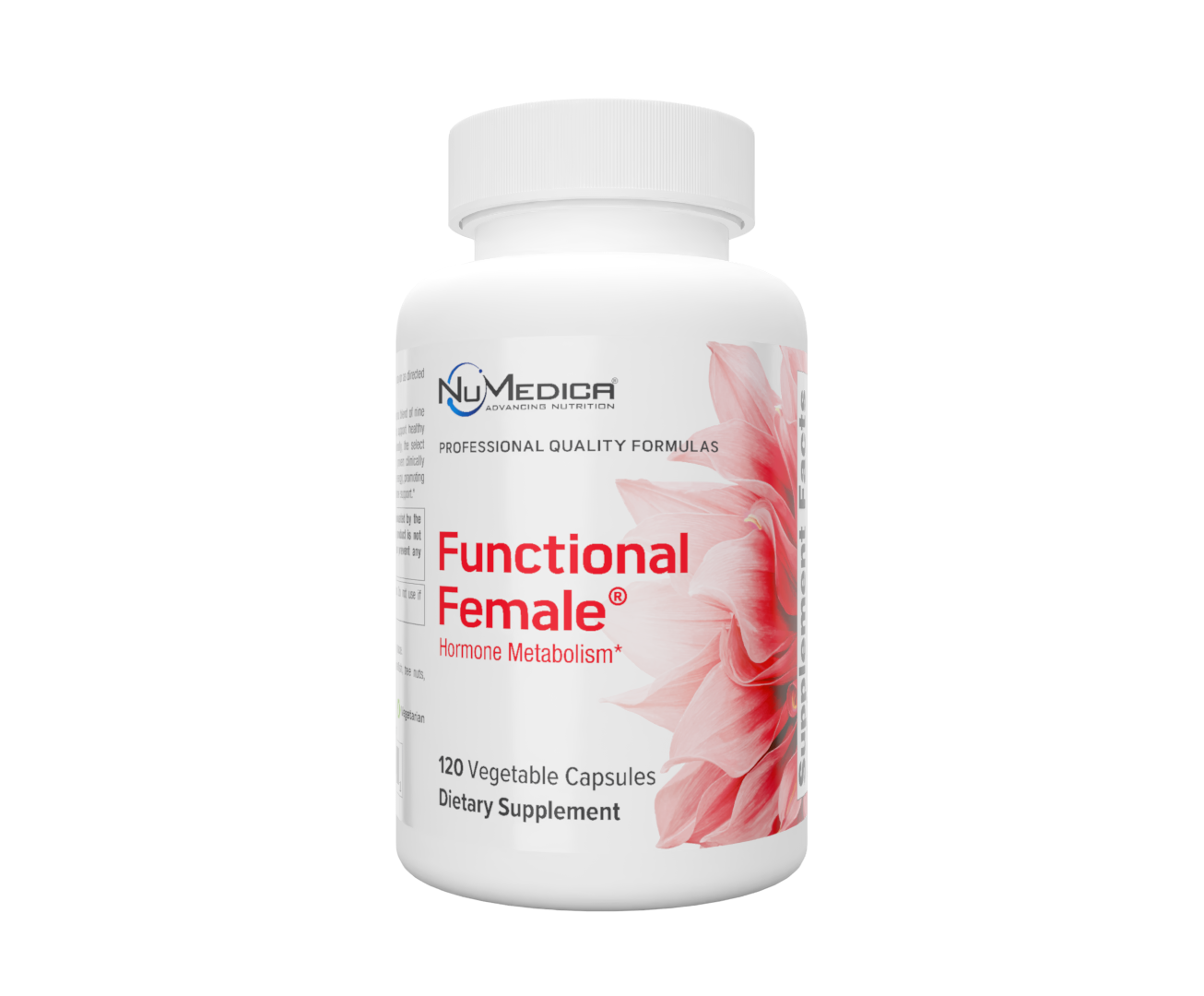
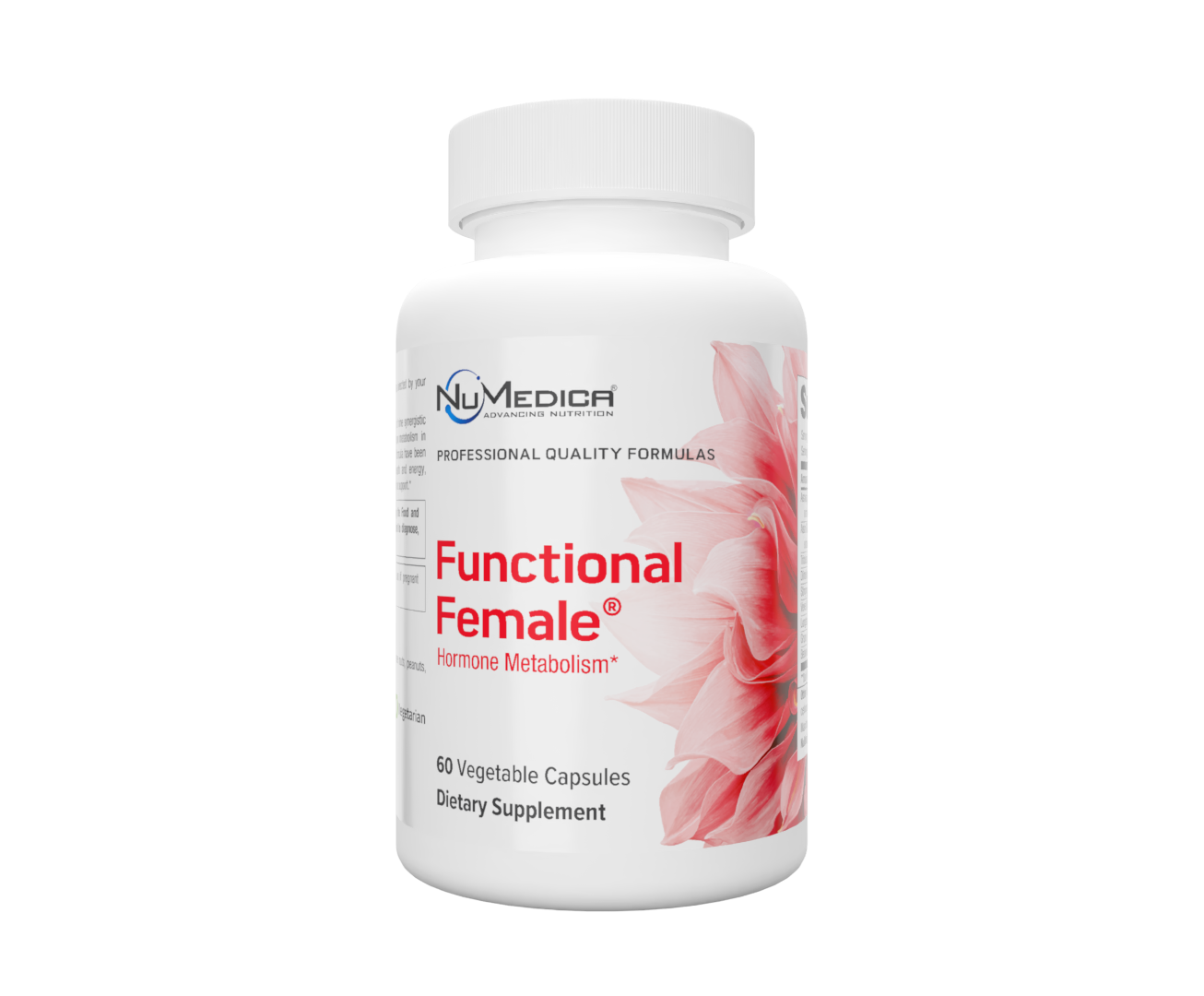
Functional Female® is NuMedica’s powerful blend of nine synergistic ingredients designed to help support healthy hormone metabolism in women.* Additionally, the select ingredients in this formula have been proven clinically effective in supporting sexual health and energy, promoting healthy cortisol levels and providing dopamine support.*
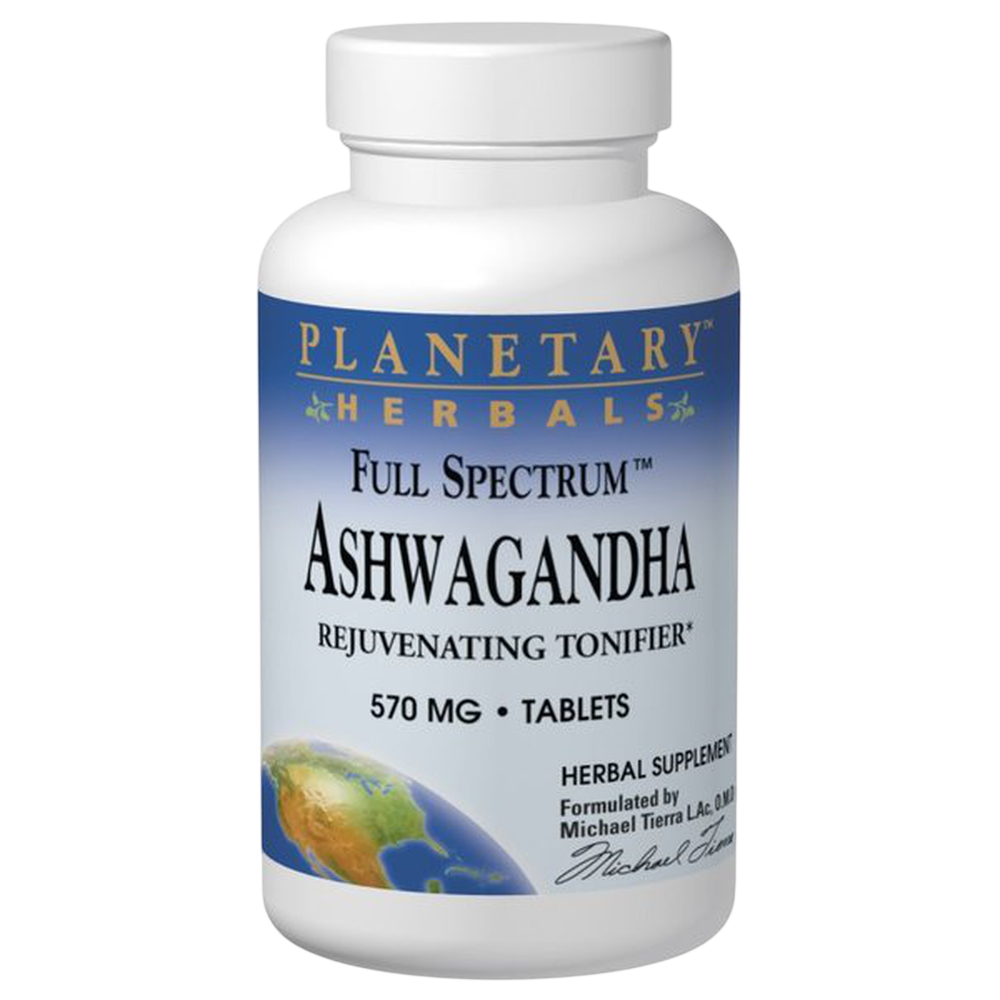
Modern life rarely slows down. Schedules tighten, demands pile up, and the body’s stress response runs longer than it was ever meant to. Over time, that constant low-grade pressure shows up everywhere, in your energy, your sleep, your focus, and your sense of calm. For thousands of years, traditional Ayurvedic practice has turned to one botanical above all others to help meet that pressure with steady, resilient calm: ashwagandha.
Ashwagandha, Full Spectrum brings that time-honored tradition into a clean, simple daily tablet.
It is a focused, single-ingredient formula featuring 570 mg of ashwagandha (Withania somnifera) per tablet, including both whole ashwagandha root and a concentrated root extract.* Ashwagandha is one of the most studied and widely used adaptogenic botanicals in the world, valued for its role in supporting the body’s healthy response to everyday stress, supporting a calm and relaxed mind, and supporting natural resilience.*
If you are looking for a clean, well-studied daily adaptogen to help meet the demands of modern life, this is where it begins.
