
You’re Not Imagining It: Your Body Is Running on a Schedule
You wake up one morning, and something feels… different. Maybe your sleep isn’t as deep as it used to be. Maybe you’re gaining weight around your midsection despite not changing a thing. Maybe your mood has taken on a life of its own. You’re not falling apart. Your hormones are simply following a timeline that began the day you were born.
Here’s the thing most people don’t know: hormonal change isn’t something that happens to you all at once in midlife. It’s a slow, deliberate, decade-by-decade shift, a biological story that your body has been quietly writing all along. When you understand the plot, the plot twists stop feeling so shocking.
This article is your guided tour through what’s actually happening hormonally at each stage of adult life, why it matters for how you feel every single day, and, most importantly, what you can actually do about it.
Why Your Hormones Matter More Than You Think
Hormones are your body’s original messaging system. Long before texts and emails, your cells communicated through an elaborate chemical language, and hormones were the words. They regulate your metabolism, sleep, mood, libido, immune response, bone density, cardiovascular health, and even how your brain forms memories.
When this system hums along in balance, you tend to feel like yourself: energized, resilient, mentally sharp, and emotionally stable. When it drifts out of balance, even slightly, the ripple effects show up everywhere: in your waistline, your relationships, your focus, your sleep, your skin, and your drive.
The challenge is that hormonal decline is gradual. It rarely announces itself with a dramatic entrance. Instead, it creeps in over the years, which is exactly why so many people spend an entire decade feeling “off” without ever connecting the dots.
Understanding your hormone timeline isn’t just academic. It’s the foundation of feeling well at every age.
The Science Behind the Shift
Your endocrine system, the network of glands that produce and release hormones, operates under an elegant feedback loop. The hypothalamus in your brain sends signals to the pituitary gland, which acts as the master conductor, directing organs such as the thyroid, adrenal glands, ovaries, and testes to produce their respective hormones. When levels are adequate, the brain eases off the signal. When levels drop, the brain sends a stronger sense of urgency.
The key players across the lifespan include:
Estrogen and progesterone, primarily produced in the ovaries, govern the menstrual cycle, bone density, cardiovascular protection, brain function, mood, and much more. They don’t just matter for reproduction.
Testosterone, produced in the testes and in smaller amounts by the adrenal glands and ovaries, drives libido, muscle mass, energy, motivation, and mental clarity in both men and women.
Cortisol is the adrenal stress hormone that also regulates blood sugar, inflammation, and immune function. Chronically high cortisol is one of the most underappreciated drivers of hormonal dysfunction at every age.
DHEA (dehydroepiandrosterone) is a precursor hormone made by the adrenal glands that converts into estrogen and testosterone as needed. It peaks in your mid-20s and declines steadily thereafter.
Thyroid hormones (T3 and T4) are the metabolic regulators. They influence everything from body temperature and weight to heart rate and mood.
Insulin is the hormone of energy storage. More than any other, insulin is the one you can influence most directly through lifestyle. Its dysfunction underlies type 2 diabetes, PCOS, weight gain, and accelerated aging.
Melatonin and growth hormone are the nighttime repairmen. Both are secreted during deep sleep and are essential for cellular repair, immune function, and tissue regeneration.
These hormones don’t operate in silos. They are deeply interconnected, and when one shifts, the others adjust in response, which is why hormonal health is never really about a single hormone.
Your 20s: The Peak That Feels Like a Guarantee
High Tide: Why You Shouldn’t Take It for Granted
Your 20s are, hormonally and in most ways, your biological prime. Estrogen, progesterone, testosterone, DHEA, growth hormone, and melatonin are all near or at their lifetime peaks. Your metabolism is efficient. You recover quickly. Sleep is restorative. Muscle is easier to build. Fertility is at its highest. Most people in their 20s feel invincible, and hormonally speaking, they have reason to.
But the seeds of future imbalance are often planted here, quietly, in the choices and lifestyle patterns that accumulate before the consequences become obvious.
For women, hormonal fluctuations during the menstrual cycle can already signal important things: irregular periods, severe PMS, acne, or heavy cycles can be early indicators of conditions like PCOS (polycystic ovary syndrome) or estrogen dominance, a state where estrogen is high relative to progesterone. These aren’t minor inconveniences to push through. They’re messages.
For men, testosterone typically peaks between the ages of 18 and 25. What most men don’t realize is that testosterone decline begins in the late 20s, slowly at about 1% per year, meaning that what feels like a permanent state of energy and drive is actually the beginning of a long, gradual descent.
Cortisol dysregulation is arguably the most common hormonal issue of the 20s. Chronic stress, poor sleep, the relentless demands of school or early career, erratic eating, heavy alcohol use, and overtraining can all push cortisol into chronic elevation, blunting sleep quality, promoting fat storage (particularly belly fat), and suppressing reproductive hormones.
Insulin sensitivity is also at its best in your 20s, but it can begin to erode quickly with a high-sugar, high-processed-food diet and a sedentary lifestyle. Building poor metabolic habits in your 20s has consequences that compound with each passing decade.
The 20s hormonal truth: You’re at your peak, but the habits formed now are actively writing your hormonal future.
Your 30s: The Quiet Beginning of Change
The Decade When Subtle Becomes Significant
The 30s are the decade when many people first notice that something has shifted and can’t quite explain why. Energy isn’t quite what it was. Sleep doesn’t feel as refreshing. Weight is creeping into new places. Recovery from a late night or a hard workout takes noticeably longer. For women in particular, the menstrual cycle may begin to show changes.
What’s actually happening? Several things at once.
Progesterone begins to decline first, often before estrogen and often before any obvious symptoms appear. Progesterone is the calming, sleep-promoting, anxiety-buffering hormone. As it drops, women may notice increased anxiety, irritability before their period, disrupted sleep, and shorter cycles. This is often labeled as “just stress,” but it has a hormonal driver.
DHEA has been declining since the mid-20s, and by the mid-30s, the drop is measurable. Since DHEA is a building block for both estrogen and testosterone, its decline contributes to reduced libido, lower energy, and early signs of decreased resilience under stress.
Cortisol, if chronically elevated through the 20s, begins to take a real toll. The concept of “adrenal fatigue” (though the term is clinically debated) describes the functional burnout of the HPA (hypothalamic-pituitary-adrenal) axis due to chronic stress overload. By the mid-to-late 30s, people who have run on stress and adrenaline for a decade often find themselves hitting a wall of exhaustion, poor stress tolerance, and relentless tiredness that no amount of coffee seems to fix.
For men, testosterone decline becomes more noticeable. The roughly 1% annual drop that began in the late 20s continues to accumulate. Motivation, gym performance, morning erections, and mental sharpness may all subtly dip. Many men in their mid-to-late 30s are experiencing what is now recognized as early andropause, though it rarely gets named or addressed at this stage.
Thyroid function can also begin to shift in the 30s, particularly for women. Hypothyroidism (underactive thyroid) is significantly more common in women and often emerges in the 30s or 40s. Weight gain, hair loss, constipation, cold intolerance, brain fog, and fatigue are classic signs, yet they can mimic many other conditions and are often missed.
The 30s hormonal truth: Small declines in multiple hormones create a cumulative effect. This is the decade to get proactive, not reactive.
Your 40s: The Plot Thickens
When the Body Stops Whispering and Starts Speaking Up
If the 30s are a whisper, the 40s are a conversation, and sometimes a loud one. For women, perimenopause typically begins somewhere in the early to mid-40s, though it can start earlier. For men, the testosterone decline that began years ago becomes functionally significant. For everyone, the metabolic, cognitive, and structural changes that were building quietly now become harder to ignore.
Perimenopause is one of the most misunderstood phases in women’s health. It’s not menopause; it’s the transition period leading up to it, which can last anywhere from 2 to 10 years. During this time, estrogen and progesterone levels fluctuate erratically rather than declining smoothly. This unpredictability is what drives the chaotic symptom profile: hot flashes, night sweats, irregular periods, mood swings, vaginal dryness, sleep disruption, heart palpitations, brain fog, and joint pain.
What makes perimenopause particularly confusing is that estrogen levels can spike high before they ultimately crash, which is why some women experience worse PMS, breast tenderness, and heavy periods before things settle into decline.
Estrogen also plays a major protective role in cardiovascular health and brain function. As it fluctuates and eventually drops, LDL cholesterol tends to rise, arterial flexibility decreases, and the risk profile for heart disease shifts. The brain, which has estrogen receptors throughout it, also begins to feel the effects, particularly in the areas governing memory and verbal fluency.
For men, the 40s often bring what’s loosely called andropause or late-onset hypogonadism. Testosterone may have dropped 15 to 20% or more from its peak. Symptoms including low libido, reduced muscle mass, increased body fat (particularly abdominal), fatigue, irritability, depression, and cognitive changes are often dismissed as “just getting older” or a “midlife crisis,” yet they have a measurable biological component.
If insulin resistance hasn’t been addressed, it becomes a dominant force in the 40s. As estrogen and testosterone decline, their protective effects on insulin sensitivity wane. Fat storage patterns shift; women begin gaining centrally (belly fat), and men who were always relatively lean may notice the same. This central adiposity is metabolically active in ways peripheral fat is not: it produces inflammatory compounds and can convert hormones itself, deepening the imbalance.
Cortisol and sleep architecture continue to deteriorate if stress isn’t managed. Deep, slow-wave sleep, during which growth hormone is secreted and cellular repair occurs, diminishes with age, and cortisol disruption accelerates this decline.
The 40s hormonal truth: This is the decade of greatest hormonal volatility and the most important decade for targeted intervention. Don’t wait for things to get worse.
Your 50s: The New Landscape
The Transition Is Complete: Now What?
For most women, menopause arrives sometime in the early to mid-50s (the average age is 51). Menopause is defined as 12 consecutive months without a menstrual period, marking the end of the ovarian production of estrogen and progesterone. The fluctuations of perimenopause give way to a new, lower hormonal baseline.
For many women, this transition brings unexpected relief; the unpredictability is over, and a new equilibrium settles in. For others, the symptoms of low estrogen persist or worsen: vaginal atrophy, urinary changes, bone loss, increased cardiovascular risk, continued cognitive changes, and dry skin. The extent of these symptoms varies widely, influenced by genetics, lifestyle, stress history, and whether any support, hormonal or otherwise, is offered.
Bone health becomes a critical concern. Estrogen directly regulates bone remodeling, keeping resorption (bone breakdown) in check. Without it, bone density can decline rapidly in the years immediately following menopause, a window when the groundwork for osteoporosis is laid. The 50s are not too late to intervene, but they demand attention.
For men, testosterone levels by the mid-50s may be 25 to 30% below peak. Many men at this stage are clinically low-normal or frankly low, with symptoms that significantly affect quality of life. The protective effects of testosterone on cardiovascular health, metabolic function, and muscle mass are likewise diminished.
Thyroid function continues to need monitoring. Both hypothyroidism and hyperthyroidism become more common with age, and the symptoms, particularly fatigue and cognitive changes, are easily attributed to aging itself rather than an addressable thyroid imbalance.
Melatonin production drops significantly in the 50s and beyond, contributing to the lighter, more fragmented sleep that many older adults experience. This matters beyond just feeling tired: melatonin is a potent antioxidant and immune regulator, and its decline contributes to increased cellular oxidative stress.
Adrenal hormones become more important as the gonads produce less. The adrenal glands take on more of the hormonal workload, producing DHEA, small amounts of estrogen and testosterone, and regulating stress response. Supporting adrenal health in the 50s becomes increasingly relevant.
The 50s hormonal truth: The transition is largely complete. This is the decade to build the foundation in bones, heart, brain, and metabolism that will determine health in the decades ahead.
Beyond 60: The Long Game
Hormones Don’t Stop Mattering; They Matter Differently
One of the most persistent myths about hormonal health is that it stops being relevant after menopause or a certain age. In reality, hormones continue to play a profound role in quality of life well into the 70s, 80s, and beyond; they simply do so from a different baseline.
Testosterone in men continues to decline, and by age 70, many men have testosterone levels less than half of their peak. The consequences, including frailty, muscle loss (sarcopenia), cognitive decline, depression, and reduced immune function, are well-documented and significantly impact longevity and independence.
In women, though low, estrogen is not absent. Postmenopausal women still produce small amounts of estrogen from the adrenal glands and via peripheral conversion in fat tissue. This residual estrogen continues to have protective effects, and its presence or absence helps explain some of the wide variation in how women age.
Insulin sensitivity continues to decline with age, independent of weight changes, underscoring the importance of blood sugar management in healthy aging. The relationship between insulin resistance and cognitive decline, including Alzheimer’s disease, which some researchers describe as a form of “type 3 diabetes,” gives metabolic health an entirely new level of importance.
Inflammation, regulated in part by hormones, becomes a primary driver of age-related disease. Chronically elevated inflammatory markers are associated with cardiovascular disease, cancer, neurodegeneration, and arthritis. This “inflammaging,” the low-grade chronic inflammation of aging, is influenced by hormonal decline, stress, diet, gut health, and lifestyle.
Growth hormone and IGF-1 (insulin-like growth factor 1), which promote tissue repair and cellular regeneration, are a fraction of their youthful levels by the 60s. Deep sleep, the primary stimulus for growth hormone release, becomes even more critical and harder to achieve.
The beyond-60 hormonal truth: Hormones continue to matter. Optimizing what remains through lifestyle, targeted nutrition, sleep, stress management, and appropriate supplementation is the science of aging well.
What You Can Do: Practical Strategies That Work at Every Age
The Foundation: Non-Negotiables Across the Lifespan
Prioritize sleep above almost everything else. Most hormonal repair happens during sleep: cortisol recalibrates, growth hormone surges, melatonin provides antioxidant protection, and insulin sensitivity resets. Consistently getting 7 to 9 hours of quality sleep is arguably the single most powerful hormonal intervention available. Sleep hygiene practices such as consistent bedtimes, a cool, dark room, limiting evening blue light exposure, and avoiding alcohol close to bedtime make a measurable difference.
Manage blood sugar, not just weight. Insulin is the hormone you can influence most through what you eat. A diet that prioritizes protein and fiber, limits refined carbohydrates and added sugars, and avoids prolonged fasting or extreme restriction helps keep insulin within its functional range. Eating regular, balanced meals rather than grazing all day also supports healthy cortisol rhythms.
Move your body, but don’t overdo it. Resistance training is one of the most evidence-based interventions for hormonal health at every age. It improves insulin sensitivity, supports testosterone and growth hormone production, preserves bone density, and reduces cortisol levels. Chronic overexercising, particularly excessive cardio without adequate recovery, can raise cortisol levels, suppress reproductive hormones, and disrupt hormonal balance. Moderate, consistent movement beats extreme, sporadic efforts every time.
Address chronic stress as a clinical issue, not a lifestyle complaint. Chronically elevated cortisol suppresses thyroid function, reduces testosterone and progesterone, disrupts sleep, promotes insulin resistance, and accelerates aging at the cellular level. Breathwork, meditation, time in nature, social connection, and healthy boundaries around work are not luxuries; they are hormonal medicine.
Lifestyle Strategies for Each Decade
In your 20s: Build the habits. Prioritize sleep, eat whole foods, manage stress before it becomes chronic, limit alcohol, and begin resistance training. Investigate irregular periods or extreme PMS; they’re worth understanding now.
In your 30s: Get tested. Ask your doctor about a full hormonal panel, including thyroid, DHEA-S, estradiol, progesterone, and testosterone. Track your menstrual cycle if you have one. Take adrenal health seriously. Don’t wait for symptoms to become disabling.
In your 40s: Perimenopause is real and deserves a real conversation with a knowledgeable provider. Prioritize bone density testing. Double down on resistance training. Reduce refined carbohydrates and prioritize sleep as key metabolic interventions. Don’t dismiss cognitive changes or mood shifts as “just stress.”
In your 50s and beyond: Protect your bones, heart, and brain with intentionality. Keep resistance training central to your exercise routine. Embrace anti-inflammatory nutrition. Consider a comprehensive hormonal evaluation with a provider who specializes in this area. Support gut health, which plays a significant role in hormone metabolism.
Supplement Considerations
Targeted nutritional supplementation can play a meaningful supportive role across the hormonal lifespan. While no supplement replaces the foundational work of sleep, diet, and lifestyle, several supplements are well supported by research for specific hormonal needs at each life stage.
Key areas where supplementation can be valuable include:
Adaptogenic herbs such as ashwagandha and Rhodiola rosea have well-documented effects on cortisol regulation, stress resilience, and support for the HPA axis. They are relevant across every decade but particularly valuable during the high-stress years of the 30s and 40s.
Magnesium is one of the most universally deficient minerals in the modern diet. It is critical for over 300 enzymatic reactions, including those involved in cortisol regulation, blood sugar balance, sleep quality, and estrogen metabolism. Most adults benefit from supplementation.
Vitamin D3 with K2 is foundational to hormonal health. Vitamin D functions as a prohormone, and deficiency is associated with low testosterone, poor immune function, insulin resistance, and impaired thyroid function. K2 ensures that calcium from Vitamin D goes to bones rather than arteries, which is especially important in the post-menopausal years.
B-complex vitamins, particularly B6, B9 (folate), and B12, are essential cofactors in estrogen metabolism and neurotransmitter production. They support mood, energy, and the liver’s ability to clear excess hormones.
Omega-3 fatty acids (EPA and DHA) reduce systemic inflammation, support cardiovascular health, protect brain function, and have been shown to modulate the cortisol response and help resolve hormonal symptoms, particularly in perimenopause.
Myo-inositol and D-chiro-inositol are particularly well-studied for insulin sensitivity and PCOS-related hormonal imbalance in women of reproductive age.
Zinc is a critical cofactor for testosterone production, thyroid function, and immune regulation, and it is commonly depleted by chronic stress and high-carbohydrate diets.
Phytoestrogen-containing botanicals such as black cohosh, red clover, and dong quai have a long history of use in supporting hormonal transitions, particularly in perimenopause and menopause, with a generally favorable safety profile.
The quality and bioavailability of supplements vary enormously by manufacturer and formulation. Working with a healthcare provider who can recommend professional-grade products tailored to your specific hormonal profile will always yield better outcomes than navigating a crowded supplement marketplace on your own.
The Bigger Picture
Your hormones are not your destiny, but they are your context. They shape the terrain on which everything else in your health plays out. Understanding where you are in your hormonal timeline transforms symptoms from mysteries into messages, and transforms aging from something that happens to you into something you can actively navigate.
The good news is this: meaningful intervention is possible every decade. The 30-year-old who starts tracking her cycle and reducing her stress is writing a different hormonal story than the one who ignores the signals. The 50-year-old who commits to resistance training, anti-inflammatory nutrition, and targeted support is building a very different body for their 60s and 70s.
Your hormones have been on this timeline all along. Now you know the schedule and what to do at each stop.
Summary
Hormones govern nearly every system in the body, from metabolism and mood to immunity and cognition.
Hormonal decline is gradual and decade-specific, not a sudden event.
The 20s represent peak hormonal output, but the habits formed here determine future trajectory.
The 30s bring the first meaningful declines in progesterone, DHEA, and early-stage testosterone, often manifesting as fatigue, mood changes, and reduced resilience.
The 40s are the most hormonally volatile decade, marked by perimenopause in women and significant andropause progression in men.
The 50s see the completion of menopause and continued male hormonal decline, with bone, cardiovascular, and cognitive health rising as primary concerns.
Beyond 60, hormones still matter, particularly for metabolic health, muscle mass, cognition, and longevity.
Lifestyle interventions, including sleep, resistance training, blood sugar regulation, and stress management, are powerful hormonal medicine at every age.
Targeted supplementation with high-quality, bioavailable formulas can meaningfully support the body’s hormonal needs at each life stage.
References
Burger HG. (2002). Androgen production in women. Fertility and Sterility, 77(4 Suppl 4), S3-5.
Davis SR, Lambrinoudaki I, Lumsden M, et al. (2015). Menopause. Nature Reviews Disease Primers, 1, 15004.
Feldman HA, Longcope C, Derby CA, et al. (2002). Age trends in the level of serum testosterone and other hormones in middle-aged men: longitudinal results from the Massachusetts Male Aging Study. Journal of Clinical Endocrinology and Metabolism, 87(2), 589-598.
Genazzani AD. (2020). Neuroendocrine aspects of amenorrhea related to diet, exercise, and stress. Frontiers in Endocrinology, 11, 12.
Handa RJ, Weiser MJ. (2014). Gonadal steroid hormones and the hypothalamo-pituitary-adrenal axis. Frontiers in Neuroendocrinology, 35(2), 197-220.
Kapoor E, Collazo-Clavell ML, Faubion SS. (2017). Weight gain in women at midlife: a concise review of the pathophysiology and strategies for management. Mayo Clinic Proceedings, 92(10), 1552-1558.
Labrie F. (2010). DHEA is an important source of sex steroids in men and even more in women. Progress in Brain Research, 182, 97-148.
Manson JE, Bassuk SS. (2012). Vitamin D research and clinical practice: at a crossroads. JAMA, 307(24), 2617-2618.
Prior JC. (2011). Perimenopause: the complex endocrinology of the menopausal transition. Endocrine Reviews, 19(4), 397-428.
Sattler FR. (2013). Growth hormone in the aging male. Best Practice and Research Clinical Endocrinology and Metabolism, 27(4), 541-555.
Veldhuis JD, Sharma A, Roelfsema F. (2013). Age-dependent and gender-dependent regulation of the hypothalamic-adrenocorticotropic-adrenal axis. Endocrinology and Metabolism Clinics of North America, 42(2), 201-225.
Veldhuis JD, Iranmanesh A, Evans WS, et al. (1992). Amplitude suppression of the pulsatile mode of immunoradiometric LH release is a distinctive feature of sleep in normal men. Journal of Clinical Endocrinology and Metabolism, 74(1), 44-51.
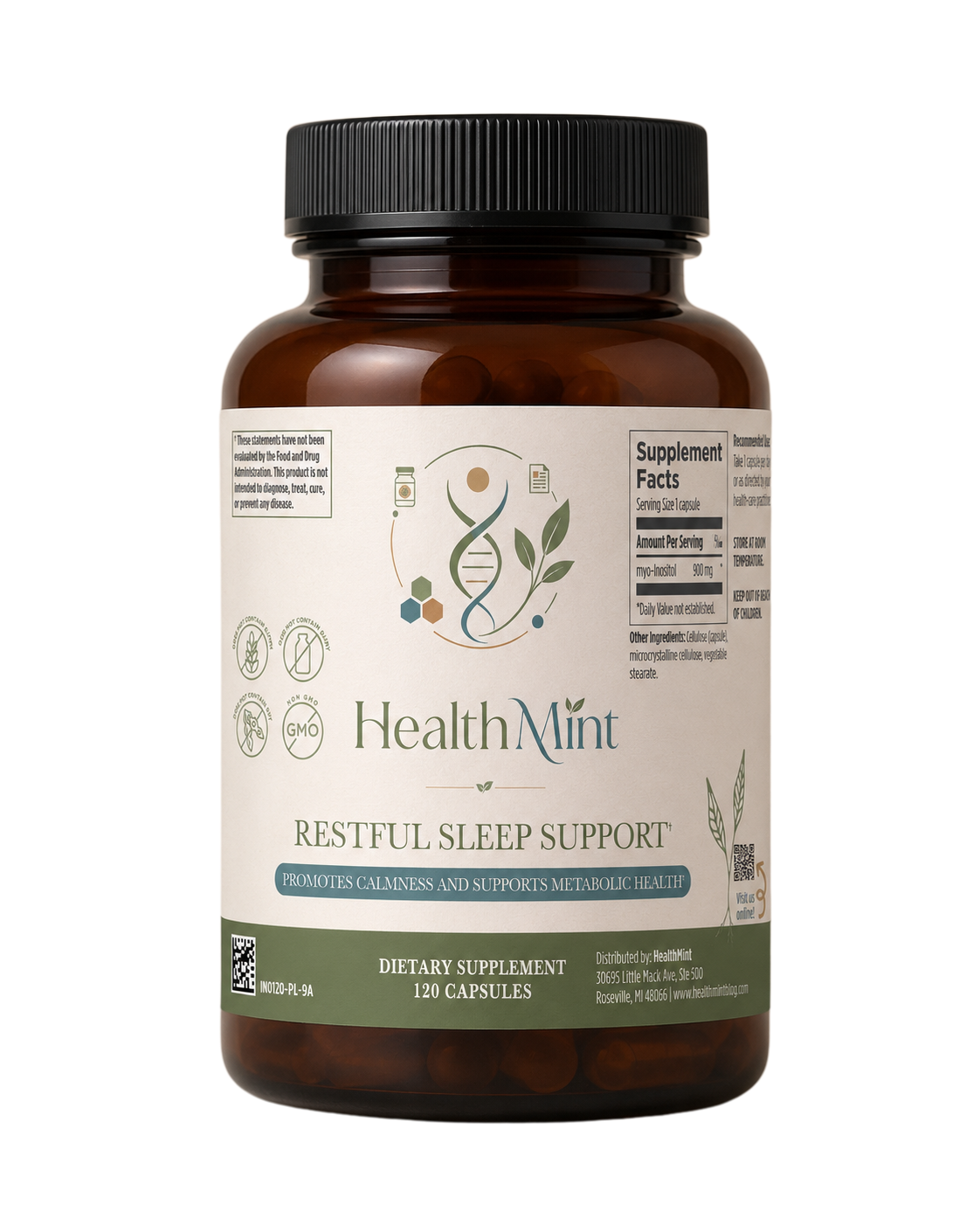
A good night’s sleep is one of the most foundational things you can give your body. It is when your mind resets, your body restores, and your mood and energy for the next day are set in motion. Yet for so many people, that simple, essential act has become surprisingly hard to come by. Busy schedules, racing thoughts, screens, stress, and the steady hum of modern life can all stand in the way of the rest your body is asking for.
Restful Sleep Support was built to support your body in returning to its natural, restful state.
It is a clean, single-ingredient formula featuring 900 mg of myo-inositol per capsule, the most bioavailable form of inositol, sometimes called vitamin B8.* Inositol is a naturally occurring compound found in every cell of your body, with its highest concentrations in your brain and central nervous system, where it plays a role in the signaling pathways your body uses to support a relaxed, calm state and restful sleep.*
If you are looking for a thoughtful, non-habit-forming approach to your nightly wind-down, this is where it begins.
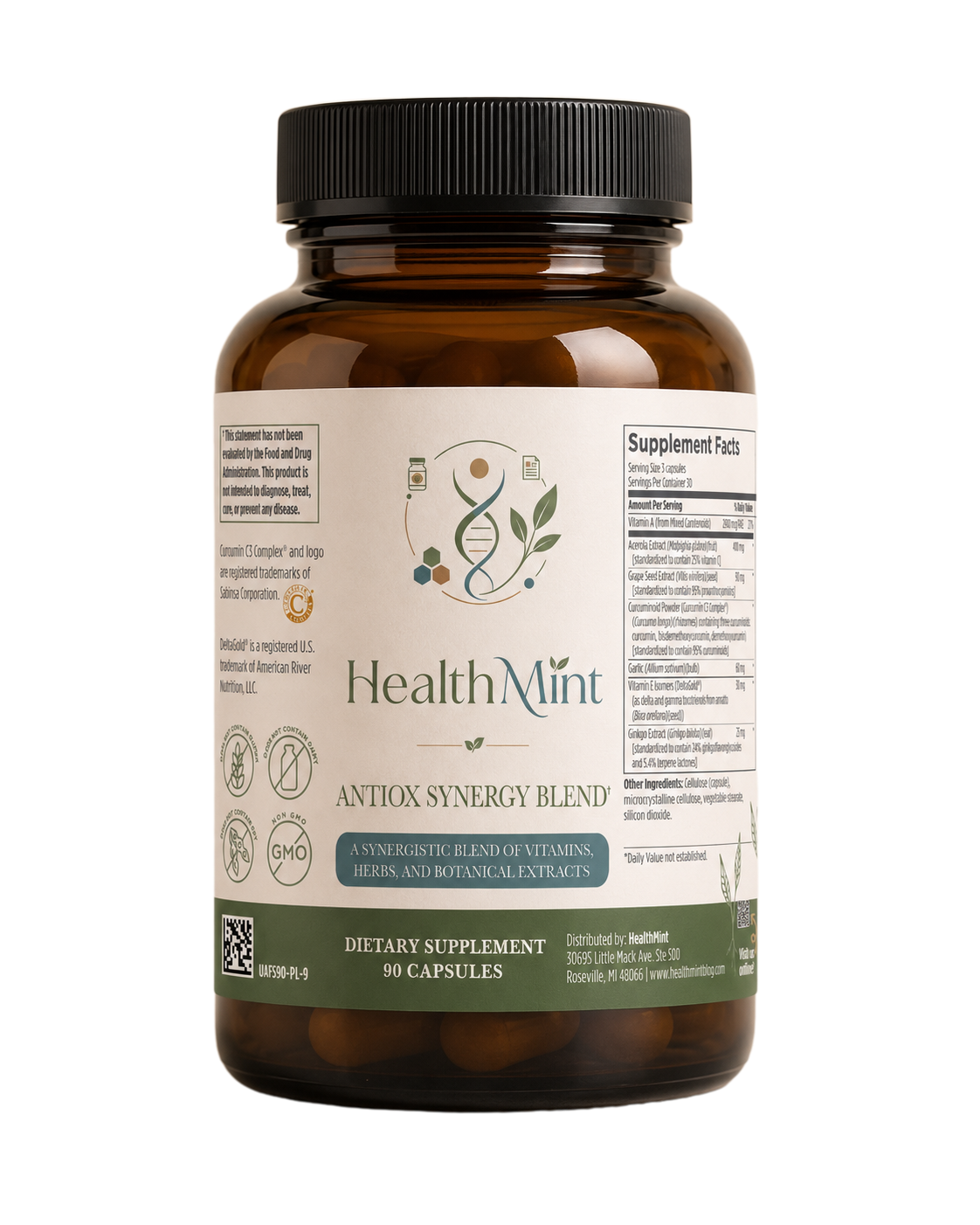
Every day, your body faces a quiet stream of free radicals. Stress, environmental exposures, sun, less-than-perfect meals, and the simple act of being alive all generate the oxidative pressure that, over time, can take a toll on how you look, feel, and function.* The good news is that your body has an entire defense system designed to handle it, and that system runs on antioxidants.
Antiox Synergy Blend was built to give that system a serious daily upgrade.
It is a comprehensive, broad-spectrum antioxidant formula that brings together more than fifteen carefully chosen vitamins, herbs, botanicals, and spices in a single supplement.* Inside every three-capsule serving is a thoughtful pairing of classic antioxidant vitamins like A, C, and E with modern polyphenol heroes like curcumin, resveratrol, quercetin, and rutin, plus a layered blend of culinary herbs and spices known for their rich antioxidant content.*
If you want a daily antioxidant strategy that goes beyond a basic multivitamin, this is where it lives.
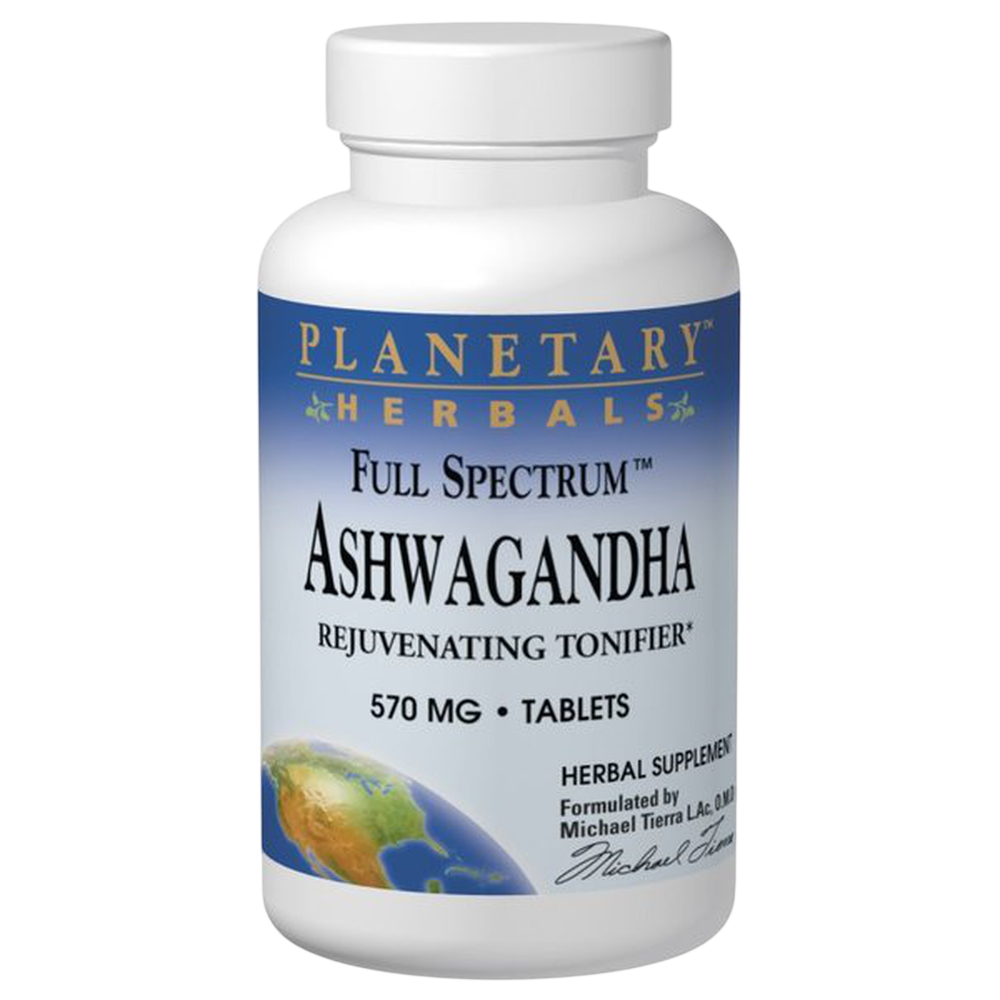
Modern life rarely slows down. Schedules tighten, demands pile up, and the body’s stress response runs longer than it was ever meant to. Over time, that constant low-grade pressure shows up everywhere, in your energy, your sleep, your focus, and your sense of calm. For thousands of years, traditional Ayurvedic practice has turned to one botanical above all others to help meet that pressure with steady, resilient calm: ashwagandha.
Ashwagandha, Full Spectrum brings that time-honored tradition into a clean, simple daily tablet.
It is a focused, single-ingredient formula featuring 570 mg of ashwagandha (Withania somnifera) per tablet, including both whole ashwagandha root and a concentrated root extract.* Ashwagandha is one of the most studied and widely used adaptogenic botanicals in the world, valued for its role in supporting the body’s healthy response to everyday stress, supporting a calm and relaxed mind, and supporting natural resilience.*
If you are looking for a clean, well-studied daily adaptogen to help meet the demands of modern life, this is where it begins.
