
Your Energy, Libido, and Mood May All Come Down to This One Hormone Nobody’s Talking About
You’re Not Imagining It. Something Has Shifted
You used to bounce out of bed. You had drive, desire, and the kind of mental sharpness that made you feel like yourself. Now you are dragging through afternoons, your interest in sex has quietly faded to the background, and your mood feels like it is running on fumes.
You have probably blamed stress, poor sleep, getting older, or just “life.” And while those things certainly play a role, there is a deeper biochemical story unfolding, one that most conventional medicine largely ignores. It centers on a hormone called DHEA (dehydroepiandrosterone), and it may be the missing piece in how you feel every single day.
Why DHEA Deserves a Seat at the Table
In the world of hormonal health, testosterone and estrogen get all the airtime. DHEA, by contrast, is rarely part of the conversation, which is strange given that it is the most abundant steroid hormone in the human body. It is the raw material, the upstream precursor, from which your body manufactures dozens of other hormones, including both testosterone and estrogen.
Think of DHEA as the master hormone. When levels are healthy, the rest of your hormonal orchestra tends to play in tune. When DHEA declines, downstream effects can be felt across nearly every system in your body, including your energy, mood, libido, cognitive sharpness, and even your immune function and stress resilience.
And here is the part most people do not know: DHEA levels begin declining in your mid-to-late 20s and continue dropping by roughly 10 to 20 percent per decade. By the time most people reach their 50s and 60s, they may have only 10-20% of the DHEA they had at their peak. That is not a subtle shift. It is a dramatic biochemical change that can quietly reshape how you feel over the course of years.
The Science Behind the Decline (Without the Medical Textbook)
DHEA is produced primarily in the adrenal glands, two walnut-sized glands that sit just above your kidneys, as well as in smaller amounts in the brain and gonads. Once released into the bloodstream, it circulates mostly as DHEA-sulfate (DHEA-S), a stable storage form that your tissues can convert into active DHEA on demand.
From there, the body uses DHEA as a building block. Depending on what your tissues need at any given moment, DHEA can be converted into androgens, such as testosterone, or into estrogens. This on-demand conversion system is one reason DHEA has such wide-ranging effects. It is essentially a hormonal Swiss Army knife.
Research has also revealed that DHEA plays direct roles in the brain, independent of its conversion into other hormones. It acts on GABA receptors, the same receptors targeted by anti-anxiety medications, and on NMDA receptors involved in memory, learning, and mood regulation. This is part of why low DHEA is consistently associated with symptoms of depression, anxiety, and cognitive fog.
The adrenal connection matters for another reason: chronic stress is one of the most potent suppressors of DHEA production. Under ongoing stress, your body prioritizes cortisol, the stress hormone, over DHEA production. They essentially compete for the same precursor, pregnenolone, and cortisol tends to win. This is why people under prolonged stress often feel simultaneously wired and depleted. Their cortisol may be elevated while their DHEA has been quietly siphoned away.
What Low DHEA Actually Feels Like
Here is where the science becomes personal. Low DHEA does not announce itself with a dramatic symptom. It tends to show up as a constellation of things you might otherwise chalk up to aging, burnout, or just being off.
Fatigue that sleep does not fix. Not the tired-after-a-bad-night kind, but a deeper, pervasive low-energy state that makes even motivated people feel like they are wading through mud. DHEA supports mitochondrial function and cellular energy metabolism, so when it declines, the body’s ability to generate and sustain cellular energy can diminish.
Declining libido. This is one of the most commonly reported symptoms, affecting both men and women. Because DHEA is a primary precursor to testosterone, falling DHEA levels can directly reduce the hormonal fuel behind sexual desire, arousal, and satisfaction. In women, this is especially significant during perimenopause and menopause, when DHEA conversion becomes the primary source of both androgens and some estrogens.
Mood changes, especially low-grade depression and irritability. Studies using DHEA supplementation in individuals with depression have shown meaningful improvements in mood, and the neurological mechanisms are well established. DHEA has anti-glucocorticoid properties, meaning it can counteract some of the brain-damaging effects of excess cortisol.
Cognitive changes. Brain fog, difficulty concentrating, and a sense that your memory is not quite as sharp are consistent reports from people with low DHEA. The hormone’s role in supporting neuroplasticity and neurotransmitter function makes this connection biologically coherent rather than merely anecdotal.
Loss of motivation and drive. Beyond mood and energy, there is a specific quality-of-life element, the sense of forward momentum, ambition, and enthusiasm, that seems closely tied to DHEA levels, likely through its downstream influence on testosterone and dopamine pathways.
Practical Ways to Support Healthy DHEA Levels
Before reaching for supplements, consider lifestyle factors that influence DHEA production. Several well-studied interventions can meaningfully support your body’s own output.
Prioritize sleep as if it were a prescription. DHEA follows a circadian rhythm, peaking in the early morning hours, meaning that deep, quality sleep directly supports its production. Even modest sleep restriction has been shown to reduce DHEA-S levels. Seven to nine hours of uninterrupted sleep is not a luxury. It is hormonal maintenance.
Manage your stress load strategically. Since chronic stress is one of the most reliable ways to suppress DHEA, anything that meaningfully lowers cortisol also protects DHEA. Practices such as meditation, breathwork, and time spent in nature have measurable effects on the cortisol-to-DHEA ratio. Even 10 to 15 minutes of daily mindfulness practice has been shown to shift this ratio in a favorable direction.
Exercise, but not to extremes. Moderate, consistent physical activity supports DHEA levels, whereas overtraining and excessive endurance exercise can suppress them by chronically elevating cortisol. Resistance training in particular has been associated with favorable DHEA responses and is especially valuable as we age.
Eat to support your adrenals. The adrenal glands require adequate zinc, magnesium, vitamin C, and B vitamins to function optimally. A nutrient-dense, whole-foods diet that prioritizes healthy fats, since steroid hormones are synthesized from cholesterol, and minimizes ultra-processed foods, gives the adrenals what they need to produce DHEA efficiently.
Lifestyle Strategies Worth Doubling Down On
Beyond the fundamentals, a few targeted lifestyle practices have demonstrated particular value for supporting DHEA levels.
Cold exposure. Emerging research on cold water immersion and cold showers suggests favorable effects on adrenal function and hormonal balance, including DHEA. The mechanisms likely involve the adaptive hormetic response, a form of controlled stress that builds resilience rather than depleting it.
Reduce alcohol. Even moderate alcohol intake has measurable suppressive effects on DHEA levels. This is one of the lesser-known reasons why people often notice hormonal symptoms when alcohol consumption increases over time.
Address underlying inflammation. Chronic low-grade inflammation, the kind driven by poor diet, gut dysfunction, and sedentary behavior, correlates strongly with reduced DHEA production. An anti-inflammatory lifestyle is not just good for your heart. It directly supports your hormonal terrain.
Morning sunlight exposure. Regular morning sunlight helps regulate the HPA axis, the hypothalamic-pituitary-adrenal axis that governs cortisol and DHEA output. Getting outside for even 20 to 30 minutes in the morning supports both circadian rhythm and adrenal health.
Supplement Considerations
For some individuals, particularly those over 40, under sustained stress, or with confirmed low DHEA-S on lab work, targeted supplementation can offer meaningful support. DHEA is available as a standalone supplement and as part of comprehensive adrenal and hormonal support formulas. Pregnenolone, the upstream precursor to DHEA, is another option that supports broader hormonal balance. Adaptogenic herbs, including ashwagandha, Rhodiola, and Eleuthero, are well-researched for their ability to modulate the cortisol-to-DHEA balance by supporting adrenal resilience under stress.
It is worth noting that DHEA supplementation is one area where dosing genuinely matters and individual variation is significant. Working with a knowledgeable practitioner and obtaining baseline lab work before supplementing is always the recommended starting point.
The Bottom Line
If you have been feeling like a dimmer version of yourself, less energized, less engaged, and less interested in the things that used to light you up, it may not be all in your head, and it may not simply be the inevitable cost of getting older. DHEA is a powerful, multifunctional hormone whose decline maps closely onto the symptoms that so many adults quietly accept as their new normal.
The good news is that DHEA levels are genuinely responsive to your lifestyle. Sleep, stress management, movement, nutrition, and targeted support, where needed, can shift the trajectory. Understanding the role DHEA plays is the first step, and from there, you have real tools to work with.
Your energy, your mood, and your desire for life do not have to be casualties of time. Sometimes they need the right support.
*This article is for educational purposes and is not intended as medical advice. Please consult with a qualified healthcare provider before beginning any new supplement protocol, particularly one involving hormones.
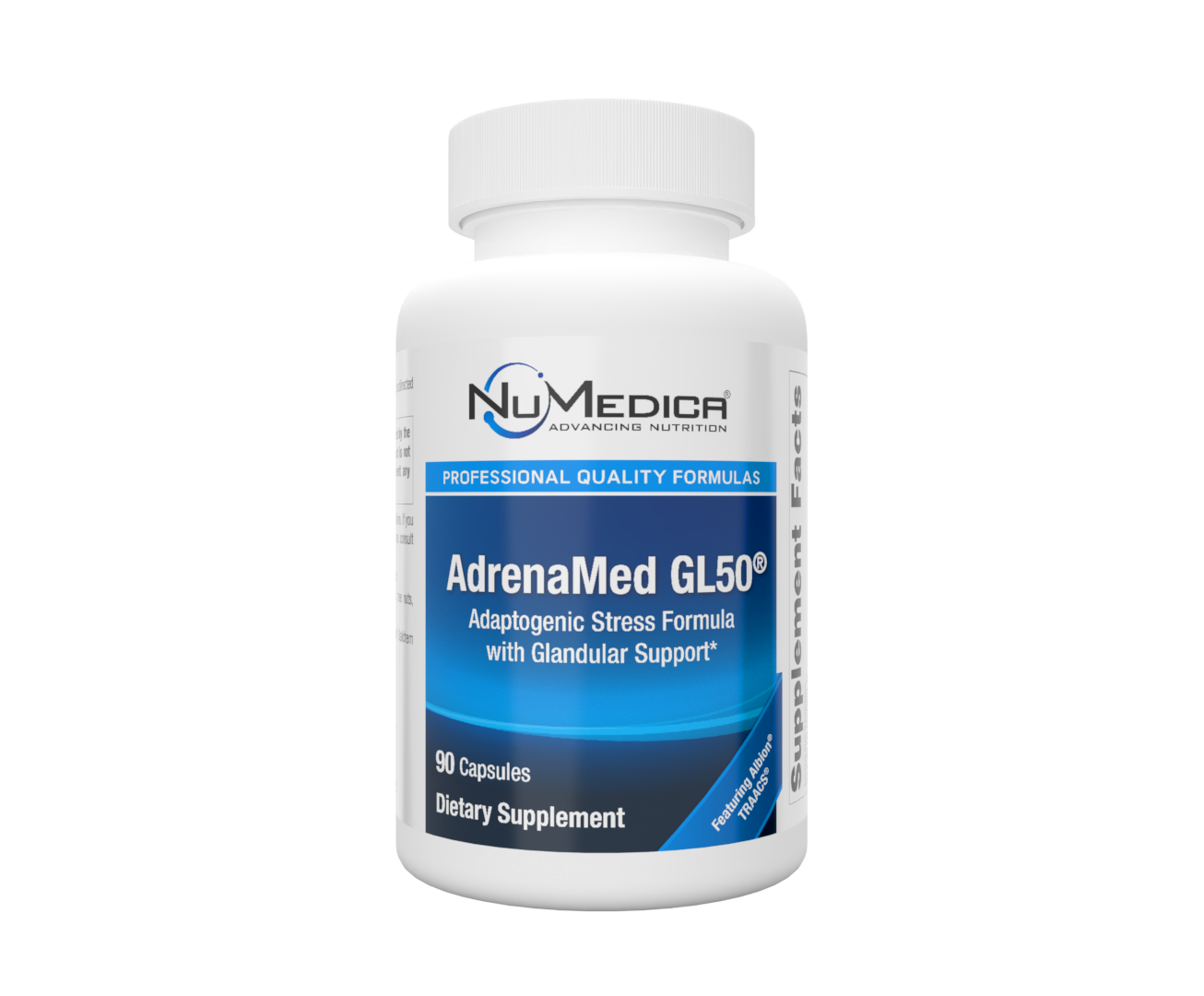
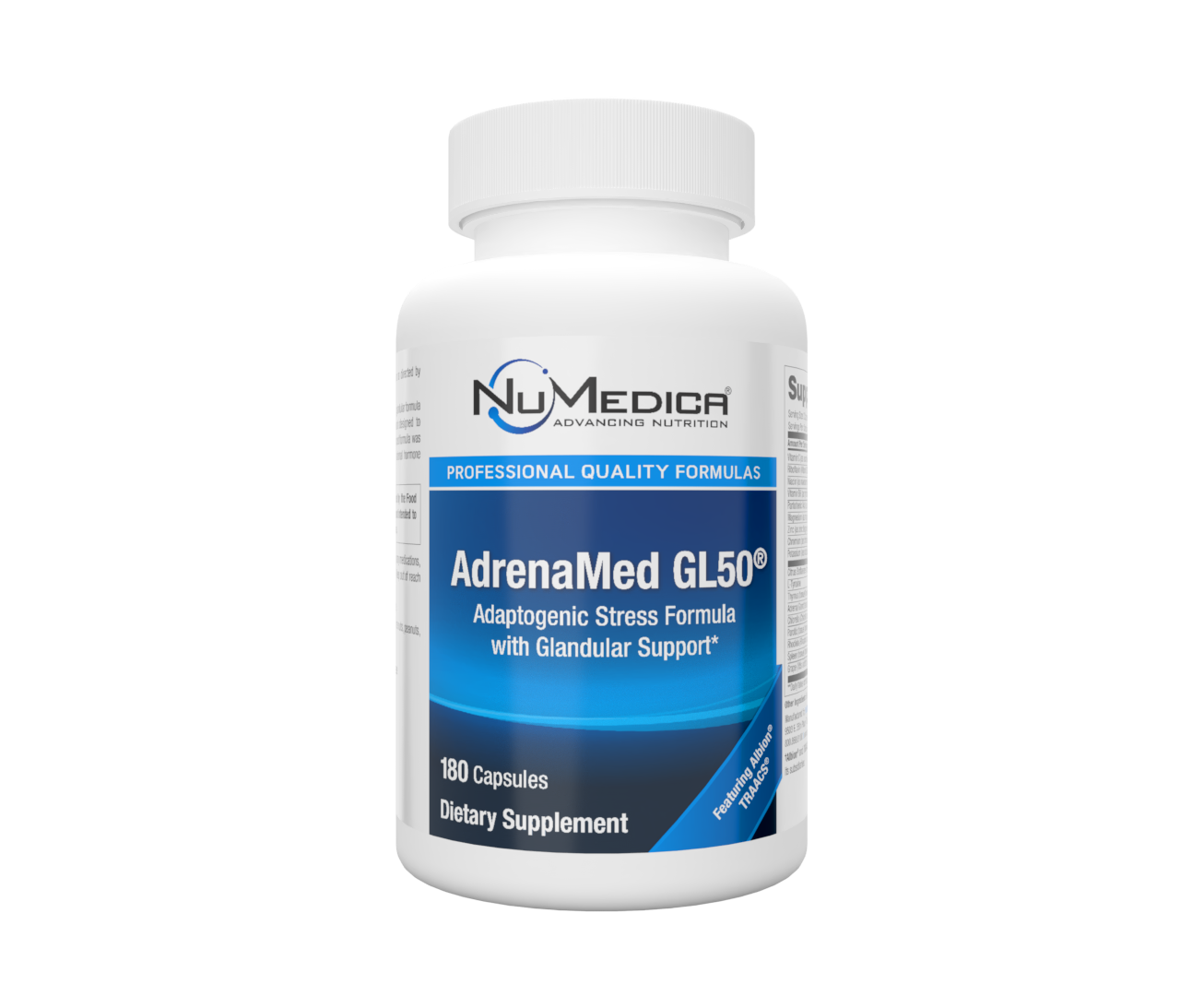
Modern life rarely slows down. Deadlines stack, schedules tighten, and the body’s stress response keeps running long after the moment has passed. At the center of how your body manages those daily demands sit your adrenal glands, two small organs that produce many of the hormones your body uses to respond to stress and maintain everyday energy.* Like every part of your body, the adrenals depend on a steady supply of specific nutrients to do their job well.
AdrenaMed® GL50 was built to be that comprehensive nutritional foundation.
It is a thoughtfully balanced formula that brings together activated B vitamins, vitamin C with citrus bioflavonoids, key minerals, the adaptogenic herb Rhodiola rosea, the amino acid L-tyrosine, and a curated blend of bovine glandular tissues to support a healthy stress response.* Each ingredient was chosen for its role in supporting one of the systems your body uses to navigate the demands of daily life.*
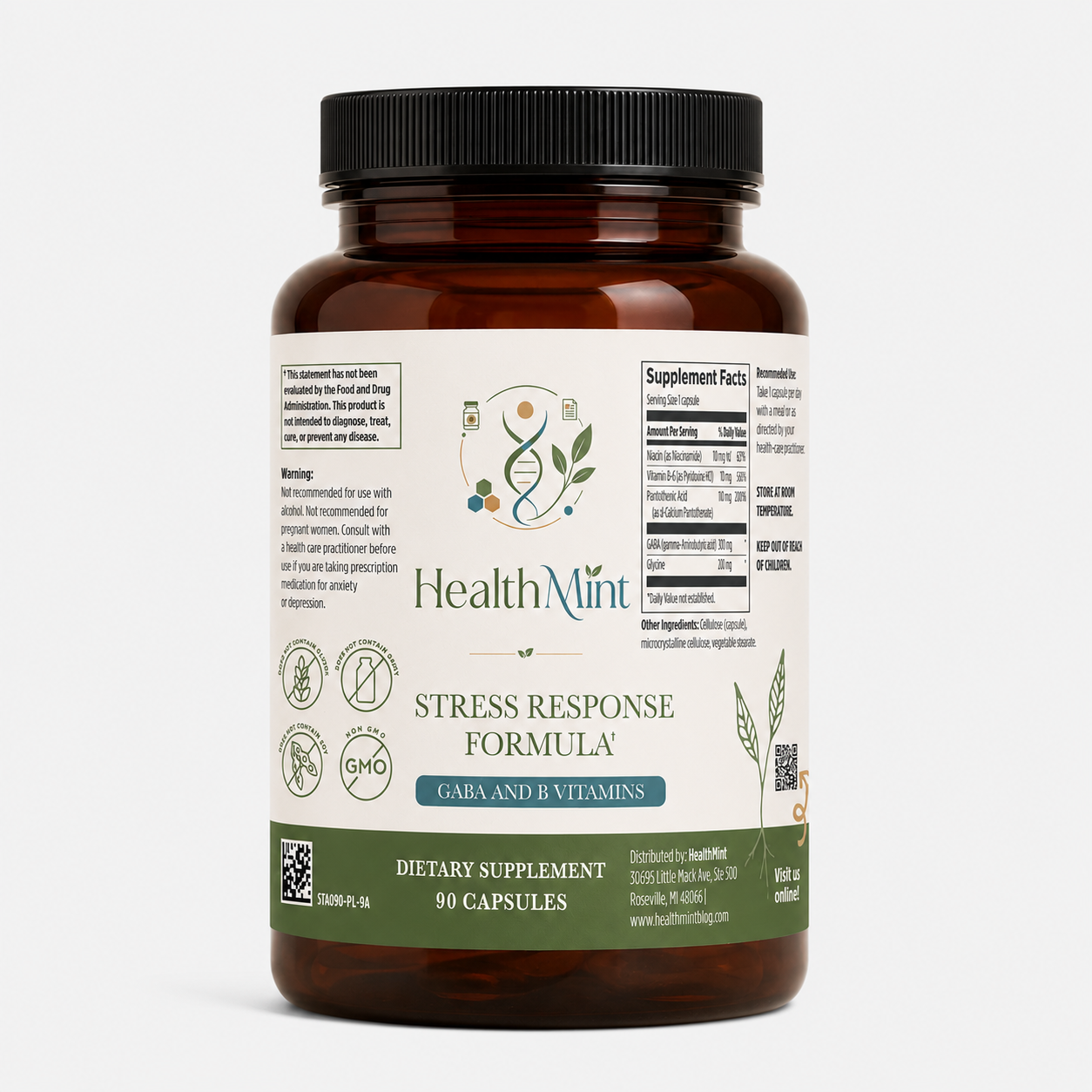
Modern life rarely slows down. Deadlines stack. Schedules tighten. The body’s stress response keeps running long after the moment has passed. Over time, that constant low-grade pressure can leave you feeling wired, drained, and disconnected from your own sense of calm.
The Stress Response Formula was built to help your body meet those demands with greater resilience.
It is a synergistic blend of GABA, glycine, and key B vitamins, thoughtfully formulated to support a healthy response to stress.* The B vitamins inside, including Niacin, Vitamin B6, and Pantothenic Acid, are essential cofactors for adrenal function, cellular energy production, and neurotransmitter synthesis, all of which can be taxed during periods of heightened stress.* GABA and glycine, two calming amino acids that act as inhibitory neurotransmitters, help support a sense of calm and relaxation when daily life feels anything but.*
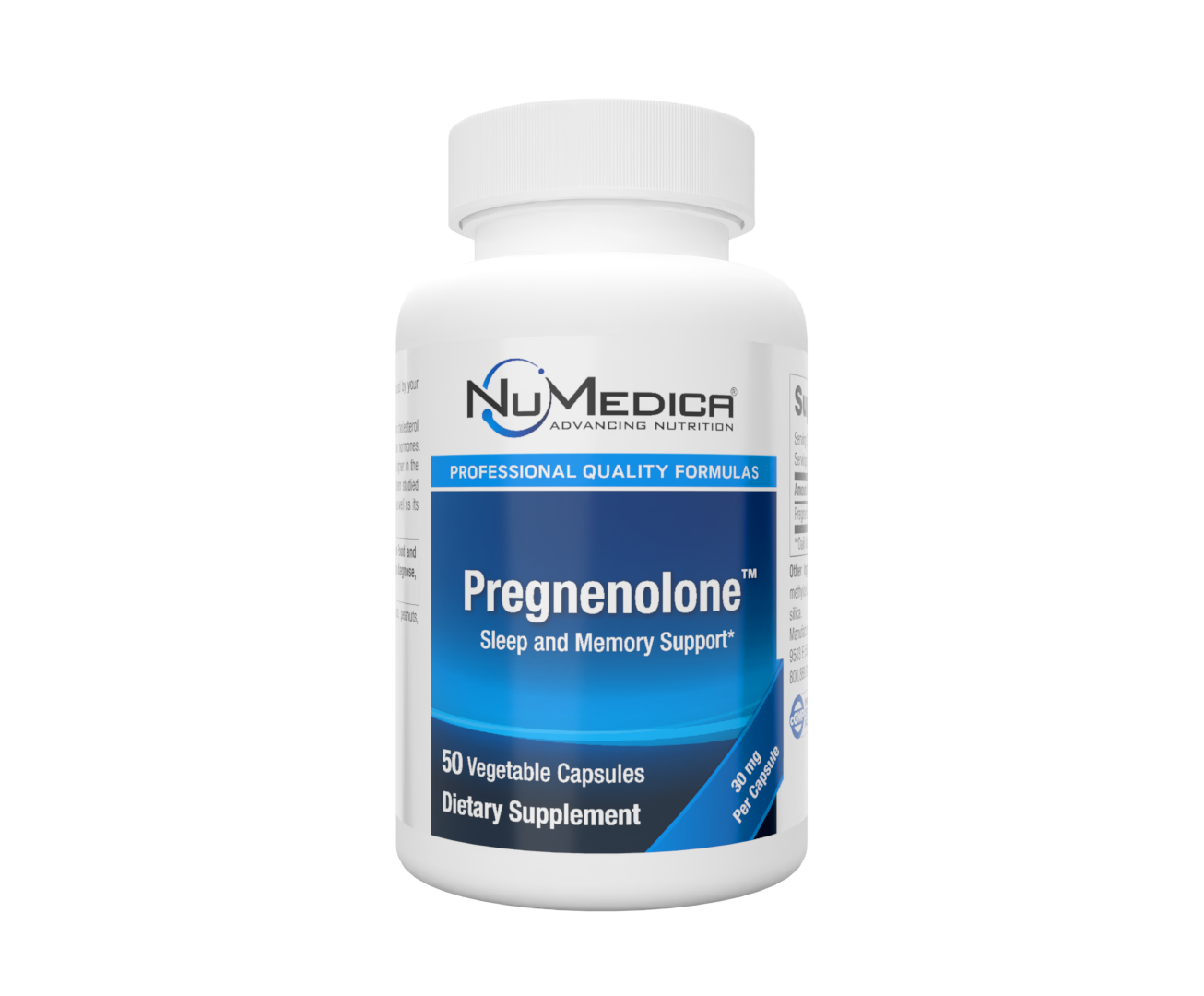
Pregnenolone is a prohormone that is synthesized from cholesterol and can be converted to progesterone, DHEA and other hormones. Studies have shown that pregnenolone concentration is higher in the nervous system than in the blood stream, and it has been studied for its potential to promote sleep quality and memory, as well as its possible anti-aging properties.*
