
Let’s Talk About the Thing Nobody Wants to Bring Up First
There’s a cruel irony at the heart of endometriosis: a condition that affects some of the most intimate parts of a woman’s body often goes completely undiscussed in the spaces where it matters most, including the doctor’s office, the bedroom, and even between partners who love each other deeply.
If sex has become something you dread, something you white-knuckle through, or something you’ve quietly started avoiding altogether, you’re not broken, and you’re not alone. Dyspareunia, the clinical term for pain during intercourse, affects an estimated 70 to 80 percent of women with endometriosis. That’s not a footnote. That’s the majority.
This article is about understanding why sex hurts when you have endometriosis, what’s actually happening in your body, and how to protect both your physical comfort and your relationship at the same time.
Why This Matters More Than You Might Think
Pain during sex isn’t just a physical problem. It has a way of quietly unraveling what matters to you: your sense of self, your confidence, your relationship, and your willingness to seek care.
Research consistently shows that sexual pain in endometriosis is one of the strongest predictors of relationship dissatisfaction, depression, and reduced quality of life. Women with endometriosis report significantly higher rates of sexual dysfunction compared to the general population, and yet it remains one of the least discussed symptoms in clinical settings. Many women wait years before mentioning it to a provider, often because they have been dismissed before, or because they have come to believe that pain is just part of being a woman.
It isn’t.
Beyond the relational impact, avoiding sex due to pain can create a feedback loop that actually worsens the problem over time. Anticipatory anxiety causes the pelvic floor muscles to tighten protectively, which increases pain, which deepens the anxiety. Understanding this cycle is the first step to breaking it.
What’s Actually Happening Inside Your Body
To understand why sex hurts, it helps to understand where endometriosis lives and what it does when it’s there.
In endometriosis, tissue similar to the uterine lining (the endometrium) grows outside the uterus, on the ovaries, fallopian tubes, bladder, bowel, and the ligaments that support the uterus. Like the lining inside the uterus, this tissue responds to hormonal fluctuations throughout the menstrual cycle. It thickens, breaks down, and bleeds, but with nowhere to go, this blood and tissue becomes trapped, causing inflammation, scarring, and adhesions (internal scar tissue that can bind organs together).
Why does this make sex painful? Several mechanisms are at work:
Deep infiltrating endometriosis. When lesions penetrate the uterosacral ligaments (the fibrous bands that anchor the uterus to the pelvis), deep penetration during intercourse directly compresses or stretches these affected tissues. This produces the characteristic deep, aching pain that often worsens in certain positions.
The rectovaginal septum. Endometriosis involving the tissue between the rectum and vagina, an area called the rectovaginal septum, is particularly associated with severe pain during penetration and can sometimes be felt as a nodule during pelvic examination.
Ovarian endometriomas. These “chocolate cysts” form on the ovaries and can become large enough that pressure during sex causes sharp or throbbing pain, particularly on one side.
Inflammation and sensitization. Chronic inflammation from endometrial lesions releases prostaglandins and other inflammatory compounds, which, over time, sensitize local nerve endings. This means that even in the absence of direct mechanical pressure on a lesion, the surrounding tissue can become hyperresponsive to stimuli, a phenomenon called peripheral sensitization.
Central sensitization. In women with long-standing endometriosis pain, the central nervous system itself can become recalibrated toward heightened pain perception. This is why some women continue to experience pain even after surgical treatment of visible lesions. The nervous system, in a sense, has learned to expect pain and responds accordingly.
Pelvic floor dysfunction. In response to chronic pain, the pelvic floor muscles often develop chronic tension, spasm, or trigger points, which then independently contribute to painful intercourse regardless of the underlying endometriosis activity.
Hormonal timing also plays a role. Pain during sex is frequently worse in the days leading up to and during menstruation, when estrogen levels fluctuate, and inflammation tends to peak.
Practical Strategies for Managing Pain During Sex
The goal here isn’t resignation. It’s reclaiming agency over your body and your intimate life. Many women find meaningful relief through a combination of positioning modifications, timing awareness, and pelvic floor work. These aren’t workarounds; they’re evidence-informed strategies.
Position matters enormously. Positions that allow the woman to control the depth and angle of penetration are generally better tolerated. Woman-on-top positions give the most control. Side-lying positions (spooning) minimize deep penetration and reduce pressure on the posterior pelvis. Placing a pillow under the hips during missionary can change the angle in ways that avoid lesion contact. Avoiding positions that tilt the uterus toward areas of known disease is particularly useful for women with posterior disease or rectovaginal involvement.
Timing within the cycle. Many women find that the week or two following menstruation, when estrogen is lower and inflammation has settled, offers a window of reduced pain. Keeping a symptom diary linked to your cycle can help you identify your personal pattern. Planning intimate time during your lower-pain window isn’t unromantic; it’s smart self-care.
Lubrication reduces friction and tissue stress. Endometriosis, particularly when managed with hormonal therapies, can contribute to vaginal dryness. Using a high-quality lubricant, silicone-based for longer-lasting glide or water-based if you’re using silicone toys, reduces mechanical irritation and can meaningfully reduce surface-level discomfort.
Take non-steroidal anti-inflammatory drugs (NSAIDs) strategically. Taking an anti-inflammatory like ibuprofen one to two hours before anticipated intimacy can reduce prostaglandin-driven inflammation at the tissue level. This isn’t a permanent solution, but as a short-term tool, it can lower the inflammatory threshold enough to make sex more comfortable.
Apply heat beforehand. A warm bath or a heating pad applied to the lower abdomen and pelvis for 20 to 30 minutes before sex can reduce pelvic floor guarding and improve tissue extensibility.
Stop when it hurts, without guilt. Pushing through pain is counterproductive and worsens the nervous system sensitization cycle. Communicating with your partner in the moment, and having them respond without frustration or disappointment, is part of building the kind of trust that makes intimacy possible despite the condition.
Addressing the Whole Picture: Lifestyle Strategies That Support Pelvic Health
Managing endometriosis-related sexual pain isn’t just about what happens in the bedroom. The inflammatory burden of endometriosis is influenced by systemic factors, including how you eat, how you move, and how your nervous system is regulated day to day.
Pelvic floor physical therapy is a first-line recommendation, not a last resort. A pelvic floor physiotherapist can assess muscle tension, trigger points, and scar tissue mobility (particularly important post-surgery), and teach internal and external techniques to reduce guarding and improve tissue function. Multiple studies have shown that pelvic floor physiotherapy significantly reduces dyspareunia in women with endometriosis. If your provider hasn’t mentioned it, ask.
An anti-inflammatory diet may reduce systemic inflammation. While no diet cures endometriosis, a pattern of eating that emphasizes omega-3-rich foods (fatty fish, flaxseed, walnuts), colorful vegetables, legumes, and whole grains, while minimizing processed foods, refined sugars, trans fats, and red meat, has been associated with reduced disease activity and symptom severity in observational studies. Cruciferous vegetables like broccoli, cauliflower, and Brussels sprouts support estrogen metabolism through pathways in the liver. Reducing alcohol is also worthwhile, as alcohol increases circulating estrogen levels.
Support the estrogen-detoxification axis. Endometriosis is an estrogen-dependent disease. The liver processes and conjugates estrogen for excretion, while the gut microbiome (specifically, an enzyme-producing collection of bacteria called the estrobolome) influences how much estrogen gets recirculated. Supporting gut health through high-fiber and fermented foods, and limiting antibiotic overuse, all promote more efficient estrogen clearance.
Nervous system regulation is not optional; it’s physiological. Chronic pain lives, in part, in the nervous system. Practices that support parasympathetic tone, such as slow diaphragmatic breathing, gentle yoga, meditation, and vagal nerve stimulation techniques, actively reduce central sensitization that amplifies pelvic pain. This isn’t about “thinking your way out of pain.” It’s about reducing the background neural amplification that makes everything hurt more.
Sleep and stress are not luxuries. Poor sleep increases systemic inflammatory markers, and chronic psychological stress elevates cortisol, which interferes with the HPA axis and can worsen hormonal dysregulation. Women with endometriosis often carry an enormous invisible load, and prioritizing sleep and stress reduction is genuinely therapeutic.
What Your Relationship Needs (And So Do You)
Sexual pain in endometriosis is a relationship issue, not just a personal one. Partners who don’t understand what’s happening often interpret avoidance as rejection, reduced desire as loss of attraction, or reluctance as emotional withdrawal. Without honest conversation, resentment and distance can develop on both sides.
Open communication is protective. Partners who understand the condition, who know that pain during sex is physiological and not interpersonal, are better equipped to respond with patience rather than pressure. This often requires courage from the person with endometriosis to explain what’s happening honestly, and genuine attentiveness from the partner to listen without making it about themselves.
Redefine what intimacy means. Penetrative sex is one form of physical closeness, but not the only one. Rebuilding intimacy through touch that isn’t oriented toward intercourse (non-goal-oriented sensual touch, massage, extended physical affection) can reduce the pressure and anxiety that surround sex, and often makes the times when penetrative sex is possible feel more connected rather than more fraught.
Consider sex therapy or couples counseling. A therapist experienced in chronic illness and sexuality can help both partners process the grief, frustration, and identity challenges that come with endometriosis. This is not a sign that the relationship is failing. It’s a sign that you’re taking it seriously.
Acknowledge the grief. Many women with endometriosis grieve the version of their intimate life they expected to have. That grief is legitimate. Holding space for it, rather than pushing past it, is part of healing.
Supplement Considerations to Support Your Body
While no supplement treats endometriosis directly, targeted nutritional support can help address some of the underlying drivers of pain, inflammation, and hormonal imbalance that make symptoms worse.
Key areas where evidence-based supplementation may offer meaningful support include:
Reducing inflammation. Omega-3 fatty acids (EPA and DHA), curcumin, and resveratrol have demonstrated anti-inflammatory activity in human studies, including studies in endometriosis models. They work through multiple pathways, including reducing prostaglandin synthesis and NF-kB inflammatory signaling.
Supporting estrogen metabolism. Nutrients like DIM (diindolylmethane), calcium-D-glucarate, and B vitamins (particularly B6, B12, and folate) support hepatic estrogen conjugation and clearance, helping to reduce the estrogen burden that drives disease activity.
Magnesium. Magnesium deficiency is associated with increased pain sensitivity and muscle cramping. Magnesium glycinate or malate is well tolerated and supports both pelvic floor relaxation and nervous system regulation.
Gut support. Given the role of the gut microbiome in estrogen recycling, high-quality probiotic and prebiotic support can help optimize the estrobolome and reduce beta-glucuronidase activity that promotes estrogen reabsorption.
NAC (N-acetylcysteine). One of the better-researched supplements in endometriosis, NAC has shown promise in small clinical trials for reducing the size of endometriomas and symptom severity, likely through its antioxidant and anti-fibrotic activities.
Always work with your healthcare provider before starting new supplements, particularly if you are on hormonal therapies, anticoagulants, or other medications.
The Summary You Can Actually Use
Endometriosis causes pain during sex for clear, physiological reasons: lesions on or near ligaments and organs, chronic inflammation, nervous system sensitization, and pelvic floor guarding. Understanding why it hurts removes the shame and opens the door to taking action.
Managing sexual pain in endometriosis is genuinely possible, and it usually requires a multi-pronged approach: pelvic floor physical therapy, position modification, strategic timing, anti-inflammatory nutrition, nervous system support, honest communication with your partner, and targeted supplementation where appropriate.
You deserve a medical team that takes this seriously, a partner who meets you with patience, and information that helps you feel less alone in this. All three of those things are achievable.
A Note on Sources
The information in this article reflects current evidence from peer-reviewed endometriosis research, gynecological literature, and pelvic pain science. Key references include findings from the World Endometriosis Society consensus guidelines, studies published in Human Reproduction, Fertility and Sterility, and Pain, as well as evidence from pelvic floor physiotherapy literature. Central sensitization mechanisms are drawn from established pain neuroscience research. Nutritional and supplement information reflects available clinical trial data and mechanistic research, and is intended as educational context, not personalized medical advice.
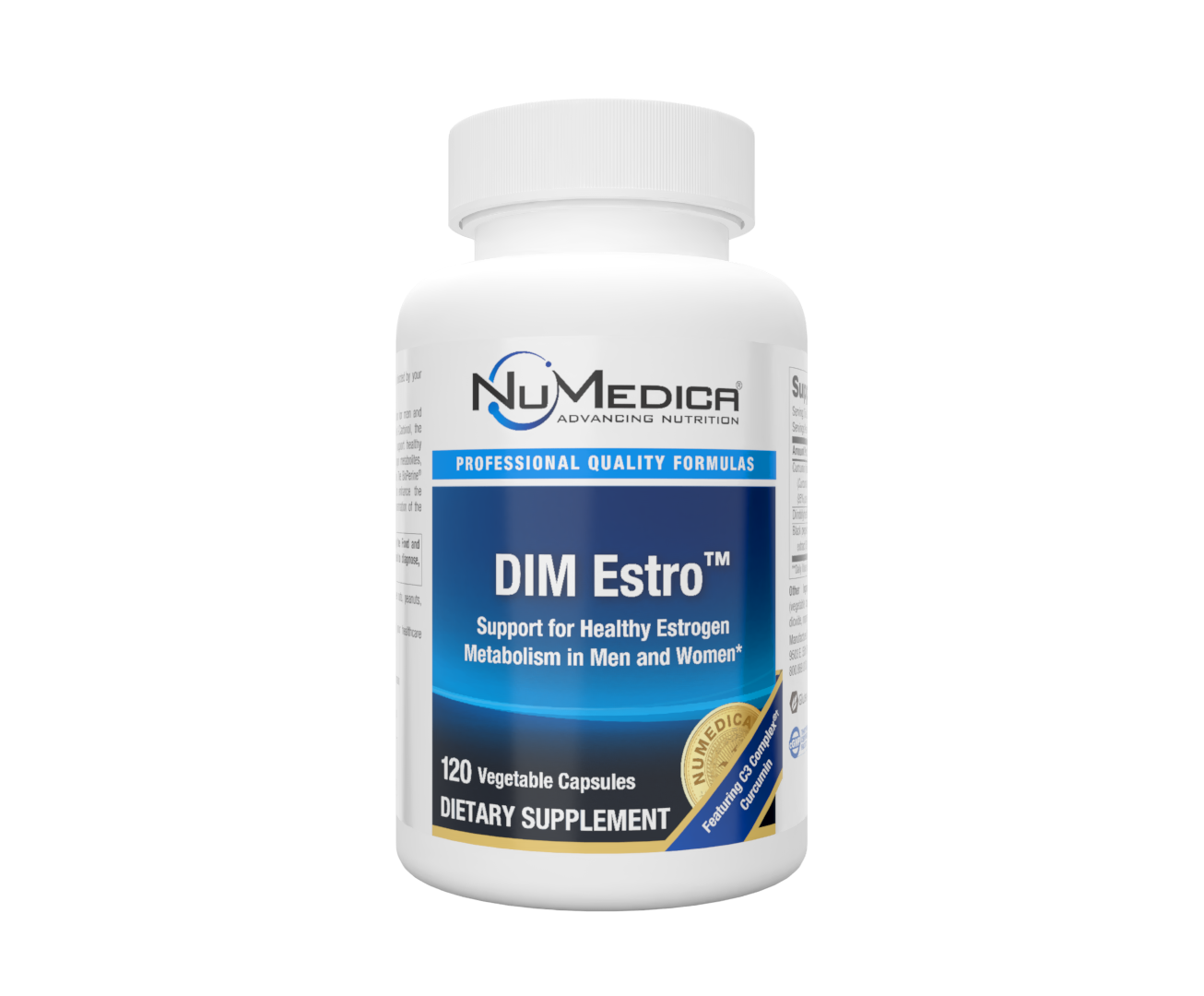
DIM Estro™ supports healthy estrogen metabolism in men and women.* DIM is an advanced metabolite of Indole-3-Carbinol, the indole found in cruciferous vegetables. Indoles support healthy estrogen metabolism and an optimal ratio of estrogen metabolites, including 2-hydroxyestrogen and 16-hydroxyestrogen. The BioPerine® and curcumin combination has been added to enhance the bioavailability, extent of absorption and serum concentration of the bioactive curcuminoids.*
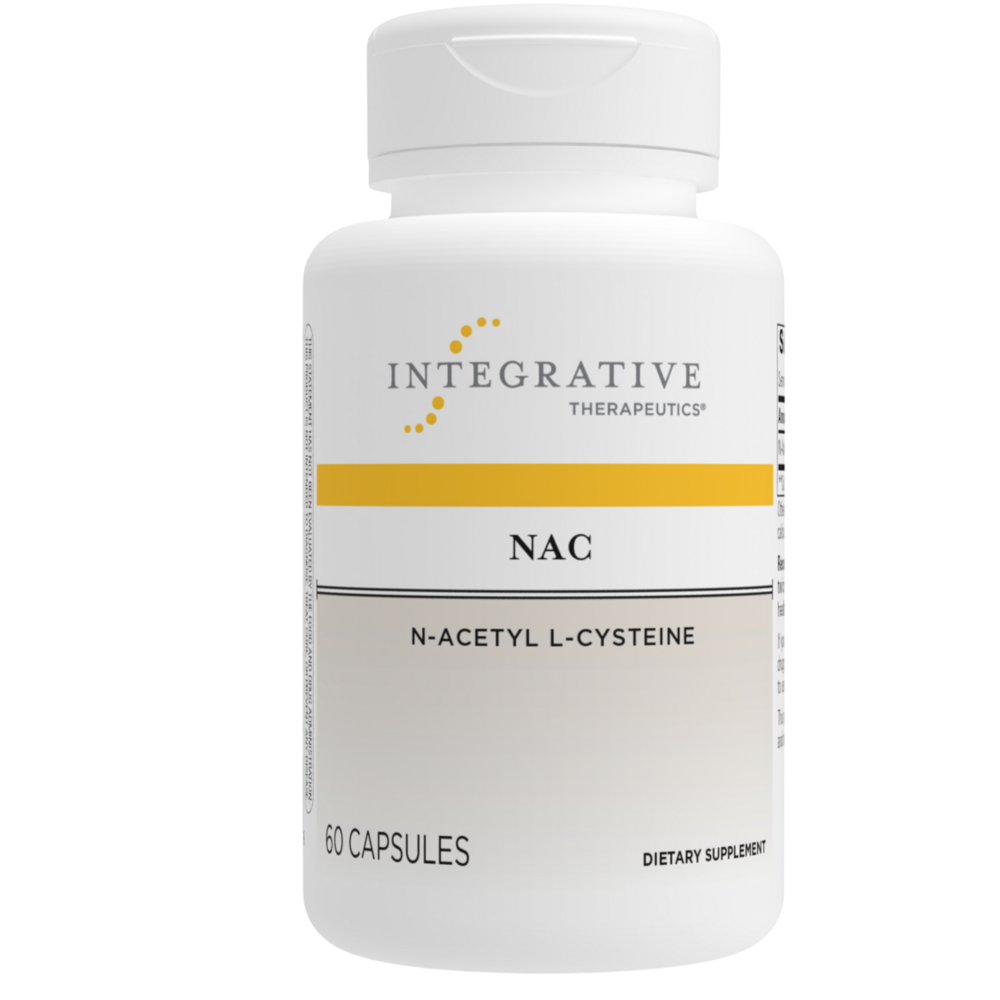
Deep inside every cell of your body, an extraordinary molecule called glutathione is doing some of the most important work of your daily wellness. Often called the body’s master antioxidant, glutathione helps protect your cells from oxidative stress, supports your natural detoxification pathways, and plays a role in countless metabolic processes.* The challenge is that the body’s glutathione production depends on a steady supply of certain amino acid building blocks, and one of the most important is cysteine.
NAC was built to help your body maintain that foundation.
It delivers 600 mg of N-Acetyl L-Cysteine (NAC) per capsule, a stable, well-absorbed form of the amino acid cysteine that your body uses as a precursor to glutathione.* NAC has a low molecular weight, which contributes to its oral absorption, and has become one of the most widely used amino acid supplements for supporting glutathione status and antioxidant defenses.*
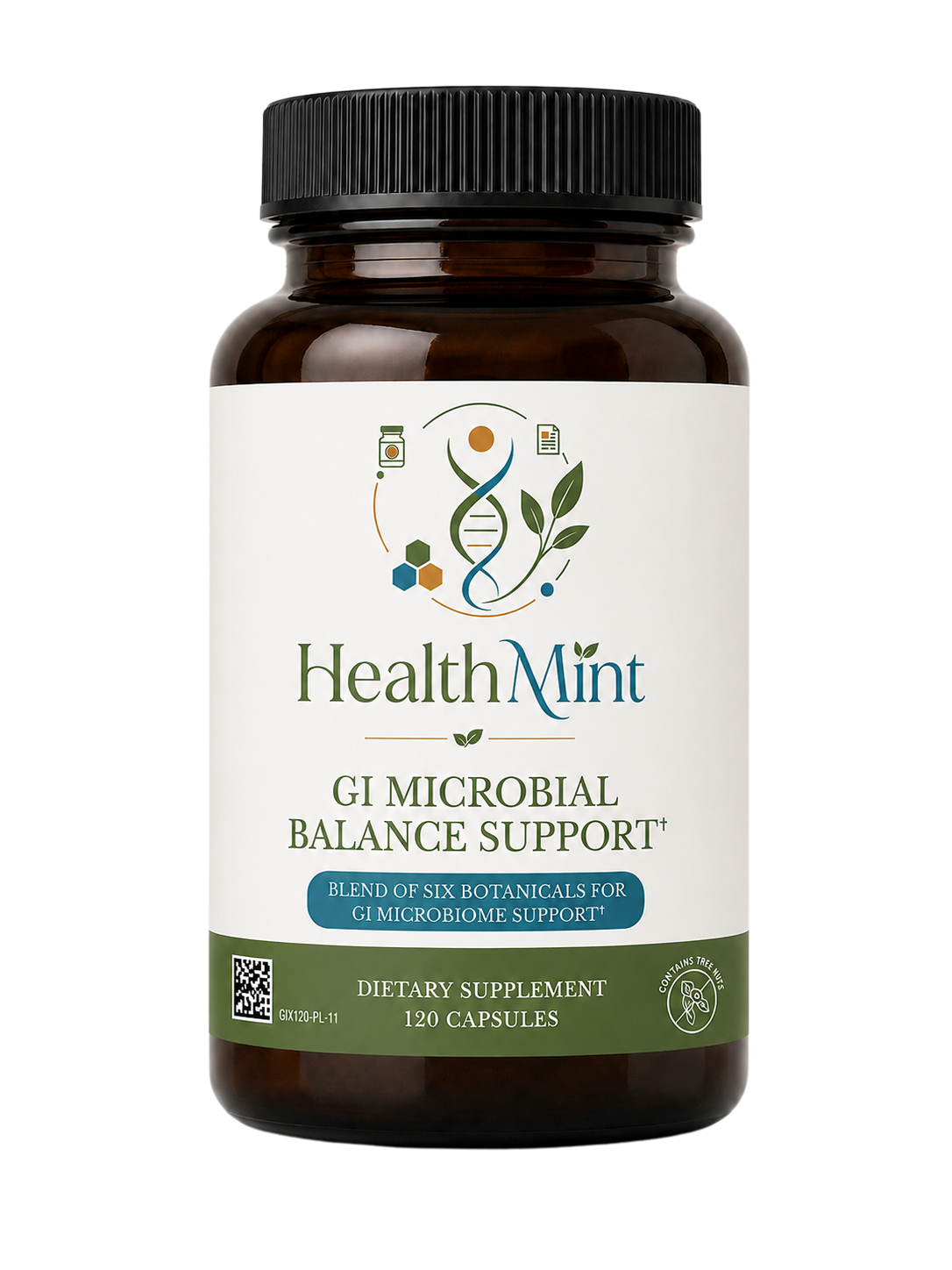
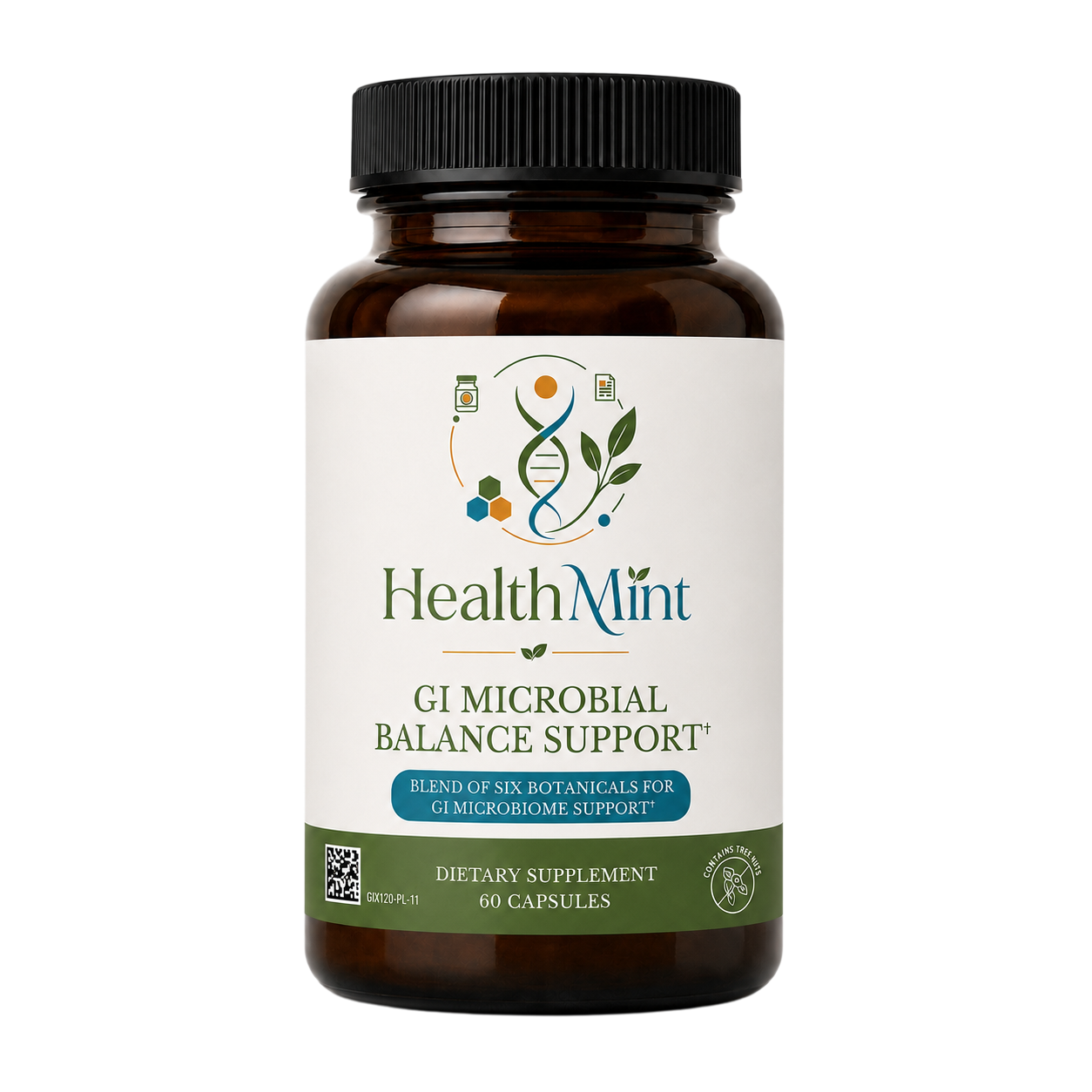
GI Microbial Balance Support is a thoughtfully crafted blend of botanical extracts drawn from traditions of herbal practice spanning centuries and cultures.* It brings together ingredients with long histories of traditional use in supporting gastrointestinal health, in a single once-daily capsule meant to be part of a comprehensive wellness routine.
Each capsule is designed to provide botanical support for a healthy gut environment and microbial balance, in a clean, considered formula made with non-GMO ingredients.*
