
Nobody Warned You It Would Feel Like This
You used to look forward to intimacy. Now, between the unpredictable moods, the night sweats soaking your sheets, and the fact that sex has started to feel physically uncomfortable, desire feels like a distant memory.
Sound familiar?
If you’re somewhere in your late 30s, 40s, or early 50s and noticing that your sex life has quietly (or not so quietly) shifted, you’re not imagining things, and you’re definitely not alone. Perimenopause, the transitional phase leading up to menopause, can quietly dismantle your libido, your physical comfort during sex, and your emotional relationship with intimacy, often years before your periods even stop.
The frustrating part? Most women don’t connect these changes to perimenopause because nobody talks about it honestly. This article is here to change that.
Why This Actually Matters (Beyond the Bedroom)
Here’s something worth knowing: your sex life is a surprisingly accurate barometer of your overall health.
A complex interplay of hormones, neurotransmitters, blood flow, sleep quality, mood, and nervous system regulation governs sexual desire, arousal, and satisfaction. When perimenopause disrupts those systems, the effects ripple outward. Low libido and painful sex are not just inconveniences; they’re often early signals of declining estrogen, testosterone, and progesterone levels that also affect your bone density, cardiovascular health, brain function, and emotional resilience.
In other words, when you invest in your sexual health during this phase of life, you’re investing in your whole health. This isn’t a vanity issue. It’s a vitality issue.
What’s Actually Happening in Your Body
To understand why sex changes during perimenopause, you need a quick tour of the hormonal landscape.
Estrogen begins its erratic decline. During perimenopause, estrogen doesn’t drop in a smooth, predictable line. It surges and crashes unpredictably before its long-term decline. Estrogen is responsible for maintaining the thickness and elasticity of vaginal tissue, producing natural lubrication, and supporting blood flow to the genitals. When it starts fluctuating, the tissue of the vulva and vaginal walls begins to thin and dry, a condition now called Genitourinary Syndrome of Menopause (GSM). This can make sex uncomfortable or even painful, and it can make arousal slower and less intense.
Testosterone quietly drops. Most people associate testosterone with men, but women produce it too, and it’s one of the primary drivers of sexual desire, fantasy, and the ability to reach orgasm. Testosterone levels begin declining in women as early as their late 20s and continue to fall through perimenopause. By the time many women reach their mid-40s, their testosterone is a fraction of what it was in their 20s. Less testosterone often means less spontaneous desire, less sensitivity, and a longer time to orgasm.
Progesterone becomes unpredictable. Progesterone is the calming, sleep-supporting hormone that rises after ovulation. As ovulation becomes irregular during perimenopause, progesterone output becomes inconsistent. Low progesterone contributes to anxiety, insomnia, mood swings, and a general sense of feeling “wired but tired,” none of which are exactly conducive to feeling amorous.
Cortisol fills the gap. When sex hormone production declines, the adrenal glands are asked to pick up some of the slack. But modern life also demands that the adrenal glands manage chronic stress. The result is a hormonal tug-of-war. Under stress, the body will always prioritize cortisol production over sex hormone production. This is an evolutionary survival mechanism that made perfect sense on the savanna and makes zero sense in your current life. Chronically elevated cortisol further suppresses libido and contributes to weight gain, brain fog, and fatigue.
Neurotransmitters shift. Estrogen plays a significant role in supporting serotonin and dopamine activity in the brain, the chemicals responsible for pleasure, motivation, and emotional connection. As estrogen fluctuates, so does the brain’s capacity for pleasure-seeking. This is part of why many women in perimenopause notice not just less interest in sex, but less interest in things that used to bring them joy generally.
Let’s Talk About the Specific Changes (The Honest List)
Rather than dancing around it, here’s what many women in perimenopause actually experience in their sex lives.
Reduced or absent libido. The spontaneous desire that once arose without much prompting becomes rare or disappears entirely. Many women shift toward what researchers call “responsive desire,” meaning arousal that emerges only in response to stimulation rather than appearing on its own. This is normal, but understanding the difference can prevent a lot of unnecessary worry and relationship strain.
Vaginal dryness and discomfort. This is one of the most common and underreported symptoms of perimenopause. Declining estrogen levels thin and dry vaginal tissue, reducing natural lubrication and elasticity. Sex can feel uncomfortable, scratchy, or even painful. Left unaddressed, this tends to worsen over time rather than improve on its own.
Slower, less intense arousal. The physical process of arousal, including increased blood flow, engorgement, and lubrication, takes longer and may feel muted. Orgasms, when they do occur, may feel less intense or take significantly longer to reach.
Mood and emotional disconnect. Anxiety, irritability, and low mood are legitimate perimenopausal symptoms driven by hormonal fluctuation. They make emotional intimacy harder, and emotional intimacy is usually a prerequisite for physical intimacy, particularly for women.
Body image shifts. Changes in weight distribution, skin texture, and energy levels during perimenopause can quietly erode confidence. Feeling disconnected from or critical of your body is one of the most underappreciated barriers to a satisfying sex life.
Sleep disruption. Night sweats and progesterone-related insomnia mean many perimenopausal women are running on chronic sleep debt. Fatigue is, not surprisingly, one of the top drivers of low libido.
Practical Steps That Actually Help
The good news, and there genuinely is good news, is that most of these changes respond remarkably well to targeted support. You don’t have to white-knuckle your way through this phase.
Use lubricant liberally and without apology. This is the single fastest intervention for vaginal dryness and discomfort during sex. Choose a high-quality, pH-balanced lubricant. Water-based options are widely compatible, while silicone-based ones last longer. This isn’t a sign that something is broken; it’s simply your body giving you what estrogen used to provide automatically.
Consider vaginal moisturizers for daily use. Unlike lubricants, which are used during sex, vaginal moisturizers are applied regularly to help maintain the health and hydration of vaginal tissue. They can significantly reduce the day-to-day discomfort associated with GSM and make intimacy far more comfortable when it occurs.
Have the conversation with your healthcare provider. Localized vaginal estrogen, available as a cream, ring, or suppository, is extremely effective for vaginal dryness and discomfort. It is minimally absorbed systemically and is considered safe for most women, including many who are not candidates for systemic hormone therapy. Many women don’t know this option exists. Ask specifically about it.
Prioritize arousal, not just intercourse. Longer foreplay isn’t just a preference during perimenopause; it’s often physiologically necessary. Responsive desire means the body may need stimulation before it feels desire, rather than the other way around. Reframing this for yourself and your partner can remove a significant source of frustration and reconnect you with pleasure on new terms.
Don’t underestimate the power of communication. Perimenopausal changes affect relationships in ways that can feel confusing and isolating, especially if they’re not discussed openly. Partners often misinterpret reduced desire as a reflection of how they’re perceived rather than a hormonal shift. An honest, compassionate conversation, ideally before things reach a breaking point, can dramatically change the dynamic.
The Lifestyle Foundation That Everything Else Builds On
Targeted interventions matter, but the lifestyle factors below create the hormonal and neurological environment in which your sex life either thrives or struggles. They are not optional extras. They are foundational.
Sleep is non-negotiable. Testosterone and growth hormone are primarily secreted during deep sleep. Poor sleep directly and measurably reduces testosterone levels, increases cortisol, and impairs emotional regulation. If you are not addressing sleep disruption, whether through sleep hygiene, magnesium, progesterone support, or working with your doctor on night sweats, everything else will work less well.
Resistance training changes the hormonal picture. Strength training is one of the most effective non-hormonal interventions for supporting testosterone levels, improving body composition, boosting mood, and increasing energy during perimenopause. Even two to three sessions per week produce measurable benefits. It also supports bone density, which becomes increasingly critical as estrogen declines.
Manage stress with the same seriousness you would give any medical condition. Chronic stress and high cortisol are directly anti-libidinal. Practices that activate the parasympathetic nervous system, such as yoga, breathwork, meditation, time in nature, and genuine rest, aren’t luxuries. They are hormonal interventions. A body that lives in a state of chronic stress will not prioritize reproduction or pleasure.
Feed your hormones. Estrogen metabolism and sex hormone production depend on specific nutrients. A diet rich in healthy fats, including avocado, olive oil, fatty fish, and nuts, supports hormone synthesis. Cruciferous vegetables like broccoli, cauliflower, and Brussels sprouts contain compounds that support healthy estrogen metabolism. Phytoestrogen-rich foods like flaxseeds and fermented soy may offer mild estrogenic support for some women. Blood sugar stability matters enormously, as the cortisol spikes that follow blood sugar crashes further suppress sex hormones.
Reduce alcohol. Even moderate alcohol consumption disrupts sleep architecture, raises cortisol, impairs liver function, and can directly suppress testosterone. The liver is responsible for processing and clearing hormones, so supporting it matters more than most people realize. Many women notice meaningful improvements in mood, sleep, libido, and hot flashes when they reduce or eliminate alcohol during perimenopause.
Nurture emotional intimacy outside the bedroom. For most women, emotional connection is directly tied to physical desire. Date nights, meaningful conversation, affection that isn’t goal-oriented, and feeling genuinely seen by your partner all feed the neurochemical environment that supports desire.
Nutritional and Supplement Support Worth Knowing About
Several nutrients and botanicals have meaningful evidence supporting their role in hormonal balance, libido, vaginal health, and mood during perimenopause. These work best as part of the foundational lifestyle approach described above, not as standalone fixes.
Magnesium is involved in over 300 enzymatic reactions, including the production of sex hormones and the regulation of cortisol. It supports deep sleep, reduces anxiety, and eases the muscle tension and mood fluctuations common in perimenopause. Most women are not getting enough of it.
Maca root is a Peruvian adaptogen with a meaningful body of research behind its use for libido and sexual function in perimenopausal women. It appears to work not by directly supplying hormones, but by supporting the endocrine system’s own output, making it a useful option even for women who prefer to avoid hormonal interventions.
Ashwagandha is an adaptogen with robust evidence for reducing cortisol, supporting thyroid function, improving sleep quality, and notably increasing sexual function and satisfaction in women under chronic stress. Its ability to down-regulate the stress response makes it particularly relevant for perimenopausal libido.
Omega-3 fatty acids support the production of sex hormones, reduce systemic inflammation that can disrupt hormonal signaling, and support mood and brain function. They also support vaginal tissue health and cardiovascular function, both of which matter for sexual response.
Vitamin D functions more like a hormone than a vitamin. It supports testosterone production, mood regulation, immune function, and bone health, all of which become more relevant during perimenopause. The majority of adults in northern latitudes are deficient in one or more nutrients, often without knowing it.
B vitamins, particularly B6 and B12, are critical for neurotransmitter synthesis (serotonin and dopamine), energy production, and estrogen metabolism. Low B vitamin status can exacerbate mood symptoms, fatigue, and brain fog.
Sea buckthorn oil, taken internally, has shown promising results in supporting vaginal tissue health and reducing dryness without estrogenic effects, making it worth exploring for women seeking non-hormonal options.
The Bottom Line
Perimenopause changes your sex life. That’s the truth. But it doesn’t have to end there. For many women, with the right support, this phase can actually be an invitation to know their bodies more deeply, communicate more honestly, and build an intimate life that is more intentional and satisfying than in their 20s.
What’s required is the willingness to stop treating these changes as embarrassing inconveniences and start treating them as legitimate physiological signals worth attending to. Your hormones are shifting. Your body is asking for support. And there is genuinely effective support available, from lifestyle and nutrition to targeted supplementation to conversations with an informed healthcare provider.
You didn’t lose your sex drive. It just needs a different kind of attention now.
Key Takeaways
Perimenopause can begin 8 to 10 years before the final menstrual period and significantly affects libido, arousal, and vaginal health through hormonal shifts.
Estrogen, testosterone, and progesterone all decline or become erratic, disrupting desire, lubrication, tissue health, mood, and sleep.
Vaginal dryness and discomfort during sex, known as Genitourinary Syndrome of Menopause, is extremely common and highly treatable, but most women don’t know to ask for help.
Lifestyle pillars, including sleep, strength training, stress management, blood sugar stability, and reduced alcohol, form the foundation of hormonal support.
Targeted nutritional and botanical support, including magnesium, maca, ashwagandha, omega-3s, and vitamin D, can meaningfully support hormonal balance and sexual wellbeing.
Open communication with your partner and healthcare provider is as important as any supplement or strategy.
*This article is intended for educational purposes and does not constitute medical advice. Please work with a qualified healthcare practitioner for personalized guidance regarding hormonal health and perimenopause.
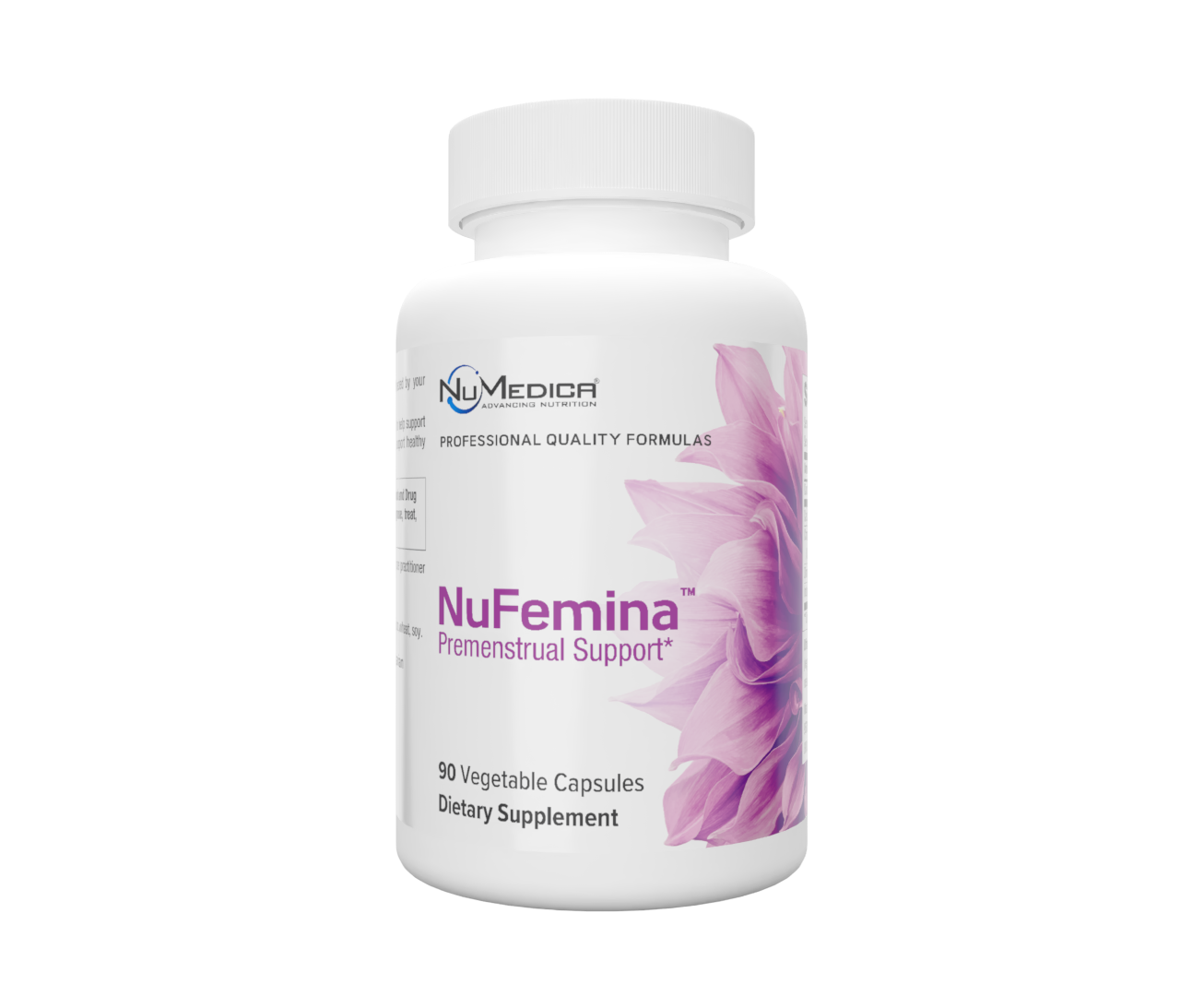
NuFemina™ is a synergistic blend of ingredients designed to help support premenstrual health and wellbeing.* This formula helps support healthy estrogen metabolism in women.*
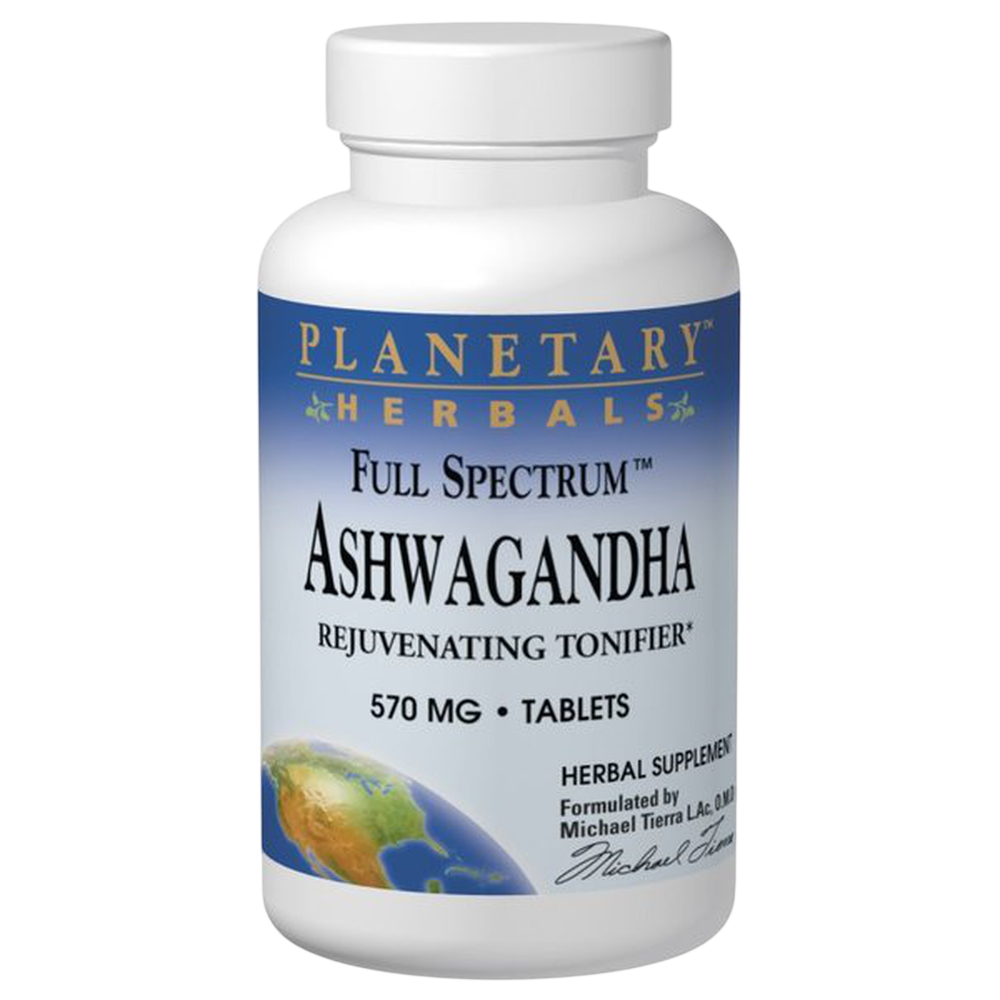
Modern life rarely slows down. Schedules tighten, demands pile up, and the body’s stress response runs longer than it was ever meant to. Over time, that constant low-grade pressure shows up everywhere, in your energy, your sleep, your focus, and your sense of calm. For thousands of years, traditional Ayurvedic practice has turned to one botanical above all others to help meet that pressure with steady, resilient calm: ashwagandha.
Ashwagandha, Full Spectrum brings that time-honored tradition into a clean, simple daily tablet.
It is a focused, single-ingredient formula featuring 570 mg of ashwagandha (Withania somnifera) per tablet, including both whole ashwagandha root and a concentrated root extract.* Ashwagandha is one of the most studied and widely used adaptogenic botanicals in the world, valued for its role in supporting the body’s healthy response to everyday stress, supporting a calm and relaxed mind, and supporting natural resilience.*
If you are looking for a clean, well-studied daily adaptogen to help meet the demands of modern life, this is where it begins.
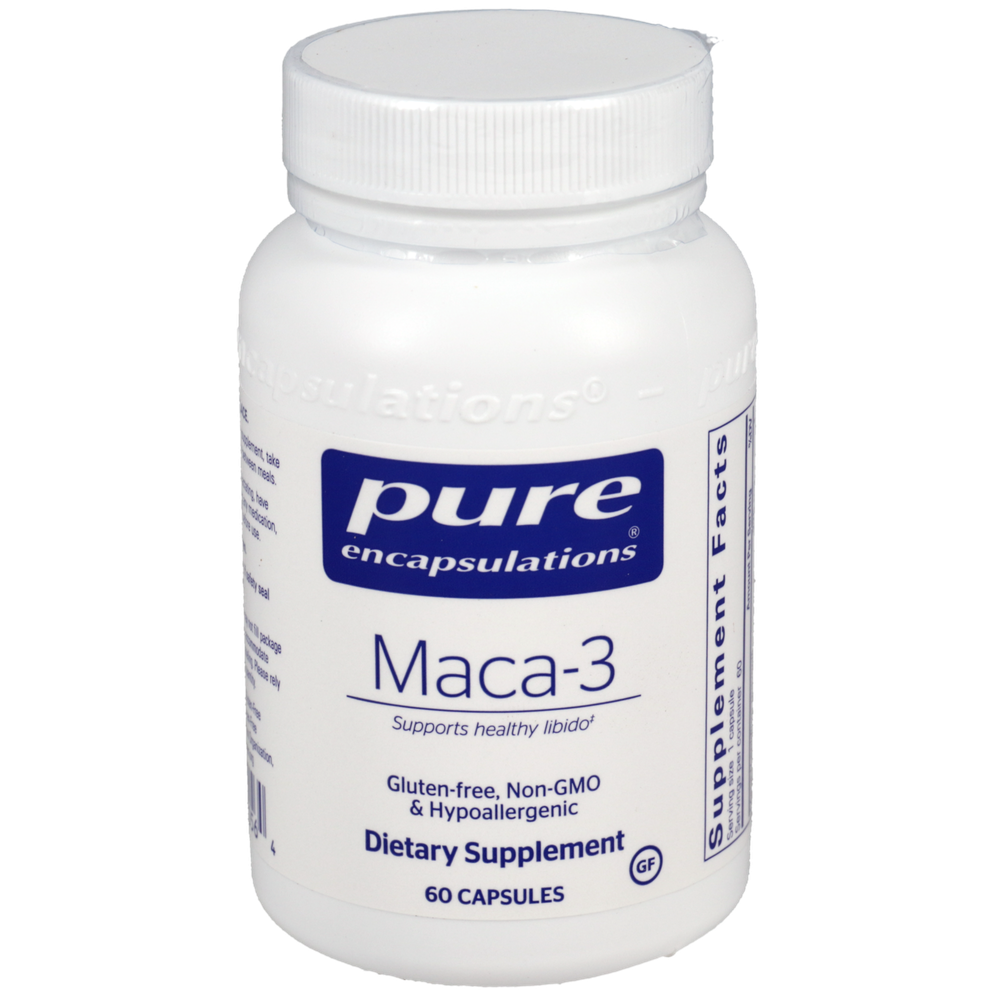
High in the Andean highlands of Peru, where the air is thin and the soil is harsh, a humble root vegetable has been cultivated for thousands of years. Maca, sometimes called the ginseng of the Andes, has been valued for generations as a traditional source of energy, stamina, and vitality.* Today, modern research continues to explore what the people of the Andes have long known: maca is a remarkable, nutrient-dense food with a unique role in supporting everyday wellness.
Maca-3 brings that traditional wisdom into a thoughtfully modern formula.
Rather than relying on a single maca extract, Maca-3 combines three complementary forms of maca (Lepidium meyenii) in one daily capsule.* You get a maca extract standardized for macamides and macaenes, a second maca extract standardized for glucosinolates, and a third whole maca extract, together delivering more than 550 mg of total maca per serving. The result is a broad-spectrum approach designed to capture maca’s full nutritional profile in every serving.*
