
You Don’t Fall Off a Cliff, You Just Quietly Start Going Downhill
Nobody warns you. There’s no dramatic announcement, no single morning where you wake up and everything is different. Instead, it’s gradual. You start needing an extra coffee to feel human. The gym sessions that used to fire you up now just feel like work. Your patience runs thin faster than it used to. Sleep doesn’t restore you the way it once did. And somewhere in the back of your mind, you wonder if this is just life now.
For many men over 40, this “slow fade” has a name: andropause. Sometimes called male menopause, though that comparison has its limits, andropause is a very real, very common, and very underdiagnosed hormonal transition that affects millions of men. The frustrating part? Most men either don’t realize it’s happening or silently accept the symptoms as inevitable signs of aging.
They’re not inevitable. Understanding what’s going on in your body is the first step toward doing something about it.
Why This Conversation Actually Matters
Men are notoriously reluctant to seek medical advice, particularly when symptoms are vague or tied to identity: energy, drive, libido, mood. There’s a cultural tendency to push through, shrug it off, and chalk it up to getting older. But the research is unambiguous: chronically low testosterone and the hormonal imbalances associated with andropause are linked to a much longer list of health consequences than most people realize.
We’re talking about increased risk of cardiovascular disease, type 2 diabetes, metabolic syndrome, osteoporosis, depression, and cognitive decline. These aren’t minor inconveniences; they are serious, life-altering conditions. And when you understand that hormonal health sits at the center of so many body systems, the importance of taking this transition seriously becomes very clear.
This isn’t about vanity or trying to recapture your twenties. It’s about your long-term health, your quality of life, and how well you show up for the people who matter to you.
What’s Actually Happening Under the Hood
Here’s the science, explained like a human, not a textbook.
Testosterone decline is slow and steady. Beginning around age 30, testosterone levels drop by roughly 1 to 2% per year. By the time a man reaches his mid-40s to mid-50s, he may have lost 20 to 30% or more of his peak testosterone. This gradual nature is precisely why it often goes unnoticed until symptoms become hard to ignore.
It’s not just testosterone. This is where andropause gets interesting and more complex than most headlines suggest. Several interconnected hormonal shifts happen simultaneously.
Free vs. Total Testosterone: Testosterone travels through the bloodstream in two forms: bound (attached to proteins like sex hormone-binding globulin, or SHBG) and free (unbound and biologically active). As men age, SHBG levels tend to rise, leading to more testosterone being captured and rendered inactive. A man can have technically normal total testosterone but still experience significant symptoms because his free testosterone, the form that actually does the work, is too low.
Estrogen Creep: As body fat increases with age, an enzyme called aromatase converts more testosterone into estrogen. This is a double hit: you lose testosterone and gain estrogen simultaneously. Higher estrogen levels in men can contribute to fatigue, mood changes, water retention, and reduced libido.
The HPA Axis and Cortisol: Chronic stress activates the hypothalamic-pituitary-adrenal (HPA) axis, leading to elevated cortisol levels. Cortisol and testosterone are biochemical rivals; when one rises, the other tends to fall. Modern life, with its relentless demands and poor sleep habits, is essentially a sustained assault on male hormonal health.
DHEA and Growth Hormone Decline: These two hormones, both important for energy, muscle mass, immune function, and overall vitality, also decline significantly with age. DHEA (dehydroepiandrosterone) is a precursor to both testosterone and estrogen, and its decline can amplify the overall hormonal decline.
Thyroid Function: The thyroid is often overlooked in the andropause conversation, but thyroid hormones regulate metabolism, energy production, mood, and weight, all areas commonly affected during this transition. Subclinical hypothyroidism is surprisingly prevalent in men over 45 and is frequently missed on standard testing.
The bottom line: Andropause is a multisystem hormonal shift, not just a single-number testosterone problem.
Recognizing the Signs (Honest Edition)
The symptom picture for andropause is broad, which is part of why it’s so often missed or misattributed. Here’s what it actually looks like in real life.
Physical: Persistent fatigue even after adequate sleep, decreased muscle mass despite continued exercise, increased belly fat, particularly around the midsection, joint discomfort, reduced exercise tolerance and recovery, hair thinning, and decreased bone density.
Sexual: Reduced libido, erectile difficulties, decreased morning erections, and lower semen volume.
Mental and Emotional: Brain fog, difficulty concentrating, reduced motivation and drive, irritability, anxiety, low mood or mild depression, and a general sense of flatness where that spark just isn’t quite there anymore.
Metabolic: Increased blood sugar, rising cholesterol, and greater difficulty losing weight even with diet and exercise.
Not every man will experience all of these, and the severity varies enormously. But if several of these resonate with you and you’re in your 40s or beyond, it’s worth investigating.
Practical Steps You Can Take Starting This Week
Before getting into lifestyle strategies and targeted support, the most important first step is this: get tested properly.
A standard GP visit that only checks total testosterone is often insufficient. A comprehensive hormonal assessment should ideally include total and free testosterone, SHBG, estradiol, DHEA-S, LH and FSH (to assess how hard the brain is signalling the testes), a full thyroid panel (TSH, Free T3, Free T4), cortisol (ideally a four-point saliva test), a comprehensive metabolic panel covering blood glucose, insulin, and liver enzymes, as well as a full blood count and ferritin.
This gives you a genuine picture of what’s happening hormonally, not just a single data point. Work with a physician who is experienced in men’s hormonal health, ideally an integrative or functional medicine doctor, or a urologist or endocrinologist who specializes in this area.
The Lifestyle Levers That Move the Needle Most
Here’s the good news: lifestyle is genuinely powerful for hormonal health. These aren’t feel-good suggestions; they are interventions with real, measurable impact on testosterone and the broader hormonal environment.
Prioritize Sleep Like Your Life Depends On It (Because It Does)
The majority of daily testosterone production happens during deep sleep. Men who consistently get fewer than six hours per night show significantly lower testosterone levels than those who get seven to nine hours. Sleep is not a luxury; it is primary hormonal medicine. Focus on consistent sleep and wake times, a cool and dark bedroom environment, and minimizing alcohol and screen use in the hour before bed.
Lift Heavy Things
Resistance training is one of the most reliably documented ways to support testosterone. Compound movements such as squats, deadlifts, presses, and rows that recruit large muscle groups and challenge the body produce the strongest hormonal response. Aim for three to four sessions per week and don’t be afraid to push the intensity. Chronic low-intensity cardio, while beneficial for cardiovascular health, does relatively little for testosterone on its own.
Eat for Hormones, Not Just Calories
Testosterone is synthesized from cholesterol, which means dietary fat, particularly saturated and monounsaturated fats from quality sources, genuinely matters. Chronically low-fat diets are consistently associated with lower testosterone. Prioritize grass-fed beef, eggs (especially the yolks), olive oil, avocados, oily fish, and full-fat dairy. Zinc and magnesium are critical cofactors for testosterone production; include oysters, red meat, pumpkin seeds, and leafy greens regularly. Cruciferous vegetables such as broccoli, cauliflower, and Brussels sprouts support healthy estrogen metabolism. Minimize ultra-processed foods, refined sugars, and alcohol, as they directly suppress testosterone and elevate estrogen.
Manage Stress Like a Strategy, Not an Afterthought
Chronic psychological stress is one of the most underappreciated drivers of low testosterone in middle-aged men. Cortisol actively suppresses testosterone synthesis at multiple levels. Practical stress management, whether that’s daily walks, breathwork, meditation, therapy, or simply protecting boundaries around work, is a legitimate part of any hormonal health protocol.
Move Your Body Every Day, Not Just When You Train
Beyond structured workouts, general daily movement matters enormously. Sedentary behavior is independently associated with higher SHBG levels, lower free testosterone levels, and poorer insulin sensitivity. Walk more, sit less, take the stairs, and get outside.
Moderate Your Alcohol Intake
Alcohol directly suppresses testosterone production, elevates estrogen through aromatase activation, disrupts sleep architecture, and stresses the liver, which is central to hormone metabolism. Regular heavy drinking is incompatible with healthy testosterone levels at any age. Even moderate consumption of more than one or two drinks per day has measurable hormonal effects.
Maintain a Healthy Body Composition
Visceral fat, the deep abdominal fat that accumulates with age, is highly metabolically active. It drives inflammation, elevates aromatase activity, and worsens insulin resistance. Losing even a modest amount of abdominal fat can meaningfully improve the hormonal environment.
Targeted Nutritional Support: Where Supplements Fit In
Even with an optimized diet, certain nutrients are commonly depleted with age or are difficult to obtain in adequate amounts from food alone. Targeted supplementation, guided by testing and the advice of a qualified practitioner, can be a meaningful part of a comprehensive hormonal health strategy.
Zinc and Magnesium are foundational. They are essential cofactors in testosterone synthesis and are frequently deficient in men over 40, particularly those who exercise regularly, as sweat increases losses of both. Magnesium also helps reduce SHBG, thereby increasing the availability of free testosterone.
Vitamin D3 (with K2) functions more like a hormone than a typical vitamin. Vitamin D receptors are found in virtually every tissue in the body, including the testes, where they play a direct role in testosterone production. The majority of men in northern latitudes are deficient, particularly during winter months, and deficiency is consistently associated with lower testosterone levels.
Ashwagandha (Withania somnifera) is one of the better-researched adaptogenic herbs. Multiple randomized controlled trials have shown significant reductions in cortisol and meaningful increases in testosterone, muscle strength, and sexual health markers in men supplementing with standardized extracts.
Maca root has a long history of traditional use for energy, libido, and vitality, and modern research supports its role in improving sexual function and mood in men experiencing andropause-related changes, notably without directly altering hormone levels, which suggests additional mechanisms at play.
DIM (Diindolylmethane) is a compound derived from cruciferous vegetables that supports healthy estrogen metabolism, helping shift the balance toward less potent estrogen metabolites and reducing overall estrogenic load. This is particularly relevant for men with elevated estrogen levels.
Omega-3 fatty acids (EPA and DHA) support testosterone production, reduce systemic inflammation (which suppresses testicular function), and improve cardiovascular and metabolic health, all of which are priorities in the andropause picture.
B vitamins, particularly B6, B12, and folate, support methylation pathways that are central to hormone metabolism and nervous system function. These are often flagged by practitioners working with men experiencing energy, mood, and cognitive symptoms.
DHEA as a supplement deserves specific mention. Declining DHEA is a significant contributor to the andropause picture, and supplementation under medical supervision can help maintain levels of hormonal precursors. This is one supplement that genuinely warrants testing before use, as levels should be confirmed first, and both quality and dosage matter considerably.
A key principle throughout: supplement quality is not a minor detail. Third-party tested products from manufacturers with rigorous quality standards make a real difference in both safety and efficacy. This is an area where buying cheap is a false economy.
The Takeaway: This Is a Chapter, Not the End of the Book
Andropause is real, it’s common, and it has genuine consequences for health and quality of life. But it is not a sentence. Men who understand what’s happening in their bodies and take a proactive, informed approach consistently report meaningful improvements in energy, strength, mood, libido, mental clarity, and overall vitality.
The slow fade doesn’t have to keep going in one direction.
Get tested. Eat and sleep as they matter. Train with purpose. Manage your stress, not just for performance, but for your hormones. Work with practitioners who genuinely understand men’s hormonal health. And give targeted nutritional support the serious consideration it deserves.
Your 40s and 50s can be decades of genuine vitality. The biology supports it. The rest is up to you.
References
Feldman HA, et al. Age trends in serum testosterone and other hormone levels in middle-aged men. Journal of Clinical Endocrinology and Metabolism. 2002.
Travison TG, et al. A population-level decline in serum testosterone levels in American men. Journal of Clinical Endocrinology and Metabolism. 2007.
Zitzmann M. Testosterone deficiency, insulin resistance and the metabolic syndrome. Nature Reviews Endocrinology. 2009.
Leproult R, Van Cauter E. Effect of 1 week of sleep restriction on testosterone levels in young healthy men. JAMA. 2011.
Pilz S, et al. Effect of vitamin D supplementation on testosterone levels in men. Hormone and Metabolic Research. 2011.
Lopresti AL, et al. A randomized, double-blind, placebo-controlled, crossover study examining the hormonal and vitality effects of ashwagandha in aging, overweight males. American Journal of Men’s Health. 2019.
Grossmann M. Low testosterone in men with type 2 diabetes: significance and treatment. Journal of Clinical Endocrinology and Metabolism. 2011.
This article is for educational purposes and does not constitute medical advice. Always consult with a qualified healthcare provider before making changes to your health protocol.
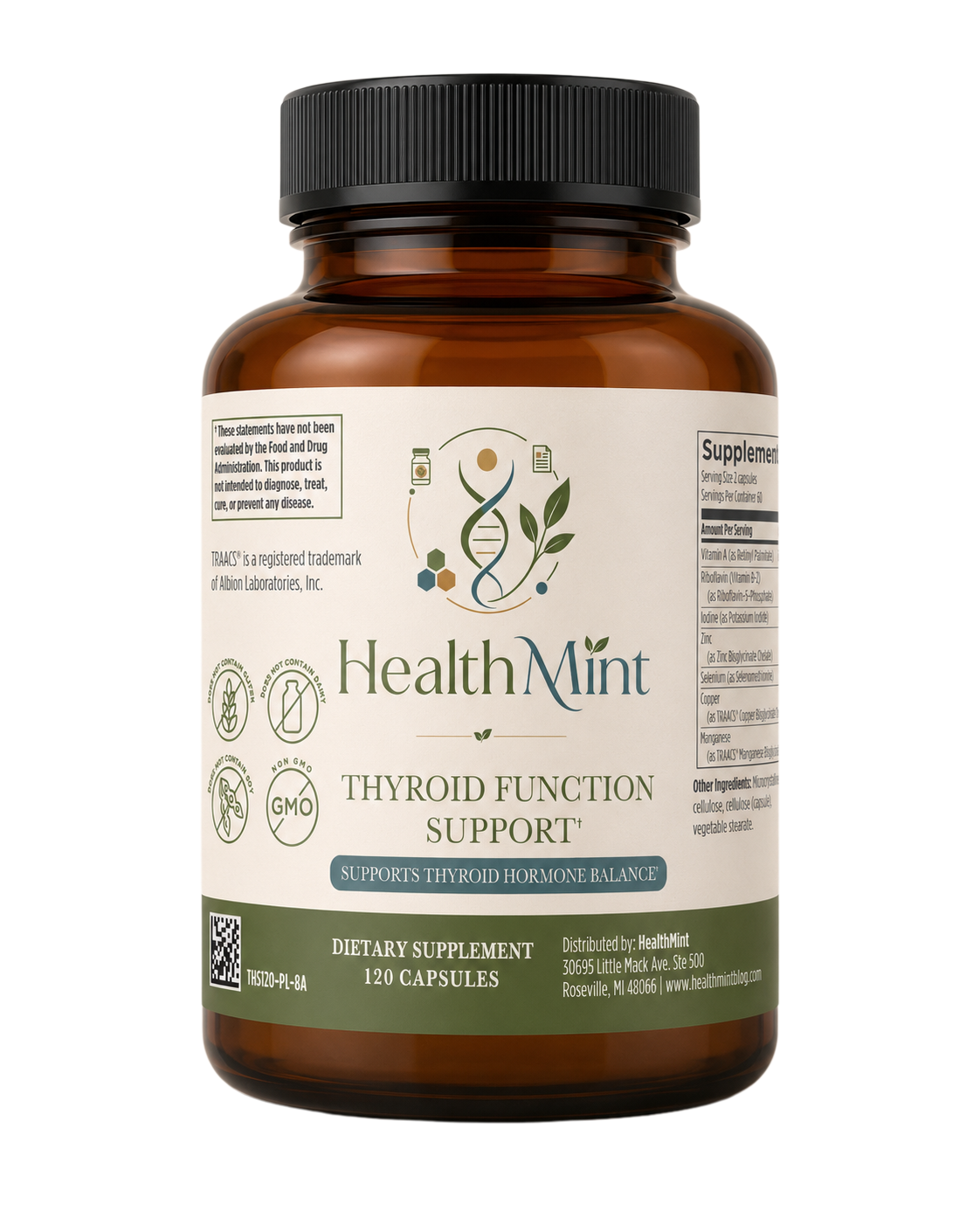
Your thyroid is the small but mighty gland that helps set the pace for your entire body, influencing your energy, your metabolism, and how you feel day to day. Like every gland, it depends on a steady supply of specific nutrients to function well. The challenge is that many of these nutrients, from iodine and selenium to zinc and tyrosine, are not always provided in optimal amounts by modern diets.
Thyroid Function Support was built to fill that gap.
It is a comprehensive, thoughtfully balanced blend of vitamins, minerals, amino acids, and supportive botanicals, each chosen for its role in supporting healthy thyroid function and the body’s natural production of thyroid hormones.* Rather than relying on a single nutrient, this formula brings together the full team of cofactors and building blocks your thyroid uses every day, all in one convenient serving.*
If you want to take a proactive, well-rounded approach to supporting your thyroid and your everyday energy, this is where it begins.
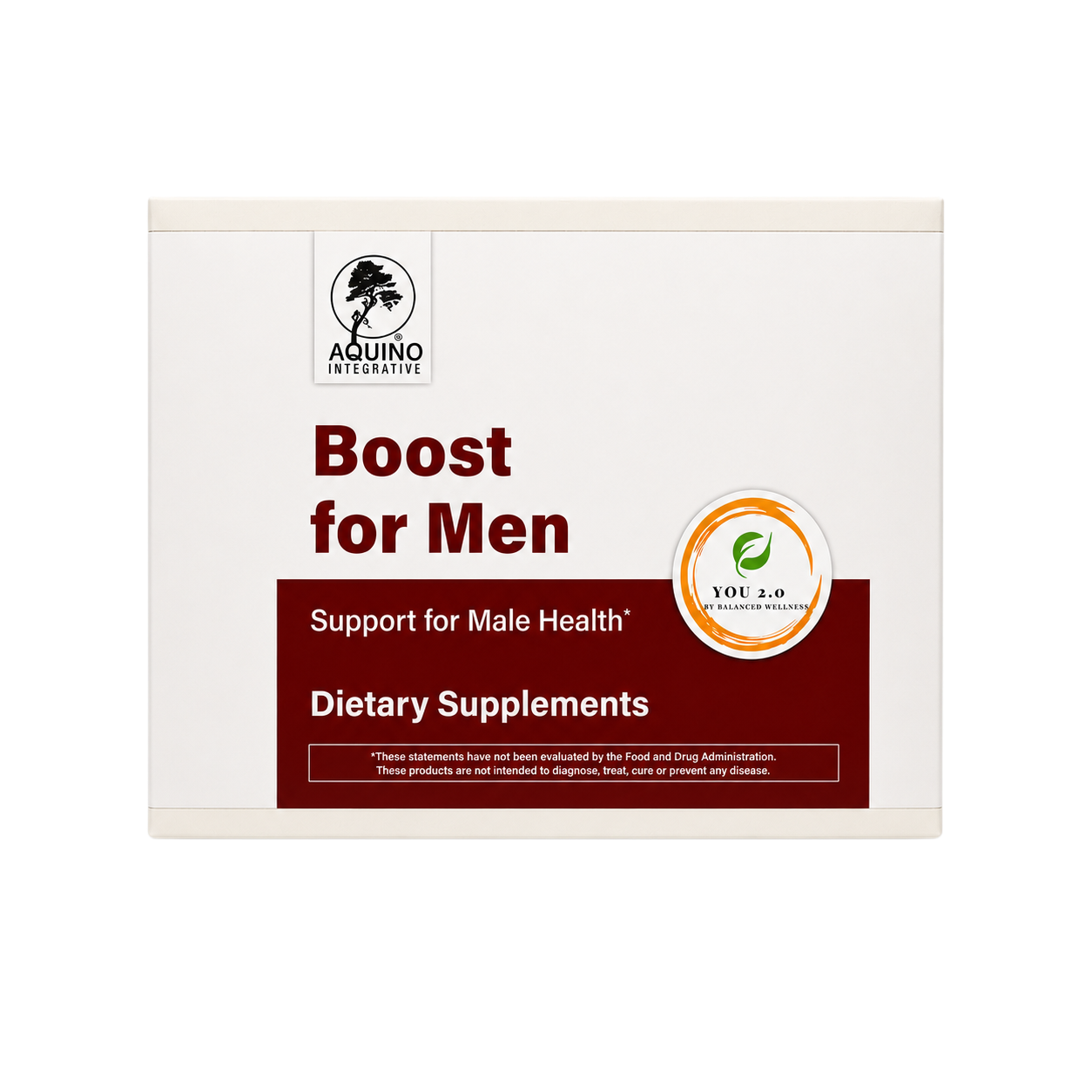
Reclaim your edge. Two powerful formulas. One daily ritual.
Somewhere after 40, a lot of men feel the shift. Energy that doesn't bounce back the way it used to. Drive that takes more effort to summon. A body that simply asks for a little more support to keep performing like it always has.
Boost for Men was built for exactly that moment.
This two-part system pairs Male Support and Nitric Oxide, two formulas designed to work together to help you feel strong, energized, and like yourself again.* No fillers you can't pronounce. No artificial colors, sweeteners, or preservatives. Just clean, thoughtfully sourced ingredients, independently tested for purity and potency.
If you're ready to stop settling for "fine," this is where it starts.
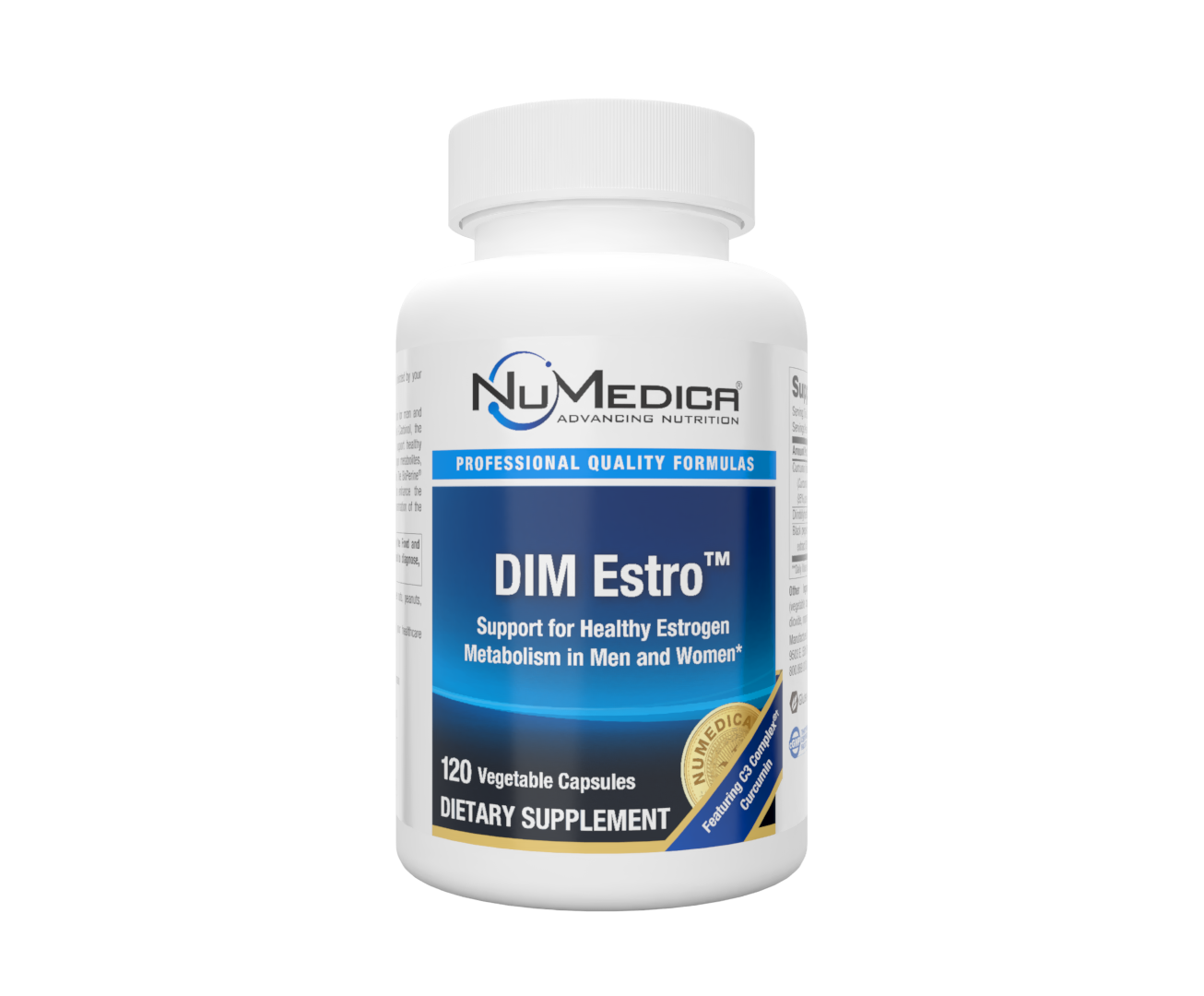
DIM Estro™ supports healthy estrogen metabolism in men and women.* DIM is an advanced metabolite of Indole-3-Carbinol, the indole found in cruciferous vegetables. Indoles support healthy estrogen metabolism and an optimal ratio of estrogen metabolites, including 2-hydroxyestrogen and 16-hydroxyestrogen. The BioPerine® and curcumin combination has been added to enhance the bioavailability, extent of absorption and serum concentration of the bioactive curcuminoids.*
