
Nobody Warned You It Would Feel Like This
You survived pregnancy. You made it through labor. You’re knee-deep in diapers, night feeds, and the surreal fog of new parenthood. Somewhere in the back of your mind, there’s a quiet (and possibly anxious) question lurking: What about sex?
Maybe your OB handed you a pamphlet at your six-week checkup, gave you a quick thumbs-up, and sent you on your way. Maybe your partner has been patient, but you can feel the unspoken tension. Maybe you’re the one wondering why you don’t feel ready, or why it hurts when you try. Maybe you’re reading this at 2 am while your baby finally sleeps, feeling guilty about something that should feel natural.
Here’s what nobody says clearly enough: the six-week rule is not a finish line. It’s not a promise that everything will be fine. It’s a minimum clinical marker, and for most new parents, the real journey back to a satisfying intimate life takes much, much longer than that. That is completely normal, medically and scientifically.
This article is your permission slip. Permission to take more time. Permission to feel weird about it. Permission to understand what’s actually happening in your body and your brain, and to make choices that are right for you, not for a calendar.
Why This Conversation Actually Matters
Postpartum sexual health is one of the most underserved areas of women’s healthcare. Studies consistently show that the majority of new mothers experience some form of sexual difficulty in the first year after birth, yet most report they never had a meaningful conversation with a provider about it.
The consequences ripple outward. Painful sex that goes unaddressed can lead to pelvic floor dysfunction that lingers for years. Unexplained low libido can quietly erode relationship satisfaction and become a source of shame. Partners who don’t understand the physiological reality can misread disengagement as rejection. New parents who are already running on empty can end up adding sexual guilt to an already overwhelming mental load.
Understanding the real biology and psychology of postpartum sexuality isn’t a luxury. It’s essential information for your health, your relationship, and your sense of self.
What’s Actually Happening in Your Body (It’s Fascinating, Really)
The Hormone Drop Is Real, and It’s Dramatic
At the moment of birth, estrogen and progesterone levels, which were at peak pregnancy heights, plummet dramatically. This is one of the most rapid hormonal shifts the human body ever experiences. Within days of delivery, estrogen levels are lower than they are at any other point in a woman’s adult life outside of menopause.
This matters enormously for sexual function. Estrogen is responsible for vaginal lubrication, tissue elasticity, and clitoral sensitivity. When it drops, vaginal tissues can become thinner, drier, and more easily irritated, a condition called genitourinary syndrome of menopause (GSM) that also applies postpartum. For breastfeeding mothers, this is compounded further because the hormone prolactin, which drives milk production, actively suppresses estrogen. Breastfeeding can keep estrogen levels low throughout nursing, sometimes for a year or more.
This is why sex can feel like sandpaper even when you’re emotionally ready, and your body has “healed.” It’s not in your head. It’s your endocrine system doing exactly what it’s supposed to do.
Your Pelvic Floor Has Been Through a Lot
The pelvic floor is a network of muscles, ligaments, and connective tissue that supports the bladder, bowel, and uterus, and it is subject to enormous strain during pregnancy and delivery. Whether you delivered vaginally or by cesarean, your pelvic floor has been stressed. Vaginal deliveries involving prolonged pushing, tearing, or episiotomy create direct tissue trauma. Cesarean births still involve the cutting of multiple abdominal layers and months of scar tissue formation.
The result can include muscle tightness (hypertonicity), weakness, or both simultaneously in different areas. Scar tissue from perineal tears or a C-section incision can create adhesions that pull on surrounding structures. This can make penetration painful, cause a sensation of tightness or blockage, or produce a burning discomfort that has nothing to do with infection or lack of arousal.
The good news is that pelvic floor physical therapy is remarkably effective. A trained pelvic floor PT can assess exactly what’s happening, provide targeted treatment, and dramatically accelerate recovery. If there’s one practical takeaway from this entire article, it’s this: get a pelvic floor PT referral. Your OB clearing you for sex is not the same as being ready for it.
Your Brain Has Completely Reorganized
Neurological changes in new parenthood are profound and underappreciated. The postpartum brain is undergoing active restructuring. Gray matter density shifts, threat-detection centers heighten, and a new parent’s brain becomes wired to hypervigilance around infant safety cues. The same part of your nervous system that is on constant alert for your baby’s cries is not particularly compatible with sexual arousal and relaxation.
Arousal requires the parasympathetic nervous system to be engaged, which is the “rest and digest” state, not the “fight or flight” mode. For many new parents, particularly primary caregivers, the nervous system is so chronically activated that it becomes genuinely difficult to shift into a receptive state. Add sleep deprivation, which measurably reduces dopamine sensitivity and dampens the brain’s reward circuitry, and the biological deck is stacked against libido.
This isn’t a character flaw. It’s neuroscience.
Practical Advice Worth Actually Using
Redefine What “Sex” Means for Right Now
The narrow definition of sex as penetrative intercourse is not serving you in the postpartum period. Broadening your definition to include a full spectrum of physical intimacy, such as touch, massage, oral sex, manual stimulation, or simply lying together with intentional contact, takes the pressure off both partners and allows connection to rebuild without the stakes feeling so high.
Many couples find that removing intercourse as the temporary goal actually improves intimacy, because it removes the anxiety that can make everything feel clinical and loaded.
Use Lubrication Generously and Without Apology
This is not optional advice. Due to the estrogen drop described above, vaginal lubrication is physiologically reduced postpartum, regardless of how aroused you feel. Using a high-quality lubricant is not a workaround for something broken; it’s meeting your body where it actually is.
Look for lubricants that are water-based or silicone-based and free of glycerin, parabens, and fragrances, which can irritate sensitive postpartum tissue. Using lubricant consistently also helps prevent the reinforcing cycle where painful sex creates anxiety, anxiety creates tension, and tension creates more pain.
Pelvic Floor Physical Therapy: Seek It Out Proactively
You don’t need to be in significant pain to benefit from pelvic floor PT. In many European countries, postpartum pelvic rehabilitation is standard for every new mother. In the US, it’s still something most providers mention only when there’s a complaint.
A pelvic floor PT can assess muscle tone, identify scar tissue restrictions, provide hands-on mobilization, and guide you through targeted exercises that cover both strengthening and relaxation, depending on your needs. Many women who felt “fine” after delivery find that a few sessions with a pelvic PT can transform their postpartum recovery.
Communicate With Your Partner, Specifically
“I’m not ready” is a complete sentence, but it can leave your partner feeling in a vacuum. More helpful, when you’re able, is specificity: “My body is still really uncomfortable. It’s not about desire for you; it’s about estrogen levels and tissue changes that are completely real.” Bringing your partner into the physiological reality removes the mystery and potential for misreading from the equation.
If you are the partner of a postpartum person reading this, the research is detailed: feeling emotionally supported, having help with childcare duties, and experiencing non-sexual physical affection are the strongest predictors of postpartum libido recovery. Patience and practical help are not just kind; they are clinically meaningful.
Lifestyle Strategies That Support Recovery
Prioritize Sleep, Even Imperfectly
Sleep is where hormonal restoration happens. Growth hormone, which supports tissue repair, is released primarily during deep sleep. Cortisol, which is the arch-nemesis of libido, is regulated through adequate sleep. Even small improvements in sleep quality, such as sleep shifts with a partner, napping when possible, or minimizing nighttime screen exposure, can meaningfully support hormonal and sexual recovery.
Nourish Your Body Like It’s Rebuilding (Because It Is)
The postpartum body has gone through an extraordinary experience and is now, if breastfeeding, manufacturing food for another human being. This is not the time for caloric restriction or deprivation. Key nutritional priorities for hormonal health and tissue recovery include adequate protein to support collagen synthesis and muscle repair; healthy fats, which are essential for steroid hormone production, including estrogen and testosterone; and micronutrients such as magnesium, zinc, B vitamins, and vitamin D.
Magnesium, in particular, plays a significant role in nervous system regulation, supporting parasympathetic activation that enables sexual relaxation, and is frequently depleted during pregnancy and breastfeeding.
Mindful Movement That Honors Your Recovery
Gentle movement matters, but more is not always better in the postpartum period. High-impact exercise too early can worsen pelvic floor dysfunction. A graduated return to movement, guided by your pelvic floor PT if possible, supports circulatory health, dopamine production, cortisol regulation, and body image, all of which feed directly into sexual wellbeing.
Yoga, gentle walking, and diaphragmatic breathing practices are particularly valuable because they simultaneously support the parasympathetic nervous system and promote pelvic floor recovery.
Don’t Underestimate the Role of Stress Management
Chronic stress suppresses the hypothalamic-pituitary-gonadal axis, which is the hormonal cascade that regulates sex hormone production. In plain language: sustained stress shuts down libido at a biochemical level. Finding genuine stress outlets isn’t a wellness luxury. For postpartum recovery, it’s physiological medicine.
Supplement Considerations for Postpartum Hormonal and Sexual Health
Targeted nutritional support can play a meaningful role in postpartum recovery. While no supplement replaces foundational sleep, nutrition, and physical therapy, several evidence-informed options are worth considering.
Omega-3 fatty acids (EPA and DHA) support neurological function, regulate inflammation, and support mood, all of which impact sexual well-being. Postpartum depletion of omega-3s is well-documented, and adequate intake supports everything from mood stability to vaginal tissue health.
Magnesium glycinate or magnesium bisglycinate is a highly bioavailable form of magnesium that supports nervous system regulation, muscle relaxation, sleep quality, and stress response, all of which are directly relevant to postpartum sexual recovery.
Vitamin D functions as a precursor to steroid hormones and plays a role in estrogen metabolism. Deficiency is extremely common postpartum, particularly in breastfeeding mothers, and low vitamin D is associated with mood disruption, fatigue, and hormonal imbalance.
B-complex vitamins, particularly B6, B9 (folate), and B12, support energy metabolism, neurotransmitter production (including serotonin and dopamine), and hormonal regulation. Demands increase during breastfeeding and are often not fully met through diet alone.
Adaptogens such as ashwagandha, which has solid clinical evidence for reducing cortisol and supporting the stress response, may help address HPA-axis dysregulation common in new parenthood. Ashwagandha should be used cautiously by breastfeeding mothers; always consult your provider before starting.
Topical vaginal support: While not a systemic supplement, vaginal moisturizers containing hyaluronic acid and topical estrogen (by prescription) can be transformative for the genitourinary changes of the postpartum period. Low-dose local estrogen is generally considered safe for breastfeeding mothers and does not affect systemic estrogen or milk supply, though individual assessment with a provider is always important.
The Short Version (For When You’re Running on Four Hours of Sleep)
The six-week clearance is a clinical floor, not a ceiling. Your body has undergone one of the most significant physiological experiences of a human lifetime. The hormonal, neurological, muscular, and emotional landscape of postpartum life is genuinely complex, and the research confirms that most new parents take considerably longer than six weeks to feel like themselves again sexually. That is normal.
Permit yourself to move at the pace your body and mind actually need. Communicate with your partner, seek out a pelvic floor PT, use lubrication, nourish your body, and support your nervous system. There’s no universal timeline or standard benchmark you’re failing to meet. There’s only your body, your relationship, your story, and the grace you choose to extend to yourself.
You’re not broken. You’re postpartum. There’s a difference.
References and Further Reading
This article is grounded in current evidence from obstetrics, gynecology, pelvic rehabilitation, and reproductive endocrinology. Key areas of research include postpartum hormonal changes and estrogen suppression during lactation; genitourinary syndrome of the postpartum and lactational period; pelvic floor dysfunction following vaginal and cesarean delivery; neurological restructuring in new parenthood; the relationship between sleep deprivation and hypothalamic-pituitary-gonadal axis function; omega-3 depletion in the perinatal period; and the role of magnesium and vitamin D in hormonal and nervous system regulation. Readers seeking primary sources are encouraged to explore publications in journals including the American Journal of Obstetrics and Gynecology, the Journal of Sexual Medicine, and the Journal of Midwifery and Women’s Health.
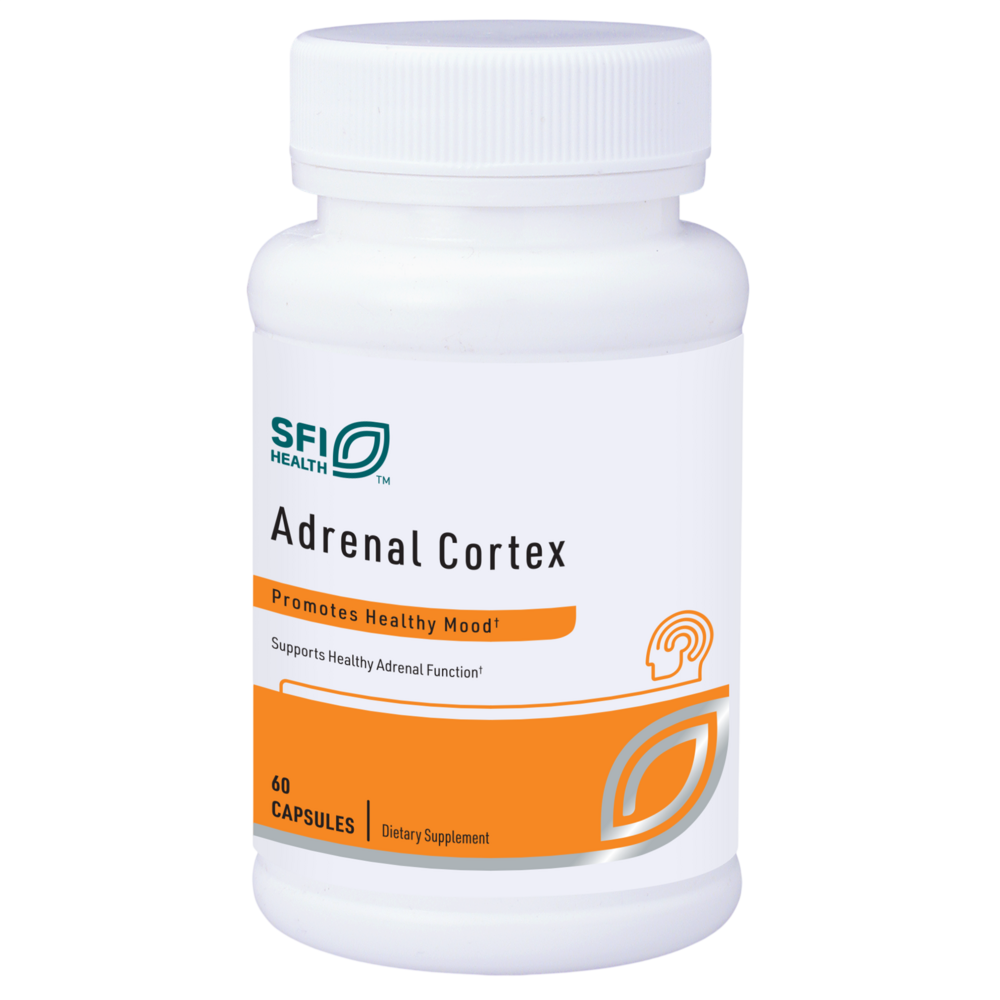
Glandular extracts have a long history in traditional and naturopathic wellness practice, where they have been used for generations as a way to provide nutritional support sourced from the same tissues found in the body. Adrenal cortex extracts, in particular, are one of the most established and recognized glandular options, traditionally used to support overall wellness.*
Adrenal Cortex Support brings that tradition to you in a clean, carefully sourced, once-daily capsule.
Each serving delivers 250 mg of bovine adrenal cortex extract, sourced from the outer cortex section of bovine adrenal gland from countries recognized as BSE-free.* The extract is lyophilized (freeze-dried), a process that preserves the biological activity of the source material without the use of high heat. The result is a premium, thoughtfully processed glandular extract, delivered in a simple vegetarian capsule with minimal other ingredients.
If you want a clean, well-sourced adrenal cortex glandular option, this is where it begins.
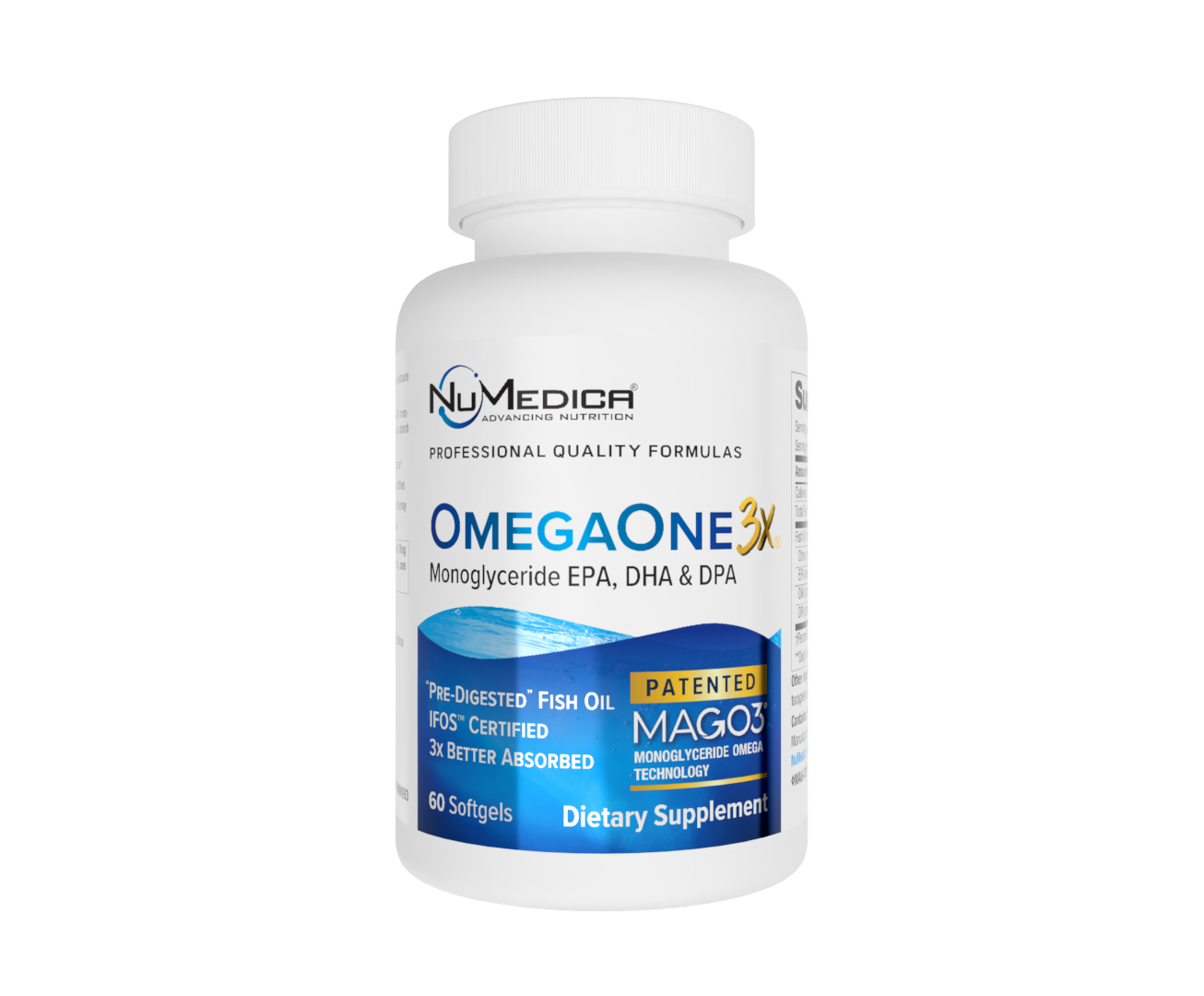
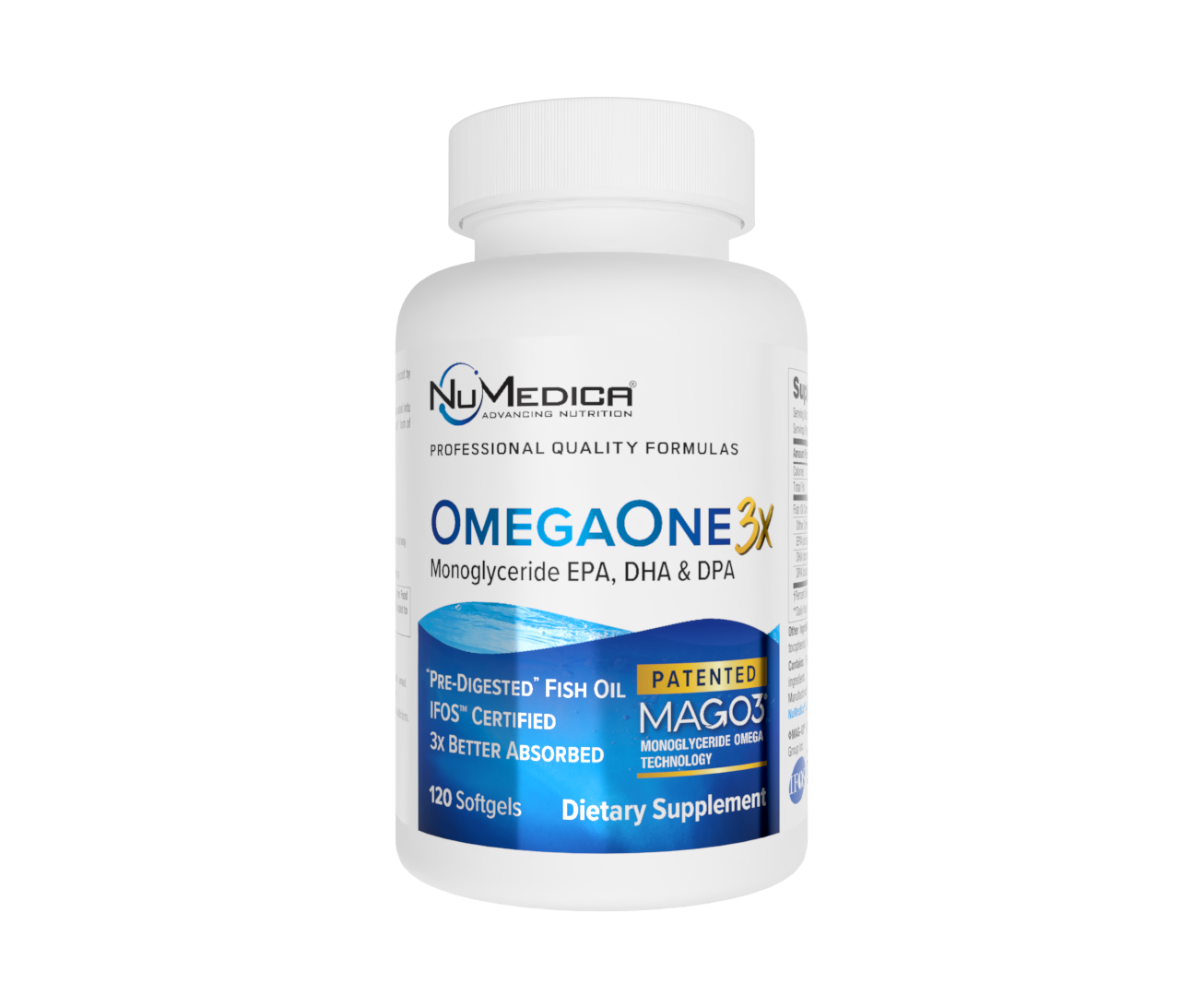
Omega-3 fatty acids are some of the most important nutrients you can add to your daily routine. They are foundational building blocks the body uses for cellular health, and most modern diets simply do not provide enough of them. The challenge with traditional fish oil supplements is that your body has to enzymatically break them down before it can absorb them, and that process is naturally less efficient as you age, when fat absorption slows, or simply when you do not take them with enough dietary fat.
OmegaOne 3x™ was built to solve that.
It delivers EPA, DHA, and DPA omega-3s in their most readily absorbable form: monoglycerides.* Using a patented enzymatic process called MAG-O3®, the oil is “pre-digested” before it ever reaches your bottle, creating a form of fish oil your body can absorb directly, without the additional digestive steps required by traditional fish oils. The result is up to three times better absorption of EPA and DHA compared to common ethyl ester (EE) fish oil forms.*
If you want a smarter, faster-absorbing approach to your daily omega-3, this is where it begins.
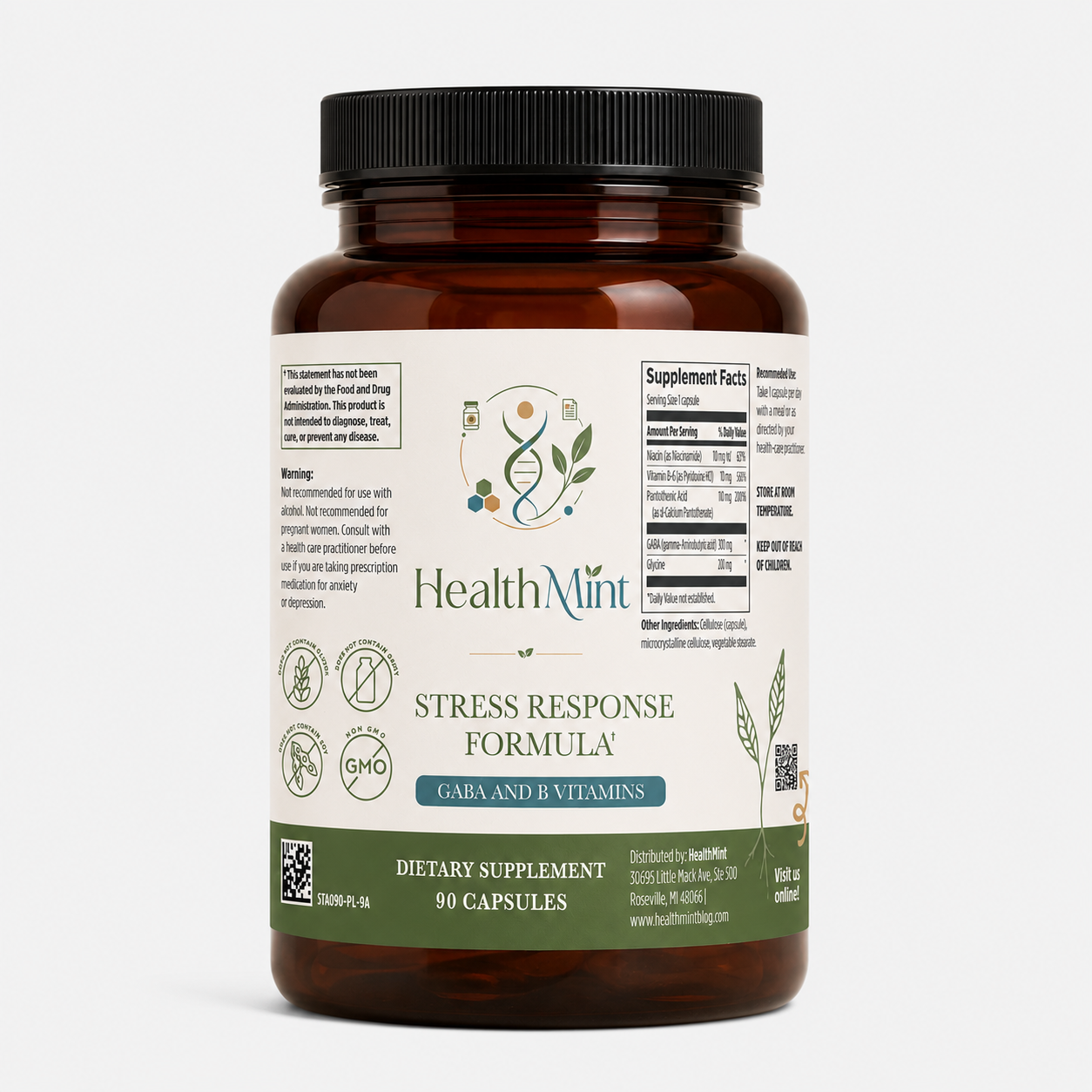
Modern life rarely slows down. Deadlines stack. Schedules tighten. The body’s stress response keeps running long after the moment has passed. Over time, that constant low-grade pressure can leave you feeling wired, drained, and disconnected from your own sense of calm.
The Stress Response Formula was built to help your body meet those demands with greater resilience.
It is a synergistic blend of GABA, glycine, and key B vitamins, thoughtfully formulated to support a healthy response to stress.* The B vitamins inside, including Niacin, Vitamin B6, and Pantothenic Acid, are essential cofactors for adrenal function, cellular energy production, and neurotransmitter synthesis, all of which can be taxed during periods of heightened stress.* GABA and glycine, two calming amino acids that act as inhibitory neurotransmitters, help support a sense of calm and relaxation when daily life feels anything but.*
