
Let's Talk About the Thing Nobody Really Talks About
You're growing an entire human being. Your body is doing something genuinely miraculous, and yet somehow, one of the most common questions pregnant people have is one of the least discussed at prenatal appointments: What is happening to my sex drive?
Maybe it vanished in the first trimester, and you felt guilty about it. Maybe it came roaring back in the second trimester, and that surprised you, too. Maybe your partner is confused, you're confused, and the whole thing feels like one more unpredictable variable in an already unpredictable season of life.
Here's what you need to hear first: whatever you're experiencing is almost certainly normal. Desire during pregnancy doesn't follow a single script. It rises, falls, shifts, and sometimes takes a form you barely recognize, and all of that makes perfect biological sense once you understand what's actually going on beneath the surface.
This article is here to give you the honest, trimester-by-trimester picture of what drives (or dampens) desire during pregnancy, and what you can actually do to support your physical and emotional well-being through all of it.
Why This Actually Matters More Than You Might Think
Sexual health during pregnancy isn't a frivolous topic. It sits at the intersection of hormonal health, relationship connection, mental well-being, and physical comfort, all of which directly affect how you experience pregnancy and enter parenthood.
Couples who maintain open communication about intimacy during pregnancy report stronger relationship satisfaction both before and after birth. And for the pregnant person, feeling connected to their body, even as it changes rapidly, plays a meaningful role in body image, self-esteem, and postpartum recovery.
There's also this: understanding why your desire is shifting helps you stop pathologizing yourself. When you know that nausea suppresses libido for neurological reasons, or that the second-trimester blood flow surge has a physiological explanation, you stop wondering if something is wrong with you. You start working with your body instead of against it.
That shift in perspective matters a lot.
The Biology Behind the Rollercoaster: What Your Body Is Actually Doing
To understand desire during pregnancy, you need a quick tour of the hormonal landscape. It's genuinely fascinating and more complex than most people realize.
Estrogen rises dramatically throughout pregnancy, eventually reaching levels roughly 100 times higher than the pre-pregnancy baseline by the third trimester. Estrogen increases genital blood flow and tissue sensitivity, which can heighten arousal. Still, it also increases vaginal discharge, breast sensitivity, and emotional responsiveness, all of which affect how that arousal is experienced.
Progesterone climbs steadily as well, and this is where things get complicated. Progesterone has a calming, almost sedating effect on the nervous system. It is necessary to maintain the pregnancy and prevent early contractions. Still, it also tends to reduce libido, increase fatigue, and contribute to the emotional flatness some people experience in early pregnancy.
hCG (human chorionic gonadotropin), the hormone detected by pregnancy tests, peaks in the first trimester and is largely responsible for nausea and vomiting. It also contributes to fatigue and breast tenderness. As hCG levels drop around weeks 10 to 14, many people notice a marked improvement in how they feel overall.
Testosterone, often overlooked in discussions of female reproductive health, plays an important role in libido throughout pregnancy. Levels fluctuate across trimesters and vary considerably between individuals, which partially explains why two people can have wildly different experiences of desire during the same stage of pregnancy.
Oxytocin, the bonding and connection hormone, becomes increasingly active as pregnancy progresses. It doesn't drive libido directly, but it shapes the emotional quality of intimacy, making physical closeness feel more meaningful and sometimes more necessary.
Prolactin rises throughout pregnancy in preparation for breastfeeding and tends to have a dampening effect on sexual desire, particularly in the third trimester and postpartum period.
Underneath all of this is increased pelvic blood flow. Blood volume increases by up to 50% during pregnancy, which can make genital tissue more engorged and sensitive at baseline. For some people, this translates into heightened arousal; for others, it creates a feeling of fullness or pressure that isn't pleasurable at all.
First Trimester: When Your Body Is Conserving Everything It Has
Weeks 1 to 13
If your sex drive disappeared in the first trimester, you have the full support of biology. This is, for most people, the hardest phase for desire, and the reasons are stacked.
What's happening: hCG is surging. Progesterone is high. Your body is expending enormous energy on implantation, organ development, and the establishment of the placental blood supply. Nausea affects up to 80% of pregnant people and often peaks between weeks 6 and 10. Fatigue in the first trimester isn't ordinary tiredness. It's a deep, almost cellular exhaustion driven by the metabolic demands of early fetal development.
What this does to desire: For most people, libido takes a back seat, or gets out of the car entirely. Breast tenderness can make touch feel uncomfortable rather than pleasurable. Nausea makes physical exertion unappealing. Heightened smell sensitivity, one of progesterone's effects, can make otherwise neutral scents suddenly intolerable. Anxiety about miscarriage, which is statistically most common in the first trimester, adds a layer of psychological complexity that's hard to separate from physical experience.
What some people experience instead: Not everyone loses desire in the first trimester. Some people find that the emotional intensity of early pregnancy, the significance of the moment, and the intimacy of sharing a secret actually heighten desire. If that's you, that's equally normal.
What helps: The most valuable thing you can do in the first trimester is remove any pressure on yourself and in your relationship. This is a season of rest and internal work. Physical closeness doesn't have to mean sexual activity. Prioritizing sleep, managing nausea with small, frequent meals and adequate hydration, and communicating openly with your partner about what you need goes further than almost anything else right now.
Second Trimester: The Window Many People Didn't Expect
Weeks 14 to 27
The second trimester has a reputation, and for many people, it's earned. This is often called the "sweet spot" of pregnancy, and while that's not universal, there are real physiological reasons why desire frequently returns and sometimes surges during this phase.
What's happening: hCG has dropped. For most people, nausea has eased considerably. Energy begins to return. The pregnancy is visible but not yet physically limiting. Estrogen and progesterone are stable and elevated, and pelvic blood flow is increasing. The uterus is moving up and out of the pelvic cavity, which can actually reduce pelvic pressure and discomfort.
What this does to desire: Increased genital blood flow means heightened sensitivity and, for many people, stronger arousal and more intense orgasms than before pregnancy. Breast sensitivity, which was painful in the first trimester, often shifts to a pleasurable, heightened responsiveness. A growing sense of confidence in the pregnancy, as the risk of miscarriage drops significantly after week 14, can reduce anxiety and allow for more emotional presence during intimacy.
Some people experience orgasms for the first time in this trimester, or find that orgasms become significantly easier to achieve. This is pelvic blood flow at work.
The body image variable: The second trimester is also when the body changes become undeniable. For some people, a visible bump feels beautiful and powerful, a source of confidence and sensuality. For others, it's disorienting. Both responses are valid, and both affect desire. If you're struggling with body image, know that this is one of the most common and least-discussed aspects of pregnancy, and that it often improves with time and with partners who are genuinely and vocally affirming.
What helps: Exploration and communication are your greatest tools here. Many couples find this trimester is a natural invitation to expand their understanding of intimacy through different positions, pacing, and touch. Letting go of what sex "should" look like and discovering what feels good right now often opens doors that stay open well beyond pregnancy.
Third Trimester: Comfort, Connection, and the Long Game
Weeks 28 to 40+
The third trimester is where desire becomes genuinely complex, and where the gap between partners can widen if it's not actively bridged. Physical constraints are real. Emotional needs are heightened. And the proximity of birth brings its own psychological weight.
What's happening: The baby is large, and so is the uterus. The diaphragm is compressed. The bladder is under constant pressure. The round ligaments, which support the uterus, are stretched, causing stabbing pain with sudden movements. Prolactin is rising. Sleep is increasingly disrupted. Braxton Hicks contractions may be frequent.
What this does to desire: For many people, penetrative sex becomes physically uncomfortable or simply logistically challenging. Pelvic girdle pain, a common third-trimester complaint affecting the sacroiliac joints, can make movement painful. Heartburn, swollen feet, and general heaviness don't create the most conducive conditions for desire.
The need for closeness, reassurance, and connection often intensifies, though. The approaching birth can create anxiety, vulnerability, and a deep longing for emotional safety. Many people find that their desire for intimacy in the broad sense, for touch, presence, and tenderness, is actually at its peak in the third trimester, even when sexual desire specifically has quieted.
A note on safety: Sexual activity is safe throughout a healthy pregnancy. Orgasms cause uterine contractions, but in a healthy pregnancy, these are mild and temporary and do not trigger labor. The amniotic sac, the uterine wall, and the cervix protect the baby. The only contraindications to sexual activity in pregnancy are placenta previa (when the placenta covers the cervix), unexplained bleeding, preterm labor risk, or premature rupture of membranes, all of which your provider will discuss with you directly.
What helps: Redefining intimacy is the real work of the third trimester. Non-penetrative touch, massage, extended physical closeness, and honest conversation about fear and anticipation around birth can all deeply support the relationship during this time. Many couples find that the intimacy they build in the third trimester creates a foundation that carries them through the postpartum period.
Practical Advice That Actually Works
Communicate Before You Need To
Don't wait until there's friction. Start the conversation about desire, comfort, and expectation early in pregnancy, ideally before changes become significant. Framing it as curiosity rather than concern ("I wonder how our sex life might shift, let's talk about it") creates a safe space for ongoing dialogue.
Separate Intimacy from Intercourse
This isn't a consolation prize. It's genuinely good advice for any relationship, pregnant or not. Physical closeness, intentional touch, massage, and emotional vulnerability are all forms of intimacy that can sustain a relationship when other forms are temporarily less available.
Respond to What Your Body Is Actually Doing
Desire during pregnancy is responsive rather than spontaneous for many people, meaning it doesn't appear out of nowhere but arises in response to the right conditions. Creating those conditions, such as privacy, comfort, freedom from distraction, and a partner who is attuned and patient, matters more than trying to will desire into existence.
Don't Compare Your Pregnancy to Anyone Else's
The normal range here is enormous. Some people want sex right up to the day they give birth. Others lose interest entirely by week 6 and don't fully recover until months postpartum. Both of these people are healthy. Social media narratives about glowing, sensual pregnancy are not a benchmark.
Involve Your Provider
If you have questions about safety, discomfort, or significant changes in desire that feel troubling rather than explainable, bring them to your midwife or OB. These conversations are clinical, appropriate, and more common than you might think.
Lifestyle Strategies That Support Healthy Desire Through Pregnancy
The foundations of sexual health during pregnancy are the same foundations that support overall health, which means a lot of the work you're already doing for your baby is also working for you.
Prioritize restorative sleep. This sounds obvious, but it's worth naming directly: fatigue is one of the most significant suppressors of desire. Sleep positioning with a pillow between the knees in the second and third trimesters, minimizing screen exposure before bed, and protecting sleep as a genuine health priority all support hormonal balance and energy levels.
Move your body consistently. Moderate exercise during pregnancy, such as walking, swimming, and prenatal yoga, improves circulation, reduces cortisol, supports mood through endorphin release, and maintains body awareness and confidence. All of these have a positive downstream effect on desire.
Eat to support hormonal health. The liver processes and clears hormones, and supporting liver function through a diet rich in vegetables, quality protein, and healthy fats matters more during pregnancy than most people realize. Adequate omega-3 fatty acids, found in fatty fish, walnuts, and flaxseed, support the production of steroid hormones, including those involved in libido. B vitamins, particularly B6, play a role in the production of serotonin and dopamine, neurotransmitters that affect mood and desire.
Stay well hydrated. Dehydration affects energy, mood, and mucosal tissue quality, all of which matter for physical comfort and desire. Aim for at least 8 to 10 cups of water daily, and more in the third trimester.
Address stress actively. Elevated cortisol suppresses sex hormone production through a mechanism called the cortisol steal, where the body prioritizes stress hormones over reproductive hormones when resources are limited. Stress management during pregnancy isn't optional. Breathwork, mindfulness, gentle movement, social support, and professional support when needed all help regulate the stress response.
Nurture an emotional connection with your partner. Emotional intimacy is one of the strongest predictors of sexual desire in long-term relationships. Regular, undistracted time together, not just as co-parents preparing for a baby but as partners who truly know and see each other, creates the relational foundation that desire grows from.
Nutritional and Supplement Support for Hormonal Balance
While no supplement replaces good foundational nutrition, certain targeted nutrients play a meaningful role in supporting the hormonal environment that underlies healthy desire during pregnancy.
Magnesium glycinate is one of the most important and most commonly depleted nutrients in pregnancy. Magnesium supports the nervous system, reduces cortisol, improves sleep quality, and plays a role in over 300 enzymatic reactions, including those involved in hormone synthesis. Many pregnant people are significantly deficient.
Vitamin D3 with K2 is essential for hormonal health, immune function, mood regulation, and calcium metabolism during pregnancy. Low vitamin D is associated with depression, fatigue, and hormonal imbalance, all of which affect desire. Most prenatal vitamins contain inadequate amounts, and blood levels should be monitored.
B-complex vitamins, particularly B6 and B12, support the neurotransmitter pathways involved in mood and desire. B6 is also particularly helpful for first-trimester nausea, making it doubly valuable in early pregnancy.
Omega-3 fatty acids (EPA and DHA) are critical for fetal brain development. Still, they also support maternal mood, reduce inflammation, and contribute to the structural integrity of cell membranes throughout the body, including those of hormone-producing tissues. Many prenatal vitamins contain DHA but not therapeutic levels of EPA, which is more relevant for mood and anti-inflammatory support.
Zinc is a cofactor in testosterone production and plays a role in immune function, mood, and reproductive health. Deficiency is common during pregnancy due to increased demand, and adequate levels are essential for hormonal balance.
Probiotics and gut support deserve mention here because emerging research consistently links gut microbiome health to hormonal regulation, mood, and immune function. The gut-brain axis is particularly relevant during pregnancy, when progesterone slows GI motility and digestive disruption is common.
Adaptogenic herbs such as ashwagandha are not appropriate during pregnancy due to insufficient safety data, but supporting the adrenal system through nutrition, sleep, and stress management achieves similar goals safely.
As always, any supplement taken during pregnancy should be discussed with your healthcare provider, as needs vary considerably based on individual diet, health status, and trimester.
What You Actually Need to Know
Your sex drive during pregnancy is not broken. It is responding intelligently, physiologically, and appropriately to one of the most demanding hormonal and physical events the human body undergoes.
In the first trimester, falling desire makes complete biological sense. Your body is exhausted, nauseated, and flooded with hormones that prioritize fetal development over libido.
In the second trimester, returning or heightened desire is equally well-founded. Nausea eases, energy returns, and increased blood flow creates conditions for genuine pleasure.
In the third trimester, desire often shifts in form, from sexual to deeply relational, and that shift deserves to be honored rather than mourned.
Throughout all three trimesters, the most powerful things you can do are communicate openly with your partner, support your body with sleep, movement, and nutrition, actively manage stress, and let go of the expectation that your experience should look like anyone else's.
You are doing something remarkable. Your body deserves your curiosity and your compassion, not your judgment.
*This article is for educational purposes and does not constitute medical advice. Always consult your healthcare provider with questions specific to your pregnancy.
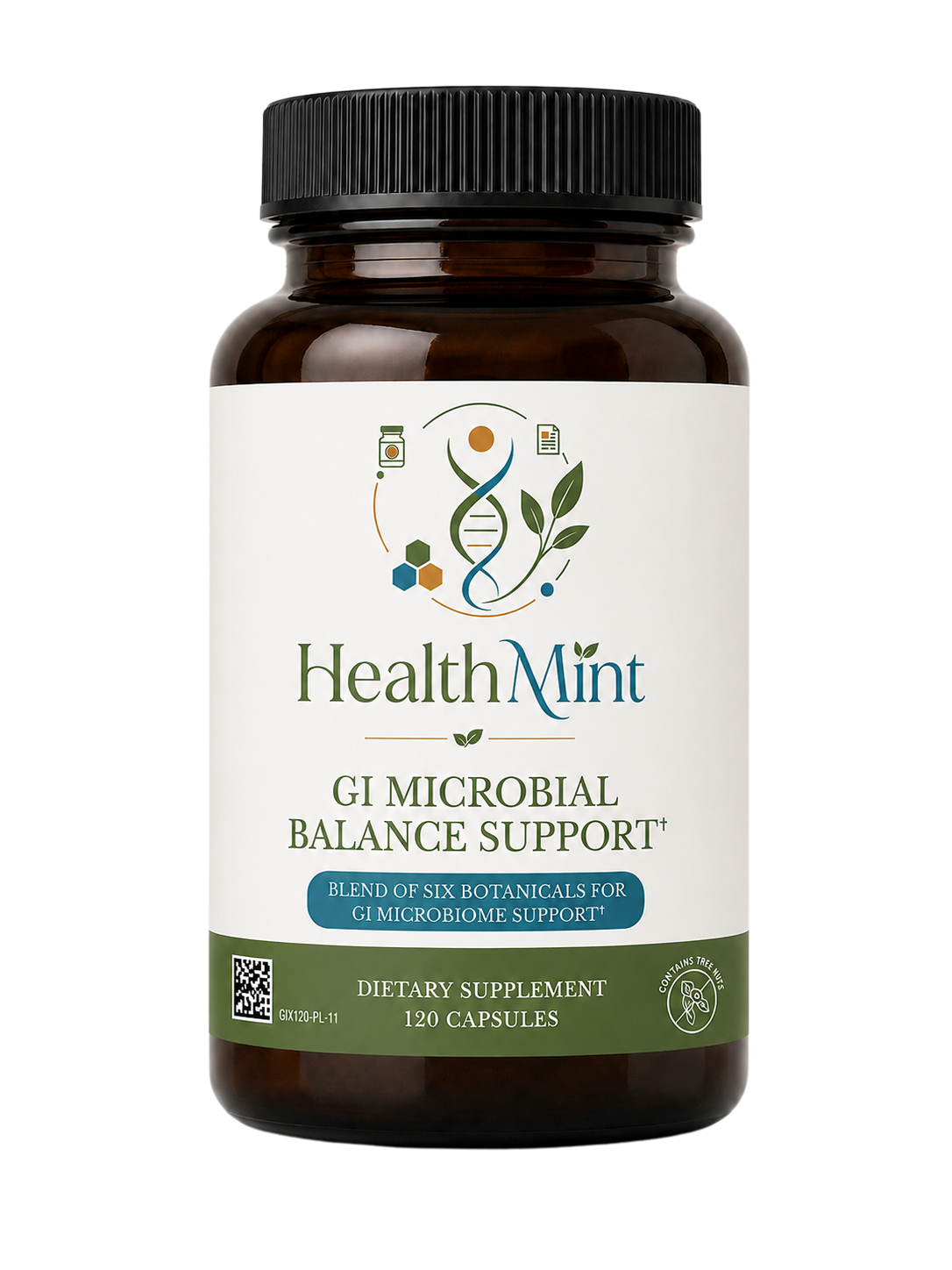
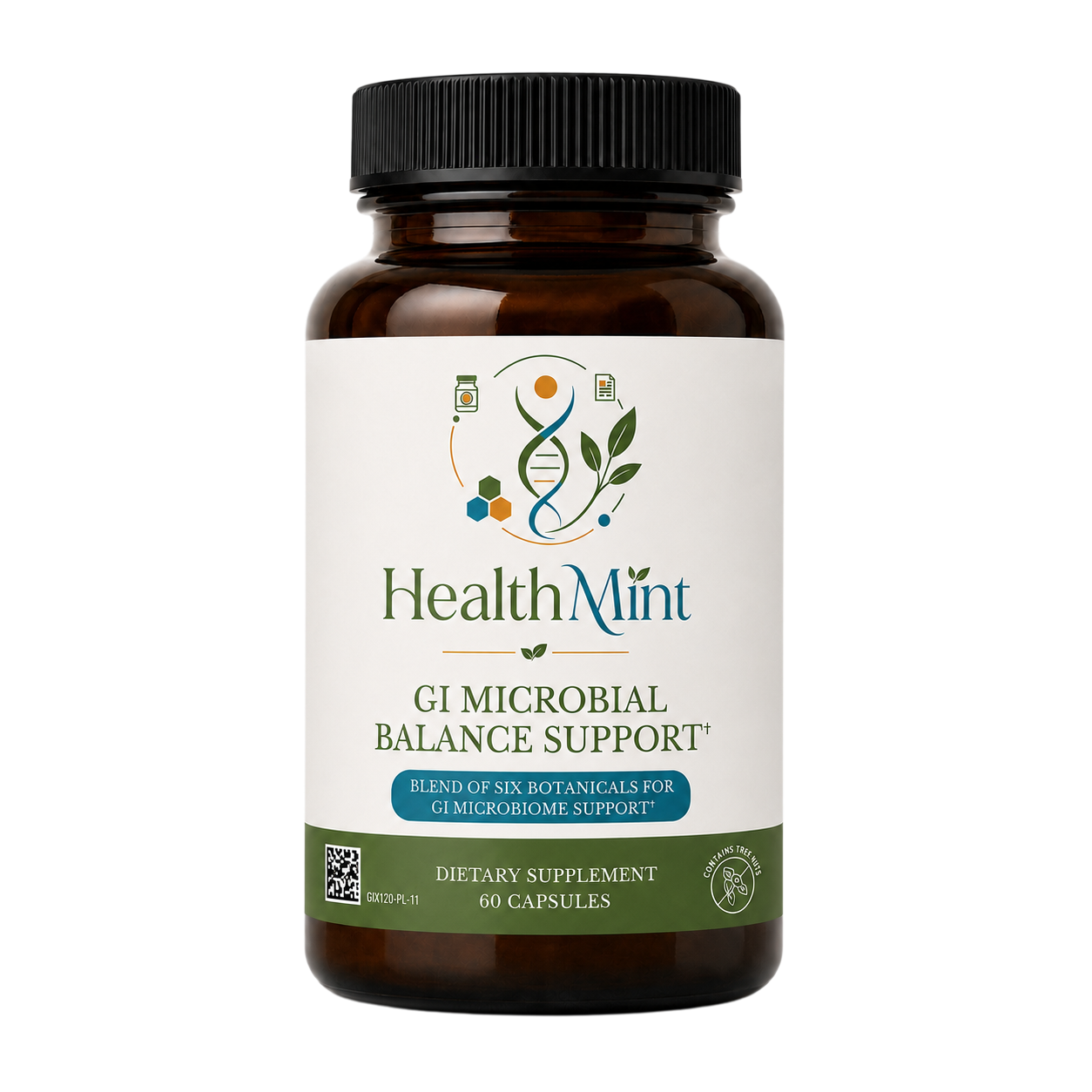
GI Microbial Balance Support is a thoughtfully crafted blend of botanical extracts drawn from traditions of herbal practice spanning centuries and cultures.* It brings together ingredients with long histories of traditional use in supporting gastrointestinal health, in a single once-daily capsule meant to be part of a comprehensive wellness routine.
Each capsule is designed to provide botanical support for a healthy gut environment and microbial balance, in a clean, considered formula made with non-GMO ingredients.*
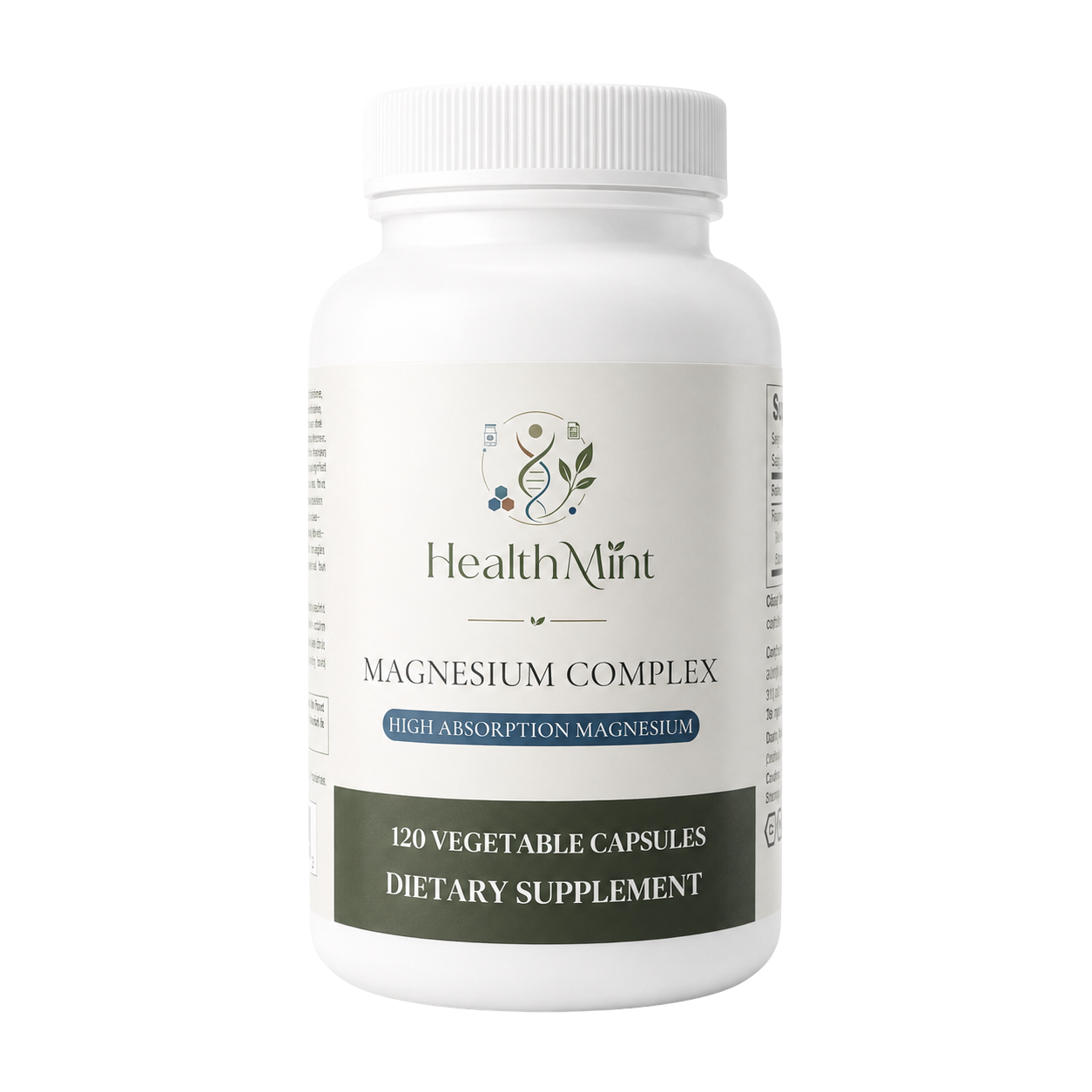
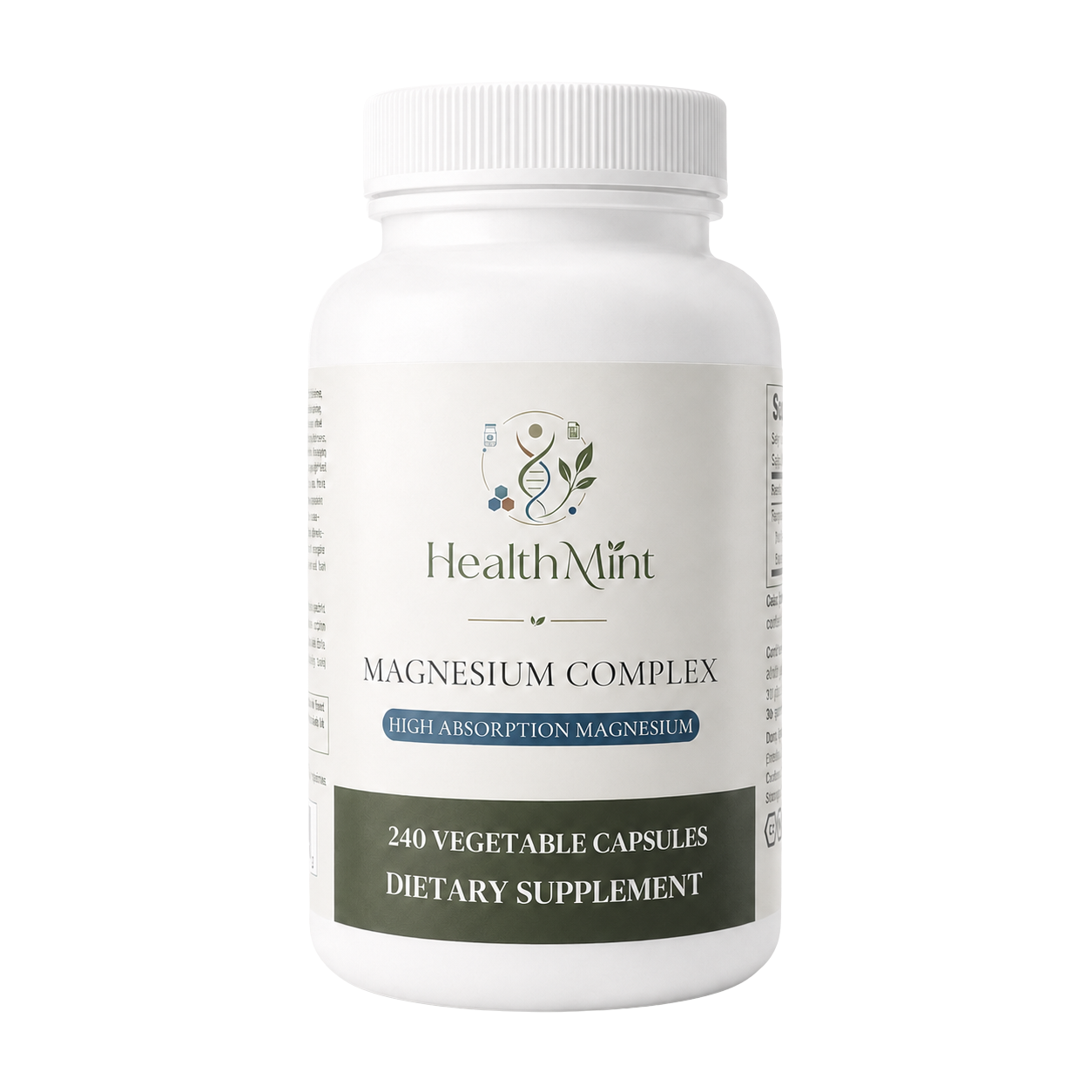
Magnesium Complex features the highly absorbable magnesium lysinate glycinate chelate and the patented di-magnesium malate from Balchem Corporation, the world leader in patented mineral amino acid chelate and organic mineral acid complex research and development.*
Magnesium is involved in over 300 enzyme-related processes including cardiac, muscle and nerve function and the production of ATP for energy.* Magnesium also plays a role in supporting optimal bone density and maintenance of blood glucose levels.*
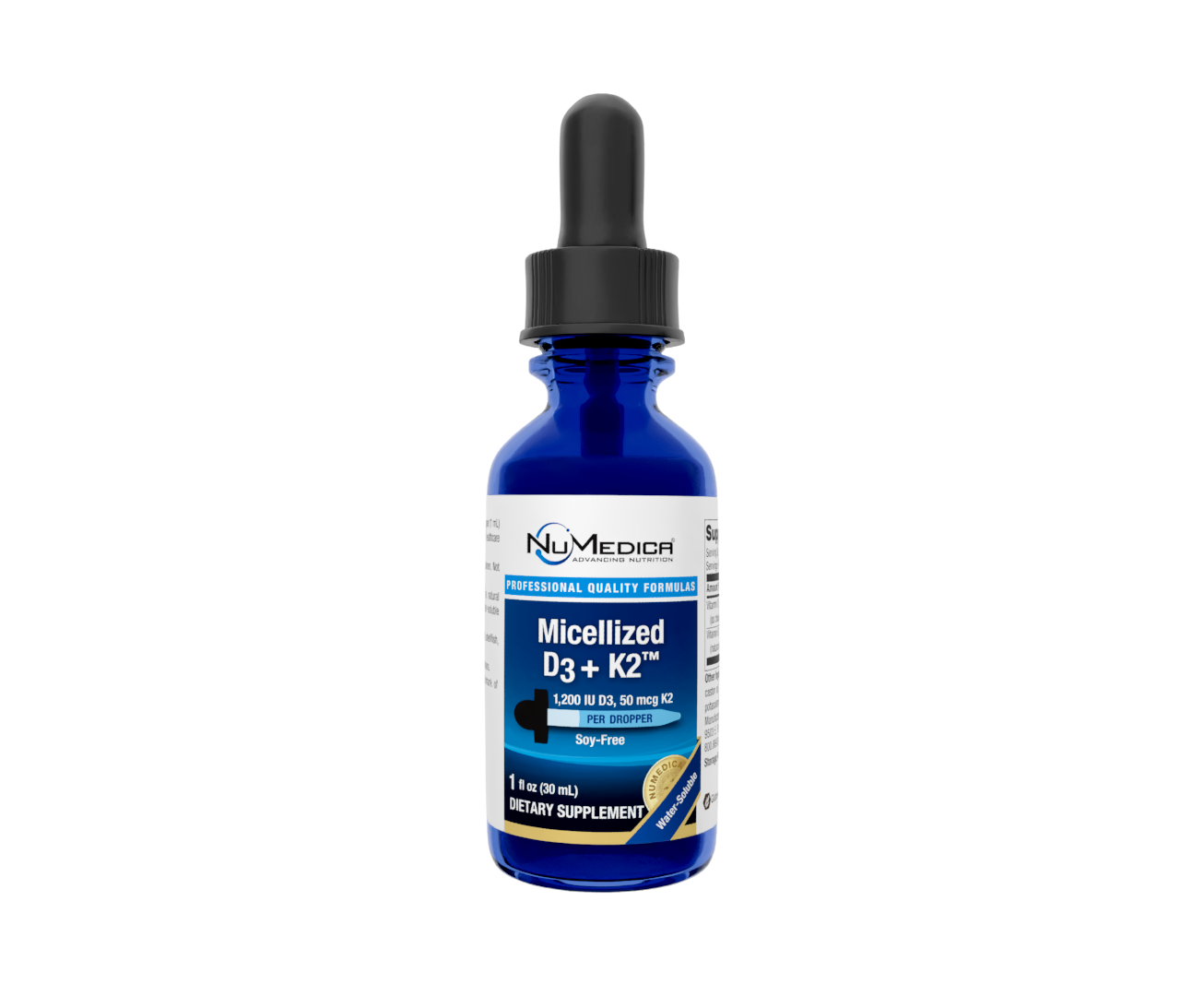
Micellized D3 + K2™ is a soy-free, natural vitamin D3 and vitamin K2 in a water-soluble micellized form. Micellization greatly increases the solubility, absorption and bioavailability over oil or emulsified forms.*
This formula includes the patented VitaMK7®, a natural vitamin K2 (as MK7) which supports enhanced utilization of calcium in the bloodstream.* It is an all-trans natural menaquinone-7 with the highest bioavailability and longest half-life in the blood.* VitaMK7® is shown in human clinical studies to increase osteocalcin (calcium-binding protein) levels, enhancing the body’s ability to utilize calcium in the bloodstream.* It is also shown to prevent bone loss and promote bone integrity while significantly reducing the incidence of arterial calcification, promoting optimal cardiovascular function.* An in-vitro study shows VitaMK7® inhibits the production of PGE-2, a prostaglandin that acts as a potent stimulator of bone loss.* It is non-GMO and solvent-free and processed under the strictest purity standards.
