
You’ve Been Half-Told the Story
Ask most people what testosterone does, and you’ll hear the same short list: libido, erections, muscle, and energy. End of story.
But that’s like describing a symphony by saying it’s “just music.” Testosterone is one of the most nuanced, misunderstood, and genuinely fascinating hormones in the human body, and the gap between what people think it does and what it actually does is surprisingly wide.
So let’s fix that. Because if you’re trying to support your sexual health, your energy, or just your overall sense of vitality, you deserve the real picture, not the oversimplified one.
Why Testosterone Actually Matters (It’s Not Just About Sex)
Yes, testosterone plays a central role in sexual function. But calling it a “sex hormone” undersells it dramatically.
In both men and women, testosterone influences mood, cognition, bone density, muscle metabolism, cardiovascular health, red blood cell production, and even how the brain processes reward and motivation. It’s a systemic hormone with effects that reach from your brain to your bones.
When it comes to sexual health specifically, testosterone matters in several distinct and often surprising ways.
It shapes desire, not just performance. Testosterone is more closely linked to libido (the psychological drive for sex) than to the mechanics of sexual function itself. This is a crucial distinction that is constantly lost in popular health conversations.
It affects both men and women. Women produce testosterone too, primarily in the ovaries and adrenal glands, and it plays a meaningful role in female sexual desire, arousal, energy, and even vaginal tissue health. The difference between men and women is one of quantity, not kind.
Its effects are highly context-dependent. The same testosterone level can produce wildly different outcomes depending on sleep quality, stress, body composition, hormone receptor sensitivity, and the balance of other hormones in the system. Numbers alone don’t tell the whole story.
What Testosterone Actually Does in the Body: The Science Made Simple
Testosterone belongs to a class of hormones called androgens. It is produced primarily in the testes in men (about 95%) and in smaller amounts by the adrenal glands in both sexes. In women, the ovaries and adrenal glands produce roughly equal amounts.
The brain runs the whole show through a feedback loop called the hypothalamic-pituitary-gonadal (HPG) axis. The hypothalamus releases a signal (GnRH), which tells the pituitary to release LH (luteinizing hormone), which then signals the testes or ovaries to produce testosterone. When levels get high enough, the brain dials back the signal. It’s elegant, self-regulating biology.
Here’s where it gets interesting for sexual health.
Free vs. bound testosterone. Most testosterone in the blood (roughly 96-98%) is bound to proteins, mainly sex hormone-binding globulin (SHBG) and albumin. Only the small “free” fraction is biologically active, able to enter cells, and to do its job. This is why two people can have the same total testosterone but experience very different functional effects. One might have much higher SHBG, leaving far less free testosterone available. Many standard lab panels only measure total testosterone, missing this important nuance.
Conversion matters. Testosterone doesn’t always stay as testosterone. Some of it converts to estradiol (a form of estrogen) via an enzyme called aromatase, and this conversion is actually necessary for healthy sexual function in men, not just women. Men with very low estradiol, even when testosterone is normal, can experience low libido and erectile problems. Balance, not the dominance of a single hormone, is the goal.
Dihydrotestosterone (DHT) is another testosterone metabolite and a more potent androgen, converted from testosterone by the enzyme 5-alpha reductase. DHT is important for genital sensitivity and sexual arousal signaling, though it is also implicated in prostate growth and hair loss. Context matters enormously.
Here’s What Testosterone Does Not Do (This Part Is Important)
One of the biggest myths in men’s health is that testosterone is the singular driver of erectile function. It isn’t, at least not fully.
Erections are primarily a vascular and neurological event. They depend on nitric oxide production, healthy blood vessel function, nerve signaling, and blood flow. Testosterone plays a permissive role, helping to maintain the tissue and neural pathways that support erections. However, a man can have completely normal testosterone and still experience erectile dysfunction due to cardiovascular disease, diabetes, anxiety, medication side effects, or poor sleep.
Similarly, low testosterone alone rarely causes sexual dysfunction in isolation. Most of the time, low-T is part of a broader metabolic picture: poor sleep, excess body fat (particularly abdominal fat, which converts testosterone to estrogen via aromatase), chronic stress, sedentary living, and blood sugar dysregulation all contribute to hormonal disruption.
The other thing testosterone doesn’t do is work in a vacuum. Hormonal health is a web, not a single thread. Cortisol (the stress hormone) is testosterone’s primary antagonist, and chronically elevated cortisol actively suppresses testosterone production. Insulin resistance disrupts the HPG axis. Thyroid dysfunction affects SHBG levels and, therefore, free testosterone availability. Addressing sexual health through a testosterone-only lens almost always leaves something important on the table.
Practical Steps That Actually Move the Needle
The good news is that the lifestyle factors that support healthy testosterone levels overlap almost perfectly with the foundations of good health generally. There’s no exotic protocol required.
Protect your sleep fiercely. The majority of daily testosterone production in men occurs during sleep, specifically during the deep, slow-wave stages. Research has shown that even one week of sleeping 5 hours per night can reduce testosterone levels by 10-15% in young, healthy men. Sleep is not optional for hormonal health. Aim for 7 to 9 hours of sleep, prioritize sleep quality (a cool, dark room; a consistent schedule; limited alcohol), and treat sleep apnea if present, as it is one of the most underdiagnosed causes of low testosterone.
Lift weights. Resistance training is one of the most reliably documented ways to support testosterone levels, both acutely and over time. Compound movements such as squats, deadlifts, rows, and presses produce the strongest hormonal responses. Even two to three sessions per week of moderate-intensity strength training can make a meaningful difference.
Manage body fat, especially around the midsection. Adipose tissue (body fat) expresses aromatase, converting testosterone into estrogen. Higher abdominal fat means more aromatase activity, lower testosterone, and higher estrogen, a self-reinforcing cycle. Reducing body fat, particularly visceral fat, tends to improve testosterone levels without additional interventions.
Address chronic stress directly. This isn’t just advice to “relax.” Chronic stress keeps cortisol elevated, and cortisol and testosterone operate on a kind of biological seesaw. Practices that genuinely regulate the nervous system, including regular exercise, time in nature, breath-focused practices, social connection, and adequate rest and play, aren’t soft add-ons to a health plan. They’re physiologically necessary.
Be strategic about dietary fat. Testosterone is synthesized from cholesterol, and dietary fat supports that process. Very low-fat diets are consistently associated with lower testosterone levels. Healthy fat sources such as olive oil, avocado, eggs, fatty fish, and nuts provide the raw materials the body needs for hormone production. This doesn’t mean eating indiscriminately; it means that fat isn't the enemy of hormonal health.
Limit alcohol. Alcohol directly suppresses testosterone production and increases aromatization. Moderate, occasional use is generally fine, but regular heavy drinking meaningfully disrupts the HPG axis and should be taken seriously.
Lifestyle Strategies Worth Committing To
Beyond the fundamentals above, a few less-discussed lifestyle factors have solid evidence behind them.
Sun exposure and vitamin D. Vitamin D functions more like a hormone than a vitamin and has receptors throughout the reproductive system. Low vitamin D status is consistently associated with lower testosterone levels. Sensible sun exposure and vitamin D supplementation when sunlight is limited are worth prioritizing.
Zinc and magnesium. Both minerals play direct roles in testosterone synthesis and regulation. Zinc is required for enzymatic steps in testosterone production, and deficiency is associated with measurable reductions in testosterone levels. Magnesium can increase free testosterone by competing with SHBG, potentially increasing its availability. Both minerals are often insufficient in Western diets, particularly among people who sweat heavily during exercise.
Manage blood sugar. Insulin resistance is one of the most significant and underappreciated disruptors of testosterone in both men and women. The relationship runs in both directions: low testosterone worsens insulin sensitivity, and poor insulin sensitivity suppresses testosterone production. Reducing refined carbohydrates, increasing fiber intake, and prioritizing regular physical activity are the most effective tools here.
Minimize endocrine-disrupting exposures where practical. Certain environmental chemicals, including phthalates (found in some plastics and personal care products), BPA, and certain pesticides, have been documented to affect androgen function. The evidence is not cause for alarm, but choosing glass or stainless steel over plastic for food storage, opting for cleaner personal care products, and eating organic when practical are reasonable harm-reduction steps.
Supplement Support: What the Evidence Actually Says
Certain well-researched nutrients and botanicals have meaningful supporting evidence for testosterone and sexual health. Rather than chasing silver bullets, think of targeted supplementation as filling genuine gaps and supporting the biological systems that are already doing most of the work.
Key areas where supplementation is evidence-informed include vitamin D and zinc for foundational hormone synthesis support; ashwagandha, which has multiple clinical trials showing reductions in cortisol and modest but consistent improvements in testosterone levels and sexual function; maca root for libido support (particularly in women, where the evidence is quite strong); and magnesium, especially in active individuals where losses through sweat can be significant.
For both men and women experiencing symptoms that might reflect hormonal imbalance, such as low desire, fatigue, mood changes, or poor sleep, working with a practitioner to assess total and free testosterone, SHBG, estradiol, DHEA-S, cortisol, vitamin D, and thyroid markers provides a far more useful roadmap than guessing.
The Bottom Line
Testosterone matters genuinely and meaningfully for sexual health. But the story is richer and more interesting than the headlines suggest.
It’s less about absolute numbers and more about the whole hormonal ecosystem within which those numbers exist. It’s less about any single intervention and more about the consistent, unglamorous habits, including sleep, movement, stress management, real food, and a reduced toxic load, that either support or undermine the system over time.
Understanding what testosterone actually does, rather than what popular culture says it does, puts you in a far better position to make choices that genuinely move the needle.
And that, ultimately, is what good health education is for.
Key Takeaways
Testosterone influences libido, mood, energy, and tissue health, not just sexual mechanics.
Both men and women depend on testosterone for healthy sexual function; it is a matter of quantity, not kind.
Free testosterone (not just total) matters biologically; SHBG levels significantly influence it.
Erections depend primarily on vascular and neurological health; testosterone plays a supporting role, not the starring one.
Cortisol is testosterone’s primary hormonal antagonist; chronic stress is a major driver of low-T
Sleep quality, resistance training, body composition, and blood sugar regulation are the highest-leverage lifestyle factors.
Zinc, vitamin D, magnesium, ashwagandha, and maca have the strongest evidence base among nutritional and botanical supports.
*This article is for educational purposes and does not constitute medical advice. If you are experiencing symptoms that may relate to a hormonal imbalance, working with a qualified healthcare provider who can assess your individual labs and history is always the best starting point.
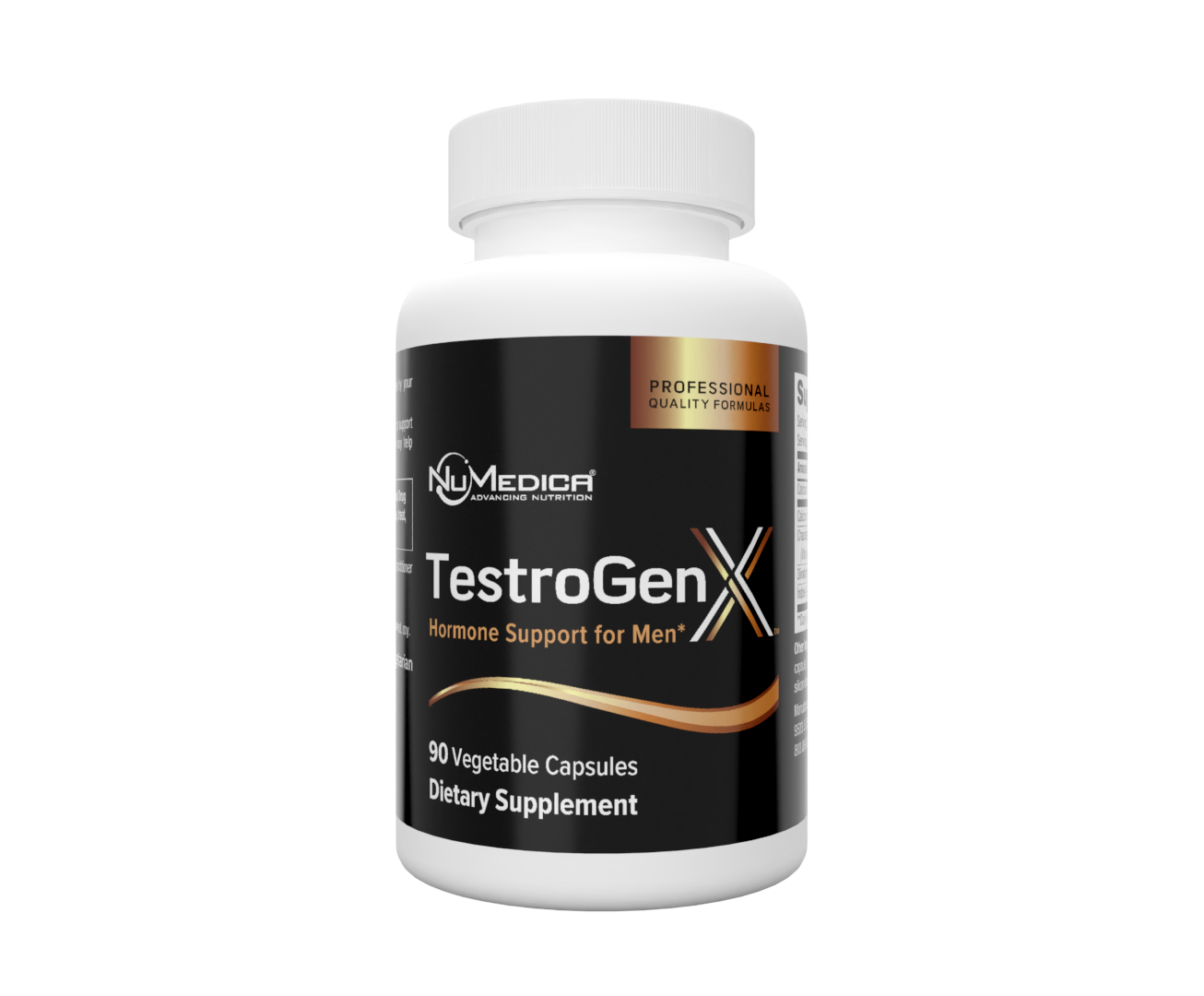
TestroGenX™ is a synergistic blend of natural ingredients designed to support the body’s ability to balance hormones including testosterone.* Chasteberry is a key ingredient in this formula and may help support the body in maintaining healthy levels of prolactin.* Healthy prolactin levels allow the body to naturally rebalance hormones. DIM (Diindolylmethane) supports the liver’s Phase I detoxification process while Calcium D-Glucarate helps to support Phase II detoxification.* Excess hormones and various toxins are neutralized via Phase II liver detoxification through a process called glucuronidation.
By supporting these natural detoxification processes in the body as well as glucuronidation, a healthy balance of hormones may be achieved.* In addition to hormone support, this all-natural formulation may help support prostate health, dopamine activity and promote libido.*
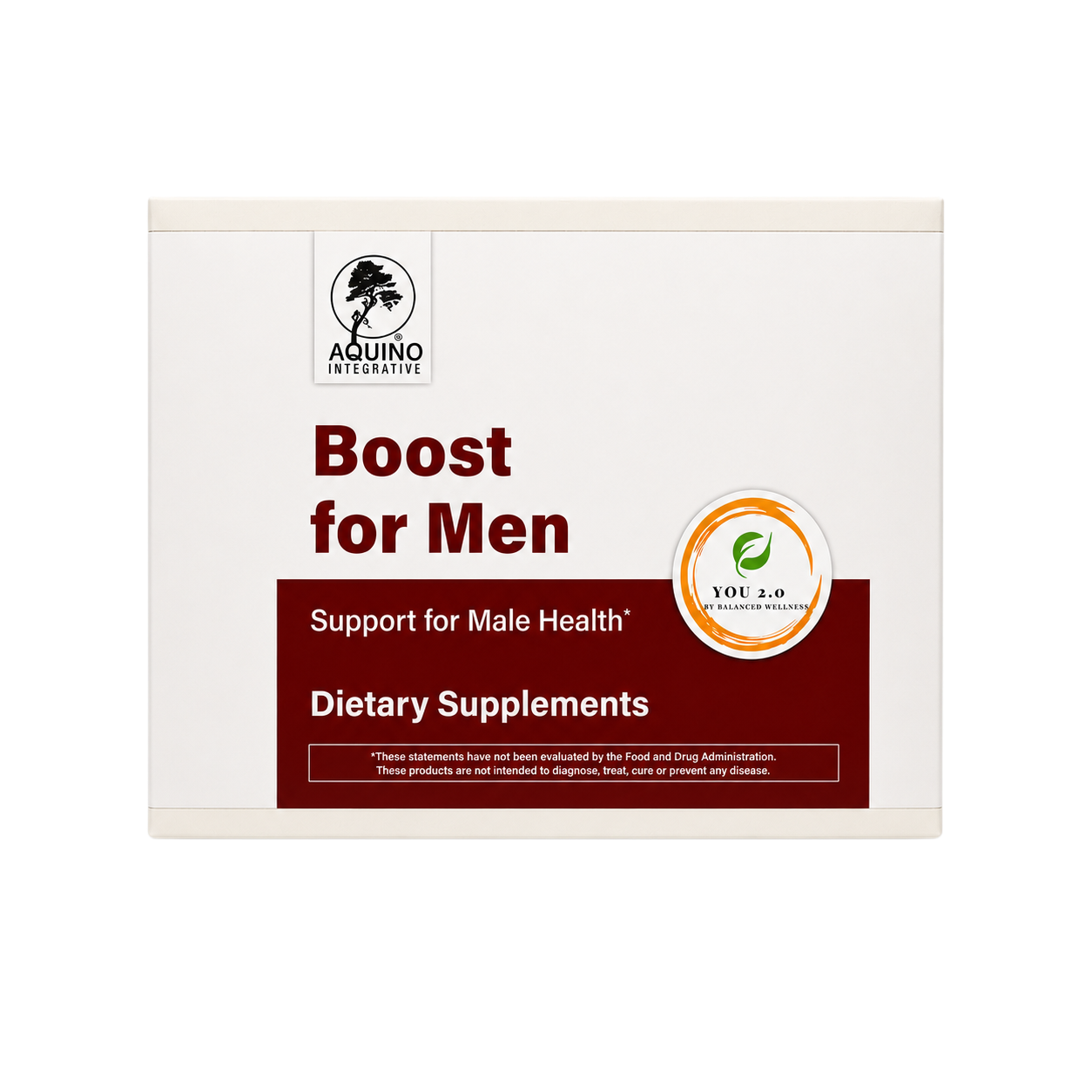
Reclaim your edge. Two powerful formulas. One daily ritual.
Somewhere after 40, a lot of men feel the shift. Energy that doesn't bounce back the way it used to. Drive that takes more effort to summon. A body that simply asks for a little more support to keep performing like it always has.
Boost for Men was built for exactly that moment.
This two-part system pairs Male Support and Nitric Oxide, two formulas designed to work together to help you feel strong, energized, and like yourself again.* No fillers you can't pronounce. No artificial colors, sweeteners, or preservatives. Just clean, thoughtfully sourced ingredients, independently tested for purity and potency.
If you're ready to stop settling for "fine," this is where it starts.
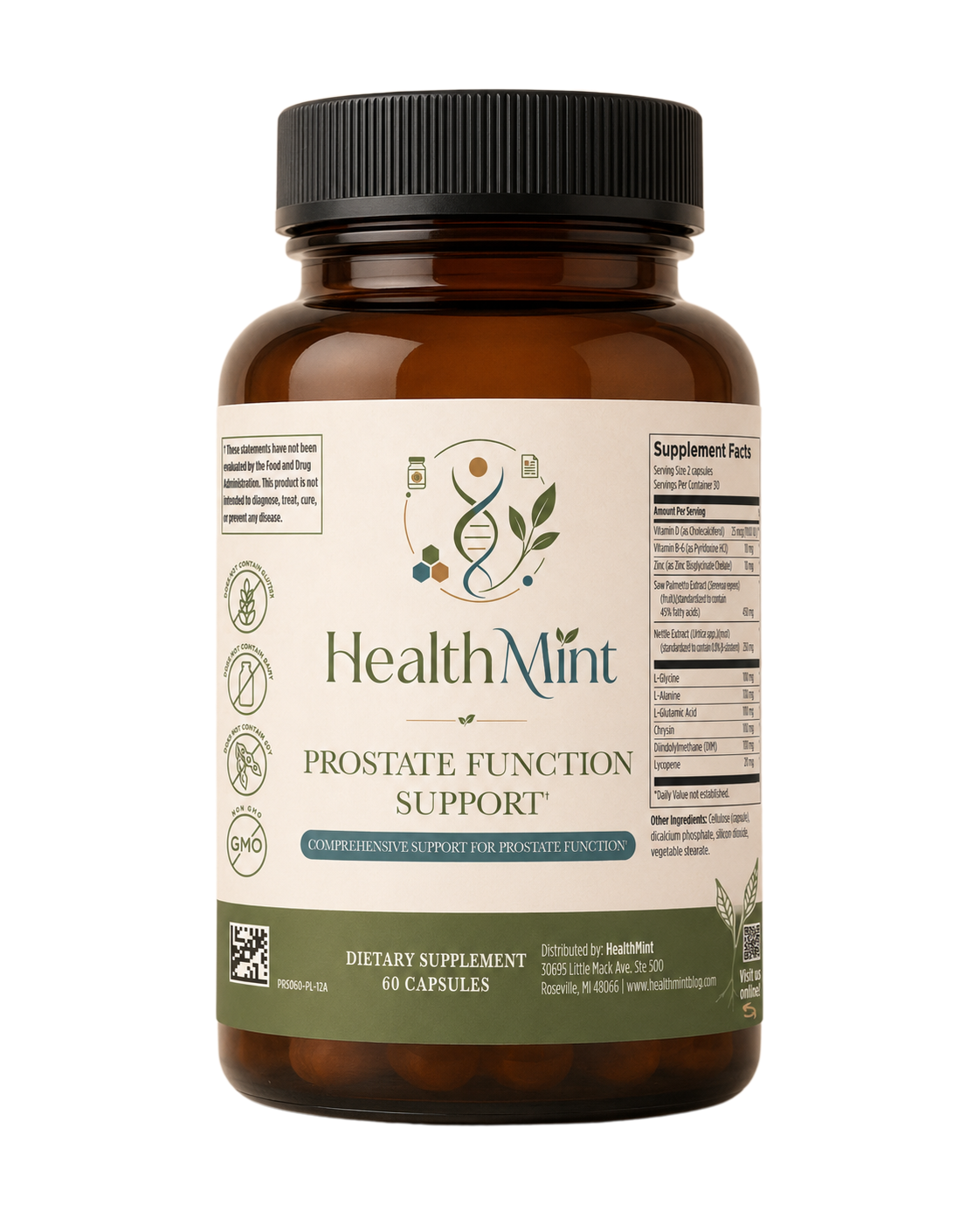
For many men, the prostate is the gland they think about only when something changes. The truth is, supporting healthy prostate function is a foundational part of male wellness, particularly as you move through your 40s, 50s, and beyond. The earlier you start giving this small but important gland the nutritional support it relies on, the better positioned you are to feel your best for the long haul.
Prostate Function Support was built to be that daily foundation.
It is a comprehensive, multi-ingredient formula combining classic botanical prostate-support ingredients like saw palmetto and nettle root with key nutrients including zinc, vitamin D, and lycopene, plus the amino acids and plant compounds your body uses every day.* Together, they provide thoughtful, targeted nutritional support for healthy prostate function, healthy urinary flow, and a healthy balance of male hormones.*
If you want to take a proactive, well-rounded approach to male wellness, this is where it begins.
