
Let’s Talk About the Part Nobody Talks About
If you have PCOS, you’ve probably heard plenty about irregular periods, blood sugar, and fertility. But here’s what doesn’t come up nearly enough in the doctor’s office: what PCOS does to your sex life, your relationship with your body, and your sense of yourself as a sexual being.
This isn’t a fringe concern. It sits right at the center of quality of life for millions of women and people with PCOS. The silence around it doesn’t make it less real. It just leaves people feeling alone, confused, and like something is fundamentally broken about them.
Nothing is broken. But a lot is going on, hormonally, psychologically, and physically, that deserves a real, honest conversation. So let’s have it.
Why This Matters More Than You Think
PCOS is the most common endocrine disorder in reproductive-age women, affecting somewhere between 8 and 13 percent of women globally, with many cases still undiagnosed. While the clinical focus tends to land on metabolic markers and fertility outcomes, research consistently shows that PCOS significantly impacts sexual function, body image, and mental health.
Studies have found that women with PCOS report lower sexual satisfaction, reduced sexual desire, more anxiety around intimacy, and a more strained relationship with their bodies than women without the condition. These aren’t superficial complaints. They’re rooted in real hormonal disruption, real psychological burden, and a healthcare system that hasn’t always taken them seriously.
The good news? Understanding why this happens is genuinely empowering, and there’s quite a bit you can do about it.
Your Hormones Are Running a Complicated Show
To understand what PCOS does to desire and sexuality, you have to understand what it does to your hormonal landscape, because the two are deeply and intimately connected.
Androgens: Too Much of a Complicated Thing
PCOS is characterized by elevated androgens, the hormones like testosterone and DHEA-S that are typically thought of as “male” hormones, but are critically important in female physiology too. Here’s the twist: androgens actually support libido. So you might expect high androgens to mean a strong desire.
But it’s not that simple. In PCOS, much of that testosterone is often bound to a protein called sex hormone-binding globulin (SHBG), which makes it biologically unavailable. Meanwhile, the pattern of androgen excess, particularly when combined with insulin resistance, disrupts the broader hormonal environment in ways that can suppress desire, interfere with arousal, and dampen the feedback loops that normally make sex feel rewarding.
Add to that the physical symptoms that often accompany excess androgens, including acne, unwanted facial and body hair (hirsutism), and scalp hair thinning, and you have a recipe for a profoundly complicated relationship with your own body.
Insulin Resistance: The Hormone Disruption Amplifier
Up to 70 percent of women with PCOS have some degree of insulin resistance, even those at a healthy weight. This matters for sexuality in ways that go well beyond blood sugar. Insulin resistance drives up androgen production in the ovaries, suppresses SHBG (which paradoxically increases free testosterone in some women while disrupting the overall hormonal balance), and contributes to chronic low-grade inflammation, all of which interfere with hormonal signaling and, by extension, desire and arousal.
High insulin also affects dopamine signaling in the brain. Since dopamine is the neurotransmitter most closely associated with desire, motivation, and reward, anything that disrupts it will have downstream effects on how interested you feel in sex and how much pleasure you actually get from it.
Estrogen and Progesterone: Out of Rhythm
In a typical cycle, estrogen and progesterone rise and fall in a choreographed sequence that supports mood, energy, and libido. Estrogen peaks around ovulation and contributes to increased desire, vaginal lubrication, and tissue sensitivity. Progesterone levels rise in the second half of the cycle, supporting a sense of calm and well-being.
In PCOS, this rhythm is often disrupted. Anovulatory cycles, in which ovulation doesn’t occur, result in progesterone never rising, leaving estrogen chronically elevated relative to progesterone. This estrogen dominance pattern contributes to mood instability and anxiety, and can interfere with sexual function and satisfaction. Low progesterone is also strongly associated with anxiety and depression, which are themselves significant barriers to desire and intimacy.
When Your Body Feels Like the Enemy
Here’s something that doesn’t get said enough: PCOS doesn’t just affect how your hormones behave. It profoundly affects how you feel about your body, and that has enormous consequences for sexuality.
Body image and sexual desire are not separate things. They’re deeply intertwined. When you’re at war with the body you’re in, vulnerability, which is the precondition for real intimacy, becomes genuinely difficult. And PCOS gives many people a great deal of material for that internal war.
The physical symptoms of PCOS, including weight changes, skin changes, and hair changes, tend to affect the very things our culture has decided matter most for femininity and attractiveness. Hirsutism, for example, affects somewhere between 70 and 80 percent of women with PCOS, and research shows it has one of the highest impacts on quality of life and self-esteem of any PCOS symptom. Women describe spending significant time, money, and emotional energy managing facial and body hair, and often feeling shame, embarrassment, and a sense of not measuring up to cultural standards of what a woman’s body should look like.
The psychological cost of this is real and measurable. Women with PCOS have higher rates of depression and anxiety than women without PCOS, not just because of the hormonal effects on mood, but because of the social and psychological burden of living in a body that defies certain expectations. Depression and anxiety are, reliably, libido killers. They don’t just make you feel bad. They biologically suppress the hormonal and neurological mechanisms that generate desire.
There’s also something subtler going on. For many people with PCOS, their bodies have felt unpredictable, unreliable, or like they work differently from everyone else’s. That can create a fundamental sense of disconnection from your physical self, a kind of dissociation from bodily experience that makes it harder to be present in your own skin, let alone present and engaged during intimacy.
The PCOS-Desire-Intimacy Connection in Practice
So what does all of this look like in real life?
It looks like wanting to want sex but finding it hard to get there. It looks like the arousal that used to come easily is muted or delayed. It looks like self-consciousness is taking you out of the moment when things should feel good, or avoiding intimacy because you don’t want your partner to see or touch the parts of your body you struggle with most. It looks like feeling guilty about your lower desire, which adds another layer of psychological weight.
It also looks like the partner dynamic is getting complicated. When someone is dealing with shame, low desire, and body image struggles, communication about sex often decreases, and unspoken tension tends to fill that space. Partners who don’t understand PCOS may take low libido personally, which creates more pressure, which creates more anxiety, which further suppresses desire.
None of this is anyone’s fault. But naming the pattern is the first step toward interrupting it.
Practical Steps That Actually Move the Needle
Start with the Hormonal Foundation
Because so much of what affects sexuality in PCOS is rooted in hormonal imbalance, supporting hormonal health is genuinely foundational, and not just for fertility. Getting blood sugar stable matters enormously here. Chronically elevated insulin disrupts the entire hormonal cascade, and stabilizing it through dietary changes, movement, and targeted support has downstream benefits for mood, desire, and body composition. Reducing refined carbohydrates and added sugars, eating protein and fiber at meals to blunt glucose spikes, and moving your body regularly, particularly with resistance training, are among the most well-supported interventions for PCOS overall, and they’re relevant for sexuality too.
Address the Mental Health Piece Directly
If you’re experiencing depression or significant anxiety alongside PCOS, and many people are, treating those conditions is not separate from addressing sexuality. It’s the same project. Therapy, particularly cognitive behavioral therapy and approaches that address body image specifically, has strong evidence behind it for improving sexual function and satisfaction in people with chronic health conditions. Working with a therapist who understands chronic illness, or specifically PCOS, can be transformative.
Reconnect with Your Body on Your Own Terms
This one sounds softer than it is, but it’s actually quite concrete. Practices that help you feel at home in your body, rather than at war with it, genuinely improve sexual experience and desire over time. This can include mindful movement practices such as yoga, which research has shown to have positive effects on hormonal markers and emotional well-being among people with PCOS. It can also mean deliberately practicing body neutrality: noticing what your body can do and feel, rather than only how it looks. Engaging with your physical self through pleasure that isn’t performance, whether that’s a bath, a massage, time in nature, or anything that feels good without requiring you to look a certain way, builds the kind of embodied presence that intimacy requires.
Communicate with Partners Early and Often
Shame thrives in silence. If PCOS-related changes have been affecting your sex life and you haven’t talked to your partner about it, that conversation, even if it feels uncomfortable, tends to relieve more pressure than it creates. Most partners, when they understand what’s actually going on, would rather know than continue to wonder or interpret your behavior through the wrong lens.
If sex has become a source of anxiety rather than pleasure, it can also help to explicitly take penetrative sex off the table for a period and explore intimacy without that pressure, not as a permanent change, but as a way of rebuilding connection and arousal in a lower-stakes context.
Lifestyle Strategies Worth Building Into Your Routine
Beyond the basics of blood sugar support and stress management, a few specific lifestyle practices have real evidence behind them for the PCOS-sexuality intersection.
Sleep is not optional. PCOS disrupts sleep in multiple ways: through elevated cortisol levels, insulin resistance, and a higher incidence of sleep apnea. Poor sleep is one of the most reliable suppressors of libido and sexual satisfaction in any population. Prioritizing sleep quality and addressing underlying sleep disorders, if present, has measurable effects on hormonal balance, mood, and desire.
Stress management is hormonal medicine. Chronic psychological stress elevates cortisol, which further disrupts the HPG axis (the hypothalamic-pituitary-gonadal axis) that governs reproductive hormones. It also depletes the neurotransmitter resources that support mood and desire. Mind-body practices, not as a luxury but as a genuine medical intervention, genuinely help. Even 10 to 15 minutes of daily breathwork or meditation has been shown to lower cortisol and improve well-being in women with PCOS.
Strength training is particularly well-suited to PCOS physiology. It improves insulin sensitivity, supports healthy testosterone metabolism, and tends to shift body image in positive directions over time. People who strength train tend to evaluate their bodies more in terms of capability than appearance, which is protective against the shame spiral that can develop around PCOS symptoms.
Nutritional and Supplement Support for the Underlying Biology
Several nutrients and compounds have meaningful evidence behind them for supporting the hormonal and metabolic foundations that underpin sexual health in PCOS.
Inositols, particularly the myo-inositol and D-chiro-inositol combination, are among the most researched supplements in PCOS management. They improve insulin signaling, support ovarian function, and help restore more normal hormonal patterns. Given how central insulin resistance is to the PCOS-sexuality connection, these deserve serious attention.
Magnesium is involved in hundreds of enzymatic processes, including those that regulate insulin sensitivity, cortisol response, and neurotransmitter balance. Many women with PCOS are functionally deficient in magnesium, and supplementing has been shown to improve insulin resistance, reduce inflammation, and support mood, all of which are relevant to sexual health and desire.
Zinc plays an important role in androgen metabolism and is necessary for healthy testosterone signaling. It also supports skin health, which is relevant for those managing acne, and has anti-inflammatory properties. Zinc status is often suboptimal in people with PCOS.
Vitamin D functions more like a hormone than a vitamin, and deficiency is extremely common in PCOS. Low vitamin D is associated with worsening insulin resistance, lower mood, and disrupted reproductive hormone function. Optimizing vitamin D levels is one of the simpler, higher-impact interventions available.
Adaptogens like ashwagandha have growing evidence behind them for reducing cortisol, supporting thyroid and adrenal function, and improving sexual function and desire in women dealing with stress-related hormonal disruption.
Omega-3 fatty acids reduce the chronic low-grade inflammation that characterizes PCOS and support healthy cell membrane function throughout the body, including in nervous tissue. Anti-inflammatory support has downstream effects on mood, hormonal metabolism, and physical comfort during sex.
As always, supplementation works best as part of a comprehensive approach and is most effective when selected based on your individual pattern of PCOS presentation. Working with a knowledgeable practitioner to identify your specific gaps and priorities makes a real difference.
The Bigger Picture
PCOS is a complex, multisystem condition, but it is not a life sentence. It is not proof that your body is broken, or that intimacy, pleasure, and a healthy relationship with your sexuality are beyond you. They are not.
What PCOS does require is a more intentional approach than most people without it need. Understanding your hormones, not just their names, but what they actually do and why they’re behaving the way they are, gives you real agency. Addressing the psychological dimension, body image, and communication with partners aren’t soft add-ons to the “real” medical treatment. They are the real treatment, woven together with the physiological work.
You deserve to feel at home in your body. You deserve a desire that works. You deserve intimacy that feels good, not like another arena in which your body is failing you.
That’s not naive optimism. It’s biology, and it’s within reach.
Key Takeaways
PCOS profoundly affects sexuality through both direct hormonal disruption and the psychological effects of living with a visible, stigmatized condition
Elevated androgens, insulin resistance, and disrupted estrogen-progesterone balance each contribute to changes in desire, arousal, and sexual satisfaction
Body image struggles, particularly around hirsutism, weight, acne, and hair loss, are major drivers of sexual dysfunction in PCOS and deserve direct, compassionate attention.
Stabilizing blood sugar, addressing depression and anxiety, and rebuilding a positive relationship with the body are the core pillars of reclaiming sexual wellbeing.
Targeted nutritional support can meaningfully address the hormonal foundations underlying desire and intimate health.
Open communication with partners, stress management, quality sleep, and strength training each play specific, evidence-supported roles in supporting sexuality in PCOS
*This article is for informational and educational purposes only and is not intended to replace individualized medical advice. If you are experiencing symptoms related to PCOS or sexual health, please work with a qualified healthcare provider.
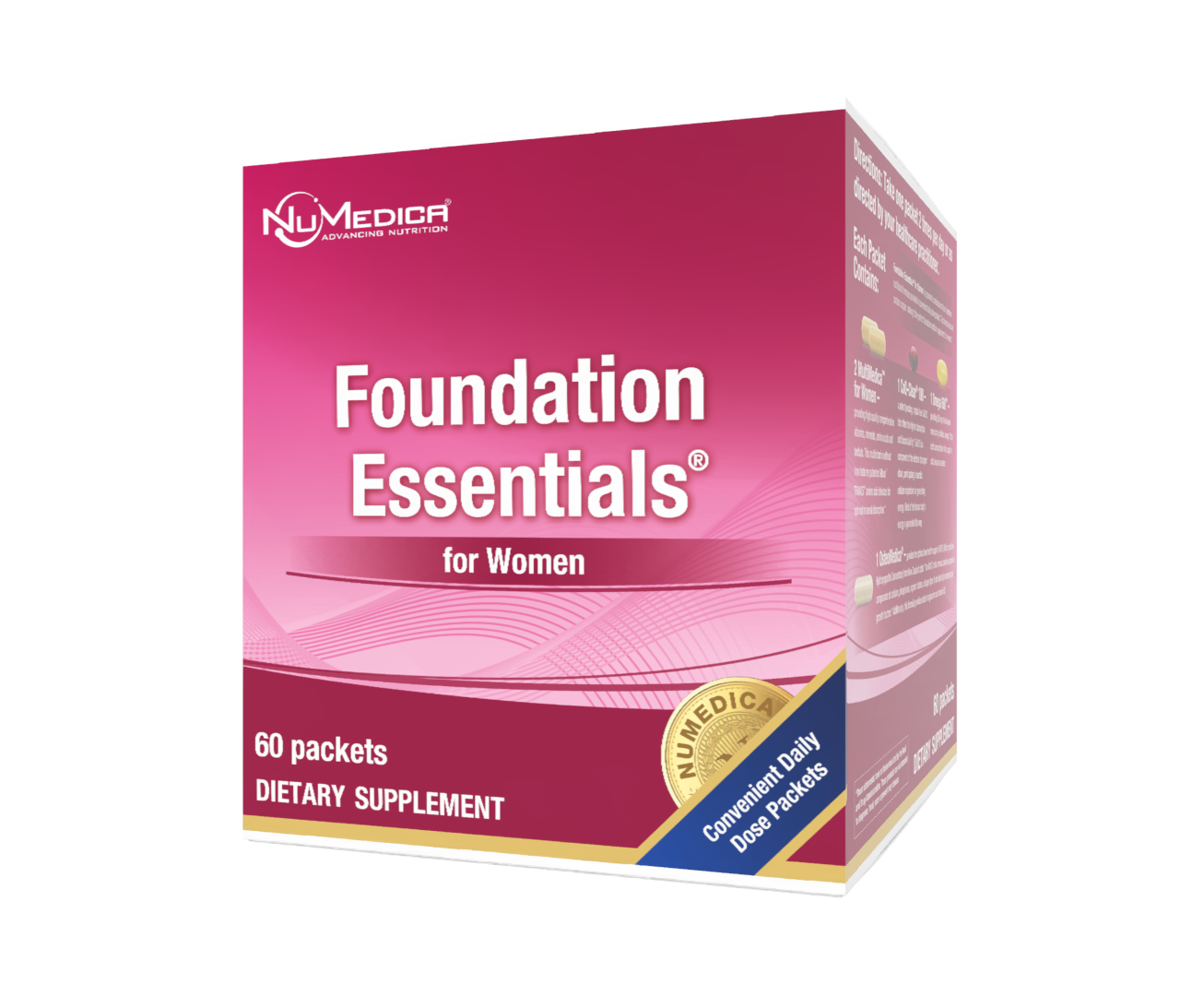
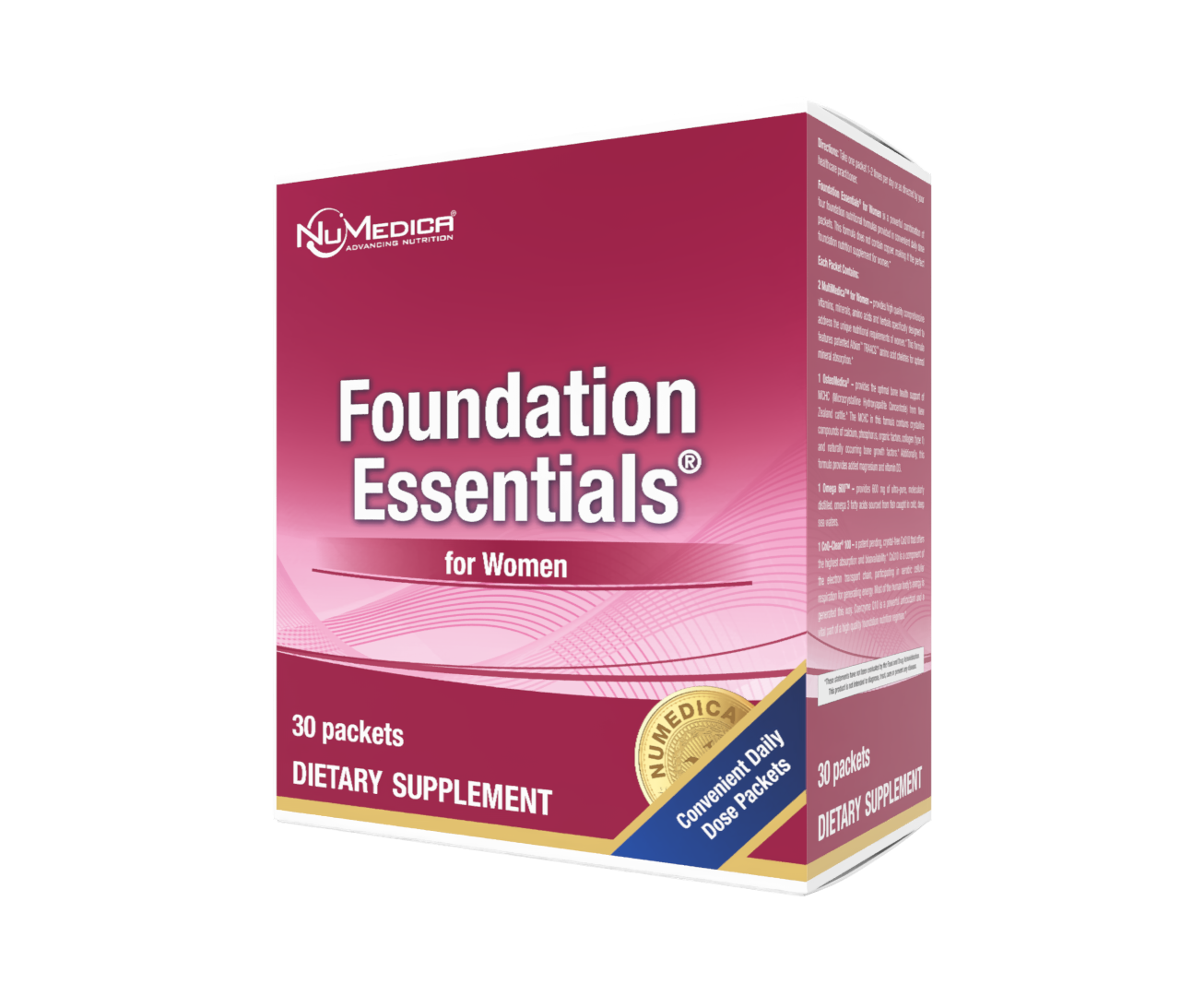
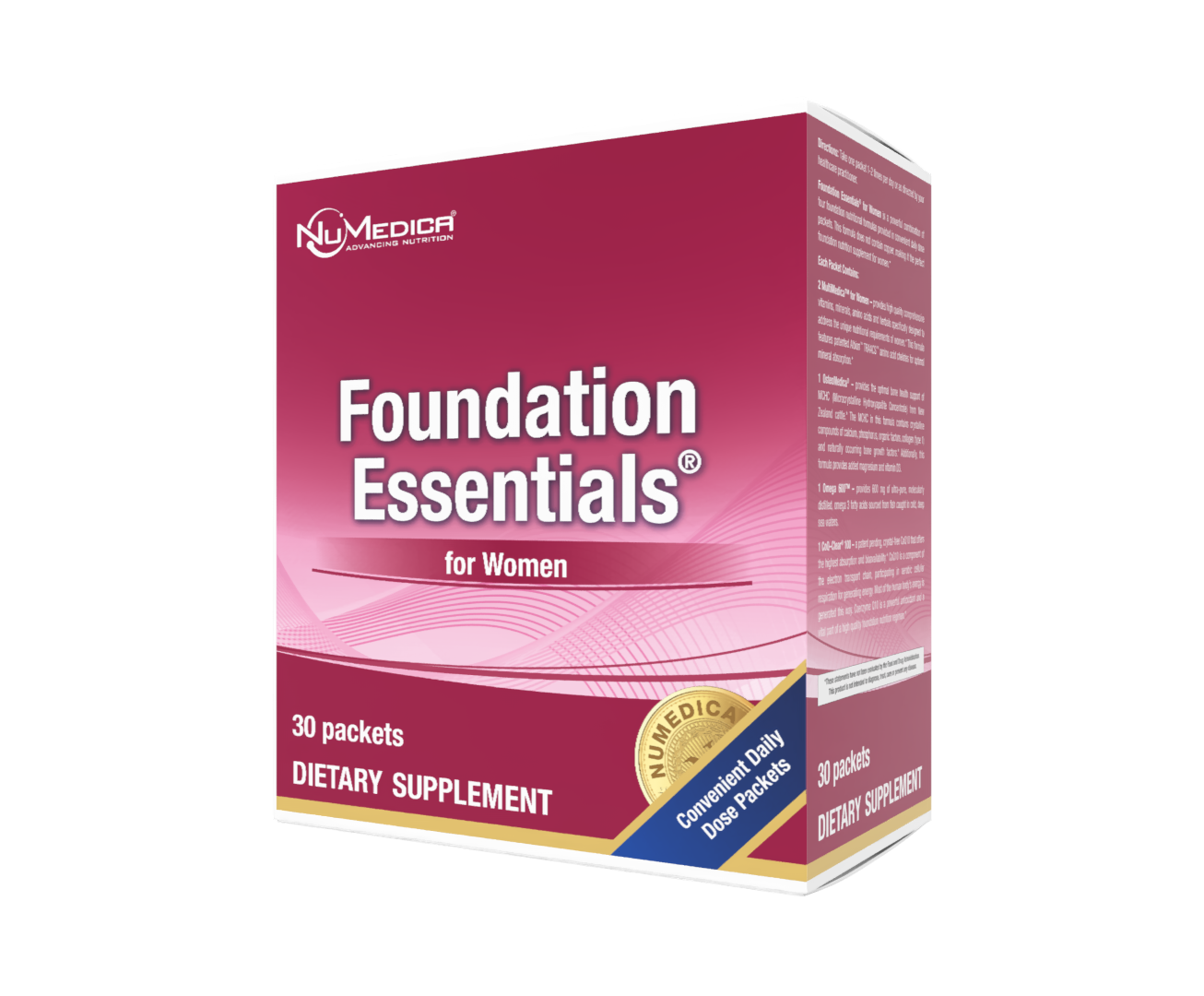
Foundation Essentials™ for Women is a powerful combination of four foundation nutritional formulas provided in convenient daily dose packets. This formula does not contain copper making it the perfect foundation nutrition supplement for women.*
This Formula Provides Support for:
● Optimal Female Wellness*
● Enhanced Bone Health With Added MCHC and Calcium*
● Cardiovascular Health*
● Detoxification Support*
● Poor Dietary Intake*
Each Packet Contains:
2 MultiMedica™ for Women provides high quality comprehensive vitamins, minerals, amino acids and herbals, specifically designed to address the unique nutritional requirements of women.* MultiMedica™ for Women features patented Albion™ TRAACS™ amino acid chelates for optimal mineral absorption.*
1 OsteoMedica® provides the optimal bone health support of MCHC (Microcrystalline Hydroxyapatite Concentrate) from New Zealand cattle.* The MCHC in OsteoMedica® contains crystalline compounds of calcium, phosphorus, organic factors, collagen (type 1) and naturally occurring bone growth factors.* Additionally, OsteoMedica® provides added magnesium and vitamin D3.
1 Omega 600™ provides 600 mg of ultra-pure, molecularly distilled, natural marine lipid concentrate sourced from fish caught in cold, deep sea waters.
1 CoQ–Clear® 100 is a patent pending, crystal-free CoQ10 that offers the highest absorption and bioavailability.* CoQ10 is a component of the electron transport chain, participating in aerobic cellular respiration for generating energy. Most of the human body’s energy is generated this way. Coenzyme Q10 is a vital part of a high quality foundation nutrition regimen.*
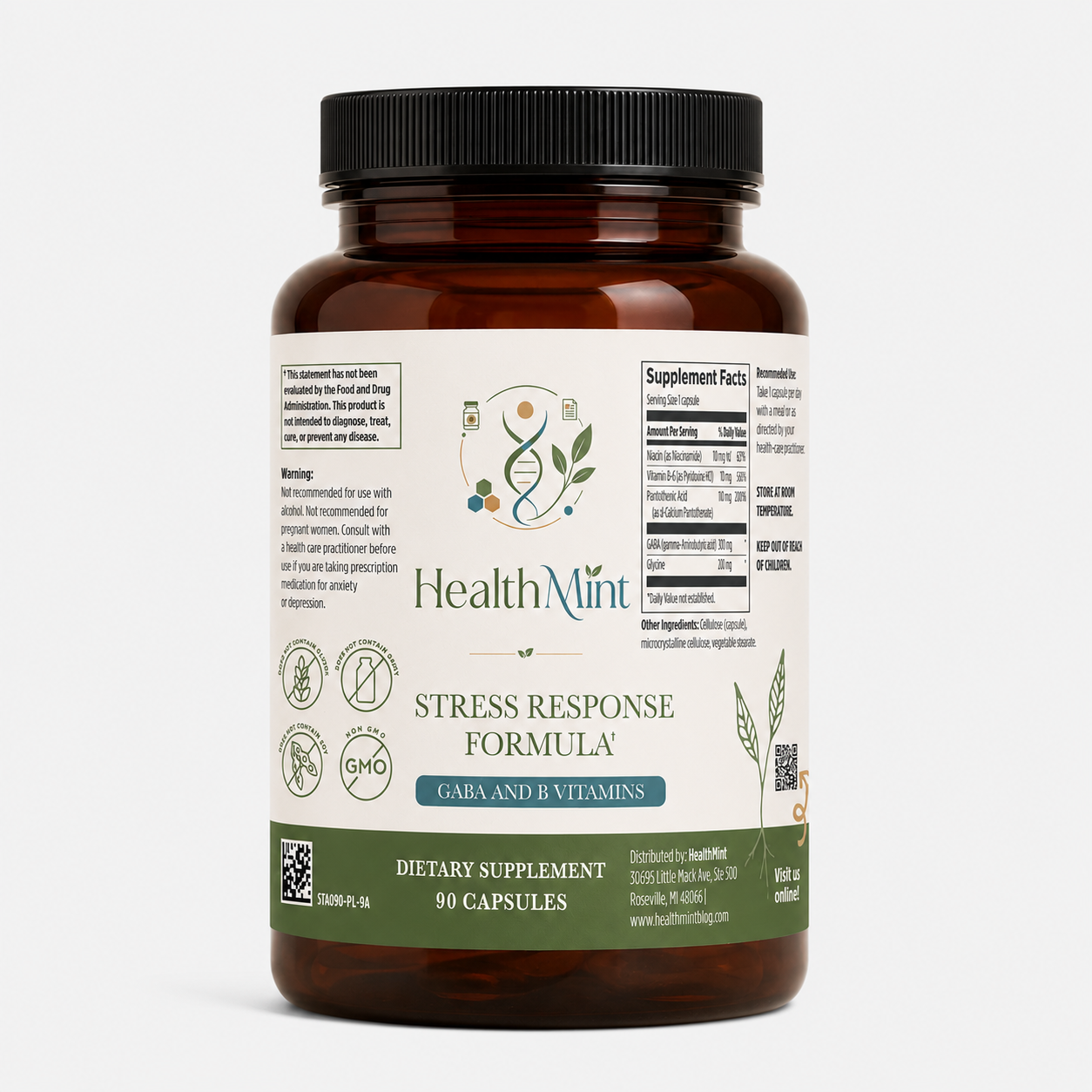
Modern life rarely slows down. Deadlines stack. Schedules tighten. The body’s stress response keeps running long after the moment has passed. Over time, that constant low-grade pressure can leave you feeling wired, drained, and disconnected from your own sense of calm.
The Stress Response Formula was built to help your body meet those demands with greater resilience.
It is a synergistic blend of GABA, glycine, and key B vitamins, thoughtfully formulated to support a healthy response to stress.* The B vitamins inside, including Niacin, Vitamin B6, and Pantothenic Acid, are essential cofactors for adrenal function, cellular energy production, and neurotransmitter synthesis, all of which can be taxed during periods of heightened stress.* GABA and glycine, two calming amino acids that act as inhibitory neurotransmitters, help support a sense of calm and relaxation when daily life feels anything but.*
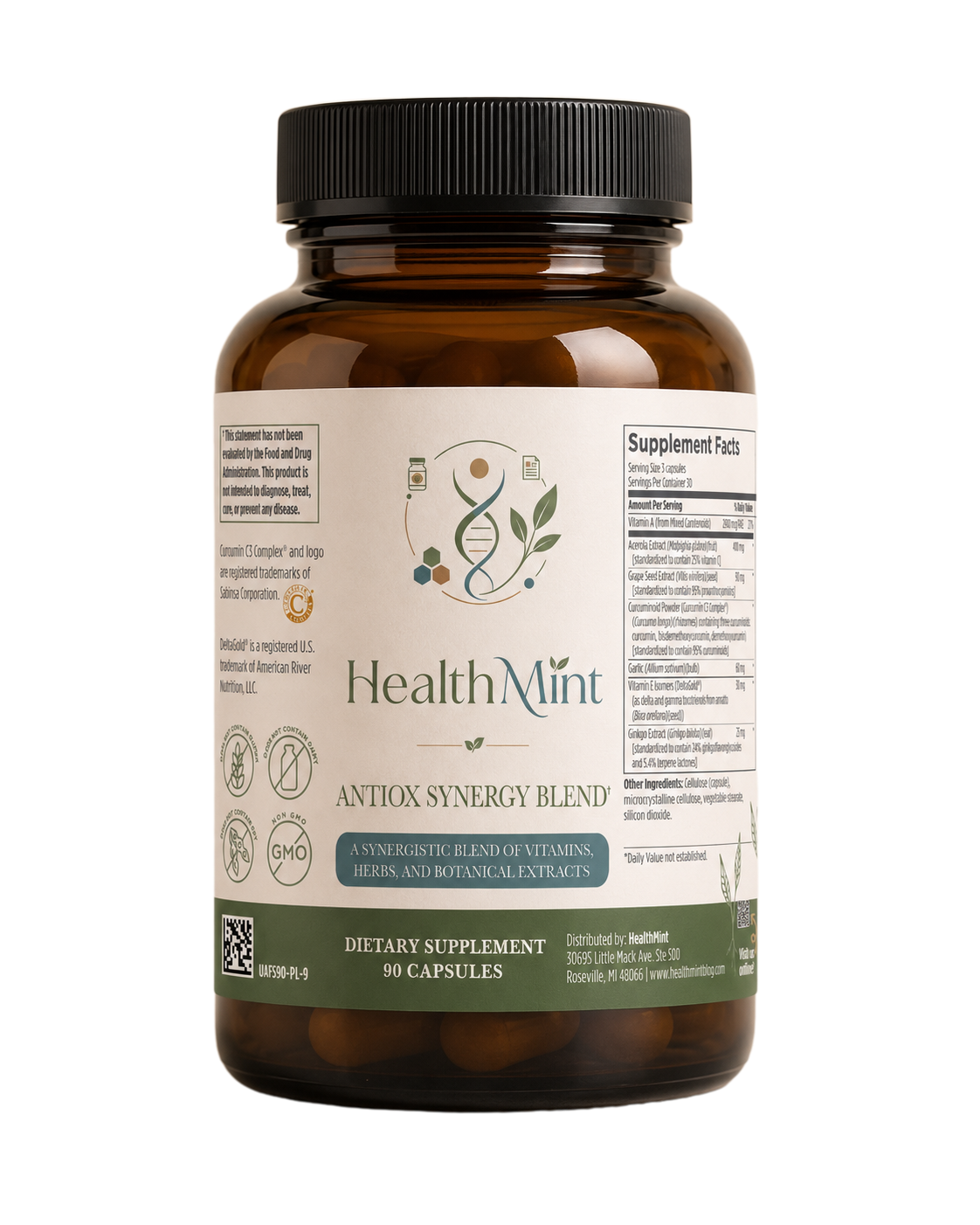
Every day, your body faces a quiet stream of free radicals. Stress, environmental exposures, sun, less-than-perfect meals, and the simple act of being alive all generate the oxidative pressure that, over time, can take a toll on how you look, feel, and function.* The good news is that your body has an entire defense system designed to handle it, and that system runs on antioxidants.
Antiox Synergy Blend was built to give that system a serious daily upgrade.
It is a comprehensive, broad-spectrum antioxidant formula that brings together more than fifteen carefully chosen vitamins, herbs, botanicals, and spices in a single supplement.* Inside every three-capsule serving is a thoughtful pairing of classic antioxidant vitamins like A, C, and E with modern polyphenol heroes like curcumin, resveratrol, quercetin, and rutin, plus a layered blend of culinary herbs and spices known for their rich antioxidant content.*
If you want a daily antioxidant strategy that goes beyond a basic multivitamin, this is where it lives.
