
Let’s Just Say the Quiet Part Out Loud
If you’ve noticed that things feel a little drier than they used to, in the bedroom, in how you feel about intimacy, and honestly just in your daily physical comfort, you are not imagining it, you are not alone, and you are absolutely not broken.
Vaginal dryness and changes in sexual desire are among the most common experiences women report during perimenopause and menopause, and yet they remain among the least talked about. People will openly discuss hot flashes at a dinner table. But the topic of desire fading or intimacy becoming uncomfortable? That tends to get filed under things we just quietly endure.
Not here. Let’s talk about it: what’s actually happening in your body, why it matters more than most people realize, and what you can genuinely do about it.
Why This Is Worth Paying Attention To
Here’s something important: vaginal dryness and changes in libido aren’t just inconveniences. Left unaddressed, they can quietly erode your quality of life, your relationship with your partner, your relationship with your own body, and even your sense of identity.
Women who experience significant genitourinary symptoms (the clinical umbrella term that includes dryness, discomfort, urinary urgency, and painful intercourse) report measurably lower quality of life scores, higher rates of anxiety and depression, and more strained intimate relationships than women who don’t. Unlike hot flashes, which tend to fade over time, vaginal and sexual changes during menopause often persist and worsen if not addressed. The good news is that they are also among the most treatable symptoms of the entire menopause transition.
There’s also a broader health dimension here. The tissues of the vagina, urethra, and pelvic floor are all estrogen-sensitive. When estrogen declines, the entire genitourinary system changes, not just how sex feels. Bladder health, urinary continence, and protection against recurrent urinary tract infections are all connected to the same hormonal shifts. Taking this seriously is an act of whole-body care.
What’s Actually Happening in Your Body
To understand the dryness, you have to understand estrogen’s role, because it’s enormous.
Estrogen is essentially the hydration and maintenance hormone for vaginal tissue. It keeps the vaginal walls thick, elastic, and well-lubricated by stimulating glycogen production, which feeds the beneficial bacteria (primarily Lactobacillus species) that maintain a healthy vaginal pH and a moist tissue environment. Estrogen also promotes blood flow to the entire pelvic region, which is critical for arousal, sensation, and natural lubrication.
During perimenopause, which can begin in the late 30s or 40s, years before the final menstrual period, estrogen levels become erratic before they decline. This hormonal fluctuation is enough to begin changing vaginal tissue. By the time a woman reaches menopause (defined as 12 consecutive months without a period), estrogen levels have dropped dramatically. After menopause, without the stimulus of estrogen, vaginal tissue gradually thins, loses elasticity, and becomes significantly drier. The vaginal pH also rises, shifting from its healthy acidic state toward a more neutral or alkaline environment, one that is less hospitable to protective bacteria and more vulnerable to irritation and infection.
This process has a formal name: the Genitourinary Syndrome of Menopause (GSM). It affects an estimated 50 to 70 percent of postmenopausal women. Unlike a passing phase, GSM is a progressive condition, meaning it tends to become more pronounced over time without intervention.
Now, about desire. The shift in libido during this life stage is real, and it’s multifactorial. Testosterone (yes, women have it and need it) also declines during perimenopause and menopause. Testosterone plays a significant role in sexual motivation, fantasy, and the experience of desire. When it drops, many women notice that the wanting just isn’t there the way it used to be.
But it’s not only hormonal. The relationship between discomfort and desire is circular. When sex has been painful or uncomfortable, even a few times, the brain begins to associate intimacy with discomfort, and desire retreats instinctively. Add fatigue, sleep disruption (also very common during this transition), increased life stress, and sometimes a shift in body image, and it’s easy to see why libido can quietly pack its bags.
Understanding that these changes have real physiological causes is, for many women, itself a relief. This isn’t a character flaw, a sign that something is wrong with your relationship, or evidence that you’ve lost yourself. It’s biology, and biology can be worked with.
Practical Steps That Actually Help
Let’s get concrete. There’s a meaningful spectrum of options here, from simple daily habits to medical interventions, and most women find the best results when they layer several approaches.
Start with vaginal moisturizers, not just lubricants. This distinction matters. A lubricant is used during sexual activity to reduce friction in the moment. A vaginal moisturizer is used regularly (typically every 2 to 3 days) to restore and maintain vaginal tissue hydration. Think of it the way you’d think of moisturizing dry skin on your face: it’s ongoing maintenance, not a spot fix. Look for products with hyaluronic acid, which has excellent water-binding properties, or natural polysaccharide gels. Avoid products containing glycerin, fragrances, or parabens, as these can disrupt the vaginal microbiome and irritate already-sensitive tissue.
Talk to your healthcare provider about local estrogen. Local vaginal estrogen, available as creams, rings, or suppositories, is one of the most effective, well-studied treatments for GSM. Because it’s applied directly to vaginal tissue and very little is absorbed systemically, it’s considered safe for most women, including many who cannot use systemic hormone therapy. It works by restoring the tissue itself: rebuilding thickness, improving elasticity, rebalancing pH, and supporting natural lubrication. Many women who try it describe it as transformative. If your provider hasn’t brought it up, it’s worth asking about explicitly.
Consider systemic hormone therapy if it’s appropriate for you. For women navigating the full constellation of menopausal symptoms, including hot flashes, sleep disruption, mood changes, cognitive fog, and genitourinary symptoms, systemic hormone therapy (estrogen alone or combined with progesterone, depending on whether you have a uterus) addresses the underlying hormonal deficit at the root of most symptoms. The conversation about HRT has evolved considerably in recent years. The risks and benefits are highly individual, and current evidence suggests it’s a reasonable option for many healthy women under 60 who are within 10 years of menopause onset. This is a conversation worth having with a knowledgeable clinician who takes a nuanced view.
Prioritize the pelvic floor. This is dramatically underutilized advice. A woman’s health physiotherapist who specializes in pelvic floor rehabilitation can be genuinely life-changing during this transition. Pelvic floor muscles support the bladder, bowel, and sexual function, and they respond very well to targeted work. Regular sexual activity (including solo) also helps maintain vaginal tissue health by promoting blood flow and natural secretions. The old saying “use it or lose it” has genuine physiological backing here.
Lifestyle Habits That Support Your Hormonal Ecosystem
While hormonal changes are the primary drivers of GSM and shifts in desire, the way you live either amplifies or cushions those changes. These aren’t magic bullets, but they move the needle consistently and cumulatively.
Eat to support estrogen metabolism. A diet rich in phytoestrogens, plant compounds that have mild estrogen-like activity in the body, can offer modest support during the transition. Fermented soy products (miso, tempeh, natto), ground flaxseed, and legumes are among the richest sources. These are not replacements for estrogen, but they contribute to a less depleted hormonal environment. Equally important is supporting the gut, which plays a significant role in how your body processes and recycles estrogen. A fiber-rich, diverse whole-food diet feeds the gut bacteria responsible for healthy estrogen circulation.
Reduce dietary and lifestyle estrogen disruptors. Xenoestrogens, synthetic estrogen-mimicking compounds found in plastics, pesticides, and many personal care products, can interfere with hormonal balance. Choosing BPA-free containers, filtering tap water, selecting organic produce when possible, and being more selective about skincare and cleaning products are practical steps that reduce your overall burden.
Move your body, especially with resistance training. Exercise is one of the most powerful tools available during this transition, not just for cardiovascular health, but for hormonal balance, mood, sleep, and libido. Resistance training specifically helps maintain muscle mass, which declines with estrogen loss. It also supports bone density (another estrogen-dependent system), improves body composition, and has a positive impact on testosterone levels, which, as we’ve discussed, matters for desire.
Protect your sleep. Sleep disruption is both a symptom and a driver of menopausal misery. When sleep suffers, so do hormones, libido, mood, and resilience. Prioritizing consistent sleep hygiene, aggressively addressing night sweats, and discussing options with your provider if sleep is significantly impaired all create an upstream benefit that touches almost everything else.
Reduce chronic stress. The adrenal glands become a secondary source of sex hormones after menopause, meaning stress, which taxes adrenal function, has a more direct impact on hormonal balance post-menopause than it did earlier in life. Practices that genuinely reduce your stress load, not just take the edge off, support hormonal health in a meaningful way.
Nutritional and Supplement Support Worth Knowing About
Alongside food, sleep, and movement, targeted nutritional support can fill real gaps during this transition. Several categories of supplements have meaningful evidence behind them for perimenopause and menopause-related changes.
Omega-3 fatty acids support vaginal tissue health, reduce systemic inflammation, and have a measurable positive effect on mood, all of which are relevant during this transition. Adequate intake from food alone is difficult for most women.
Vitamin D and K2 together are essential for bone and cardiovascular health during estrogen decline, but vitamin D also plays a supporting role in immune and hormonal function. Most women are deficient without knowing it.
Magnesium is involved in over 300 enzymatic processes, including those related to sleep quality, stress response, and hormonal balance. It is one of the most widely depleted nutrients in modern diets, and depletion worsens during periods of chronic stress.
Botanicals with adaptogenic or phytoestrogenic properties, including black cohosh, ashwagandha, maca root, and red clover, have been studied for their potential to relieve menopausal symptoms, particularly hot flashes, as well as mood, energy, and sexual function. The evidence varies in strength, and these are best used as part of a broader protocol under the guidance of a knowledgeable practitioner.
B vitamins, particularly B6 and B12, support neurological health, energy production, and the synthesis of neurotransmitters that influence mood and desire.
Probiotics targeting vaginal microbiome health, particularly Lactobacillus rhamnosus and Lactobacillus reuteri strains, can help rebalance vaginal pH and support protective bacteria during this transition, working alongside the tissue-level changes driven by low estrogen.
High-quality, professionally formulated supplements make a real difference here. The supplement industry is poorly regulated, and the gap between a well-sourced, bioavailable product and a drugstore shelf version can be significant. Working with a practitioner who can guide you toward clinical-grade options ensures you’re actually getting what you’re paying for.
The Bottom Line
Perimenopause and menopause are not the beginning of the end of your vitality, your sexuality, or your comfort in your own body. But they do require attention: proactive, informed, and compassionate attention.
Dryness is not something you simply have to endure. Changes in desire are not permanent or inevitable. The mechanisms behind these changes are well understood, and the solutions, spanning lifestyle, topical support, nutritional optimization, and medical intervention when appropriate, are genuinely effective.
The most important step is the one that most women delay: starting the conversation. With your partner, with your healthcare provider, and with yourself. Your body is giving you clear signals right now. The question isn’t whether to listen; it’s how to respond well.
You deserve to feel comfortable, connected, and like yourself at every age.
References
Portman DJ, Gass ML; Vulvovaginal Atrophy Terminology Consensus Conference Panel. Genitourinary syndrome of menopause: new terminology for vulvovaginal atrophy from the International Society for the Study of Women’s Sexual Health and the Menopause Society. Menopause. 2014;21(10):1063–1068.
Nappi RE, Kokot-Kierepa M. Vaginal Health: Insights, Views and Attitudes (VIVA): results from an international survey. Climacteric. 2012;15(1):36–44.
Shifren JL, Gass ML; NAMS Recommendations for Clinical Care of Midlife Women Working Group. The North American Menopause Society recommendations for clinical care of midlife women. Menopause. 2014;21(10):1038–1062.
Labrie F, et al. Intravaginal dehydroepiandrosterone (Prasterone) is a highly efficient treatment for dyspareunia. Climacteric. 2011;14(2):282–288.
Sturdee DW, Panay N; International Menopause Society Writing Group. Recommendations for the management of postmenopausal vaginal atrophy. Climacteric. 2010;13(6):509–522.
Davis SR, et al. Understanding weight gain at menopause. Climacteric. 2012;15(5):419–429.
Chedraui P, et al. Sexuality and menopause. In: Menopause. Cham: Springer; 2019.
Kagan R, et al. Practical treatment considerations in the management of genitourinary syndrome of menopause. Drugs Aging. 2019;36(10):897–908.
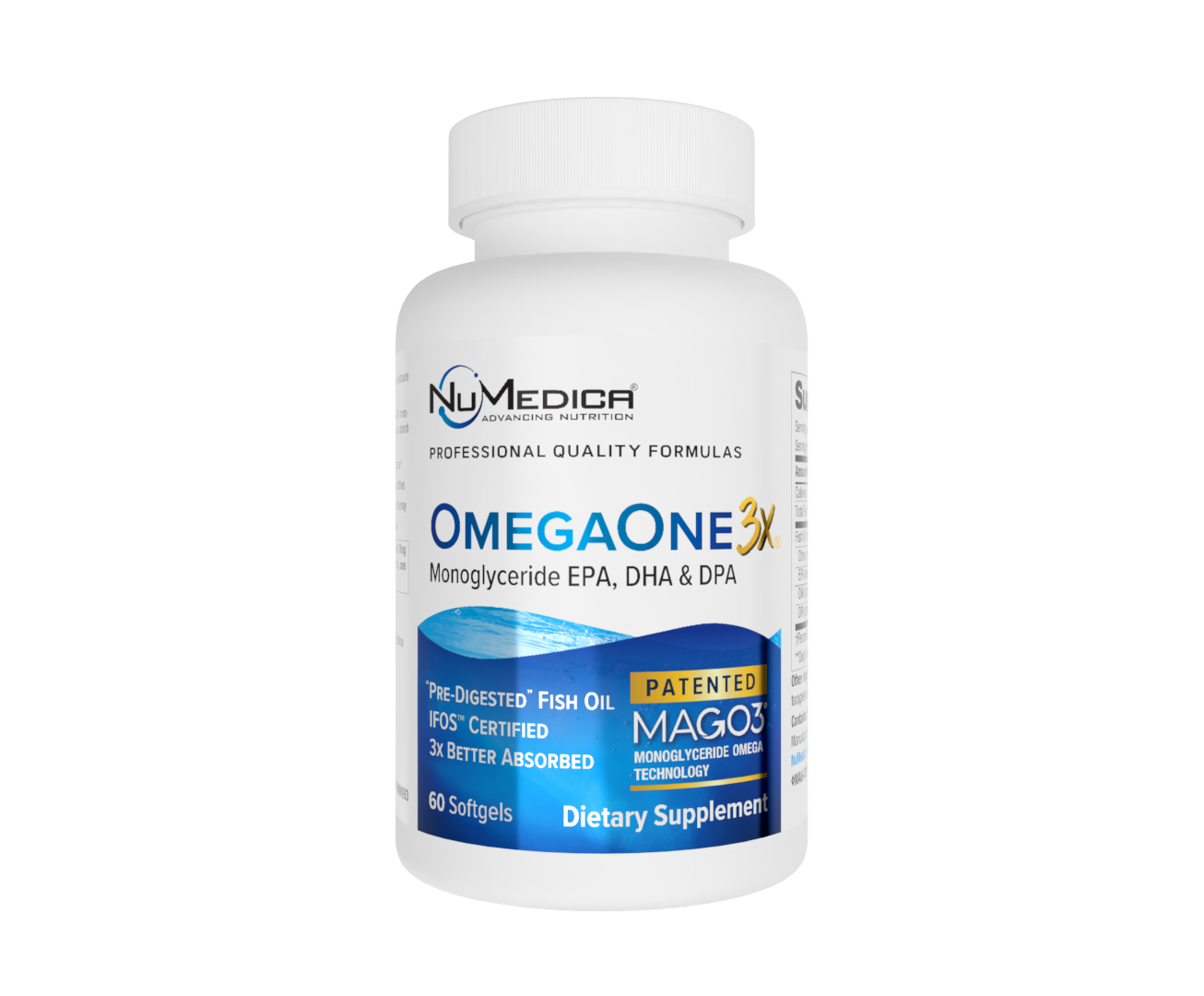
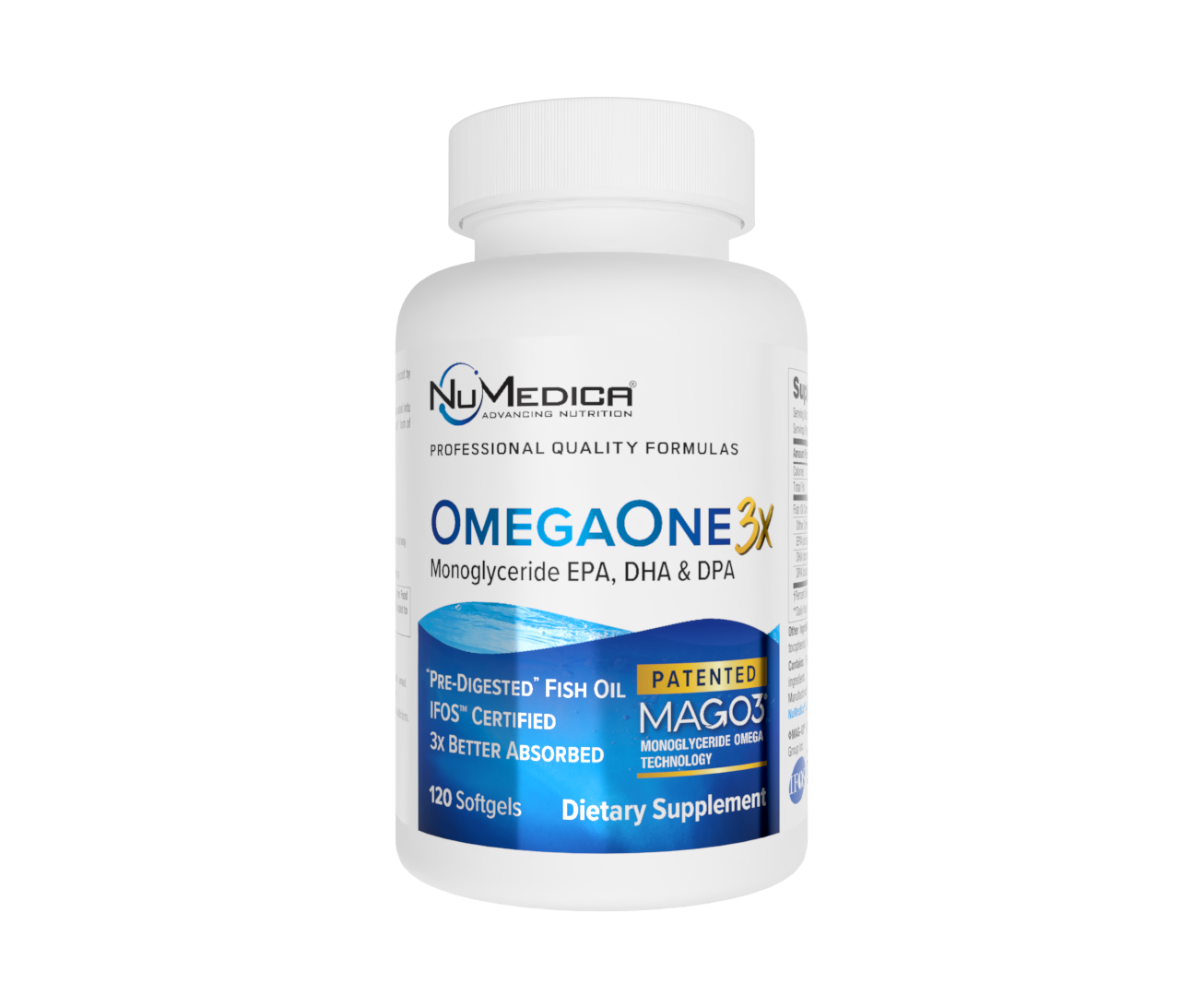
Omega-3 fatty acids are some of the most important nutrients you can add to your daily routine. They are foundational building blocks the body uses for cellular health, and most modern diets simply do not provide enough of them. The challenge with traditional fish oil supplements is that your body has to enzymatically break them down before it can absorb them, and that process is naturally less efficient as you age, when fat absorption slows, or simply when you do not take them with enough dietary fat.
OmegaOne 3x™ was built to solve that.
It delivers EPA, DHA, and DPA omega-3s in their most readily absorbable form: monoglycerides.* Using a patented enzymatic process called MAG-O3®, the oil is “pre-digested” before it ever reaches your bottle, creating a form of fish oil your body can absorb directly, without the additional digestive steps required by traditional fish oils. The result is up to three times better absorption of EPA and DHA compared to common ethyl ester (EE) fish oil forms.*
If you want a smarter, faster-absorbing approach to your daily omega-3, this is where it begins.
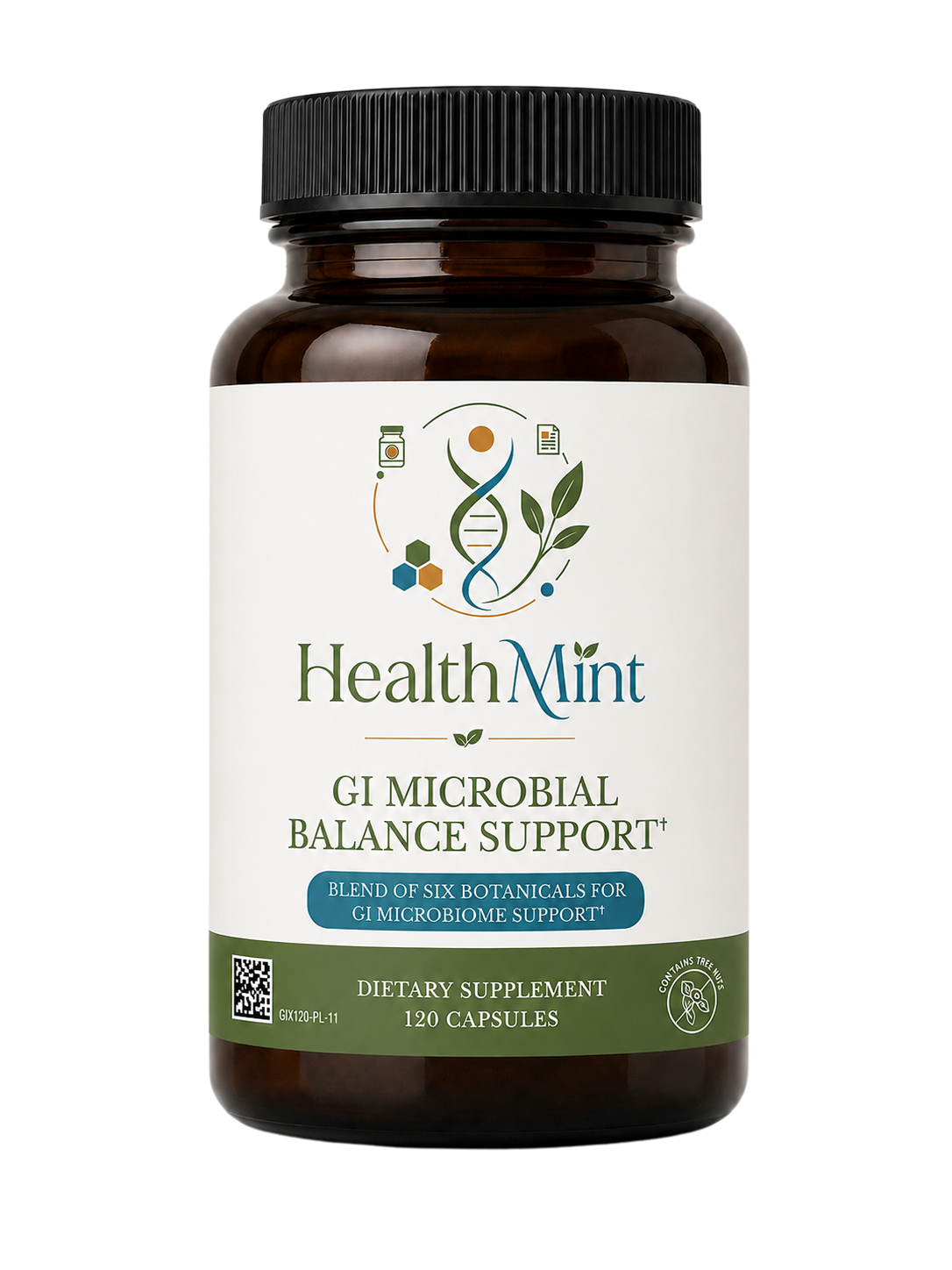
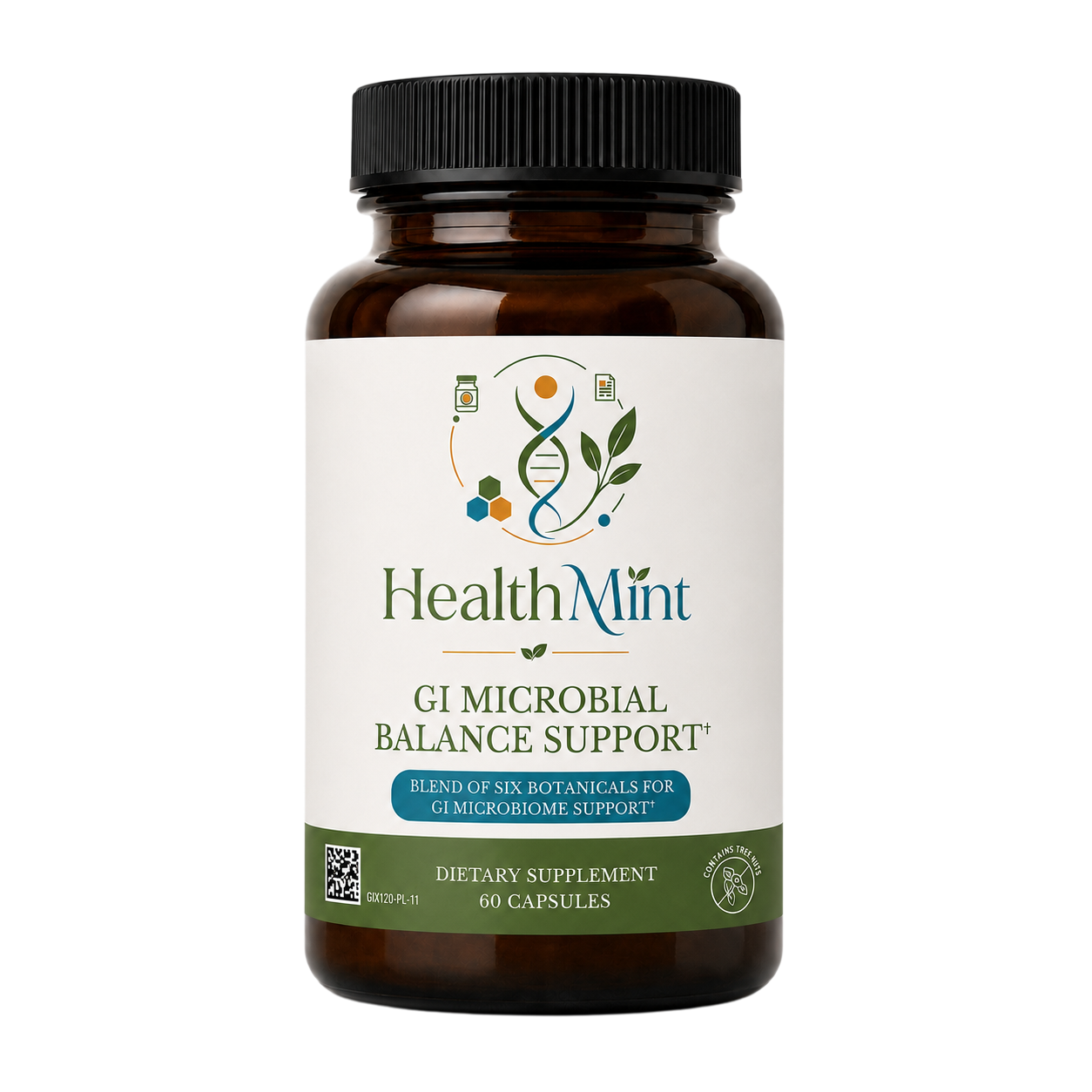
GI Microbial Balance Support is a thoughtfully crafted blend of botanical extracts drawn from traditions of herbal practice spanning centuries and cultures.* It brings together ingredients with long histories of traditional use in supporting gastrointestinal health, in a single once-daily capsule meant to be part of a comprehensive wellness routine.
Each capsule is designed to provide botanical support for a healthy gut environment and microbial balance, in a clean, considered formula made with non-GMO ingredients.*
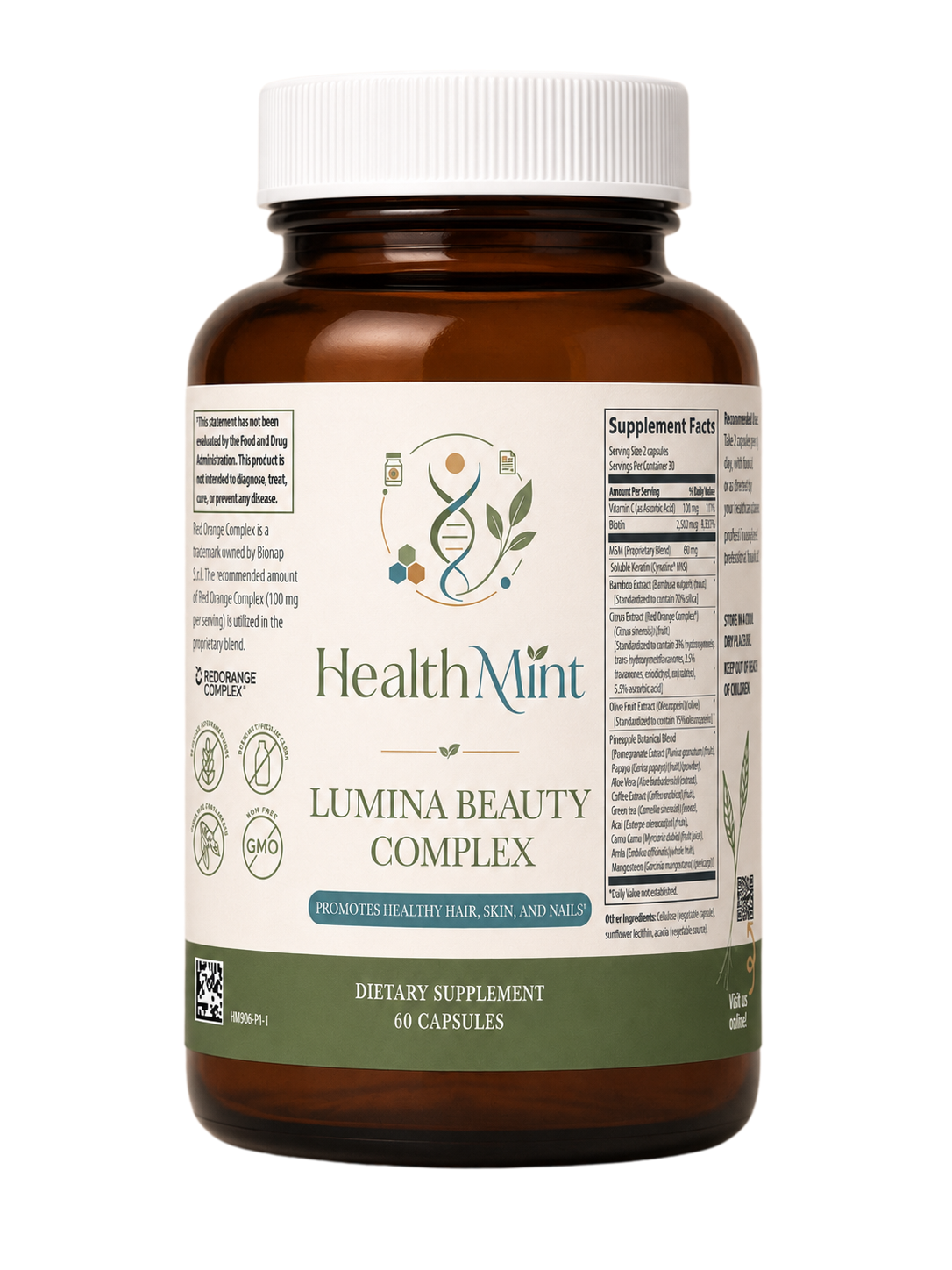
Your skin, hair, and nails are some of the most visible reflections of how you feel inside. They are also some of the first places to show the everyday wear of life: sun exposure, pollution, stress, less-than-perfect meals, and the simple passage of time. As we age, our bodies naturally produce less collagen, hold less moisture, and turn over cells more slowly, which is why the building blocks that support healthy hair, skin, and nails become more important, not less.
Lumina Beauty Complex was built to be that daily foundation.
It is a thoughtfully formulated, multi-ingredient blend designed to promote radiance from within.* Inside every two-capsule serving you’ll find solubilized keratin, vitamin C, biotin, bamboo-sourced silicon, Red Orange Complex® citrus extract, olive fruit extract, and Dermaval®, a proprietary blend of phytochemical-rich fruits and botanicals.* Together they provide the vitamins, minerals, keratin, and plant compounds your body uses every day to support healthy hair, skin, and nails.*
If you want a single, well-rounded daily formula to support your natural radiance, this is where it begins.
