
Your Body Just Did Something Extraordinary. Give It the Respect It Deserves.
You grew a human. You delivered a human. And now, somewhere between the diaper changes and the sleep deprivation, someone, maybe your partner, maybe your own curious mind, is wondering: when does intimacy come back into the picture?
The honest answer? It’s complicated. And it’s deeply personal. But understanding the biology behind postpartum recovery can take a lot of the pressure, confusion, and even guilt off the table, so let’s have that conversation.
Why This Topic Matters More Than Most People Realize
Postpartum sexual health is one of the most under-discussed aspects of new parenthood. It sits at the intersection of physical recovery, hormonal upheaval, emotional adjustment, and relationship dynamics, and yet most people leave the hospital with little more than a “wait six weeks” instruction and a pamphlet.
That six-week timeline? It’s a starting point, not a finish line. Research consistently shows that many women, up to 83% in some studies, experience some form of sexual difficulty in the first year postpartum, including pain during intercourse, reduced desire, and vaginal dryness. These aren’t signs that something is wrong with you. There are signs that your body is doing exactly what it’s supposed to do after one of the most physically demanding experiences a human body can go through.
What’s Actually Happening Inside Your Body
To understand the “when,” you have to understand the “why.” Here’s what’s going on under the hood.
Your uterus is healing. After delivery, the uterus undergoes a process called involution, which is essentially shrinking back to its pre-pregnancy size. This takes roughly 4 to 6 weeks and is accompanied by lochia (postpartum bleeding), which signals that the internal tissues are still actively healing.
Your hormones have completely shifted. Estrogen and progesterone drop dramatically after birth, representing one of the steepest hormonal declines the human body ever experiences. If you’re breastfeeding, prolactin (the milk-making hormone) stays elevated, which suppresses estrogen even further. Low estrogen is directly responsible for vaginal dryness, thinning of vaginal tissue, and reduced libido. This isn’t psychological; it’s physiological, and it can persist for the entire duration of breastfeeding.
Your pelvic floor has been through a lot. Whether you delivered vaginally or via C-section, the pelvic floor muscles, which support the bladder, uterus, and rectum, have been under months of strain. Vaginal delivery can cause microtears, episiotomy wounds, or perineal trauma that require careful healing. Even C-section recovery involves significant abdominal tissue repair that affects core and pelvic stability.
Your nervous system is in survival mode. The postpartum period activates heightened stress-response systems. Cortisol (your primary stress hormone) can remain elevated for months, especially with sleep deprivation. High cortisol directly suppresses sex hormones and dampens desire, which makes complete biological sense when your brain is prioritizing infant survival above all else.
The Realistic Timeline Nobody Gives You
The “six-week clearance” exists because most external wounds, like episiotomy stitches or C-section incisions, have undergone initial closure by that point. But tissue repair, nerve regeneration, and hormonal normalization operate on a very different clock.
Weeks 0 to 6 are full healing mode. The uterus is contracting, lochia is present, and wounds are closing. Penetrative sex is not recommended during this window, regardless of how you feel, because the risk of infection and disrupting healing tissue is real.
Weeks 6 to 12 are the “cleared but not necessarily ready” zone. Many women receive medical clearance at their six-week appointment, but physical readiness varies enormously. If you had perineal tearing or an episiotomy, tenderness can persist well beyond six weeks. Vaginal atrophy from low estrogen is common and can make sex painful regardless of healing status.
Months 3 to 6 are when many women start to feel more familiar in their bodies again, but breastfeeding mothers often continue to experience dryness and low libido throughout this window. This is normal, not permanent.
Months 6 to 12 are when hormonal recovery accelerates once breastfeeding frequency decreases or stops. Many women report a meaningful return of desire and comfort around the 9- to 12-month mark.
If pain persists beyond twelve months, it is worth discussing with a pelvic floor physiotherapist or your healthcare provider. Conditions like vaginismus (involuntary muscle tension), pelvic floor dysfunction, or postpartum depression can be contributing factors that respond well to targeted support.
Practical Things That Actually Help
Knowledge is step one. Here’s what you can actually do.
Take the “six weeks” as a minimum, not a mandate. There is no prize for resuming sex early. Return when you feel physically and emotionally ready, and communicate that clearly with your partner.
Use a high-quality lubricant every time. Postpartum vaginal dryness is not a preference issue; it’s a tissue issue. Water-based or silicone-based lubricants should be a non-negotiable part of postpartum intimacy, not an afterthought. Skipping lubrication when estrogen is low can cause microabrasions that make future intimacy more painful, not less.
Start with non-penetrative intimacy. Rebuilding physical connection through touch, massage, and closeness, without pressure or expectation, can reduce anxiety and help your nervous system associate intimacy with safety rather than anticipation of pain.
Tell your partner what you need. This sounds obvious, but postpartum sexual communication often breaks down under exhaustion and assumption. Your partner cannot read your body, and it's different now. Narrating your experience, such as saying “this feels uncomfortable,” “I need us to slow down,” or “I’m not there yet,” is not rejection; it’s information.
See a pelvic floor physiotherapist. This should honestly be a standard part of postpartum care rather than an add-on. Pelvic floor physiotherapy can assess healing, address scar tissue adhesions, treat vaginismus, and provide exercises to restore tone and sensation. It is one of the highest-value investments you can make in your postpartum recovery.
Lifestyle Strategies That Support Recovery
Your daily habits have a measurable effect on how quickly and comfortably you recover.
Sleep whenever you can get it. Sleep deprivation elevates cortisol and suppresses estrogen and testosterone, which is a direct hit to libido and tissue repair. Prioritize sleep consolidation over housework whenever possible.
Omega-3 fatty acids support tissue repair, reduce inflammation, and play a role in mood regulation, all of which are relevant in the postpartum period. Fatty fish, walnuts, chia seeds, and flaxseed are excellent sources.
Zinc and vitamin C are both critical for collagen synthesis and wound healing. Oysters, pumpkin seeds, citrus, and bell peppers are rich sources worth including regularly.
Hydration matters more than most people think. Breastfeeding significantly increases daily fluid needs, and dehydration can worsen vaginal dryness and reduce tissue elasticity.
Gentle movement supports recovery in meaningful ways. Walking and gentle yoga in the early weeks support circulation, lymphatic drainage, and nervous system regulation. Kegel exercises, if cleared by your provider, can begin retraining pelvic floor tone, but should be approached gradually and ideally guided by a physiotherapist rather than done mindlessly.
Stress management is sexual health management. Cortisol and estrogen are in direct competition. Practices like diaphragmatic breathing, short meditative breaks, or even a daily ten-minute walk outside have measurable effects on stress hormone levels.
Nutritional Support Worth Knowing About
Beyond diet, targeted supplementation can support key physiological processes in the postpartum body, including hormone rebalancing, tissue repair, inflammation management, and adrenal recovery. Key nutrient categories to discuss with your healthcare provider include:
Magnesium plays a role in muscle relaxation (including pelvic floor), sleep quality, and stress response regulation, three areas that are commonly depleted in new mothers.
B vitamins, particularly B6 and B12, support neurological function, mood stability, and energy metabolism. Postpartum mood changes and fatigue are often compounded by B vitamin depletion.
Collagen peptides or vitamin C with bioflavonoids support connective tissue repair, which is relevant for both perineal tissue healing and C-section scar recovery.
Adaptogenic botanicals such as ashwagandha or rhodiola, when used under a practitioner's guidance, can support adrenal function and cortisol regulation during the extended postpartum period, thereby supporting hormonal recovery.
Probiotics support the vaginal microbiome, which shifts significantly during and after pregnancy and can influence comfort and vulnerability to infection.
These nutrients are available through high-quality professional supplement lines and are worth exploring with your naturopath or integrative health provider to find formulations that suit your specific recovery needs.
The Bottom Line
Postpartum sexual recovery is not a six-week countdown. It’s a layered, hormonal, physical, and emotional process that deserves patience, honest conversation, and real support.
Your body is not broken. It is not permanently changed for the worse. It is healing from something remarkable, and that healing has its own timeline.
The goal isn’t to bounce back. The goal is to move forward, more informed, more communicative, and with a realistic understanding of what your body needs. That is where genuine recovery lives.
Key Takeaways
The six-week clearance is a minimum benchmark, not a signal of full readiness. Low estrogen, especially during breastfeeding, causes vaginal dryness and reduced libido. This is physiological, not psychological. Pelvic floor physiotherapy is among the most evidence-supported postpartum interventions and remains significantly underutilized. Lubricant is not optional during postpartum intimacy; it is tissue protection. Nutrition, sleep, hydration, and stress management all directly affect hormonal recovery and sexual health. Pain persisting beyond twelve months warrants evaluation for pelvic floor dysfunction or other treatable conditions.
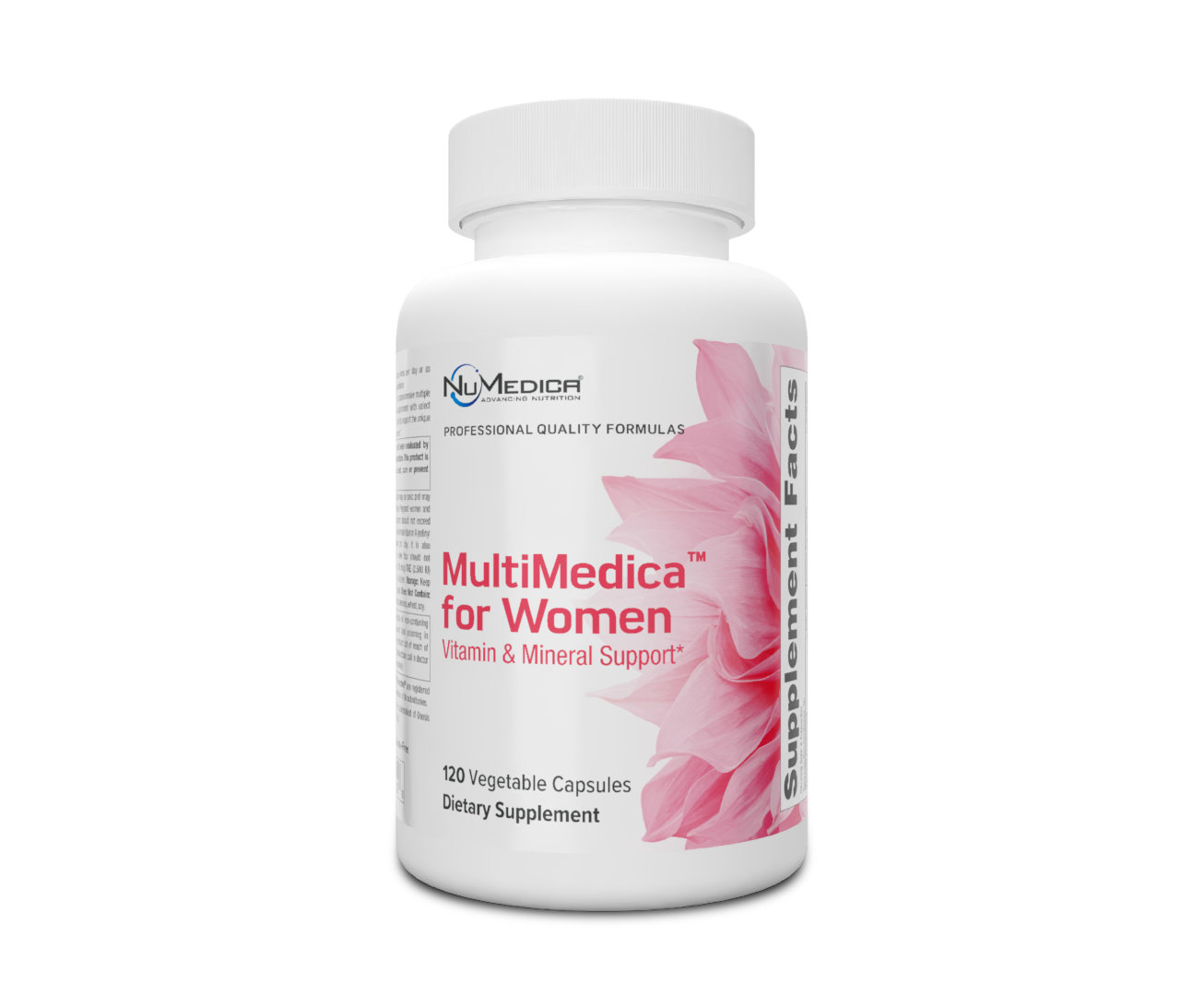
MultiMedica™ for Women is a comprehensive multiple vitamin, mineral, and herbal supplement, with select amino acids, designed specifically to support the unique nutritional requirements of women.
This foundation multiple formula, in easy-to-swallow vegetable capsules, delivers select nutrients to support the bones, thyroid, and adrenals along with broad spectrum antioxidant support.* It also features patented Albion® TRAACS® amino acid chelates for optimal mineral absorption.*
Key Benefits:
● Support for Healthy Bones*
● Support for Healthy Thyroid*
● Supports Healthy Hormone Balance*
● Antioxidant Support*
● Nutrients to Support a Stressful Lifestyle*
● Copper Free
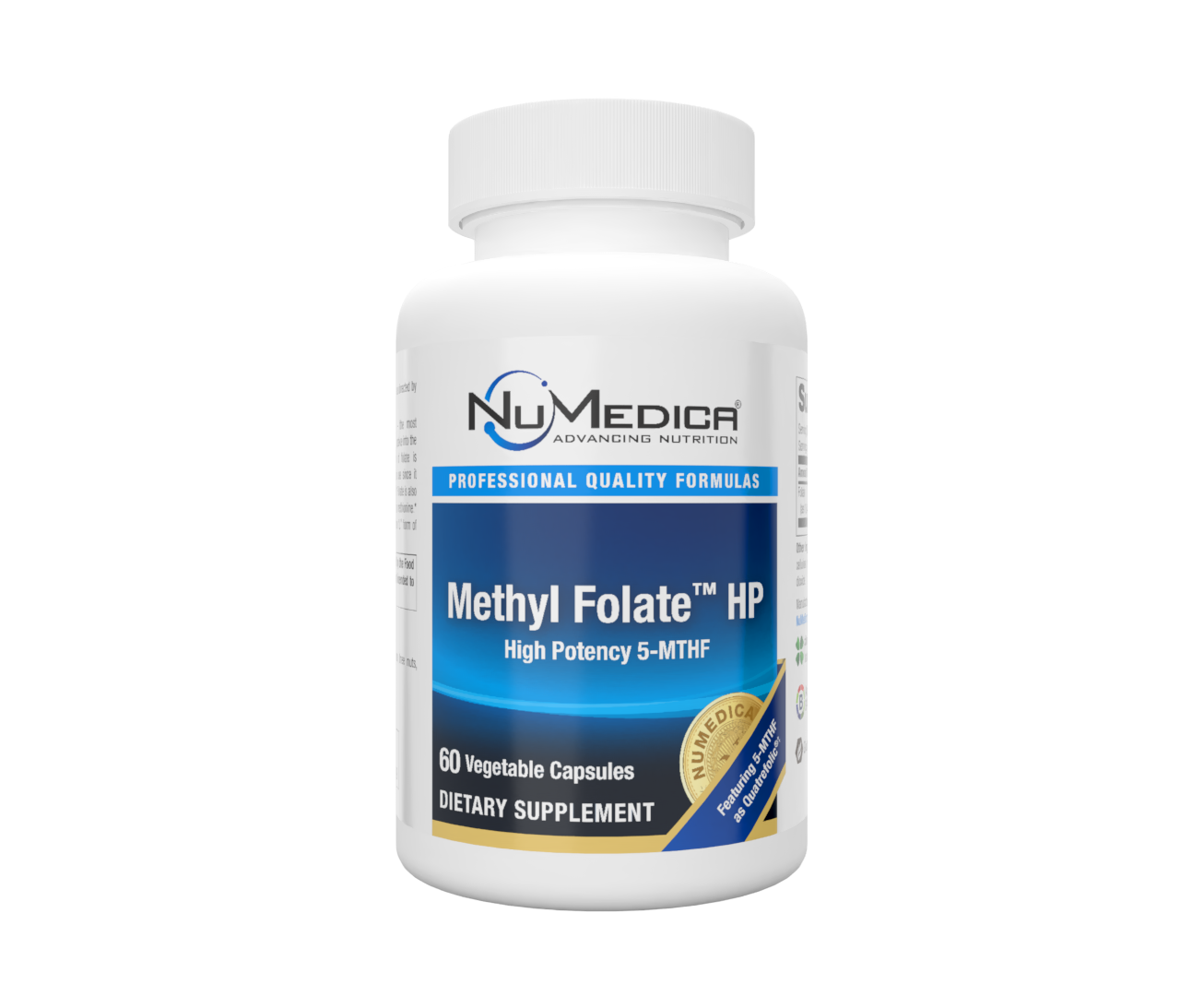
Methyl Folate™ HP contains Quatrefolic® – the most biologically active form of folate – allowing rapid uptake into the bloodstream.* This superior, methylated form of folate is metabolically active and ready for the body to use since it requires no additional conversion to be absorbed.* Folate is also necessary for the conversion of homocysteine to methionine.* The 5-MTHF in this formula is also known as the “L” form of 5-MTHF since it is the reduced form of folate.
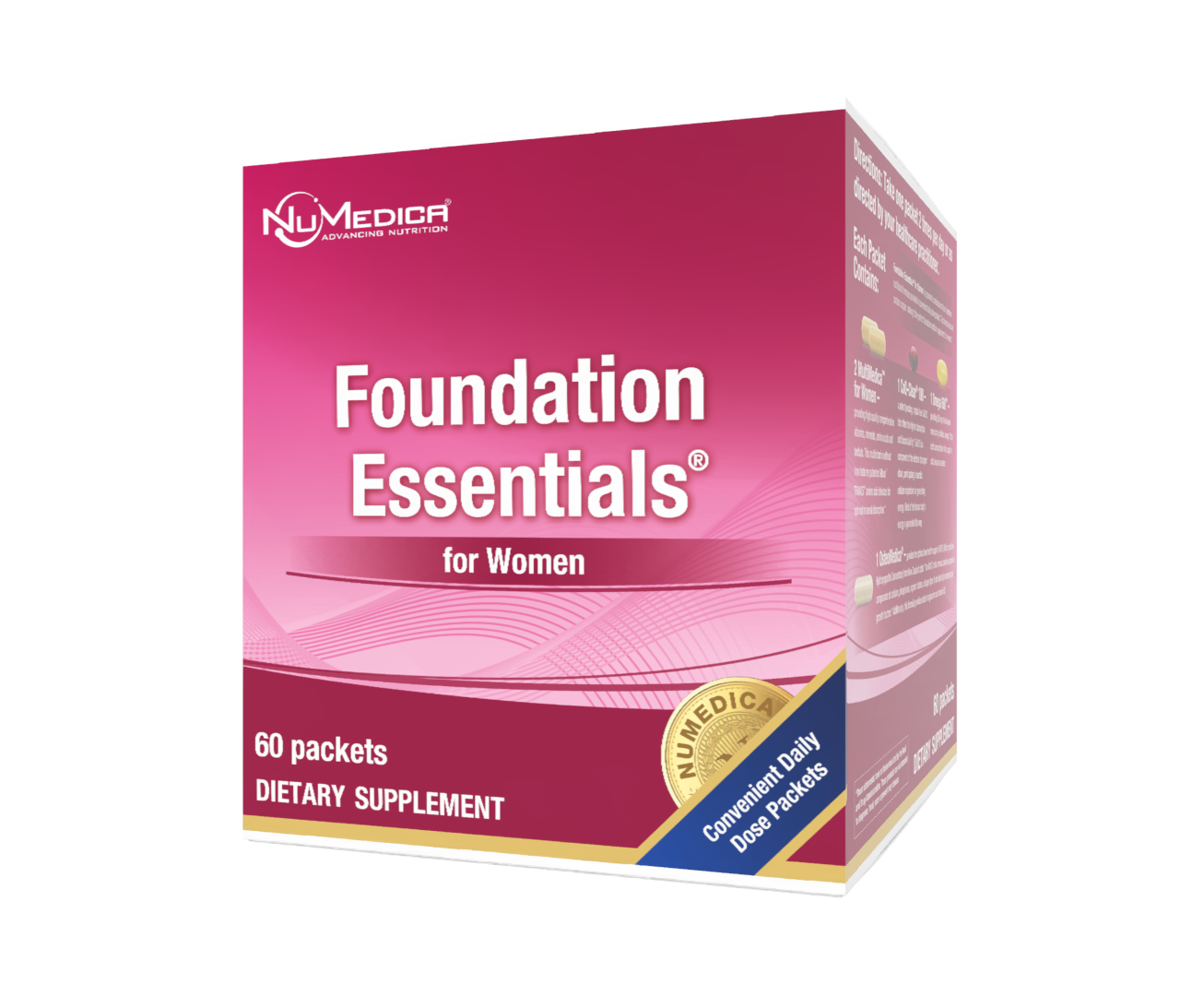
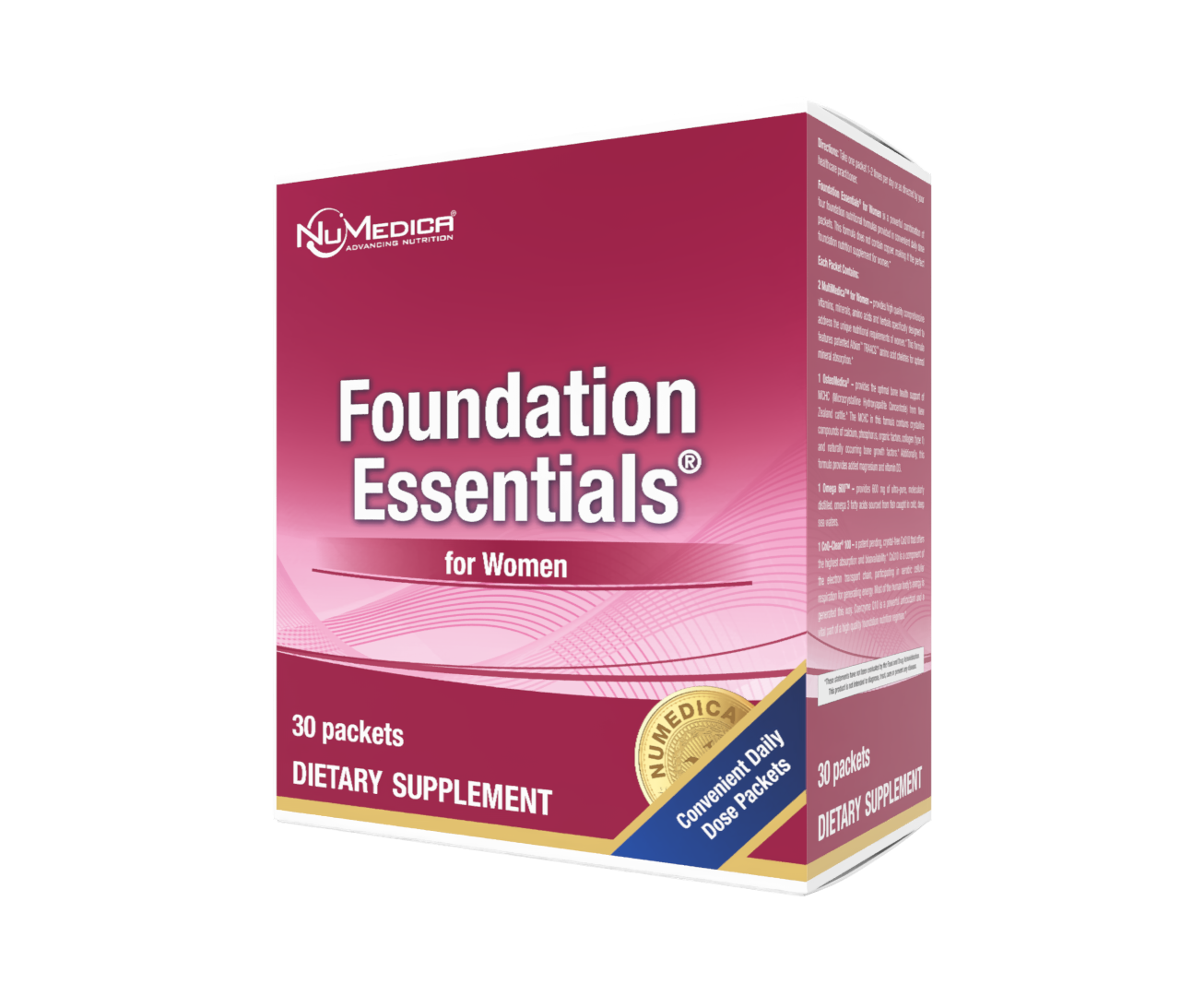
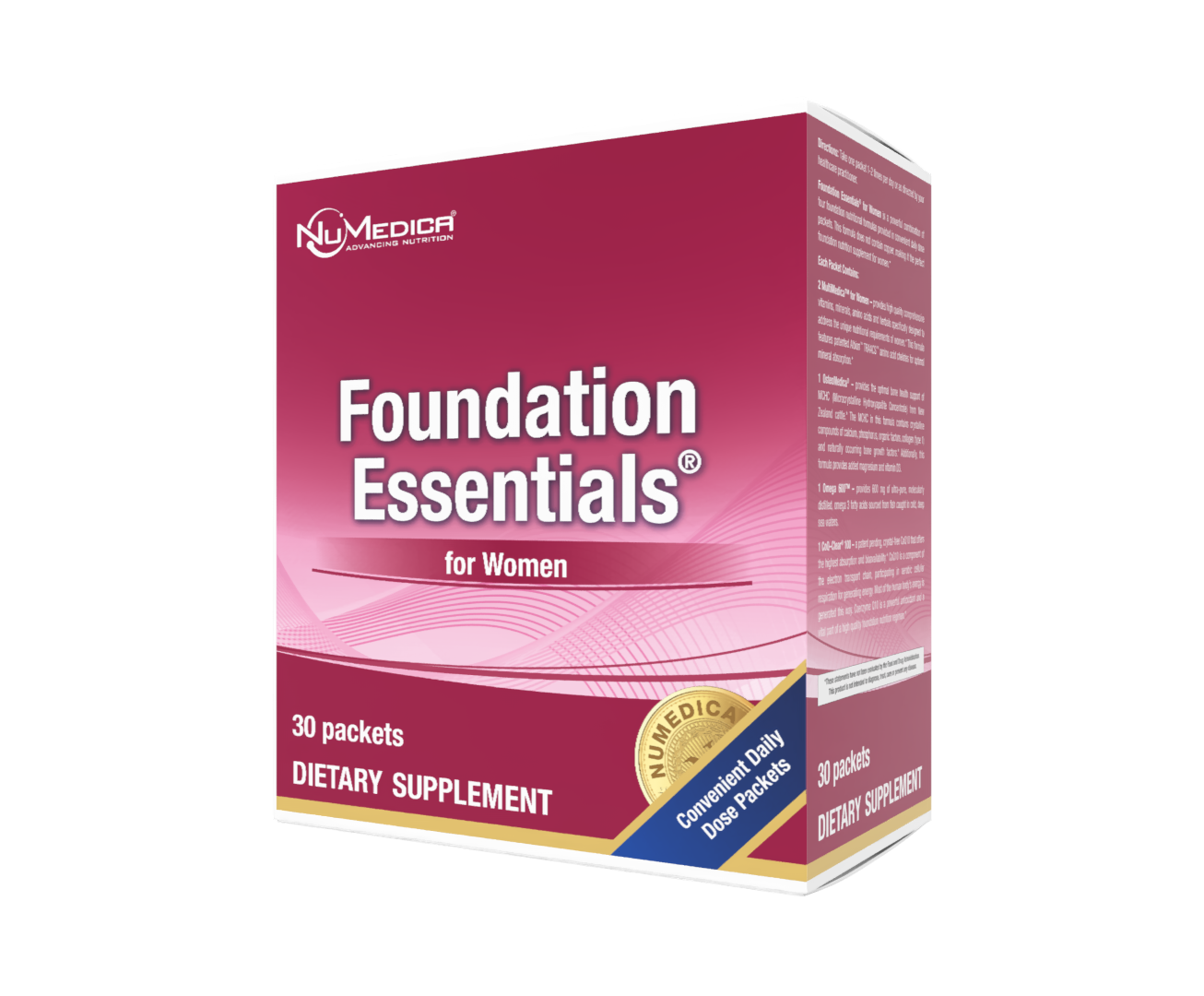
Foundation Essentials™ for Women is a powerful combination of four foundation nutritional formulas provided in convenient daily dose packets. This formula does not contain copper making it the perfect foundation nutrition supplement for women.*
This Formula Provides Support for:
● Optimal Female Wellness*
● Enhanced Bone Health With Added MCHC and Calcium*
● Cardiovascular Health*
● Detoxification Support*
● Poor Dietary Intake*
Each Packet Contains:
2 MultiMedica™ for Women provides high quality comprehensive vitamins, minerals, amino acids and herbals, specifically designed to address the unique nutritional requirements of women.* MultiMedica™ for Women features patented Albion™ TRAACS™ amino acid chelates for optimal mineral absorption.*
1 OsteoMedica® provides the optimal bone health support of MCHC (Microcrystalline Hydroxyapatite Concentrate) from New Zealand cattle.* The MCHC in OsteoMedica® contains crystalline compounds of calcium, phosphorus, organic factors, collagen (type 1) and naturally occurring bone growth factors.* Additionally, OsteoMedica® provides added magnesium and vitamin D3.
1 Omega 600™ provides 600 mg of ultra-pure, molecularly distilled, natural marine lipid concentrate sourced from fish caught in cold, deep sea waters.
1 CoQ–Clear® 100 is a patent pending, crystal-free CoQ10 that offers the highest absorption and bioavailability.* CoQ10 is a component of the electron transport chain, participating in aerobic cellular respiration for generating energy. Most of the human body’s energy is generated this way. Coenzyme Q10 is a vital part of a high quality foundation nutrition regimen.*
