
You’re Not Broken, You’re Biochemical
Every month, millions of people brace for it. The irritability that comes from nowhere. The bone-deep fatigue. The crying at commercials, the sharp edge in your voice you didn’t ask for, the sensation of being a stranger in your own body for days at a time. And somewhere nearby, a partner who genuinely doesn’t know if they should say something or quietly back out of the room.
PMS (premenstrual syndrome) and its more severe sibling, PMDD (premenstrual dysphoric disorder), aren’t personality flaws or emotional overreactions. They’re legitimate, hormonally driven physiological events that affect mood, cognition, pain tolerance, energy, sleep, and yes, intimacy. The frustrating part isn’t just the symptoms themselves. It’s that most couples never find the words to actually talk about what’s happening, leaving both people feeling isolated in a cycle that repeats every single month.
This article is about breaking that silence, with science, with compassion, and with some genuinely useful language to work with.
Why This Conversation Is So Hard to Have (And Why It Matters So Much)
Let’s be honest: talking about menstrual symptoms with a partner is awkward territory for a lot of people. There’s often shame attached to “being hormonal,” a fear of sounding like you’re making excuses, or a worry that your partner will dismiss what you’re going through as normal or minor. On the other side, partners frequently feel like they’re walking on eggshells, unsure whether to ask, unsure how to help, and sometimes quietly hurt by withdrawal or conflict they don’t fully understand.
The result is a monthly communication breakdown that erodes connection over time.
Here’s what makes this particularly important: research consistently shows that relationship quality has a measurable impact on how people experience PMS and PMDD symptoms. Stress, including feeling misunderstood or alone, amplifies the biological processes already at work. Feeling supported, on the other hand, genuinely softens the edges. This means the conversation isn’t just a nice-to-have. It’s part of the treatment.
What’s Actually Happening in Your Body (The Short Version)
To communicate about something, it helps to understand it. PMS affects somewhere between 30 and 40% of people with cycles, while PMDD, a clinically recognized mood disorder, affects around 3 to 8%. Both conditions are tied to the luteal phase: the roughly one to two-week window between ovulation and menstruation.
During this phase, progesterone rises and then sharply falls alongside estrogen. For most people, this hormonal shift is manageable. But for those with PMS, and especially PMDD, the brain appears to have an amplified sensitivity to these normal fluctuations. The culprit isn’t simply “too many hormones.” It’s how the nervous system responds to them.
Specifically, the drop in progesterone disrupts allopregnanolone production, a neurosteroid that helps regulate GABA, the brain’s primary calming neurotransmitter. Less GABAergic activity means less natural anxiety buffering. At the same time, fluctuations in estrogen affect serotonin pathways, which govern mood, sleep, and emotional resilience. Dopamine and norepinephrine are also impacted, which is why motivation, focus, and even pain perception can shift dramatically.
The physical symptoms, including bloating, breast tenderness, headaches, fatigue, and joint pain, layer on top of this neurological storm. And all of it shapes how emotionally available and physically comfortable someone feels in an intimate relationship.
Let’s Talk About the Intimacy Part
Intimacy during the luteal phase is genuinely complicated. This needs to be said plainly because many people and their partners spend years feeling confused or rejected by a pattern that has a clear biological explanation.
Physical touch can feel different. Sensory sensitivity increases before menstruation. What normally feels pleasurable can feel overstimulating or even irritating. Breast tenderness, bloating, and pelvic discomfort are real physical barriers, not emotional ones.
Libido is unpredictable. Some people experience a surge in sexual desire around ovulation when estrogen peaks, followed by a pronounced drop in the luteal phase. Others notice the opposite. Neither is wrong. It’s just hormonal variability. Testosterone, which plays a role in desire for all genders, also fluctuates across the cycle.
Emotional withdrawal is protective, not punishing. During PMDD in particular, heightened emotional sensitivity can make normal relationship dynamics feel overwhelming. Needing space isn’t rejection. It’s often self-preservation.
Conflict escalates more easily. The same neurological sensitivity that amplifies anxiety also lowers the threshold for feeling criticized, dismissed, or unsafe in conversation. Things that would roll off someone’s shoulders at another point in the cycle can feel cutting and significant.
None of this means intimacy is off the table, but it does mean that the way it’s approached needs to adapt.
The Scripts That Actually Work: How to Talk About It
If you have PMS or PMDD:
The single most powerful thing you can do is name it before it peaks. Waiting until you’re in the thick of symptoms to communicate what’s happening is like trying to have a calm conversation in the middle of a fire alarm. Instead, try establishing a rhythm of low-stakes, outside-the-moment conversations.
A few approaches that tend to work:
“I want to give you a heads-up that I’m entering the harder part of my cycle. It doesn’t mean I’m upset with you. It means my brain chemistry is doing something I don’t have full control over.”
“When I go quiet or seem irritable, it’s usually not about you. Can we agree that if you’re unsure, you’ll just gently check in rather than assume?”
“Touch feels different for me before my period. I might want closeness without physical intimacy, and I want you to know that’s not a rejection.”
Being specific about what you need and what is not a message about the relationship removes a huge amount of guesswork for a partner who genuinely wants to help but doesn’t know how.
If you’re the partner:
First, believe them. The symptoms of PMDD are as real and disabling as any recognized mood disorder, because that’s exactly what it is. Skepticism or dismissal is one of the most damaging responses, even when it’s well-intentioned.
Some language that helps:
“I’ve noticed this seems to be a hard week for you. Is there anything I can do, or do you mainly need space right now?”
“I’m not taking it personally. I just want you to know I’m here.”
“Can we talk when you’re feeling more like yourself about what I can do better during these times?”
What doesn’t help: minimizing the experience, problem-solving in the moment when what’s needed is empathy, or withdrawing entirely out of discomfort. Presence, even quiet and low-demand presence, matters more than people realize.
Together, as a team:
Consider creating a simple monthly awareness system. This doesn’t need to be clinical or elaborate. Even something like a shared note or calendar reminder, so both people have context for where things are in the cycle, can make a meaningful difference. Some couples use a simple one-to-five scale to signal where someone is emotionally on a given day. This kind of low-friction system prevents many misinterpretations before they start.
Talk about intimacy outside of the moments when it’s in question. What does closeness look like when physical touch isn’t comfortable? What does the person with PMS or PMDD actually need most during the luteal phase: a partner who stays close, or one who gives space without disappearing? There’s no universal answer. The answer comes from conversation.
Lifestyle Strategies That Support Both the Symptoms and the Relationship
What happens outside the difficult days significantly affects how difficult those days actually are. Supporting the body through the full cycle, not just when symptoms hit, is foundational.
Movement, but not punishment. Regular moderate exercise, particularly aerobic activity, is strongly supported by evidence for reducing PMS symptoms. It supports serotonin, helps regulate cortisol, and improves sleep. Intense training in the late luteal phase can sometimes worsen fatigue and inflammation, so listening to the body and lowering intensity when needed isn’t a sign of weakness. It’s smart cycle syncing.
Blood sugar stability matters more than most people realize. Serotonin production is heavily influenced by carbohydrate metabolism and gut health. Erratic blood sugar, common with high-sugar, low-protein eating, can amplify mood swings and cravings during the luteal phase. Prioritizing regular meals with adequate protein, healthy fats, and complex carbohydrates helps stabilize the neurochemical environment, which is already under pressure.
Sleep is non-negotiable. Progesterone has a mild sedating effect, but as it drops in the late luteal phase, sleep quality often deteriorates, becoming shorter, lighter, and more disrupted. Poor sleep dramatically worsens both mood symptoms and pain sensitivity. Creating consistent sleep conditions and reducing evening stimulants such as screens, caffeine, and heavy meals can support better sleep, even during the difficult window.
Stress reduction, specifically. The HPA axis, the body’s stress response system, is more reactive in people with PMDD. Chronic background stress essentially keeps the stress system primed, making the hormonal fluctuations of the luteal phase hit harder. Mindfulness-based practices, journaling, breathwork, and therapy, particularly cognitive-behavioral therapy adapted for PMDD, all have strong evidence behind them. This isn’t generic “just relax” advice. It’s physiology.
Warmth and physical comfort. Heat therapy for pelvic cramps, gentle massage, and warm baths work through real mechanisms, reducing muscle tension, lowering cortisol levels, and activating the parasympathetic nervous system. They also simply feel good, which matters enormously when someone’s nervous system is on edge.
Nutritional and Supplement Support: What the Research Points To
Several micronutrients and botanicals have meaningful evidence behind them for PMS and PMDD support, and they work through specific mechanisms rather than as vague “hormone helpers.”
Magnesium is one of the most researched. It plays a role in GABA receptor function, the same calming pathway disrupted by progesterone fluctuations, as well as neuromuscular tension and prostaglandin regulation. Deficiency is extremely common, and supplementation, particularly with magnesium glycinate or bisglycinate for better tolerability, has shown reductions in mood symptoms, headaches, bloating, and breast tenderness in multiple trials.
Vitamin B6 (pyridoxine) supports serotonin and dopamine synthesis and has decades of evidence for PMS mood symptoms at doses in the 50 to 100mg range. It works best in the context of a broader B-complex, since B vitamins are deeply interdependent in their functions.
Calcium supplementation at around 1,000 to 1,200mg per day from food and supplements combined has replicated evidence for reducing both mood and physical PMS symptoms, likely through its effects on neuromuscular function and its interaction with estrogen signaling in the brain.
Vitex agnus-castus (chasteberry) is a well-studied botanical that appears to act on dopamine and prolactin pathways, reducing several PMS symptoms, including irritability, mood swings, breast tenderness, and headaches. It requires consistent use over several months to show its full effect.
Omega-3 fatty acids (EPA/DHA from fish oil) have anti-inflammatory properties and support neurological function. Given that prostaglandin overproduction, an inflammatory process, contributes to cramping and pain, and that omega-3s support serotonin receptor sensitivity, they are a well-reasoned addition to a PMS and PMDD support protocol.
Vitamin D deserves a mention given how widespread deficiency is and how significantly it affects mood, immune function, and hormonal balance. Low vitamin D is associated with worse PMS symptoms, and restoring levels to an optimal range often supports noticeable improvement.
The Bottom Line
PMS and PMDD aren’t things to be tolerated in silence, managed alone, or explained away. They’re real, recurring physiological events that shape mood, sensation, and relational capacity, and they deserve the same thoughtful, evidence-informed approach as any other health condition.
The single biggest shift most couples can make isn’t a supplement protocol or a new sleep schedule. It’s language. It’s the decision to talk about what’s happening before the difficult days arrive, to replace guesswork with clarity, and to approach the luteal phase as something you navigate together rather than something that happens between you.
Intimacy doesn’t disappear during this time. It just asks to be redefined: sometimes as quiet company instead of passion, sometimes as a hand on the shoulder instead of conversation, sometimes as the simple gift of not making someone explain themselves.
When both people understand what’s happening in the body, the symptoms lose some of their power to create distance. That’s not a small thing. That’s the whole point.
*This article is for informational and educational purposes only and is not a substitute for personalized medical advice. If you suspect you have PMDD or your symptoms are significantly affecting your quality of life or relationships, please speak with a qualified healthcare provider.
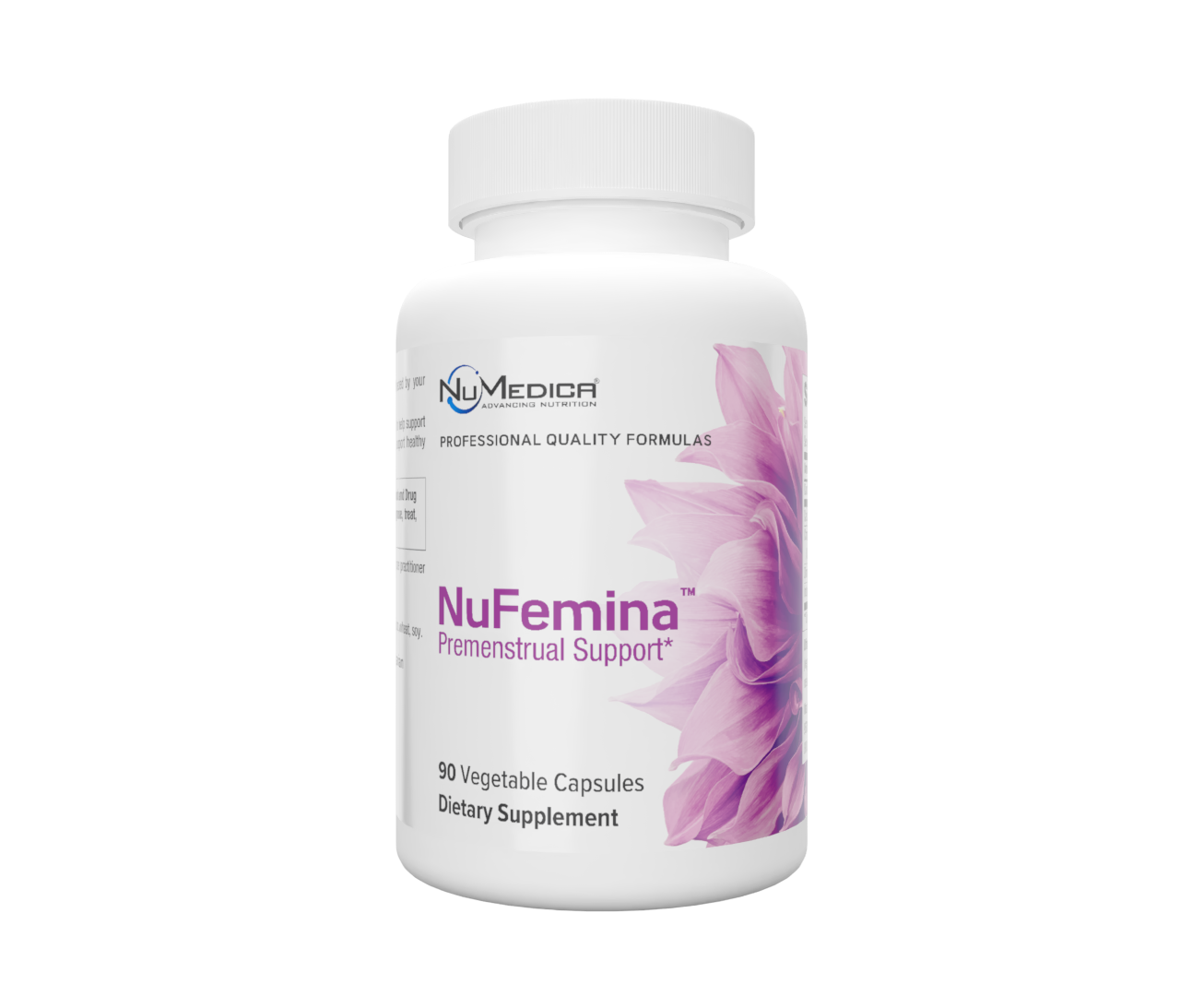
NuFemina™ is a synergistic blend of ingredients designed to help support premenstrual health and wellbeing.* This formula helps support healthy estrogen metabolism in women.*
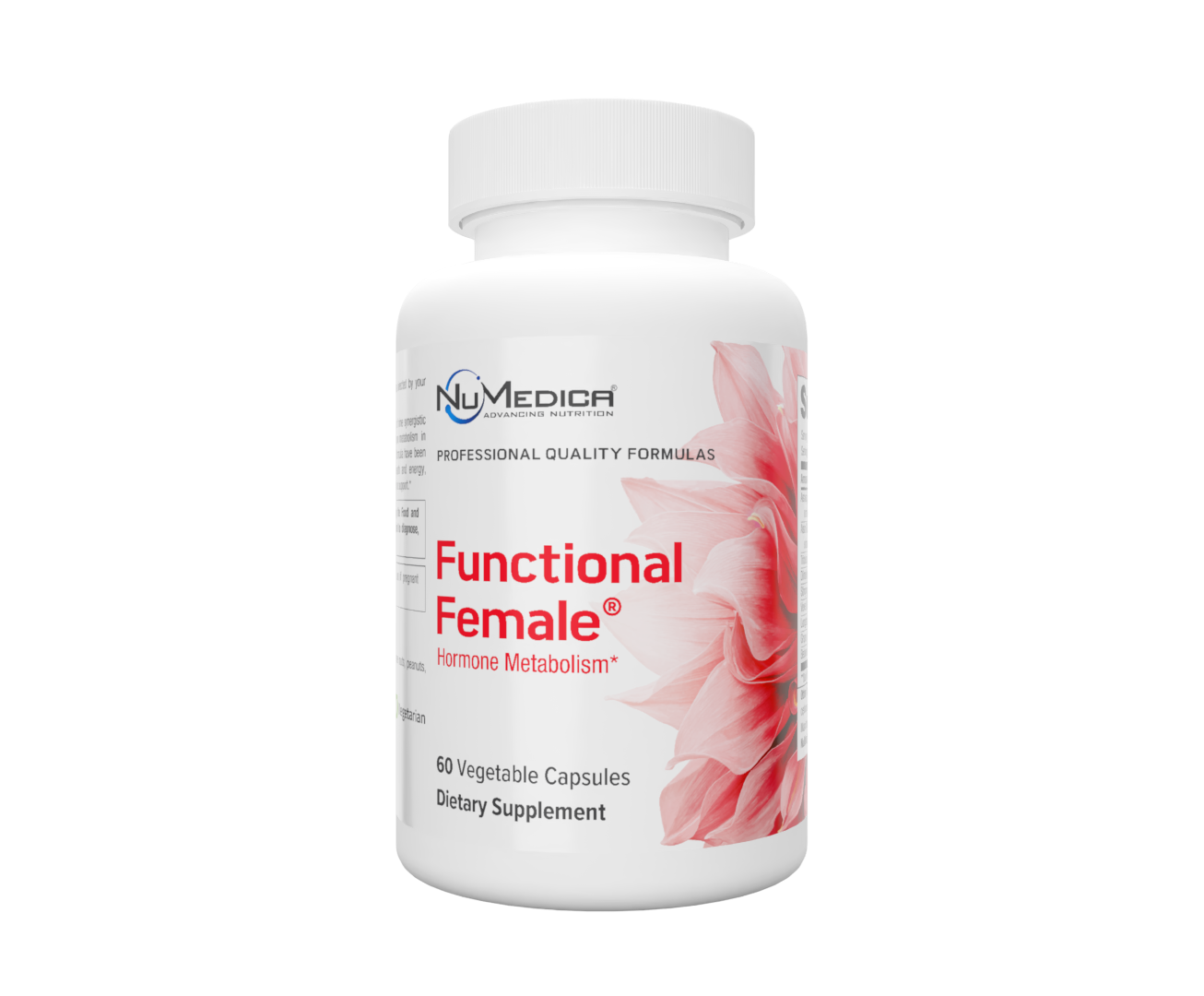
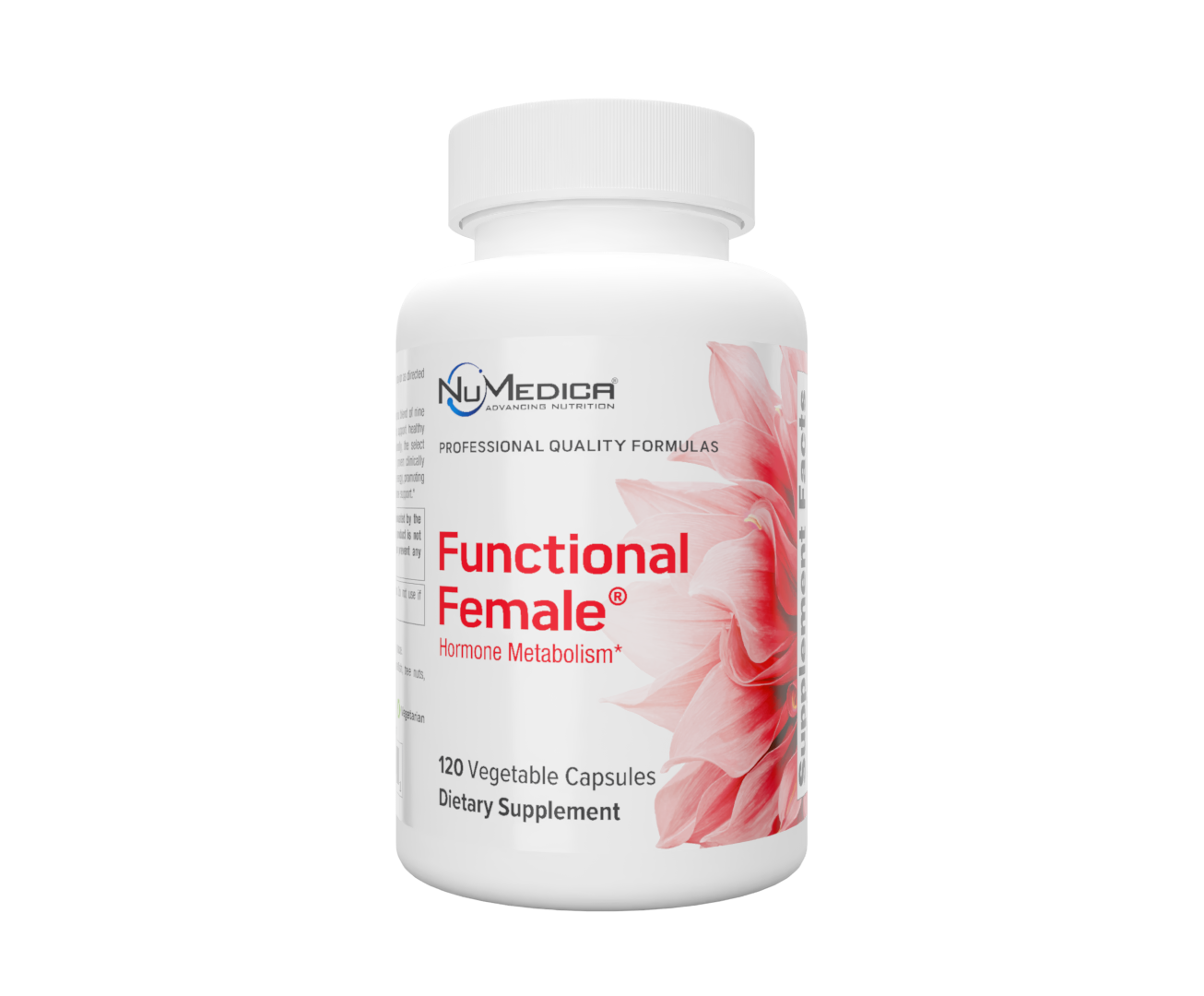
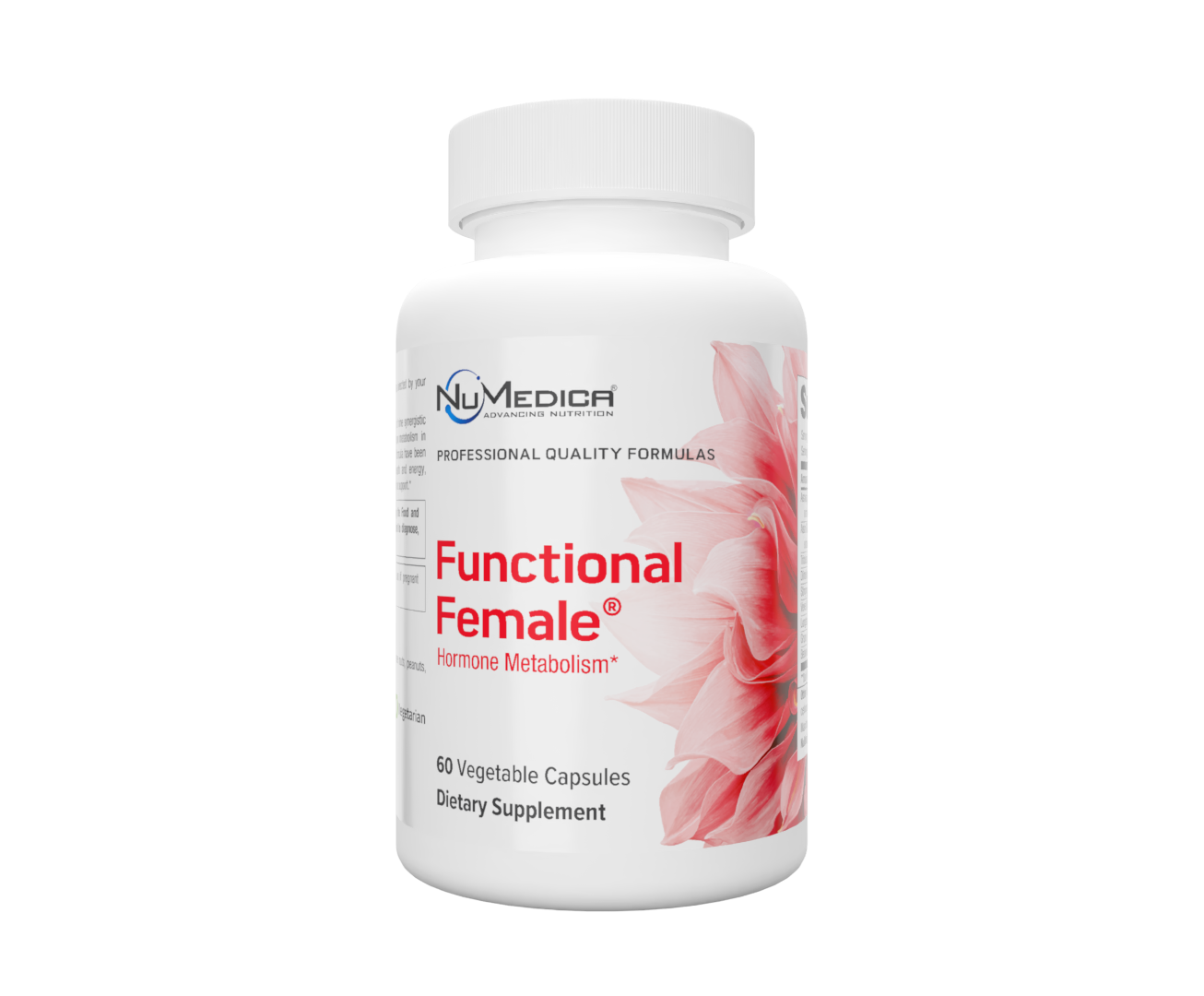
Functional Female® is NuMedica’s powerful blend of nine synergistic ingredients designed to help support healthy hormone metabolism in women.* Additionally, the select ingredients in this formula have been proven clinically effective in supporting sexual health and energy, promoting healthy cortisol levels and providing dopamine support.*
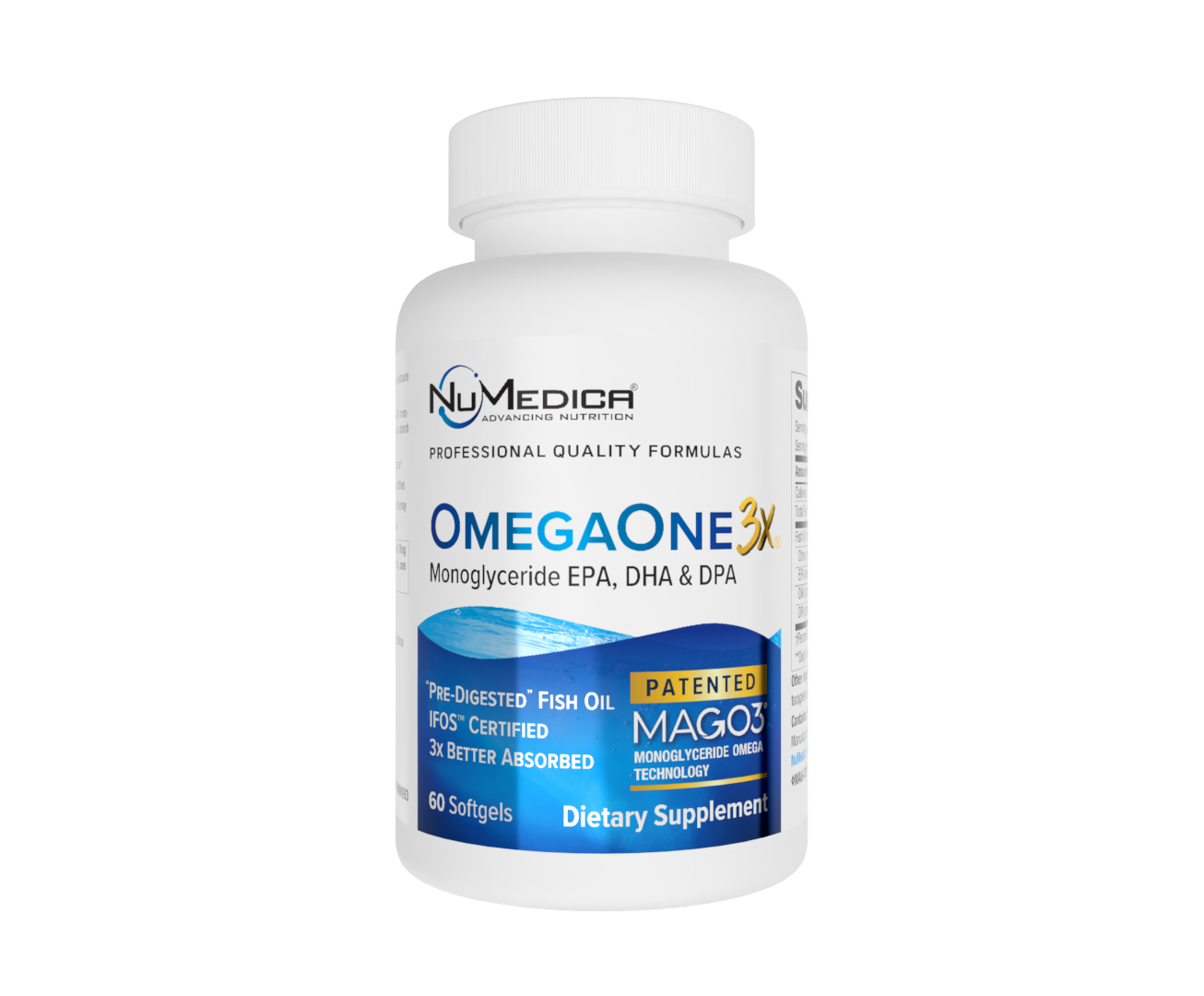
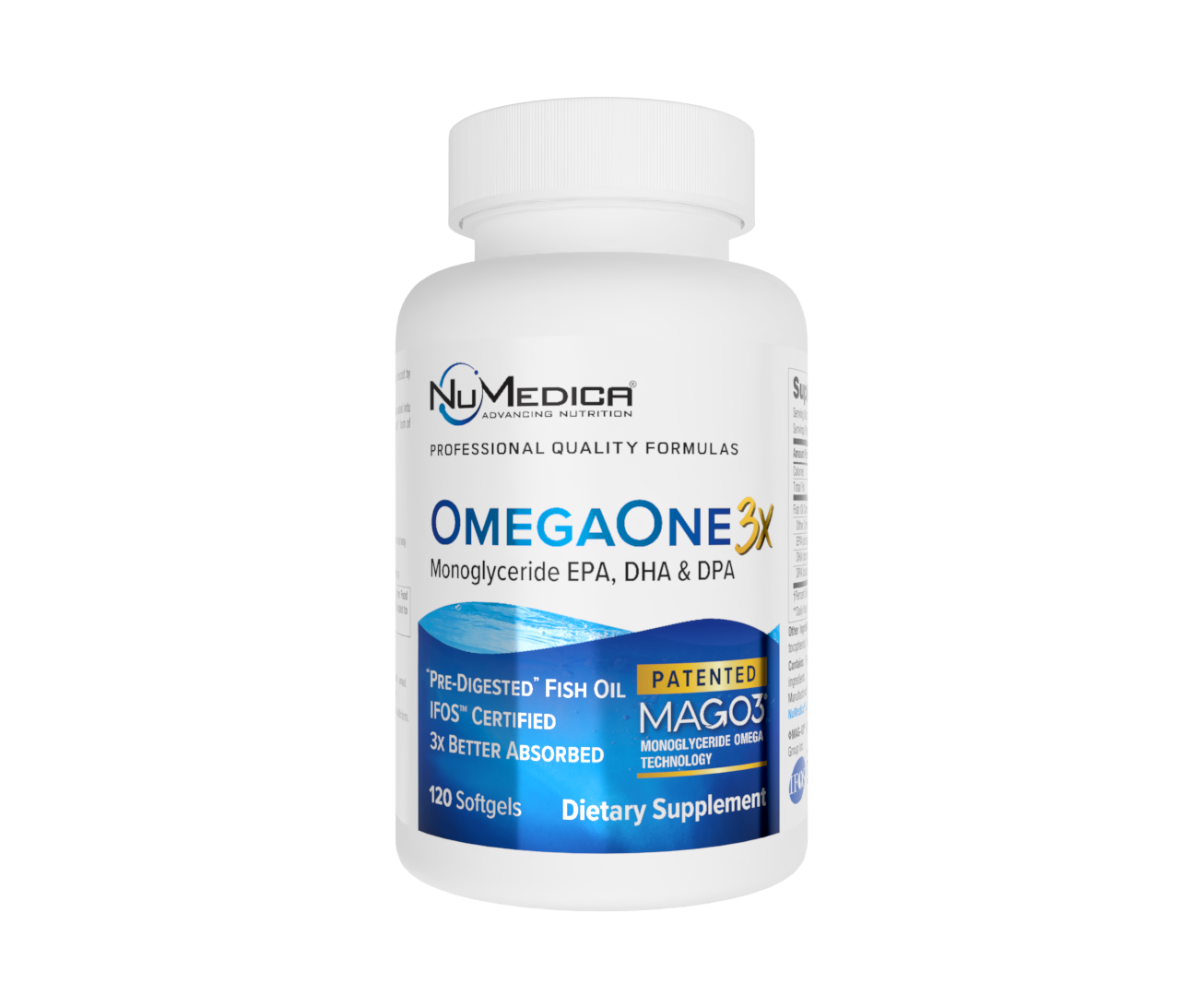
Omega-3 fatty acids are some of the most important nutrients you can add to your daily routine. They are foundational building blocks the body uses for cellular health, and most modern diets simply do not provide enough of them. The challenge with traditional fish oil supplements is that your body has to enzymatically break them down before it can absorb them, and that process is naturally less efficient as you age, when fat absorption slows, or simply when you do not take them with enough dietary fat.
OmegaOne 3x™ was built to solve that.
It delivers EPA, DHA, and DPA omega-3s in their most readily absorbable form: monoglycerides.* Using a patented enzymatic process called MAG-O3®, the oil is “pre-digested” before it ever reaches your bottle, creating a form of fish oil your body can absorb directly, without the additional digestive steps required by traditional fish oils. The result is up to three times better absorption of EPA and DHA compared to common ethyl ester (EE) fish oil forms.*
If you want a smarter, faster-absorbing approach to your daily omega-3, this is where it begins.
