
If you’ve ever noticed that some weeks you feel like an absolute goddess who could take on the world (and whoever’s lucky enough to be in it), while other weeks the idea of being touched sounds about as appealing as a root canal, congratulations, you’re perfectly normal. Your desire, arousal, lubrication, and even your emotional availability during sex are all deeply wired to where you are in your menstrual cycle.
This isn’t a bug. It’s a beautifully designed hormonal symphony, and once you understand the rhythm, you can stop fighting your body and start working with it.
Why This Actually Matters (More Than You Think)
For too long, conversations about libido have been framed as a personal flaw. You’re either “in the mood,” or you’re not, and if you’re not, something must be wrong with you. But the reality is that sexual desire in people with cycles is inherently cyclical, governed by fluctuating hormones that serve real biological purposes.
Understanding your cycle’s influence on desire and sexual function isn’t just interesting trivia. It has real implications for your relationships, your self-image, your reproductive health, and even your mental wellness. When you know what’s driving a shift in your mood or your body’s physical response, you stop internalizing it as failure and start reading it as information.
Your Hormones Are Running the Show (Here’s the Playlist)
To understand sex across your cycle, you need to know the four main players and what they’re doing at each phase.
Estrogen is your social, sensual hormone. It rises through the first half of your cycle, boosting confidence, energy, skin glow, and, critically, vaginal lubrication. It increases blood flow to the genitals and makes nerve endings more sensitive.
Testosterone is present in people with ovaries, too, and it peaks right around ovulation. It’s the hormone most directly linked to raw sexual desire and initiating intimacy.
Progesterone rises sharply after ovulation and dominates the second half of your cycle. It has a calming, sometimes sedating effect. Great for sleep, but not always great for spontaneous passion.
LH and FSH are the signaling hormones that trigger ovulation, and the hormonal surge they create is essentially your body’s biological green light for reproduction, which translates to peak desire.
Now let’s walk through how this plays out across each phase.
Phase by Phase: What’s Actually Happening in Your Body and Bedroom
The Menstrual Phase (Days 1 to 5): Quiet, Not Broken
When your period begins, estrogen and progesterone are both at their lowest. Many people feel fatigued, crampy, and simply uninterested, which makes complete physiological sense. Natural lubrication may be at its lowest outside of arousal, and the uterine contractions that cause cramps can also make sexual activity uncomfortable.
That said, orgasms can actually help with cramps. The release of oxytocin and endorphins during orgasm creates a natural muscle-relaxing, pain-relieving response, and some people find period sex deeply satisfying for exactly this reason. It’s entirely personal, and there’s no wrong answer.
The key point is that low desire here is not a sign of a problem. Your body is doing internal work.
The Follicular Phase (Days 6 to 13): Rising Tide
This is where the magic starts building. As your body prepares to release an egg, estrogen begins its steady climb. The effects are noticeable: more energy, better mood, increased social confidence, and a gradual awakening of sexual interest.
Vaginal lubrication increases as estrogen stimulates the mucous membranes of the vaginal wall and cervix. Your cervical mucus, which is an important indicator of fertility, begins shifting from dry and scant to creamy, then increasingly wet.
Many people report feeling more physically attractive, more outgoing, and more open to intimacy during this phase, and that’s not vanity. It’s estrogen working precisely as intended, priming the body and mind for the reproductive window ahead.
Ovulation (Around Day 14): Peak Everything
This is the hormonal headline event. Estrogen peaks, LH surges, testosterone spikes, and desire often skyrocket along with it. Research consistently finds that people with cycles report the highest levels of sexual desire, fantasy frequency, and willingness to initiate sex in the days surrounding ovulation.
Lubrication is typically at its most abundant during this window. The cervical mucus becomes clear, slippery, and stretchy, often compared to raw egg whites, which serves a reproductive purpose but also naturally enhances comfort and pleasure during sex.
There is also evidence suggesting subtle physical and vocal changes occur at ovulation that may be subconsciously attractive to partners, including increased facial symmetry, slight shifts in body scent, and a naturally elevated vocal pitch. Your biology is doing a lot of behind-the-scenes campaigning during this phase.
The Luteal Phase (Days 15 to 28): The Complicated One
After ovulation, progesterone rises dramatically to prepare the uterine lining for a potential pregnancy. This is where things get more nuanced, and where many people feel the most confused or frustrated with their bodies.
In the early luteal phase, some people still feel relatively good. A warm, connected, sensual mood that’s less urgent than the ovulatory high but still pleasant. Some describe it as more emotionally intimate rather than physically charged.
But as progesterone continues to climb and estrogen drops in the mid-to-late luteal phase, several things can shift. Natural lubrication decreases, which can make penetrative sex less comfortable without supplemental lubrication. Testosterone drops, often reducing the spontaneous, urgent quality of desire. Mood can shift toward irritability, emotional sensitivity, or anxiety, all hallmarks of the premenstrual window that can make emotional intimacy feel harder, even when physical intimacy might help.
For those with PMS or PMDD (premenstrual dysphoric disorder), the hormonal fluctuations in this phase can significantly disrupt sexual interest and emotional connection. The relationship between sex and the late luteal phase is real and often under-discussed.
Practical Ways to Work With Your Cycle, Not Against It
Track your cycle with intention. Apps like Clue, Natural Cycles, or even a simple paper chart can help you correlate your mood, energy, desire, and physical sensations with your hormonal state. After two to three months, patterns become remarkably clear.
Communicate with your partner. If you have a partner, sharing your cycle literacy is genuinely relationship-changing. When they understand that low desire in week three isn’t rejection but biology, the conversation transforms entirely.
Match the moment to the phase. The follicular and ovulatory phases are ideal for spontaneous, energetic intimacy. The luteal phase often calls for slower, more emotionally connective encounters, or simply more warmth and patience. Neither is better; they’re just different.
Lean into supplemental lubrication during the luteal phase and menstruation. Natural lubrication fluctuates, and using a water-based or silicone-based lubricant during lower-estrogen phases isn’t a sign that something’s wrong. It’s just good self-care.
Don’t skip sex during your period if it works for you. Some people find that orgasms during menstruation relieve cramps and improve mood. Place a towel down, try positions that feel more comfortable, and let go of any lingering stigma.
Lifestyle Strategies That Actually Move the Needle
Manage cortisol. Chronic stress is one of the most effective libido suppressants that exists. Cortisol directly competes with and suppresses sex hormone production. Consistent sleep, stress reduction practices like breathwork, yoga, or even short walks, and setting actual boundaries around work and technology all protect your hormonal health at a foundational level.
Eat to support estrogen metabolism. Cruciferous vegetables, including broccoli, cauliflower, and Brussels sprouts, contain compounds like DIM (diindolylmethane) and sulforaphane that support healthy estrogen metabolism. A fiber-rich diet also supports the gut microbiome’s role in hormone clearance, which matters more than most people realize.
Move your body in phase-appropriate ways. High-intensity training during the follicular and ovulatory phases aligns with your body’s peak energy and recovery capacity. Gentler movements such as walking, yoga, and swimming support mood and circulation in the late luteal phase without adding physiological stress when your body is already working hard.
Limit alcohol. Alcohol disrupts sleep architecture, elevates cortisol, and impairs the liver’s ability to clear excess estrogen. Occasional use is unlikely to matter significantly, but regular drinking in the luteal phase can amplify PMS symptoms and dampen mood.
Prioritize magnesium. Magnesium deficiency is remarkably common and is directly linked to PMS severity, including mood disruption and muscle cramping. Whole food sources include dark leafy greens, pumpkin seeds, dark chocolate, and legumes.
Supplement Support Worth Knowing About
Several evidence-informed supplements play meaningful roles in supporting hormonal balance, cycle regularity, healthy lubrication, and the mood shifts that accompany the luteal phase.
Vitex (Chaste tree berry) has been studied for its role in supporting luteal-phase progesterone levels, reducing PMS symptoms, and helping regulate irregular or hormonally disrupted cycles. It works gradually, and most clinical evidence shows benefits emerging over two to three cycles of consistent use.
Magnesium glycinate or bisglycinate is well-absorbed and well-tolerated, with solid evidence for reducing PMS-related mood symptoms, cramps, and the anxiety that often accompanies the late luteal phase.
B6 (Pyridoxine) supports neurotransmitter synthesis, particularly serotonin and dopamine, which directly affect mood, emotional resilience, and even libido. It works synergistically with magnesium and has long been studied in the context of premenstrual mood disturbance.
Omega-3 fatty acids (EPA/DHA) reduce systemic inflammation, which plays an underappreciated role in PMS severity, dysmenorrhea (painful periods), and vaginal tissue health. Higher omega-3 intake is associated with reduced menstrual pain and improved mood outcomes.
Ashwagandha (KSM-66 form) is an adaptogen with clinical evidence supporting cortisol reduction and, specifically, improvements in female sexual function scores, including desire, arousal, lubrication, and satisfaction, across multiple randomized controlled trials.
Maca root has been used traditionally and studied clinically for its effects on libido and sexual function, independent of direct hormonal action. It appears to work via hypothalamic pathways, and its positive effects on desire are among the more consistent findings in adaptogenic botanical research.
DIM (Diindolylmethane) supports the liver’s processing of estrogen into more favorable metabolites, which can be relevant for those experiencing estrogen dominance. This pattern often presents as heavy periods, breast tenderness, and premenstrual mood disruption.
The Takeaway: Your Cycle Is a Map, Not a Mystery
Your desire, your lubrication, your emotional availability for intimacy: none of it is random, and none of it is a character flaw. It is a hormonal roadmap that changes predictably and purposefully each week.
When you understand that map, everything shifts. You stop wondering why you can’t recreate Tuesday’s passion on a Saturday two weeks later. You stop apologizing for needing more warmth and less urgency in the third week of your cycle. You start asking better questions, having better conversations, and making choices, nutritionally, lifestyle-wise, and relationally, that support rather than suppress your innate hormonal intelligence.
Your body isn’t broken. It’s on a schedule. And once you learn to read it, it becomes one of your most reliable guides.
*This article is for educational purposes only. It is not intended as medical advice. Please consult a qualified healthcare provider if you have concerns about hormonal health, sexual function, or cycle irregularities.
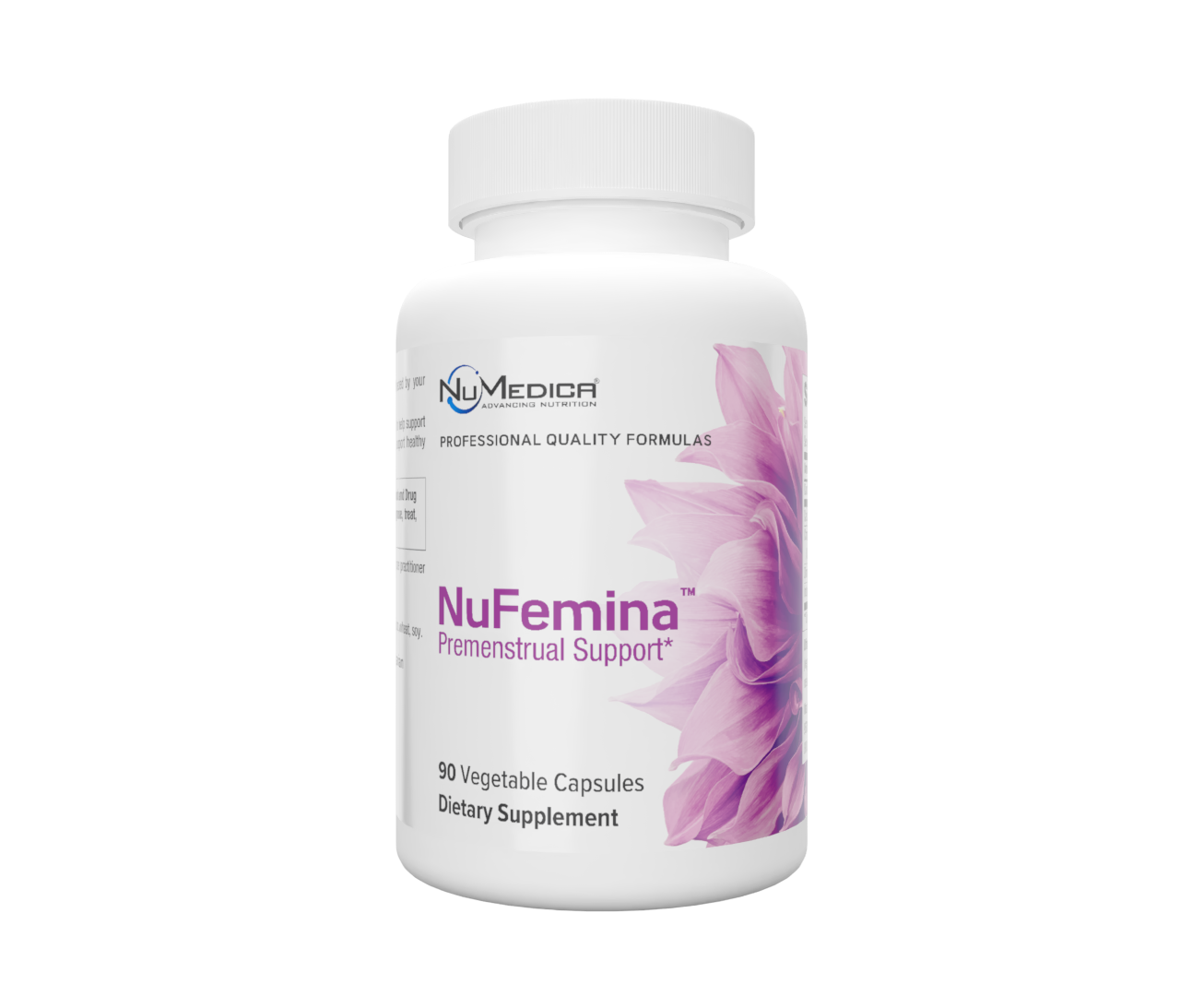
NuFemina™ is a synergistic blend of ingredients designed to help support premenstrual health and wellbeing.* This formula helps support healthy estrogen metabolism in women.*
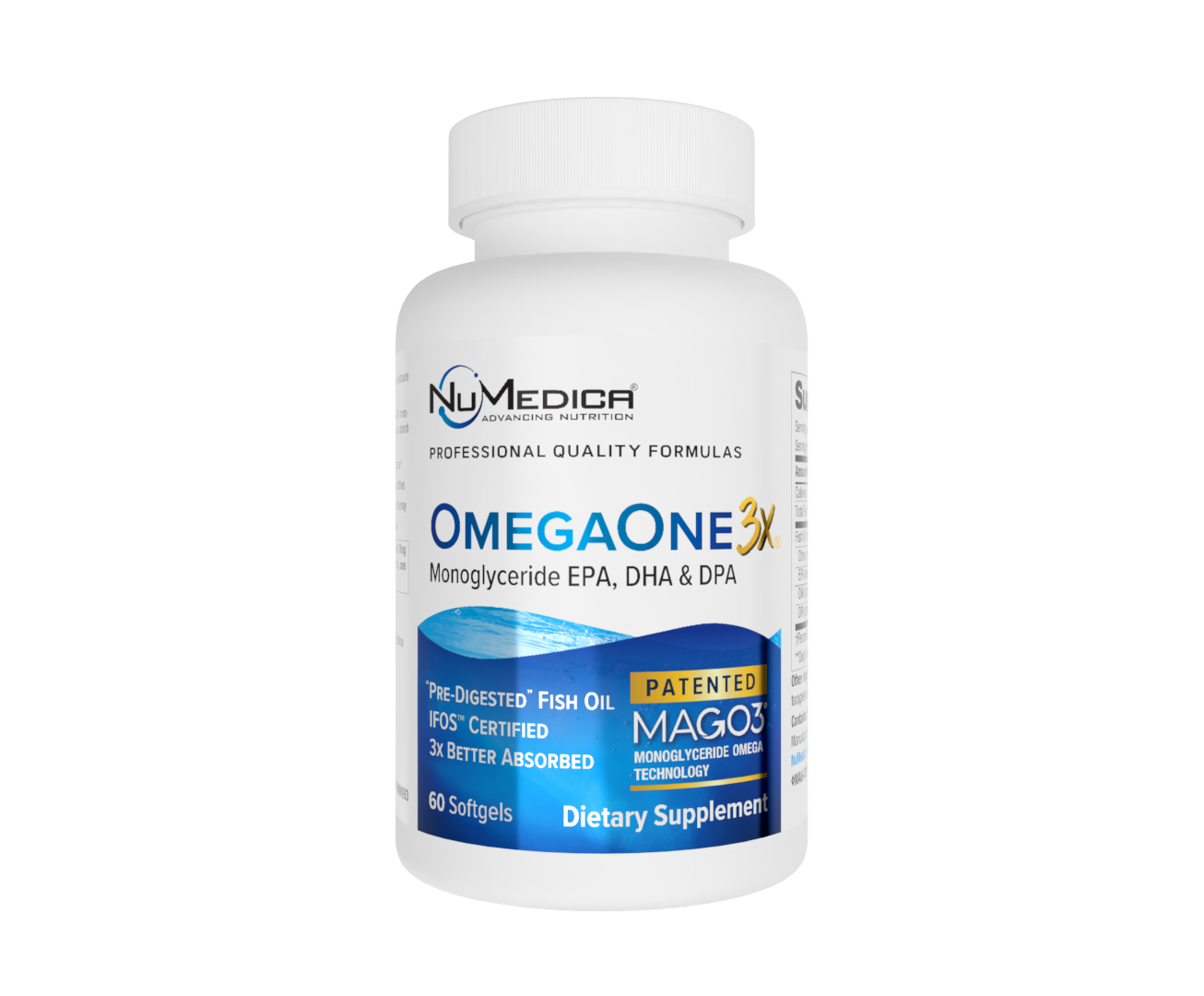
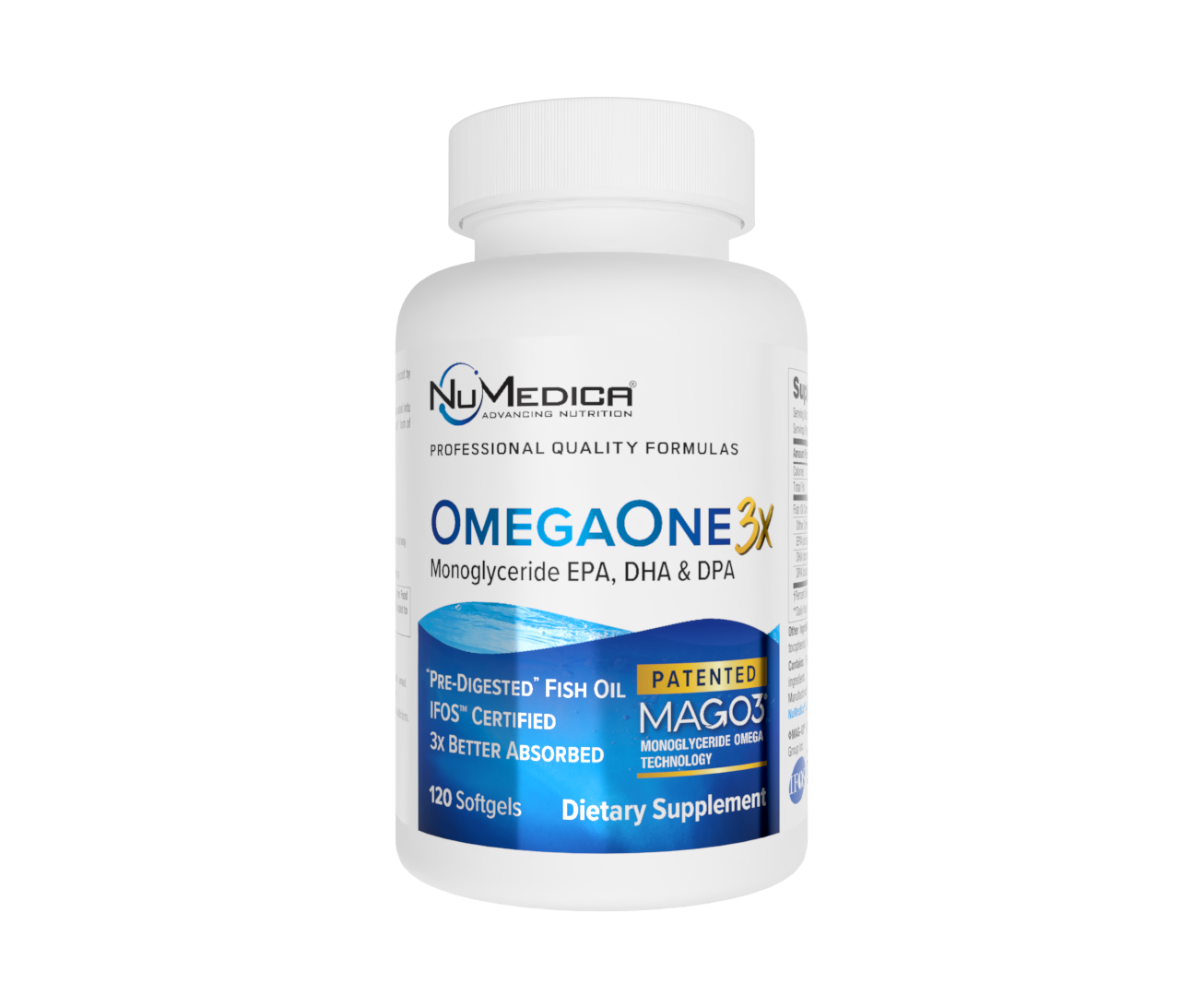
Omega-3 fatty acids are some of the most important nutrients you can add to your daily routine. They are foundational building blocks the body uses for cellular health, and most modern diets simply do not provide enough of them. The challenge with traditional fish oil supplements is that your body has to enzymatically break them down before it can absorb them, and that process is naturally less efficient as you age, when fat absorption slows, or simply when you do not take them with enough dietary fat.
OmegaOne 3x™ was built to solve that.
It delivers EPA, DHA, and DPA omega-3s in their most readily absorbable form: monoglycerides.* Using a patented enzymatic process called MAG-O3®, the oil is “pre-digested” before it ever reaches your bottle, creating a form of fish oil your body can absorb directly, without the additional digestive steps required by traditional fish oils. The result is up to three times better absorption of EPA and DHA compared to common ethyl ester (EE) fish oil forms.*
If you want a smarter, faster-absorbing approach to your daily omega-3, this is where it begins.
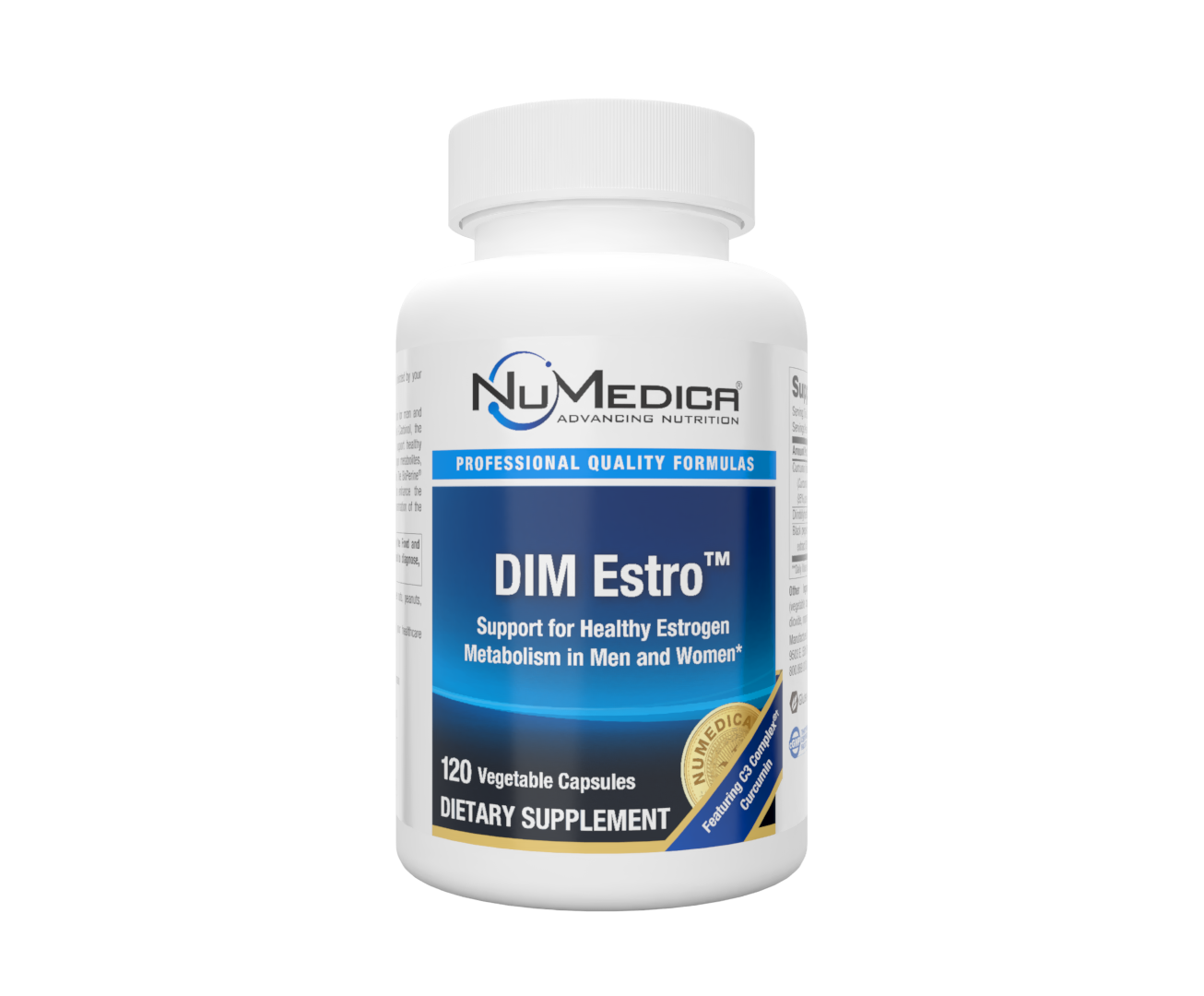
DIM Estro™ supports healthy estrogen metabolism in men and women.* DIM is an advanced metabolite of Indole-3-Carbinol, the indole found in cruciferous vegetables. Indoles support healthy estrogen metabolism and an optimal ratio of estrogen metabolites, including 2-hydroxyestrogen and 16-hydroxyestrogen. The BioPerine® and curcumin combination has been added to enhance the bioavailability, extent of absorption and serum concentration of the bioactive curcuminoids.*
