
Nobody hands you a manual when you enter a relationship.
Yet somehow, most of us arrive with a very specific set of ideas about how sex is supposed to look, feel, and unfold. Ideas pieced together from movies, locker room conversations, magazine headlines, and, let’s be honest, a fair bit of pornography. We absorb these messages so early and so thoroughly that we rarely stop to question whether they’re actually true.
The problem? Many of them aren’t. And the gap between the myth and the reality doesn’t just create awkward moments. It quietly erodes intimacy, breeds shame, fuels resentment, and leaves perfectly healthy people convinced something is fundamentally wrong with them.
This article is a gentle, evidence-based dismantling of the most pervasive sexual myths. Not to embarrass anyone, but because understanding the truth is genuinely one of the most useful things you can do for your health, your relationships, and your sense of self.
Why This Actually Matters (More Than People Admit)
Sexual well-being isn’t a luxury or a footnote. Research consistently links a satisfying intimate life to lower rates of anxiety and depression, better cardiovascular health, stronger immune function, improved sleep quality, and greater overall relationship satisfaction.
But here’s the catch: sexual satisfaction is far more dependent on accurate expectations than on performance, frequency, or technique. When our mental model of sex is built on fiction, we spend enormous energy chasing something that doesn’t exist, and quietly blaming ourselves or our partners for the gap.
The myths below aren’t just harmless folklore. They’re the invisible scripts that play out in bedrooms, in arguments, and in the slow drifting apart of people who genuinely love each other but can’t quite figure out what went wrong.
The Brain Is the Real Bedroom: What the Science Actually Says
Before diving into specific myths, it helps to understand one foundational truth that sex research has made increasingly clear: sex is a neurological and hormonal event as much as a physical one.
The brain’s reward system, driven by dopamine, oxytocin, and serotonin, governs desire, arousal, and satisfaction. Stress hormones like cortisol are among the most potent desire-killers known. The nervous system needs to feel safe before it can feel turned on. And hormones, influenced by everything from sleep quality to nutritional status to relationship dynamics, fluctuate constantly.
This means that what happens in the bedroom is downstream of everything else: your stress levels, your health habits, how emotionally connected you feel, how well you’ve slept, what you’ve been eating, and yes, the stories you believe about yourself as a sexual being.
Once you understand that, the myths below start to unravel quite naturally.
Let’s Actually Talk About It: The Myths Worth Busting
“Good Sex Should Just… Happen”
This is perhaps the most damaging myth in circulation. The idea that desire should be spontaneous, that it should arrive unbidden, urgent, and mutual, is Hollywood fiction dressed up as biological fact.
Sex researchers differentiate between spontaneous desire (arousal that appears without a clear trigger) and responsive desire (arousal that develops in response to stimulation, context, or emotional connection). Neither is more “normal” than the other. Responsive desire is, in fact, more common, particularly among women and in long-term relationships, yet because it doesn’t match the cultural script, it gets misread as low libido or loss of attraction.
When one partner experiences spontaneous desire and the other experiences responsive desire, the spontaneous-desire partner often feels rejected, and the responsive-desire partner often feels broken. Both conclusions are wrong. What’s missing is education, not passion.
The takeaway: Desire can be created, not just waited for. Initiating when you’re not yet turned on isn’t inauthentic. For many people, it’s simply how desire works.
“Different Desire Levels Mean You’re Incompatible”
Closely related to the above. The belief that sexual compatibility is fixed, that you either match or you don’t, ignores almost everything we know about how desire actually behaves over time.
Libido is dynamic. It fluctuates with hormonal cycles, life stress, health status, relationship quality, and seasonal rhythms. It’s also highly context-dependent. A mismatch at one point in a relationship may resolve completely when external stressors ease, when communication improves, or when health factors are addressed.
Studies show that couples who openly discuss differences in desire, rather than interpreting them as signs of incompatibility, report significantly higher long-term relationship satisfaction. The conversation is often more powerful than the sex itself.
The takeaway: Desire gaps are almost universal in long-term relationships. They’re a communication challenge, not a compatibility verdict.
“Men Always Want It, Women Rarely Do”
This one is stubborn, culturally pervasive, and genuinely harmful to everyone it touches.
The stereotype leaves men feeling that admitting low desire is emasculating, which means they often suffer silently when hormonal changes, chronic stress, or health issues reduce their interest. It leaves women feeling either abnormal for having a high drive, or broken for not performing desires they don’t feel. And it frames sex as something men pursue and women gatekeep, a dynamic that poisons intimacy before it begins.
The research tells a more nuanced story. Testosterone, the primary driver of libido in all genders, declines with age in both men and women, but is also significantly affected by sleep deprivation, chronic stress, metabolic health, and nutritional deficiencies. Desire is far less gendered than the cultural narrative suggests, and far more influenced by modifiable factors.
The takeaway: Anyone can experience low desire, and the reasons are rarely what popular culture implies. Gender stereotypes about sex drive harm men and women equally, just differently.
“Frequency Is a Report Card on Your Relationship”
“How often” has become an oddly loaded question. Couples who aren’t having sex weekly worry they’re in trouble. Those having it daily wonder if it’s a sign of avoidance. There’s a cultural obsession with hitting some imaginary benchmark, and it’s largely meaningless.
Research on sexual frequency and relationship satisfaction consistently finds that the relationship between the two is real, but the threshold is lower than people expect. Satisfaction increases roughly once per week and plateaus thereafter. Beyond frequency, what matters far more is quality, mutuality, emotional connection, and each partner’s satisfaction with the frequency, whatever it is.
Two people who have sex twice a month and feel content with that have a healthier sex life than a couple having sex daily, while one partner feels coerced and the other feels unfulfilled.
The takeaway: There is no universally healthy frequency. The right amount is whatever feels mutually satisfying, and it varies widely across individuals, relationships, seasons of life, and stages of partnership.
“Pain During Sex Is Normal, Just Push Through It”
This one needs a direct response: pain during sex is not normal, and it should never be pushed through.
Dyspareunia, or painful intercourse, affects a significant portion of the population and has a wide range of identifiable, treatable causes, including endometriosis, pelvic floor dysfunction, vaginismus, hormonal changes, infections, scar tissue, and insufficient arousal. Yet the cultural message, particularly directed at women, has historically been to tolerate it.
Normalizing pain does two damaging things. It prevents people from seeking treatment for real medical conditions. And it conditions the nervous system to associate sex with pain, which profoundly impairs both arousal and desire over time.
The takeaway: Pain during sex is a signal worth investigating, not a cost of admission. A pelvic floor physiotherapist and a candid conversation with your doctor are excellent starting points.
“Talking About Sex Ruins the Mood”
Of all the myths, this one might be the most practically costly. The belief that verbalizing preferences, asking what feels good, or discussing what isn’t working somehow deflates intimacy has led generations of people to suffer in silent dissatisfaction.
The research is unambiguous: couples who communicate openly about sex report higher satisfaction, more frequent orgasms, better emotional intimacy, and stronger relationship bonds. Communication doesn’t kill desire. It builds the safety and trust that allows desire to flourish.
The awkwardness that comes with these conversations is real, but it’s a skill gap, not evidence that the conversation shouldn’t happen. Like any skill, sexual communication improves with practice and becomes far more natural with time.
The takeaway: The conversation that feels uncomfortable to start is usually the one that changes everything.
“Low Libido Is Just a Psychological Problem”
While psychological factors such as stress, anxiety, relationship conflict, and past trauma play a significant role in desire, reducing low libido to “it’s all in your head” misses a large piece of the picture.
Libido is profoundly biological. It’s regulated by testosterone, estrogen, and progesterone; influenced by thyroid function, insulin sensitivity, and cardiovascular health; and directly impacted by sleep quality, inflammation, and nutritional status.
Key nutrients involved in hormone production and reproductive health include zinc, magnesium, vitamin D, B vitamins, and essential fatty acids. Chronic deficiency in any of these can dampen hormonal output in ways that show up as reduced energy, mood changes, and decreased sexual interest, often long before any other symptoms appear.
Similarly, elevated cortisol from chronic stress directly suppresses sex hormone production. The body treats long-term stress as a survival threat, and reproduction is deprioritized accordingly. This is physiological, not imaginary.
The takeaway: When libido is persistently low, looking at the whole picture, including hormonal health, nutritional status, stress load, sleep quality, and psychological factors, gives a far more useful answer than assuming it’s any one thing.
Living It: Practical Strategies That Actually Help
The most effective approaches to sexual wellbeing address it as what it is: a dimension of overall health.
Prioritize sleep like it matters, because it does. Testosterone is primarily produced during deep sleep. Chronic sleep deprivation measurably reduces testosterone levels and increases cortisol, creating a double hit to libido. Even modest improvements in sleep quality can meaningfully shift hormonal balance.
Manage stress structurally, not just situationally. Cortisol management isn’t about taking a bath when things get overwhelming. It’s about building recovery into daily life. Regular movement, time in nature, consistent sleep-wake rhythms, and genuine rest all reduce baseline cortisol. The nervous system needs to spend time out of fight-or-flight mode before it can support desire.
Move your body regularly. Cardiovascular fitness supports circulation, which is foundational to arousal in all bodies. Resistance training supports testosterone production in both men and women. Exercise also improves body image and self-perception, which research indicates are significant predictors of sexual confidence and satisfaction.
Eat to support hormone production. Hormones are built from nutrients. Healthy fats such as avocado, olive oil, and fatty fish provide the cholesterol backbone for the production of steroid hormones. Zinc-rich foods like pumpkin seeds, oysters, and red meat support testosterone synthesis. Cruciferous vegetables support healthy estrogen metabolism. A Mediterranean-style diet is one of the most studied dietary patterns in relation to sexual function, with consistent positive associations.
Communicate before things reach a crisis. The most effective sexual communication happens during low-stakes moments, not during sex and not during arguments. A calm, curious, non-accusatory conversation about what you enjoy, what you’d like more of, and what doesn’t work for you is one of the highest-return investments a relationship can make.
Address mental health proactively. Anxiety and depression are among the most common causes of low libido and sexual dysfunction, and also among the most treatable. If psychological factors are at play, working with a therapist who is familiar with sexual health is far more effective than waiting for things to resolve on their own.
When It Helps to Go Further: Targeted Nutritional Support
For those addressing hormonal health, stress resilience, and sexual wellbeing from a nutritional angle, certain well-researched supplements offer meaningful support.
Adaptogens, including ashwagandha, Rhodiola rosea, and maca root, have demonstrated the ability to modulate the cortisol response, support energy levels, and, in several clinical studies, improve both desire and sexual function. Their primary mechanism appears to be stress-system regulation rather than direct hormonal stimulation.
Zinc and magnesium are essential cofactors in testosterone production and nervous system function, respectively. Both are commonly depleted by chronic stress, and magnesium is among the most widespread nutritional insufficiencies in Western populations.
Vitamin D, which functions more like a hormone than a vitamin, has well-established associations with testosterone levels, particularly in individuals who are deficient in it. This includes a surprisingly large portion of people in northern latitudes or those who spend limited time outdoors.
Omega-3 fatty acids support cardiovascular function, reduce systemic inflammation, and contribute to healthy hormone metabolism. Higher omega-3 status has been associated with better mood, lower anxiety, and improved sexual function.
B vitamins, particularly B6 and B12, support neurotransmitter production (including dopamine and serotonin) and adrenal function, both of which are directly relevant to mood, desire, and energy.
Quality and bioavailability matter considerably with supplementation. Professional-grade formulations designed for clinical use typically differ from retail options in potency, purity, and the forms of nutrients used, distinctions that can make a meaningful difference in outcomes.
The Short Version, If You Need It
Sex is one of those topics where the gap between what people believe and what science actually shows is wide, and where that gap has real consequences. The myths outlined here aren’t harmless cultural quirks. They shape expectations, generate shame, distort communication, and leave people feeling alone in remarkably common struggles.
The short version is this: there is no universal normal. Desire fluctuates in both sexes across all ages for both physiological and psychological reasons. Pain is never something to accept. Talking about sex makes it better, not worse. And the body’s capacity for intimacy is deeply tied to its overall health.
Understanding the difference between what’s true and what’s merely familiar is, perhaps unexpectedly, one of the most intimate things you can do for the people you love.
References and Further Reading
Nagoski, E. (2015). Come As You Are: The Surprising New Science That Will Transform Your Sex Life. Simon & Schuster.
Brotto, L.A. (2018). Better Sex Through Mindfulness. Greystone Books.
Basson, R. (2001). Human sex-response cycles. Journal of Sex and Marital Therapy, 27(1), 33-43.
Levin, R.J. (2003). The ins and outs of vaginal lubrication. Sexual and Relationship Therapy, 18(4), 509-513.
Corona, G. et al. (2010). Testosterone and sexual function. Journal of Endocrinological Investigation, 33(S11), 62-67.
Cappelletti, M., and Wallen, K. (2016). Increasing women’s sexual desire: The comparative effectiveness of estrogens and androgens. Hormones and Behavior, 78, 178-193.
McNulty, J.K. et al. (2016). Though they may be unaware of it, newlyweds implicitly know whether their marriage will be satisfying. Science, 352(6288), 1119-1122.
Brauer, M. et al. (2009). The role of maladaptive cognitions in vaginismus and dyspareunia. Journal of Sexual Medicine, 6(3), 773-783.
Penedo, F.J., and Dahn, J.R. (2005). Exercise and well-being. Current Opinion in Psychiatry, 18(2), 189-193.
Maggio, M. et al. (2011). The relationship between testosterone and molecular markers of inflammation. Journal of Endocrinological Investigation, 34(10), 793-797.
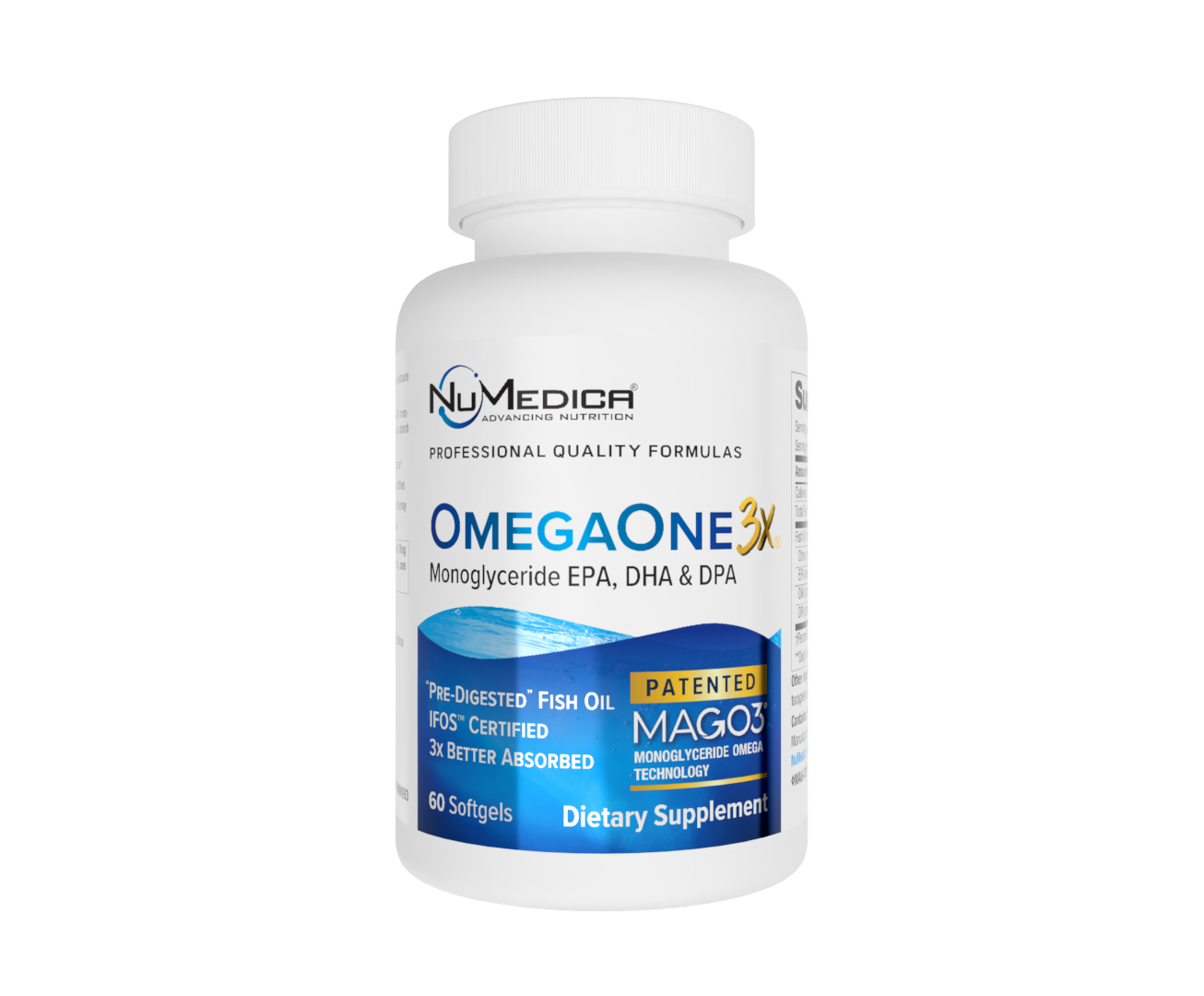
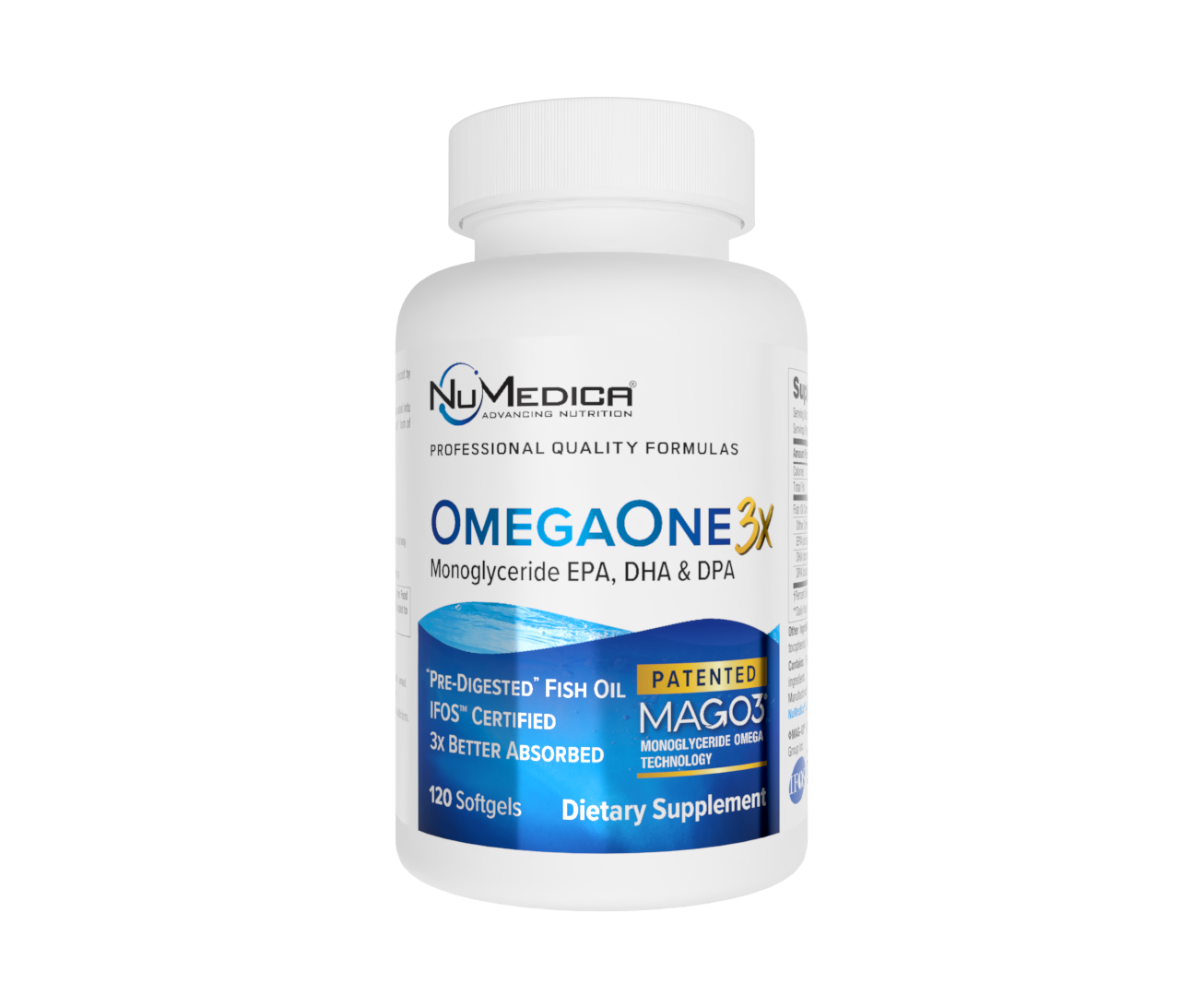
Omega-3 fatty acids are some of the most important nutrients you can add to your daily routine. They are foundational building blocks the body uses for cellular health, and most modern diets simply do not provide enough of them. The challenge with traditional fish oil supplements is that your body has to enzymatically break them down before it can absorb them, and that process is naturally less efficient as you age, when fat absorption slows, or simply when you do not take them with enough dietary fat.
OmegaOne 3x™ was built to solve that.
It delivers EPA, DHA, and DPA omega-3s in their most readily absorbable form: monoglycerides.* Using a patented enzymatic process called MAG-O3®, the oil is “pre-digested” before it ever reaches your bottle, creating a form of fish oil your body can absorb directly, without the additional digestive steps required by traditional fish oils. The result is up to three times better absorption of EPA and DHA compared to common ethyl ester (EE) fish oil forms.*
If you want a smarter, faster-absorbing approach to your daily omega-3, this is where it begins.
Modern life rarely slows down. Schedules tighten, demands pile up, and the body’s stress response runs longer than it was ever meant to. Over time, that constant low-grade pressure shows up everywhere, in your energy, your sleep, your focus, and your sense of calm. For thousands of years, traditional Ayurvedic practice has turned to one botanical above all others to help meet that pressure with steady, resilient calm: ashwagandha.
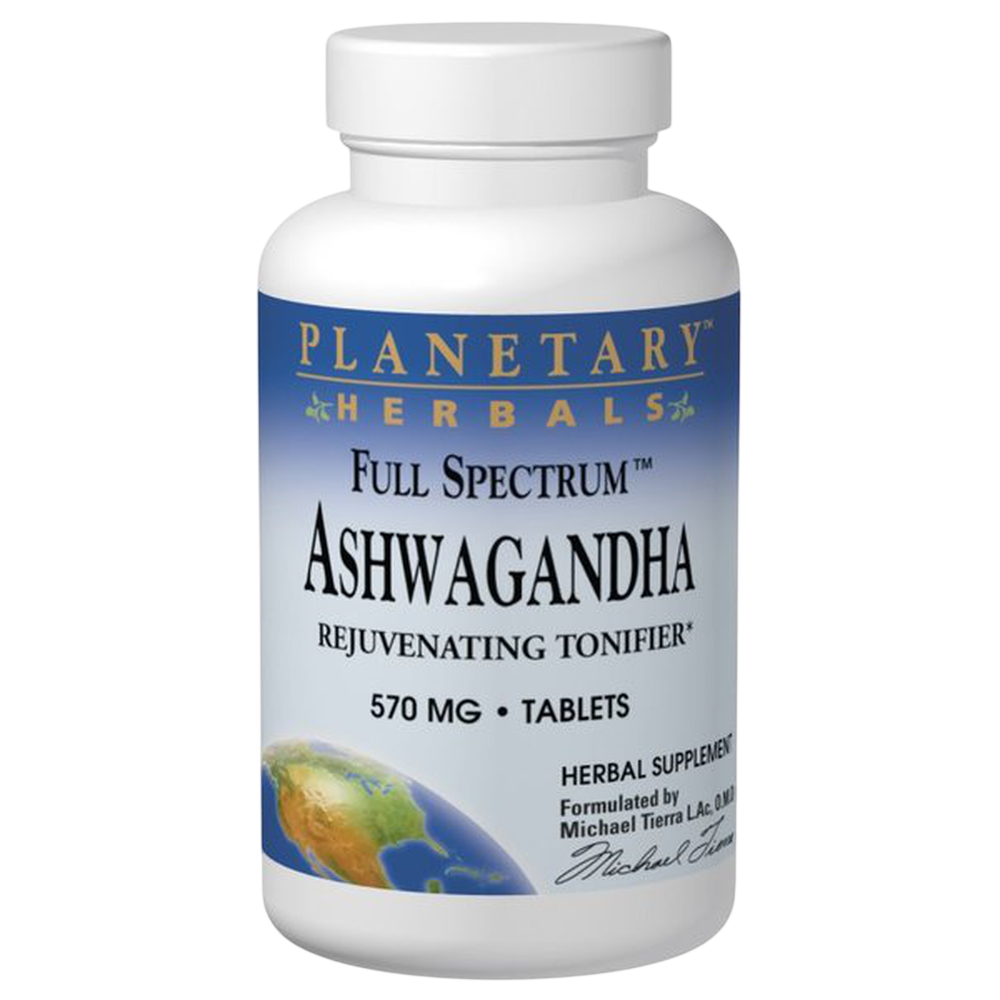
Ashwagandha, Full Spectrum brings that time-honored tradition into a clean, simple daily tablet.
It is a focused, single-ingredient formula featuring 570 mg of ashwagandha (Withania somnifera) per tablet, including both whole ashwagandha root and a concentrated root extract.* Ashwagandha is one of the most studied and widely used adaptogenic botanicals in the world, valued for its role in supporting the body’s healthy response to everyday stress, supporting a calm and relaxed mind, and supporting natural resilience.*
If you are looking for a clean, well-studied daily adaptogen to help meet the demands of modern life, this is where it begins.
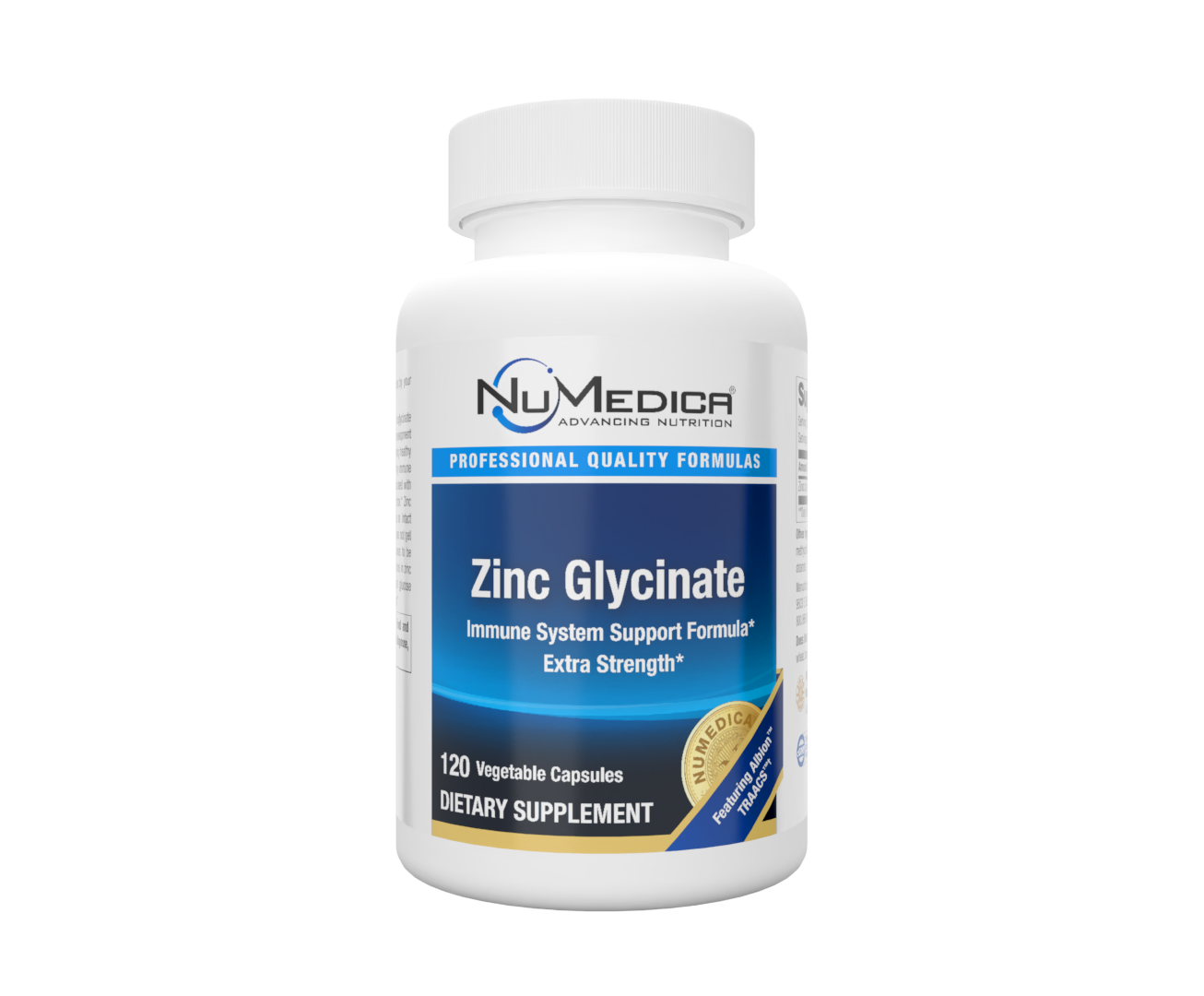
Zinc Glycinate features the fully reacted TRAACS® zinc bisglycinate chelate by Balchem Corporation. Zinc is essential for the development and proper functioning of the reproductive organs, including healthy prostate function, and has been shown to support healthy immune system function.* Zinc also supports enzyme activity associated with tissue synthesis, energy metabolism, and bone mineralization.* Zinc Glycinate is readily bioavailable and easily absorbed as an intact chelate.* It is superior to other forms of zinc because it does not get ionized in the gut before it is absorbed.* Instead, it appears to be metabolized in the body right at the target tissue.* Deficiencies in zinc can lead to an impaired immune system, decreased glucose metabolism, hormonal imbalance and slower wound healing.*
