
Your Body Has Been Trying to Tell You Something
Here’s a truth that doesn’t get said often enough in a clinical setting: sexual health is a window into your overall health, and most people either over-monitor it into anxiety or ignore it entirely until something goes wrong.
Neither approach serves you well.
Sexual health encompasses far more than the absence of disease. It includes hormonal balance, cardiovascular function, mental well-being, pelvic floor integrity, and the quality of your intimate relationships. When one of those systems is off, the others tend to feel it. The good news? Your body gives you signals. The better news? Most of those signals are actually easy to read once you know what to look for.
This article is a practical, no-nonsense guide to what’s worth paying attention to, what you can stop stressing about, and when it genuinely makes sense to pick up the phone and call a clinician.
Why Sexual Health Deserves More Than an Annual Checkbox
Sexual health tends to be the last thing people bring up with their doctor, and one of the first things that quietly declines when life gets stressful, sleep gets short, or the diet slips.
That matters beyond the bedroom.
Erectile dysfunction, for example, is now recognized as one of the earliest predictors of cardiovascular disease in men under 50. Low libido in women is often among the first signs of thyroid dysfunction, adrenal fatigue, or perimenopause, conditions that, left unaddressed, have far-reaching effects on energy, metabolism, and mood. Recurrent vaginal infections can signal blood sugar dysregulation long before a diabetes diagnosis appears on paper.
In other words, your sexual health isn’t a separate category; it’s a live report on how your body is functioning as a whole. Treating it as such can help you catch things early, make meaningful lifestyle changes, and actually enjoy one of the most natural aspects of human life.
What’s Actually Going On Under the Hood
To track anything meaningfully, it helps to understand the underlying biology.
Hormones run the show. In men, testosterone is the dominant driver of libido, erection quality, muscle maintenance, mood, and energy. It’s produced primarily in the testes under direction from the hypothalamic-pituitary axis, a feedback loop in the brain that is exquisitely sensitive to stress, sleep deprivation, and body composition. In women, estrogen, progesterone, and testosterone (yes, women produce testosterone too, just in smaller amounts) work together to regulate menstrual cycles, vaginal health, libido, and mood. These hormones fluctuate naturally across the menstrual cycle, across decades of life, and even across a single day.
The nervous system sets the stage. Sexual arousal and response require the parasympathetic nervous system, the “rest and digest” branch, to be in the driver’s seat. Chronic stress keeps the sympathetic (“fight or flight”) system activated, essentially blocking arousal at the neurological level. This is why stress is one of the most common and most overlooked causes of low desire and performance difficulties in otherwise healthy people.
Blood flow is everything. Healthy sexual function in both men and women depends on good vascular health. The genitals are highly vascularized tissues, and anything that compromises circulation (high blood pressure, high blood sugar, smoking, sedentary behavior) will eventually show up in sexual function, often before it shows up anywhere else on a blood panel.
The microbiome plays a role. The vaginal microbiome, dominated by Lactobacillus species, maintains an acidic pH that protects against infection and supports healthy tissue. Disruptions from antibiotics, hormonal shifts, hygiene practices, or diet can significantly alter this balance. The gut microbiome also influences estrogen metabolism and systemic inflammation, both of which affect sexual health.
What’s Actually Worth Tracking
Let’s be specific, because vague awareness doesn’t help anyone.
Libido patterns. You don’t need to maintain a spreadsheet, but paying attention to whether your desire has changed, not just day to day but over weeks and months, is worthwhile. A sustained drop in libido (more than a few weeks, unprompted by obvious life stressors) is worth noting and discussing with a clinician.
Menstrual cycle regularity (for women). Cycle length, flow consistency, cramping intensity, and PMS severity are all meaningful data points. A regular cycle, typically 24 to 38 days with consistent flow, suggests the hormonal axis is functioning well. Irregular cycles, very heavy or very light periods, or cycles that have changed significantly without explanation deserve attention.
Erection quality (for men). Morning erections are a useful proxy for hormonal and vascular health. Their absence over an extended period, or a gradual change in firmness or frequency of erections during intimacy, is clinically significant.
Pain or discomfort. Pain during sex (dyspareunia), discomfort during arousal, or pelvic pain at any time is never normal and always worth investigating. It is, unfortunately, often normalized, particularly in women, and that’s a problem. Common causes are highly treatable.
Changes in discharge or genital skin. Unusual discharge (changes in color, texture, or odor), persistent itching, or changes in the appearance of genital skin should be evaluated. Many of these are benign, but some are not.
Urinary patterns. Urinary symptoms such as frequency, urgency, discomfort, and leakage are closely linked to pelvic floor health and sexual function. They’re worth mentioning to a clinician, even if they feel embarrassing to bring up.
What You Can Probably Stop Stressing About
Not everything is a red flag, and health anxiety has its own costs.
Day-to-day fluctuations in desire. Libido is not a flat line. It rises and falls with stress, sleep, relationship dynamics, hormonal cycles, season, and countless other factors. A few low days, or even a few low weeks during a genuinely hard period of life, are not a disorder.
Slight changes in cycle timing. A cycle that runs a few days longer or shorter than usual, once or twice, is almost always a non-event. Travel, illness, stress, and changes in exercise or diet all affect cycle timing.
Occasional difficulty with arousal or performance. One-off instances of difficulty with arousal, lubrication, or erection are extremely common and rarely indicate an underlying problem. Context matters enormously here. If it’s occasional and clearly linked to circumstances (fatigue, alcohol, stress, distraction), it’s normal human variation.
Minor changes after starting or stopping hormonal contraception. Adjusting to, or recovering from, hormonal birth control takes time. The body’s natural hormonal rhythm can take several months to re-establish itself. This is normal, though worth monitoring.
Asymmetry or appearance of genitals. There is an enormous range of normal when it comes to genital anatomy. Concerns about appearance are common and almost universally unfounded, but if you’re genuinely uncertain about something you’ve noticed, a clinician can give you a quick, reassuring answer.
Daily Habits That Have a Real Impact
Sexual health is not something you can separate from how you live the rest of your life. The fundamentals matter more than most people realize.
Sleep. Testosterone production, in particular, is tightly tied to sleep. The bulk of daily testosterone release in men occurs during REM sleep. Chronic short sleep, meaning regularly getting less than seven hours, measurably reduces testosterone levels and libido in both men and women. This is one of the most impactful and most underutilized levers in sexual health.
Movement. Regular aerobic and resistance exercise improves circulation, regulates hormone levels, reduces cortisol levels, and enhances body image, all of which support sexual health. Resistance training, in particular, has a well-established positive effect on testosterone in both sexes. You don’t need a complex program; three to four sessions per week of meaningful movement is sufficient for most people.
Diet and blood sugar regulation. A diet rich in vegetables, high-quality protein, healthy fats, and whole carbohydrates supports both hormone production and vascular health. Chronic high blood sugar damages blood vessels and nerves, including those involved in sexual function. Zinc, found in shellfish, red meat, legumes, and seeds, is a cofactor in testosterone synthesis and deserves a mention.
Stress management. Chronically elevated cortisol suppresses both testosterone and estrogen. It also disrupts the neurological conditions needed for arousal. Whatever reliably lowers your stress, whether exercise, time in nature, breathing practices, therapy, or creative outlets, is a legitimate part of your sexual health strategy.
Alcohol. Moderate consumption is largely benign, but regular or heavy drinking disrupts hormonal balance, sleep quality, and vascular health, all of which have downstream effects on sexual function. The effects are reversible with a reduction in alcohol intake.
Pelvic floor health. Often overlooked until there’s a problem, the pelvic floor muscles support bladder and bowel function, sexual sensation, and arousal response in both men and women. Pelvic floor physiotherapy is a legitimately underutilized resource for anyone experiencing pelvic pain, urinary symptoms, discomfort during sex, or reduced sensation.
Nutritional and Supplement Support
While no supplement replaces the foundations above, targeted nutritional support can be genuinely useful, particularly when diet alone is insufficient, during periods of high stress, or as part of a broader strategy for hormonal balance.
Key areas where evidence-backed supplementation tends to be helpful include:
Supporting hormonal balance. Nutrients that support the body’s natural hormone production and metabolism, including zinc, magnesium, vitamin D, and specific adaptogenic botanicals, are supported by meaningful research. Adaptogens like ashwagandha have demonstrated reductions in cortisol levels and improvements in testosterone levels, sexual function scores, and stress-related symptoms across multiple randomized trials.
Cardiovascular and vascular support. Since blood flow is foundational to sexual function, nutrients that support nitric oxide production and vascular elasticity, including L-arginine, L-citrulline, and certain polyphenols, have clinical relevance, particularly for men experiencing early-stage erectile concerns.
Vaginal and microbiome health. Probiotic formulations containing Lactobacillus strains, as well as targeted botanical support for vaginal tissue health, can be valuable tools, particularly during and after antibiotic use, hormonal transitions, or when addressing recurrent imbalances.
Adrenal and stress support. For individuals whose sexual health concerns appear driven primarily by chronic stress and cortisol dysregulation, adrenal support formulas combining adaptogenic herbs with key B vitamins and vitamin C offer a well-studied approach.
Speak with your clinician or a qualified practitioner about which options are appropriate for your specific situation and health history.
The Summary You Can Actually Use
Sexual health is not a niche concern; it’s a meaningful indicator of whole-body health. Here’s the short version of everything above:
Track: sustained changes in libido (weeks, not days), menstrual cycle shifts, erection quality over time, pain during sex, unusual discharge or skin changes, and urinary symptoms.
Don’t stress about: normal daily or weekly fluctuations, occasional performance variability during high-stress periods, minor cycle timing shifts, or how your anatomy looks.
See a clinician if: pain during sex persists, libido has been notably absent for more than a few months, you have symptoms of a possible infection, you’re approaching a hormonal transition (perimenopause, andropause) and want to be proactive, or something has simply changed without a clear explanation, and you haven’t had it evaluated.
Live well to function well: prioritize sleep, move your body regularly, eat to stabilize blood sugar, manage stress meaningfully, and keep your alcohol consumption in check.
Your sexual health responds to how you treat your body overall. Treat it well, pay attention when it’s trying to tell you something, and don’t be embarrassed to ask for help. That’s not complexity. That’s just good self-care.
References
Araujo AB, et al. Erectile dysfunction and mortality. Journal of the American College of Cardiology. 2009;53(12):1067-1075.
Leproult R, Van Cauter E. Effect of 1 week of sleep restriction on testosterone levels in young healthy men. JAMA. 2011;305(21):2173-2174.
Kraemer WJ, Ratamess NA. Hormonal responses and adaptations to resistance exercise and training. Sports Medicine. 2005;35(4):339-361.
Stachenfeld NS. Sex hormone effects on body fluid regulation. Exercise and Sport Sciences Reviews. 2008;36(3):152-159.
Chandrasekhar K, et al. A prospective, randomized double-blind, placebo-controlled study of safety and efficacy of a high-concentration full-spectrum extract of ashwagandha root in reducing stress and anxiety in adults. Indian Journal of Psychological Medicine. 2012;34(3):255-262.
Burnett AL. Role of nitric oxide in the physiology of erection. Biology of Reproduction. 1995;52(3):485-489.
Ravel J, et al. Vaginal microbiome of reproductive-age women. Proceedings of the National Academy of Sciences. 2011;108(Suppl 1):4680-4687.
Davis SR, et al. Testosterone in women: the clinical significance. The Lancet Diabetes & Endocrinology. 2015;3(12):980-992.
American College of Obstetricians and Gynecologists. Committee Opinion: Female Sexual Dysfunction. 2019.
Khera M. Testosterone therapies. Urologic Clinics of North America. 2016;43(2):185-193.
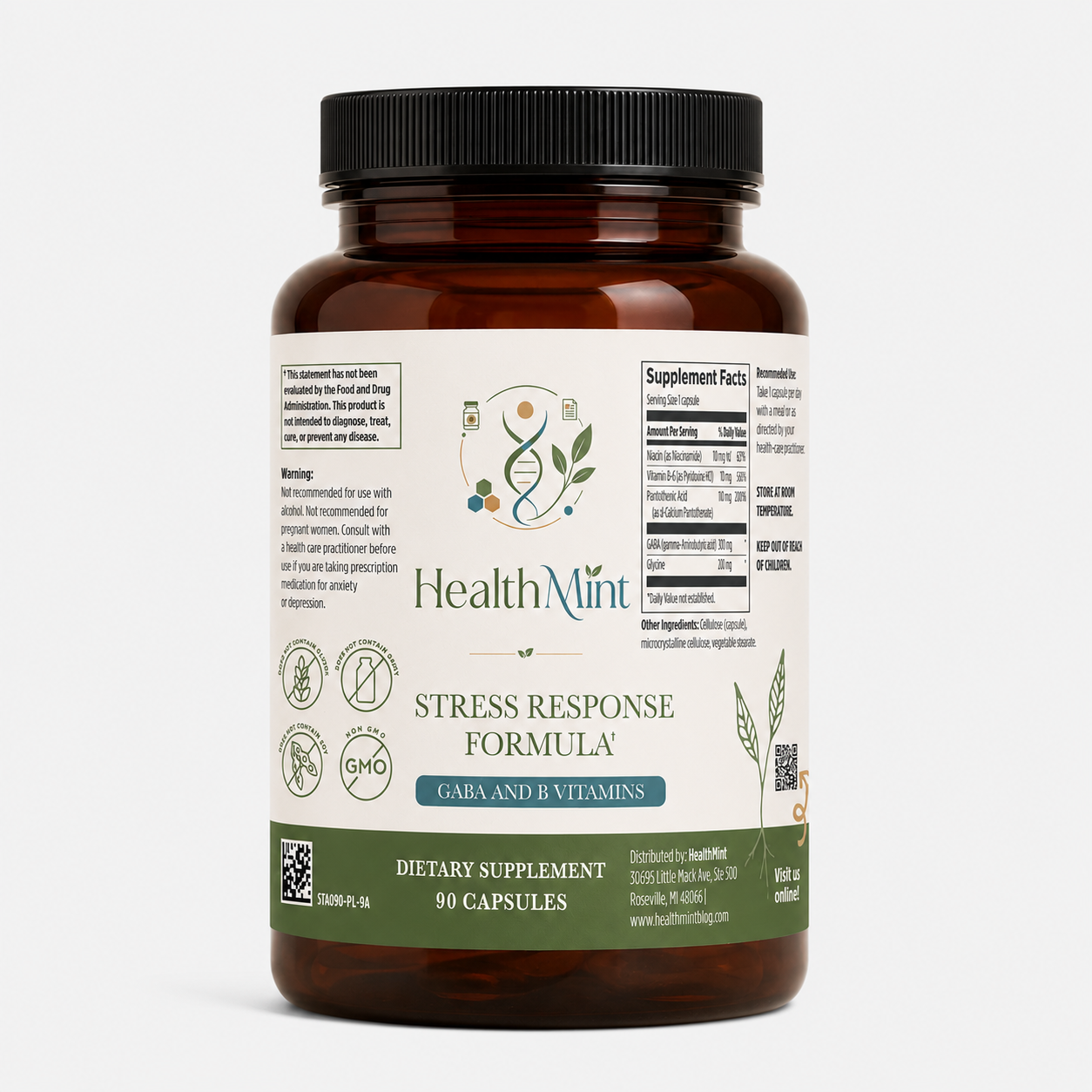
Modern life rarely slows down. Deadlines stack. Schedules tighten. The body’s stress response keeps running long after the moment has passed. Over time, that constant low-grade pressure can leave you feeling wired, drained, and disconnected from your own sense of calm.
The Stress Response Formula was built to help your body meet those demands with greater resilience.
It is a synergistic blend of GABA, glycine, and key B vitamins, thoughtfully formulated to support a healthy response to stress.* The B vitamins inside, including Niacin, Vitamin B6, and Pantothenic Acid, are essential cofactors for adrenal function, cellular energy production, and neurotransmitter synthesis, all of which can be taxed during periods of heightened stress.* GABA and glycine, two calming amino acids that act as inhibitory neurotransmitters, help support a sense of calm and relaxation when daily life feels anything but.*
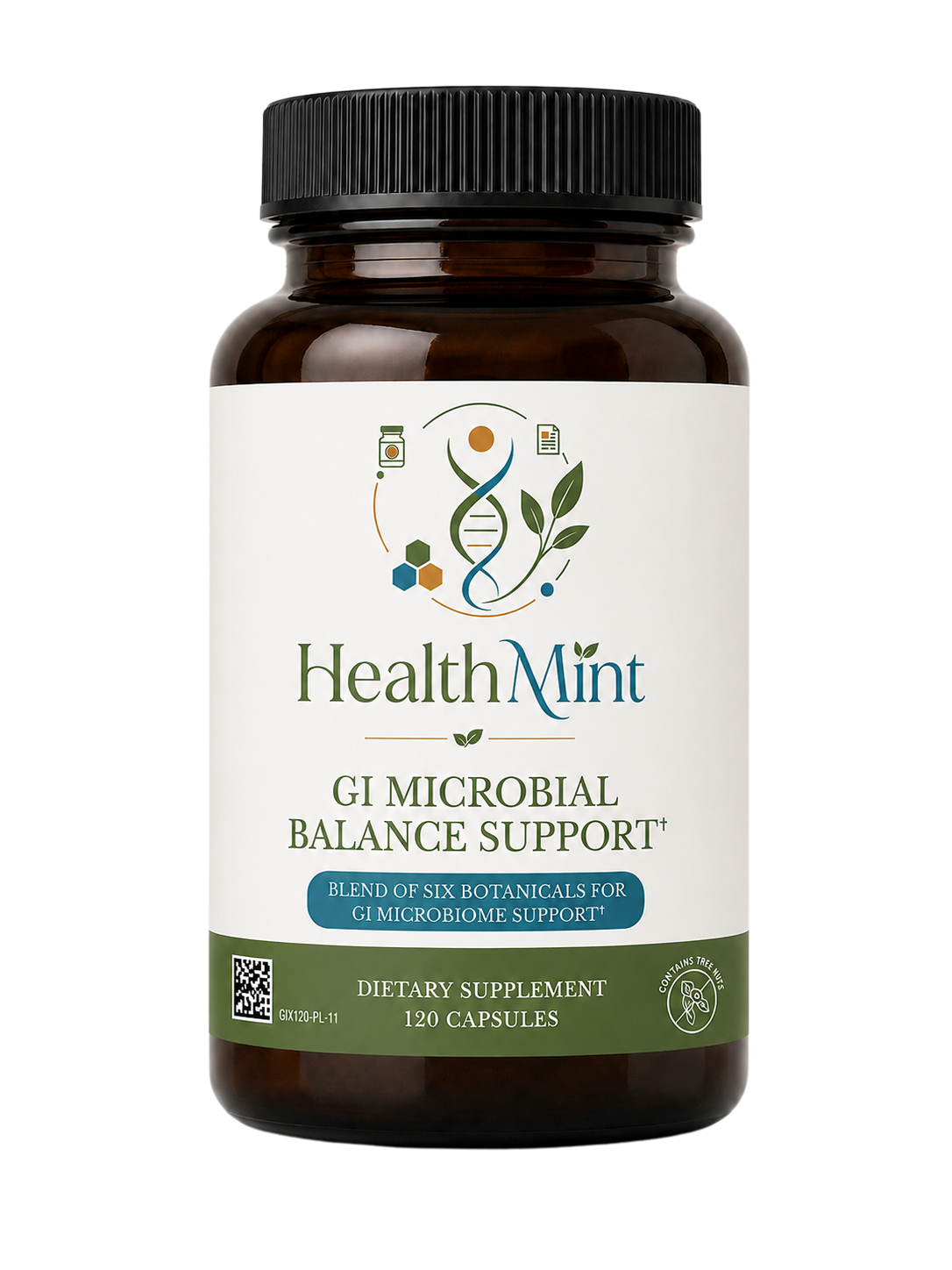
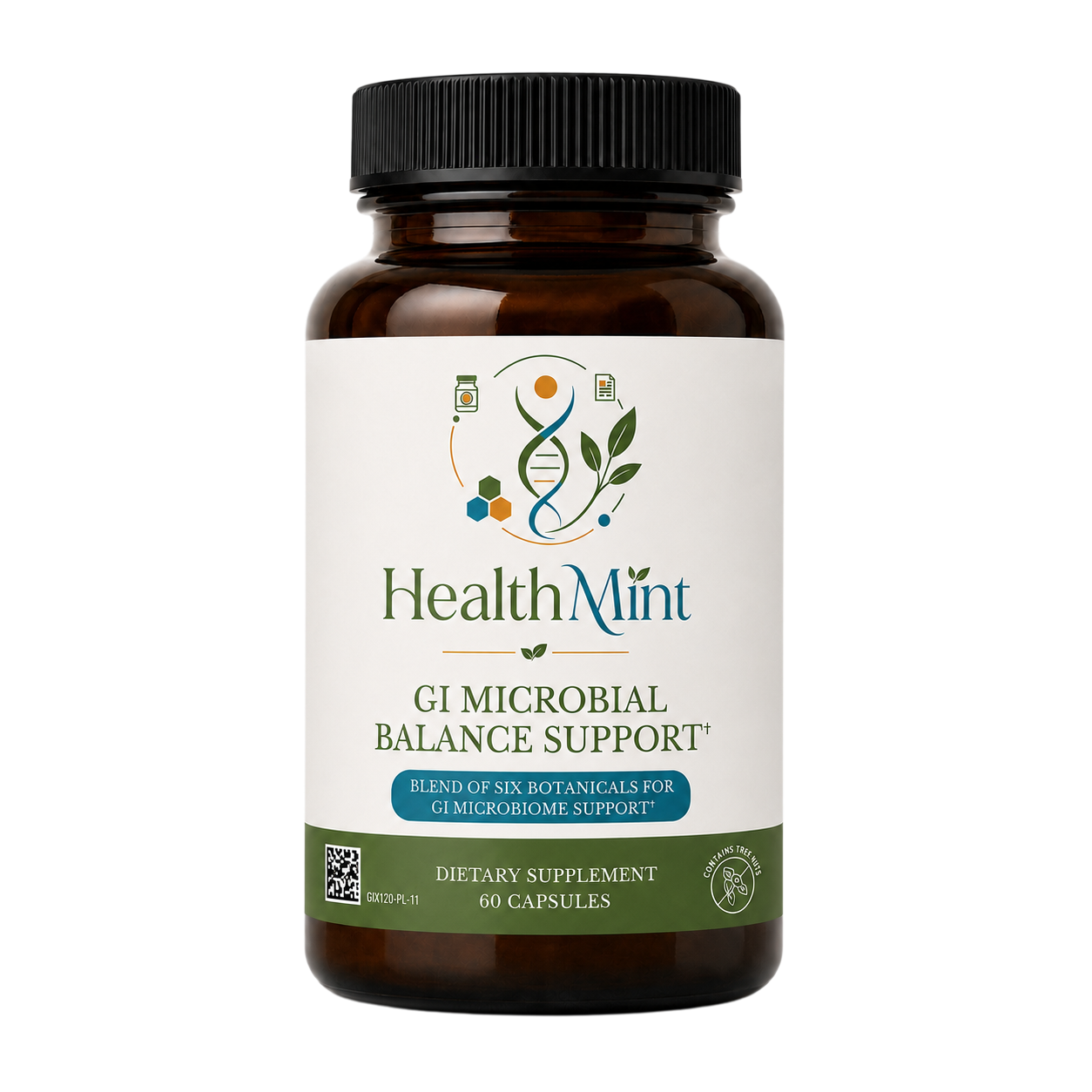
GI Microbial Balance Support is a thoughtfully crafted blend of botanical extracts drawn from traditions of herbal practice spanning centuries and cultures.* It brings together ingredients with long histories of traditional use in supporting gastrointestinal health, in a single once-daily capsule meant to be part of a comprehensive wellness routine.
Each capsule is designed to provide botanical support for a healthy gut environment and microbial balance, in a clean, considered formula made with non-GMO ingredients.*
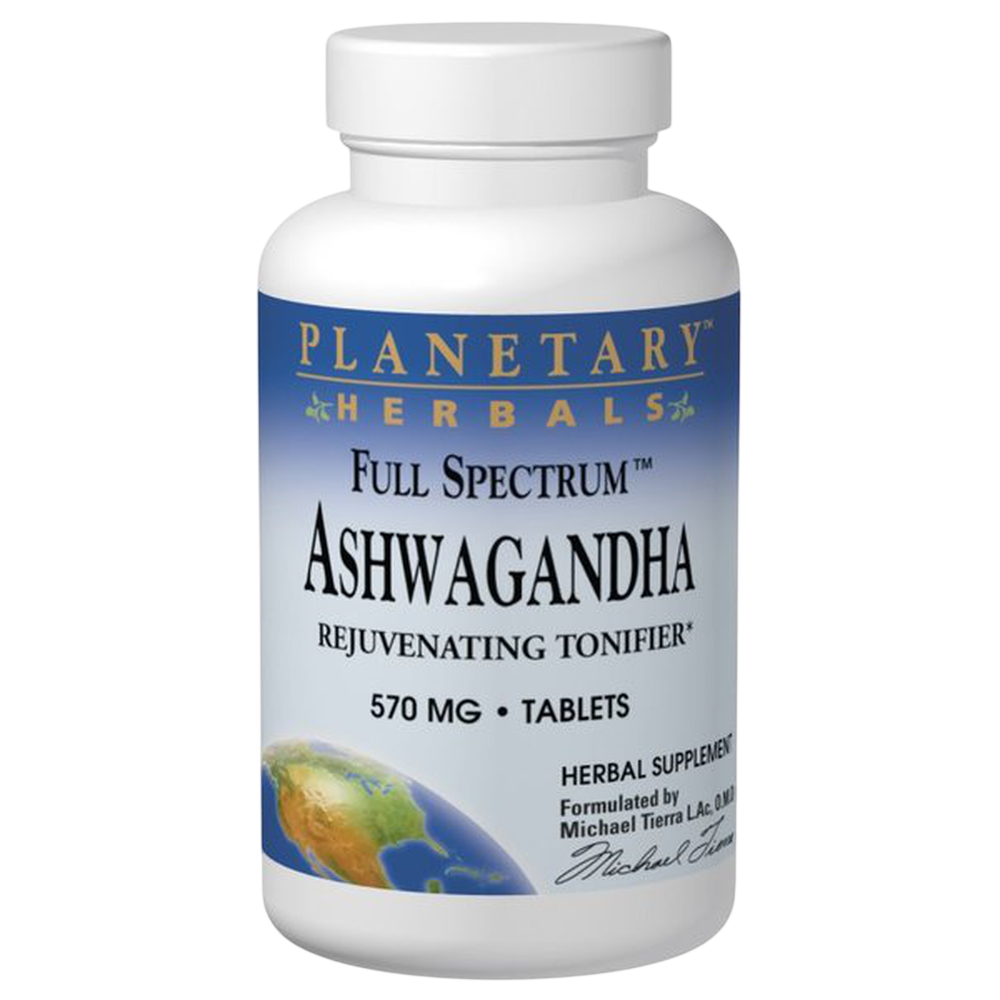
Modern life rarely slows down. Schedules tighten, demands pile up, and the body’s stress response runs longer than it was ever meant to. Over time, that constant low-grade pressure shows up everywhere, in your energy, your sleep, your focus, and your sense of calm. For thousands of years, traditional Ayurvedic practice has turned to one botanical above all others to help meet that pressure with steady, resilient calm: ashwagandha.
Ashwagandha, Full Spectrum brings that time-honored tradition into a clean, simple daily tablet.
It is a focused, single-ingredient formula featuring 570 mg of ashwagandha (Withania somnifera) per tablet, including both whole ashwagandha root and a concentrated root extract.* Ashwagandha is one of the most studied and widely used adaptogenic botanicals in the world, valued for its role in supporting the body’s healthy response to everyday stress, supporting a calm and relaxed mind, and supporting natural resilience.*
If you are looking for a clean, well-studied daily adaptogen to help meet the demands of modern life, this is where it begins.
