
Let’s Start by Throwing “Normal” Out the Window
If you’ve ever quietly wondered whether your level of sexual desire is too high, too low, or just plain off compared to everyone else’s, you’re in good company. It’s one of the most universal, most private concerns people carry around, and yet it rarely comes up in honest conversation.
Here’s the truth: there is no single version of normal when it comes to sexual desire. What’s typical for one person can feel completely foreign to another, and both experiences can be entirely healthy. The real question isn’t whether your desire matches some imaginary standard, but whether it’s working for you and the life you want to live.
That said, understanding what shapes libido, and why it shifts, is genuinely useful. Because when you know the levers, you have a lot more power to influence them.
Why This Actually Matters (More Than You Might Think)
Sexual desire doesn’t exist in a vacuum. It’s deeply tied to your physical health, emotional well-being, relationship satisfaction, hormonal balance, and even how you feel about yourself on a Tuesday afternoon.
When desire drops unexpectedly or feels chronically mismatched with your partner’s, it can quietly erode confidence, create distance in relationships, and become a source of real distress. On the flip side, a sudden spike in libido can signal something worth paying attention to, too.
Beyond the bedroom, desire is a kind of vital sign. Research consistently shows that people who report satisfying intimate lives tend to have lower rates of depression and anxiety, better cardiovascular health, stronger immune function, and higher overall quality of life. This isn’t about frequency. It’s about the connection between sexual vitality and whole-body health.
So if your desire has changed, or you’ve always felt out of step with what you imagine everyone else is experiencing, it’s worth understanding why. Not to fix yourself, but to know yourself better.
The Biology Behind the Want: What’s Actually Happening in Your Body
Sexual desire is a full-body, full-brain experience, not just a flicker in one spot. Several interlocking systems drive it.
Your brain is the primary sex organ. The hypothalamus sits at the command center of desire, regulating the release of hormones that fuel libido. Dopamine, the neurotransmitter most associated with motivation, reward, and pleasure-seeking, is a primary driver of wanting. When dopamine pathways are functioning well, you feel that pull toward connection and intimacy. When they’re disrupted by stress, depression, or certain medications, desire dims.
Testosterone Does the Heavy Lifting for Everyone. Most people associate testosterone with men, but women rely on it too, in smaller amounts. In both sexes, testosterone is the primary hormonal driver of sexual desire. It peaks in early adulthood, then gradually declines with age: more steeply and abruptly in women after menopause, more gradually in men over the decades. Even small drops in testosterone can noticeably affect how often you think about sex and how easily arousal comes.
Estrogen sets the stage. In women, estrogen keeps vaginal tissue healthy, supports lubrication, and plays a supportive role in maintaining sexual responsiveness. When estrogen drops, as it does postpartum or during perimenopause, the physical experience of sex can become uncomfortable, which in turn cools desire.
Your nervous system is the gatekeeper. Think of libido as having two pedals: an accelerator and a brake. The accelerator responds to signals of safety, attraction, and connection. The brake responds to threat, stress, distraction, shame, pain, and overwhelm. For some people, the accelerator is highly responsive. For others, the brake is very sensitive. Neither is a defect; they’re just different nervous system configurations. Understanding your personal brake-and-accelerator balance helps explain how you experience desire in different circumstances.
Cortisol: The Desire Thief. When the body is under chronic stress, cortisol remains chronically elevated. This suppresses the hypothalamic-pituitary-gonadal axis, the hormonal chain of command that produces sex hormones, essentially telling the body that now is not the time to reproduce or connect. In evolutionary terms, this makes sense. In modern life, where stress is constant but rarely life-threatening, it means a lot of people are walking around with biologically suppressed desire simply because they’re overwhelmed.
The Spectrum Is Wider Than You Think: What Research Actually Shows
Studies consistently find enormous variation in how often people experience sexual desire, and almost all of it falls within a healthy range.
Some people think about sex multiple times a day. Others think about it rarely and feel completely fine about that. Some notice strong physical arousal before any mental interest in sex. Others only become interested once they’re already in an intimate situation. Researchers call this “responsive desire,” as opposed to “spontaneous desire.” Neither pattern is superior; they just describe how the accelerator gets triggered.
Age shifts things considerably. Desire tends to be highest in early adulthood, then softens in the 30s and 40s as career pressure, parenting responsibilities, and hormonal changes converge. It often reawakens in the 50s and 60s for people whose hormones are well supported and who have time, privacy, and a partner they feel genuinely connected to.
Relationship length matters, too. The neurochemistry of new attraction, flooded with dopamine and norepinephrine, is biologically unsustainable. The brain literally can’t maintain that state. After a year or two, desire often recalibrates to a quieter baseline, which many people misinterpret as a problem with the relationship or their partner. It’s not. It’s neurobiology doing exactly what it’s designed to do.
It’s also worth knowing that women are slightly more likely to experience responsive desire, needing context, emotional connection, or physical touch before desire emerges. At the same time, men are statistically more likely to experience spontaneous desire. But these are population tendencies, not rules. There’s enormous individual variation, and plenty of men experience primarily responsive desire while plenty of women experience desire that arrives uninvited.
Five Practical Things That Move the Needle
If you want to support a healthy, consistent libido, these factors are well-supported by both research and clinical experience.
1. Prioritize Sleep as Your Hormones Depend on It, Because They Do.
Even a single week of sleeping fewer than six hours per night measurably lowers testosterone in men. Deep, quality sleep helps the body restore hormonal balance, reset stress chemistry, and consolidate the emotional regulation that makes intimacy feel accessible. Most adults need seven to nine hours. This is non-negotiable for sexual health.
2. Exercise, But Don’t Overdo It.
Regular moderate exercise raises testosterone levels, improves circulation to the sexual organs, lowers cortisol levels, and boosts body confidence. Strength training in particular supports healthy testosterone levels in both men and women. However, extreme endurance exercise without adequate recovery can suppress sex hormones significantly. The sweet spot is consistency and balance, not maximum output.
3. Examine Your Relationship with Stress Honestly.
Chronic stress is one of the most underappreciated libido suppressors. If you notice your desire drops when you’re overwhelmed, that’s your body’s brake pedal working exactly as designed, just perhaps more than you’d like. Practices that genuinely lower cortisol over time (yoga, meditation, time in nature, breathwork, adequate rest, and therapy) have real downstream effects on desire.
4. Look at What You’re Eating and Drinking.
A diet high in processed foods and refined sugar promotes systemic inflammation, which is correlated with lower sex hormone production. Zinc, found in oysters, pumpkin seeds, and red meat, supports testosterone synthesis. Healthy fats, from avocados, olive oil, and fatty fish, provide the building blocks for steroid hormone production. Excessive alcohol, meanwhile, is a direct testosterone suppressant and dampens the nervous system’s ability to experience arousal.
5. Create Conditions for Desire, Rather Than Waiting for It to Appear.
This is especially important for people with predominantly responsive desire. Desire doesn’t always arrive spontaneously; sometimes it needs to be invited. That means reducing friction by maintaining privacy, avoiding exhaustion, and avoiding conflict with your partner. It also means building anticipation and prioritizing non-goal-oriented physical affection. Desire follows engagement more reliably than it leads it.
Lifestyle Strategies Worth Building In
Some of the most effective long-term strategies for a healthy libido aren’t dramatic interventions; they’re small shifts that compound over time.
Mind the relationship between you and your body. Negative body image is one of the most powerful brakes on desire, particularly for women. This doesn’t mean chasing a certain body; it means shifting attention toward what your body does and feels, rather than how it looks. Physical movement, somatic practices, and therapeutic work around body perception can meaningfully improve sexual confidence and interest.
Tend to relationship health as its own practice. Emotional safety with a partner is foundational to desire for many people. Resentment, unresolved conflict, poor communication, and emotional disconnection reliably suppress libido, and no supplement or hormone cream will override a relationship that feels unsafe or unsatisfying. Couples therapy, intentional time together, and deliberate communication about needs and preferences are legitimate and effective libido supports.
Limit pornography if you’re noticing a disconnect. Emerging research suggests that heavy use of pornography can desensitize the brain’s dopamine reward pathways, making real-life intimacy feel less stimulating by comparison. This isn’t a moral argument; it’s a neurological one. If you notice you’re more interested in digital stimulation than a real partner, it may be worth taking a deliberate break and observing what changes.
Pay attention to your medications. Antidepressants (particularly SSRIs), hormonal contraceptives, blood pressure medications, and antihistamines can all suppress sexual desire as a side effect. This is extremely common and extremely underreported. If your desire changed when you started a medication, that’s worth a direct conversation with your prescribing physician. Alternatives often exist.
Nutritional and Supplement Support: What’s Worth Knowing
Certain nutrients and botanical compounds have meaningful, research-backed roles in supporting the hormonal and neurological systems that drive sexual desire.
Zinc and magnesium are foundational; both are critical for testosterone production, and deficiency in either is surprisingly common in modern diets. Vitamin D functions more like a hormone than a vitamin, and low levels are strongly correlated with reduced testosterone in both men and women.
Adaptogenic herbs, particularly ashwagandha and rhodiola, have been shown to lower cortisol and support healthy hormonal balance over time. Ashwagandha specifically has shown promising results in clinical trials for improving sexual function and desire in both men and women.
Maca root, used for centuries in traditional Andean medicine, has a small but growing body of clinical evidence supporting its role in improving libido, particularly in women experiencing menopause-related changes.
For men, Tribulus terrestris and Panax ginseng have been studied for their effects on testosterone and erectile function with generally positive results, though evidence quality varies.
High-quality, practitioner-grade formulations matter enormously here. The supplement industry is poorly regulated, and the levels of active compounds in commercial products vary widely. If you’re considering targeted supplementation, working with a healthcare practitioner to choose evidence-based products in therapeutic doses is always the better approach.
The Takeaway
Sexual desire is not a fixed trait. It’s a dynamic, responsive expression of your overall health, shaped by hormones, neurotransmitters, stress, sleep, relationships, beliefs, medications, and the culture you’ve grown up in. It changes across the lifespan, shifts with circumstances, and responds, sometimes dramatically, to how you’re living.
There is no single right frequency, no universal level of spontaneous interest, no universal experience that counts as normal. What matters is whether your desire feels congruent with who you are, whether it supports connection and intimacy in the way you want, and whether any changes you’ve noticed have a reason worth understanding.
If your libido has shifted in a way that bothers you, that’s information, not a verdict. The systems that drive desire are, for most people, quite responsive to the right inputs. Sleep, stress management, movement, nutrition, relationship health, and targeted support, where indicated, can all meaningfully move the needle.
You don’t have to accept a flat line as your new baseline. You just have to start asking better questions.
References and Further Reading
Bancroft, J. (2009). Human Sexuality and Its Problems (3rd ed.). Elsevier.
Basson, R. (2000). The female sexual response: A different model. Journal of Sex & Marital Therapy, 26(1), 51–65.
Brotto, L. A. (2010). The DSM diagnostic criteria for hypoactive sexual desire disorder in women. Archives of Sexual Behavior, 39(2), 221–239.
Corona, G., et al. (2016). Testosterone supplementation and sexual function: A meta-analytic study. Journal of Sexual Medicine, 13(10), 1–17.
Leproult, R., & Van Cauter, E. (2011). Effect of 1 week of sleep restriction on testosterone levels in young healthy men. JAMA, 305(21), 2173–2174.
Meston, C. M., & Buss, D. M. (2007). Why humans have sex. Archives of Sexual Behavior, 36(4), 477–507.
Pfaus, J. G. (2009). Pathways of sexual desire. Journal of Sexual Medicine, 6(6), 1506–1533.
Shindel, A. W., & Goldstein, I. (2012). Sexual dysfunction in the United States. Urologic Clinics of North America, 39(1), 1–14.
Welling, L. L. M. (2013). Psychobehavioral effects of hormonal contraceptive use. Evolutionary Psychology, 11(3), 718–742.
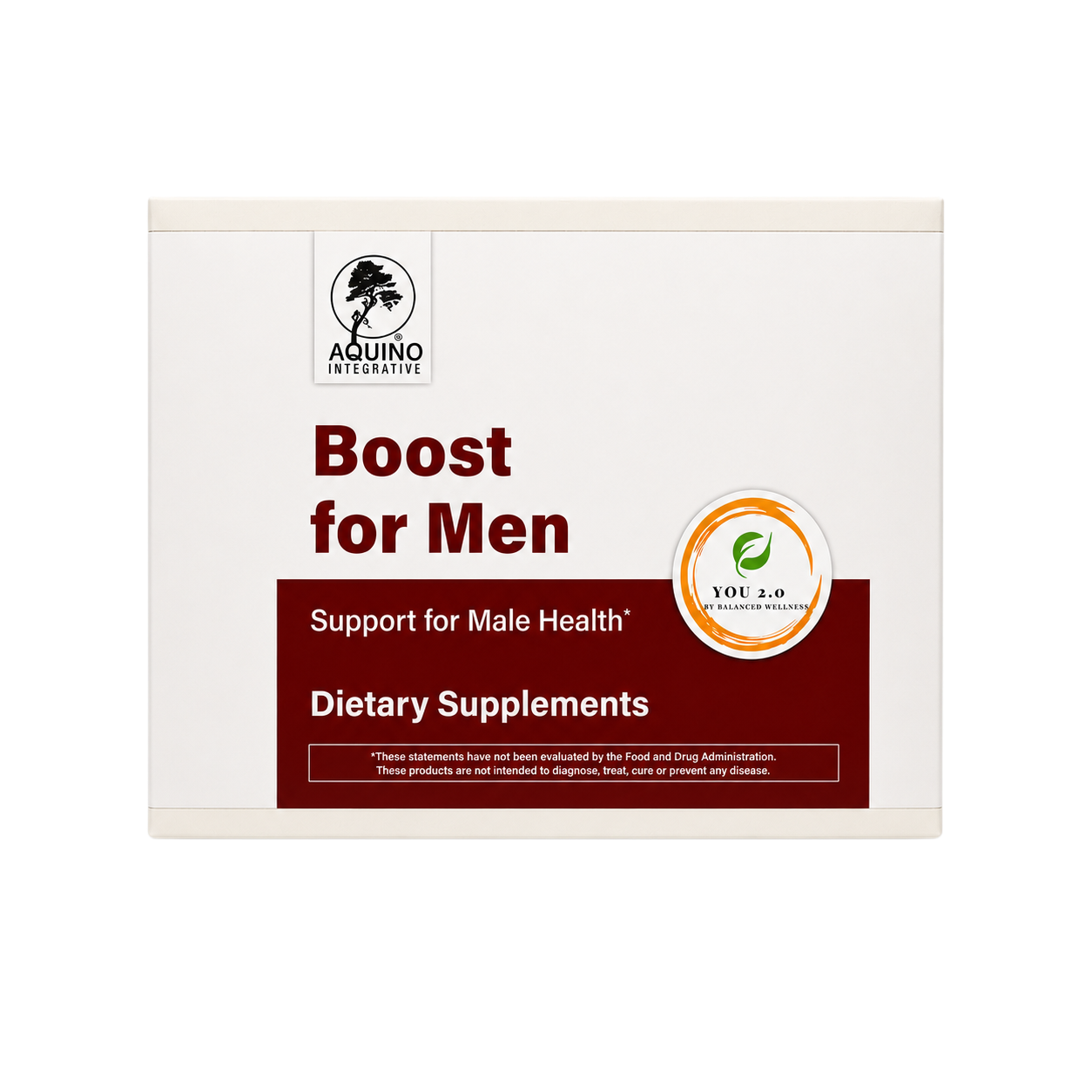
Reclaim your edge. Two powerful formulas. One daily ritual.
Somewhere after 40, a lot of men feel the shift. Energy that doesn't bounce back the way it used to. Drive that takes more effort to summon. A body that simply asks for a little more support to keep performing like it always has.
Boost for Men was built for exactly that moment.
This two-part system pairs Male Support and Nitric Oxide, two formulas designed to work together to help you feel strong, energized, and like yourself again.* No fillers you can't pronounce. No artificial colors, sweeteners, or preservatives. Just clean, thoughtfully sourced ingredients, independently tested for purity and potency.
If you're ready to stop settling for "fine," this is where it starts.
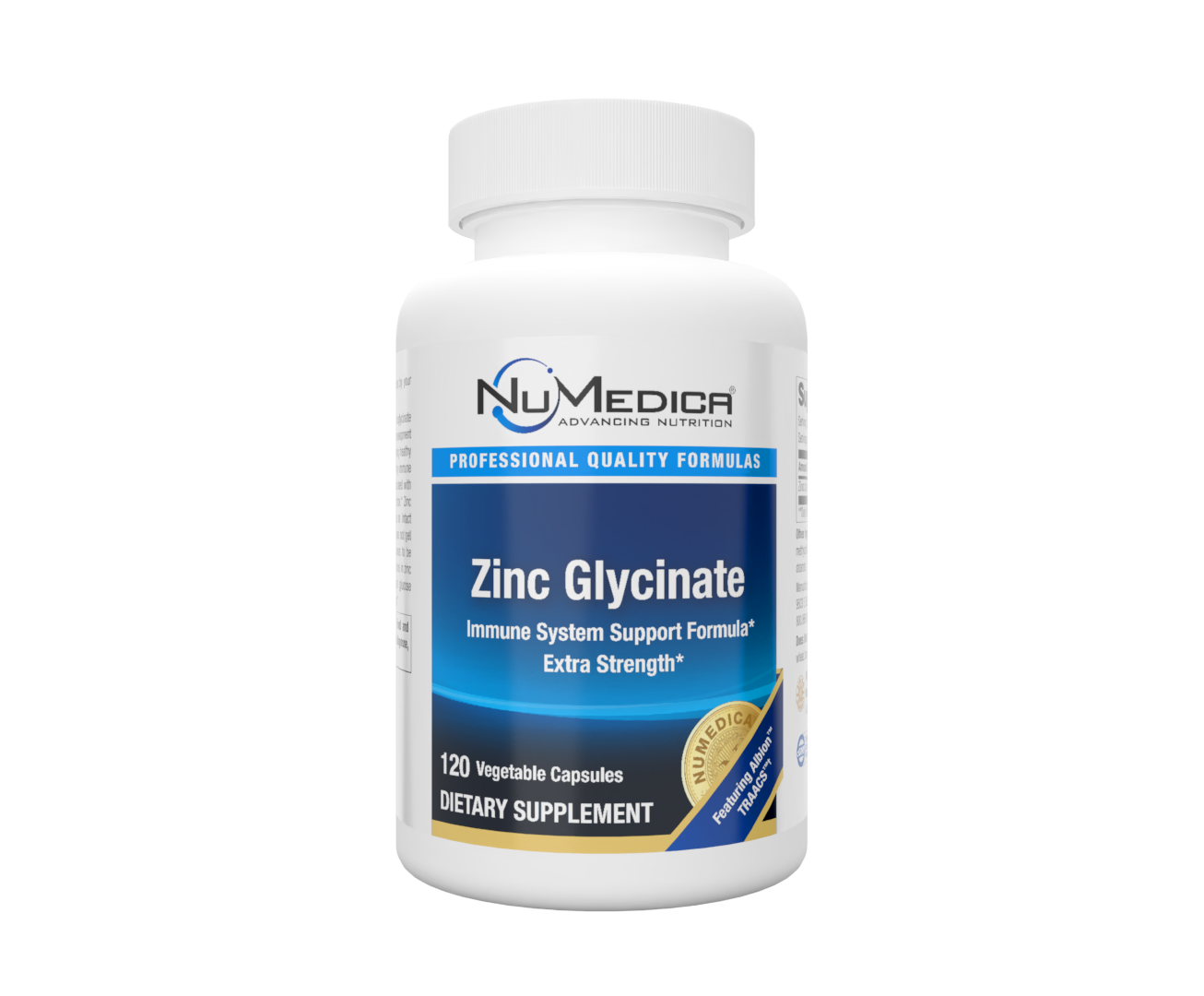
Zinc Glycinate features the fully reacted TRAACS® zinc bisglycinate chelate by Balchem Corporation. Zinc is essential for the development and proper functioning of the reproductive organs, including healthy prostate function, and has been shown to support healthy immune system function.* Zinc also supports enzyme activity associated with tissue synthesis, energy metabolism, and bone mineralization.* Zinc Glycinate is readily bioavailable and easily absorbed as an intact chelate.* It is superior to other forms of zinc because it does not get ionized in the gut before it is absorbed.* Instead, it appears to be metabolized in the body right at the target tissue.* Deficiencies in zinc can lead to an impaired immune system, decreased glucose metabolism, hormonal imbalance and slower wound healing.*
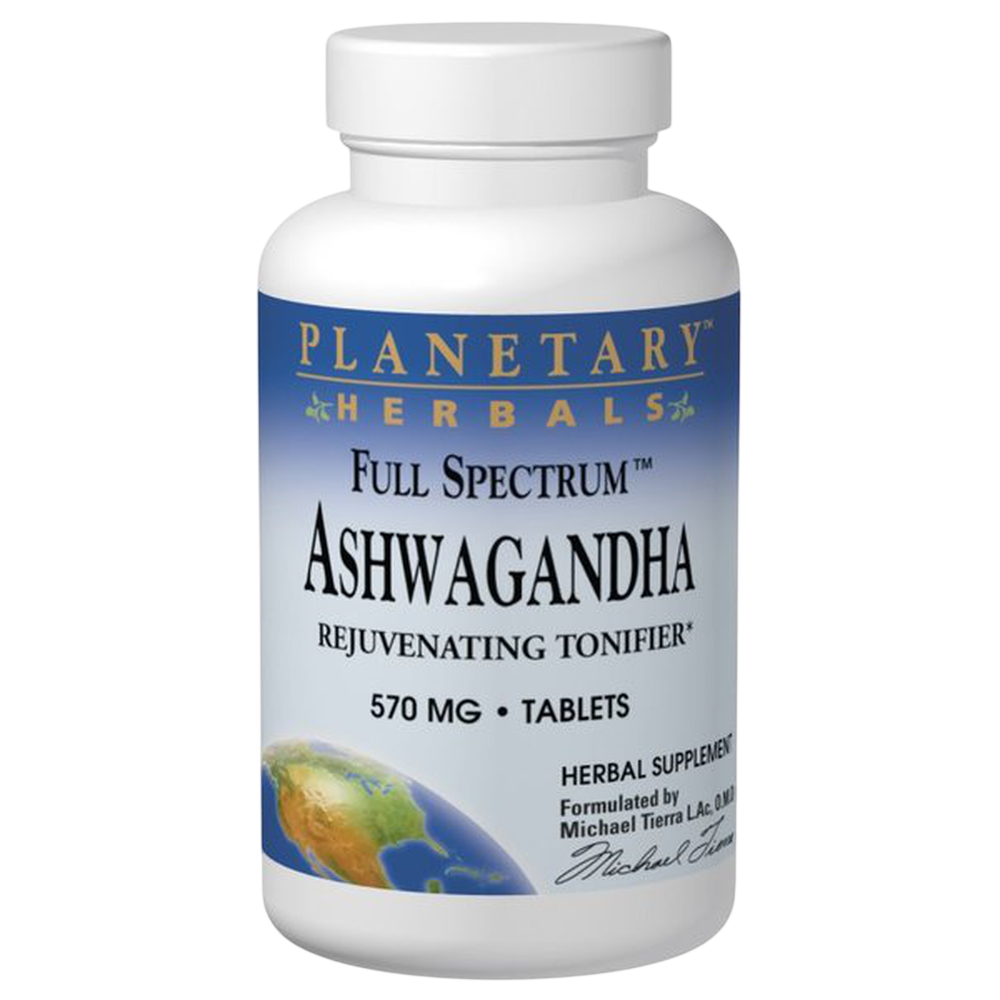
Modern life rarely slows down. Schedules tighten, demands pile up, and the body’s stress response runs longer than it was ever meant to. Over time, that constant low-grade pressure shows up everywhere, in your energy, your sleep, your focus, and your sense of calm. For thousands of years, traditional Ayurvedic practice has turned to one botanical above all others to help meet that pressure with steady, resilient calm: ashwagandha.
Ashwagandha, Full Spectrum brings that time-honored tradition into a clean, simple daily tablet.
It is a focused, single-ingredient formula featuring 570 mg of ashwagandha (Withania somnifera) per tablet, including both whole ashwagandha root and a concentrated root extract.* Ashwagandha is one of the most studied and widely used adaptogenic botanicals in the world, valued for its role in supporting the body’s healthy response to everyday stress, supporting a calm and relaxed mind, and supporting natural resilience.*
If you are looking for a clean, well-studied daily adaptogen to help meet the demands of modern life, this is where it begins.
