
More Than Just Kegels: Here’s What Your Pelvic Floor Is Really Doing
If you’ve heard of the pelvic floor at all, it was probably in the context of pregnancy, postpartum recovery, or those Kegel exercises your doctor mentioned once and never fully explained. But here’s the thing: your pelvic floor is quietly running the show for a whole lot more than you’ve been told.
Bladder leaks. Painful sex. Chronic pelvic pressure. The inability to fully empty your bowels. Even low back pain. These aren’t just random inconveniences. They’re often your pelvic floor sending up a distress signal.
This is the article that demystifies it all: what this structure actually is, why it goes wrong, and what you can do about it.
Why This Conversation Matters (And Why We’re Not Having It Enough)
Pelvic floor dysfunction is one of the most undertreated conditions in both women and men. Studies suggest that roughly one in three women will experience some form of pelvic floor disorder in her lifetime, and yet a significant portion never seek treatment. Often this is because they don’t realize what they’re experiencing has a name, a cause, and a solution.
The silence around this topic is costing people their quality of life. Many people quietly manage leakage with pads, avoid intimacy because of pain, or chalk up their symptoms to “just getting older.” None of this has to be your norm.
And while the research has historically focused more on women (particularly around childbirth), pelvic floor dysfunction absolutely affects men too, showing up as urinary urgency, post-prostate-surgery incontinence, painful ejaculation, or chronic pelvic pain.
This matters for everyone.
Meet Your Pelvic Floor: The Hammock You Never Think About
Picture a hammock. Not the kind you lounge in on vacation, but a dynamic, muscular one strung between your tailbone at the back and your pubic bone at the front, with the two sit bones on either side. That hammock is your pelvic floor. It forms the base of your core, and it’s doing a remarkable amount of work, all day, every day.
Here’s what it’s responsible for:
Bladder and bowel control. The pelvic floor muscles wrap around the urethra and rectum, and their ability to contract and relax on cue is what keeps you continent. This means you get to decide when you go, rather than your body deciding for you.
Sexual function. These muscles are directly involved in arousal, sensation, and orgasm, and in men, they also govern erectile function and ejaculation. A pelvic floor that’s too tight or too weak will affect all of the above.
Core stability and posture. The pelvic floor doesn’t work alone. It functions as part of a team that includes the diaphragm (your breathing muscle), the deep abdominals, and the deep spinal muscles. Together, they form your inner core: a pressure-management system that stabilizes the spine with every movement, breath, and lift.
Supporting your pelvic organs. The uterus, bladder, and rectum all rest on and are supported by the pelvic floor. When that support weakens, organs can shift downward, a condition known as pelvic organ prolapse.
What’s important to understand is that this group of muscles needs to be both strong and flexible. A pelvic floor that can only contract but can’t fully relax is just as problematic as one that’s weak. This is why the conversation around pelvic health is always more nuanced than “just do your Kegels.”
When Things Go Wrong: The Two Faces of Pelvic Floor Dysfunction
Pelvic floor dysfunction broadly falls into two categories, each requiring a very different approach.
The Underactive Pelvic Floor
This is the pattern most people associate with pelvic floor problems: weak muscles, poor neuromuscular control, or damage to the pelvic floor through childbirth, surgery, or trauma. Signs include:
Leaking urine when you cough, sneeze, laugh, or exercise (stress incontinence)
Feeling a sudden, overwhelming urge to urinate that’s hard to suppress (urge incontinence)
A feeling of heaviness, bulging, or pressure in the pelvic region (which may indicate prolapse)
Reduced sensation during sex
Difficulty achieving orgasm
Childbirth is a major contributor here, particularly vaginal deliveries involving long pushing stages, large babies, or perineal tearing and episiotomies. Hormonal shifts around menopause (when falling estrogen levels reduce tissue elasticity and strength), chronic heavy lifting with poor technique, and prolonged high-impact activity without adequate recovery can all play a role as well.
The Overactive (Hypertonic) Pelvic Floor
This pattern is less talked about but arguably more misunderstood. An overactive pelvic floor isn’t a strong one; it’s a tense one. The muscles are chronically contracted and can’t fully let go, which creates its own set of problems.
This pattern is strongly associated with:
Painful intercourse (dyspareunia) or vaginismus, where penetration is difficult or impossible due to involuntary muscle spasm
Chronic pelvic pain or pressure
Painful periods
Difficulty initiating urination or a weak, interrupted stream
Incomplete bowel emptying or constipation
Tailbone pain (coccydynia)
Stress and trauma, both physical and psychological, are deeply connected to pelvic floor hypertonicity. The pelvic floor is a site where the body stores tension, and for many people, chronic stress, anxiety, a history of sexual trauma, or even long periods of sitting in a guarded or compressed posture all contribute to this pattern.
Interestingly, some people present with a mixed picture, where certain parts of the pelvic floor are weak while others are tight. This is part of why a proper assessment by a trained pelvic floor physiotherapist is genuinely invaluable.
The Science Beneath the Surface: What’s Actually Happening in Your Tissues
Understanding physiology helps explain why symptoms develop and how to approach them.
Connective tissue and fascia. The pelvic floor muscles are embedded within a web of connective tissue (fascia, ligaments, and tendons) that connects to the bony pelvis, the spine, and the surrounding organs. This network transfers load and distributes force. When it’s disrupted by childbirth, surgery, or accumulated tension, force transfer is altered, leading to compensatory patterns throughout the system.
The pudendal nerve. This is the primary nerve supplying sensation and motor control to the pelvic floor, perineum, and genitals. When the pelvic floor is chronically tense or compressed, pudendal nerve irritation can develop, contributing to burning, aching, or hypersensitivity across the entire region, including the genitals, rectum, and inner thighs.
The pelvic floor and diaphragm relationship. Here’s a concept that surprises many people: your pelvic floor and your diaphragm for breathing move together with every breath. When you inhale, the diaphragm descends, and the pelvic floor gently lengthens downward. When you exhale, both ascend. If you habitually hold your breath, breathe shallowly into your chest, or brace your abdominals constantly (common in people with anxiety or those focused on “core engagement”), you disrupt this rhythm, and your pelvic floor pays the price.
Hormonal influence. Estrogen is essential for maintaining the health, tone, and lubrication of pelvic tissues. The sharp decline in estrogen during perimenopause and menopause causes a thinning and drying of the vaginal and urethral tissues (genitourinary syndrome of menopause), which contributes significantly to both urinary symptoms and pain during sex. Testosterone also plays a role in pelvic tissue health in both men and women.
Practical Steps That Actually Move the Needle
1. Get a Pelvic Floor Physiotherapy Assessment
This is the single highest-yield step you can take. A pelvic floor physiotherapist is trained to assess the strength, tone, coordination, and sensitivity of your pelvic floor muscles through internal assessment. This is information you simply cannot get from a questionnaire or a general fitness assessment. Based on their findings, they can create a specific rehabilitation program that addresses your actual pattern (tight, weak, or both), rather than a generic protocol.
If your pelvic floor is overactive, being told to do Kegels is not only unhelpful; it can make things significantly worse. Only an assessment can tell you which direction you need to go.
2. Learn to Coordinate, Not Just Contract
Pelvic floor rehabilitation isn’t just about squeezing harder. It’s about developing the full range of motion: learning to release and lengthen just as deliberately as you contract. Many people have essentially never consciously relaxed their pelvic floor and don’t even know what that feels like.
Helpful exercises for the relaxation component include:
Deep diaphragmatic breathing with pelvic floor release. Lying on your back, place one hand on your belly and consciously allow your belly to rise on the inhale while imagining your pelvic floor softening downward. On the exhale, let the floor gently lift.
Happy baby pose or a supported deep squat. These hip-opening positions allow gravity and gentle stretch to encourage pelvic floor lengthening.
Body scan and conscious release. This is a mindfulness-based practice of scanning for held tension in the pelvic region throughout the day.
3. Address Intra-Abdominal Pressure Habits
Many common behaviors dramatically increase downward pressure on the pelvic floor:
Straining on the toilet (using a stool to raise your feet into a squatting position unkinks the anorectal angle and makes elimination significantly easier)
High-impact exercise without adequate pelvic floor coordination, such as running, jumping, or heavy weightlifting
Chronic breath-holding during exertion
A persistent cough, which may indicate an underlying respiratory or allergy issue worth addressing
Learning to exhale during the exertion phase of exercise (the lift in a squat, the push in a plank) is a practical and effective way to manage this pressure.
4. Don’t Ignore Bladder Habits
Bladder health is intimately connected to pelvic floor function. Some practical guidelines:
Avoid “just in case” urinating. Going to the bathroom before you feel the urge trains the bladder to signal earlier and earlier, creating a pattern of urgency and frequency that is hard to reverse.
Aim to urinate every two to four hours during waking hours, which is generally considered a healthy range.
Stay well hydrated. Concentrated urine is more irritating to the bladder lining. Aim for pale straw-coloured urine.
Reduce known bladder irritants. Caffeine, alcohol, carbonated beverages, artificial sweeteners, and highly acidic foods are common culprits for urgency and frequency.
The Lifestyle Pieces That Support Everything Else
Sleep and stress. Chronic stress elevates cortisol and creates systemic muscle tension, including in the pelvic floor. Poor sleep amplifies pain sensitivity and impairs tissue repair. These aren’t soft lifestyle factors; they’re physiological inputs that directly affect your outcomes. Stress management practices, whether that’s breathwork, regular movement, therapy, or simply more rest, are legitimate therapeutic tools here.
Movement variety and posture. Long periods of sitting compress the pelvic floor and shorten the hip flexors, altering pelvic tilt and unevenly loading the floor. Regular movement breaks, hip mobility work, and attention to how you sit (avoiding prolonged slumping or perching on the edge of a chair) all matter over time.
Bowel health. The rectum sits directly adjacent to the vagina in women and shares fascial connections with the rest of the pelvic floor. Chronic constipation, including straining, incomplete emptying, and hard stools, is one of the most underappreciated drivers of pelvic floor dysfunction. A high-fiber diet (vegetables, legumes, fruits, whole grains), adequate hydration, regular movement, and addressing any underlying gut issues are all part of the picture.
Pelvic floor health during pregnancy and postpartum. Pregnancy places enormous demand on the pelvic floor throughout all three trimesters, not just during birth. Prenatal pelvic floor physiotherapy is among the most evidence-supported preventive strategies available. Postpartum, a return-to-exercise assessment with a pelvic floor specialist (rather than defaulting to a generic six-week clearance) is strongly recommended, especially before returning to running, high-intensity interval training, or heavy strength training.
Hormonal health. If you are peri- or postmenopausal and experiencing vaginal dryness, urinary symptoms, or painful sex, a conversation with your healthcare provider about genitourinary syndrome of menopause (GSM) is worthwhile. Local vaginal estrogen and other hormone-informed strategies can meaningfully restore tissue health and dramatically improve symptoms.
Nutritional and Supplement Support for Pelvic Floor Health
Targeted nutritional support can complement physical rehabilitation by addressing the underlying tissue health, inflammation, and hormonal environment that support the pelvic floor.
Key areas to consider:
Collagen and connective tissue support. The pelvic floor’s structural integrity depends on the quality of its collagen matrix. Collagen peptides, vitamin C (essential for collagen synthesis), and zinc all support connective tissue remodeling and repair, which is particularly relevant in the postpartum period or following pelvic surgery.
Magnesium. Magnesium plays a key role in muscle relaxation and neuromuscular function. For individuals with a hypertonic or overactive pelvic floor, low magnesium status may contribute to difficulty releasing chronic muscle tension. Magnesium also supports sleep quality and stress response, both of which are directly relevant to pelvic floor health. Magnesium glycinate or bisglycinate forms are generally well-tolerated and highly bioavailable.
Omega-3 fatty acids. Chronic pelvic pain often has an inflammatory component. Omega-3 fatty acids (EPA and DHA) help modulate the inflammatory response at the tissue level and support nerve health, including that of the pudendal nerve.
Vitamin D. Adequate vitamin D is essential for muscle function and immune regulation. Deficiency is associated with an increased risk of pelvic organ prolapse and urinary incontinence, and vitamin D receptors are found in pelvic floor muscle tissue.
Probiotics and gut health support. Given the close relationship between bowel function and pelvic floor health, supporting a healthy gut microbiome matters. A diet rich in prebiotic fibers and fermented foods forms the foundation, and targeted probiotic supplementation may be beneficial, particularly for those with constipation-predominant patterns or a history of antibiotic use.
Botanical support for hormonal transitions. For perimenopausal and postmenopausal women experiencing tissue changes that affect pelvic floor health, certain evidence-informed botanicals and nutraceuticals may support hormonal balance and tissue vitality. These are best selected in consultation with a qualified healthcare practitioner who can tailor recommendations to your individual needs.
High-quality, professional-grade supplements make a meaningful difference in clinical outcomes. Not all products are formulated, tested, or dosed equivalently. We carry a curated selection of professional-grade options available at our dispensary for those looking to support their pelvic floor health through nutrition.
The Bottom Line
Your pelvic floor is not a niche concern for postpartum women. It is a foundational structure that influences bladder control, sexual health, pain, core stability, and overall quality of life in everyone, across every decade of life.
The good news is that this is one of the most treatable areas within musculoskeletal and functional medicine. With the right assessment, appropriate rehabilitation, and lifestyle and nutritional support, the vast majority of people experience meaningful, often dramatic, improvement.
If you’ve been quietly managing symptoms, writing them off as inevitable, or simply not knowing where to turn, now you know where to start.
Key Takeaways
The pelvic floor is a group of muscles that form the base of the pelvis and are responsible for bladder and bowel control, sexual function, core stability, and organ support.
Dysfunction can present as weakness (leakage, prolapse, reduced sensation) or as overactivity (pelvic pain, painful sex, urgency), and these require different treatments.
Kegels are not always the answer, and for a tense pelvic floor, they can make things worse.
Breathing, bowel health, posture, stress, and hormonal health all directly influence pelvic floor function.
A pelvic floor physiotherapy assessment is the gold standard starting point for anyone experiencing symptoms.
Targeted nutritional support, including magnesium, omega-3 fatty acids, vitamin D, and collagen-supportive nutrients, can meaningfully complement physical rehabilitation.
*This article is intended for educational purposes and does not constitute medical advice. If you are experiencing pelvic floor symptoms, please consult a qualified healthcare provider or pelvic floor physiotherapist.
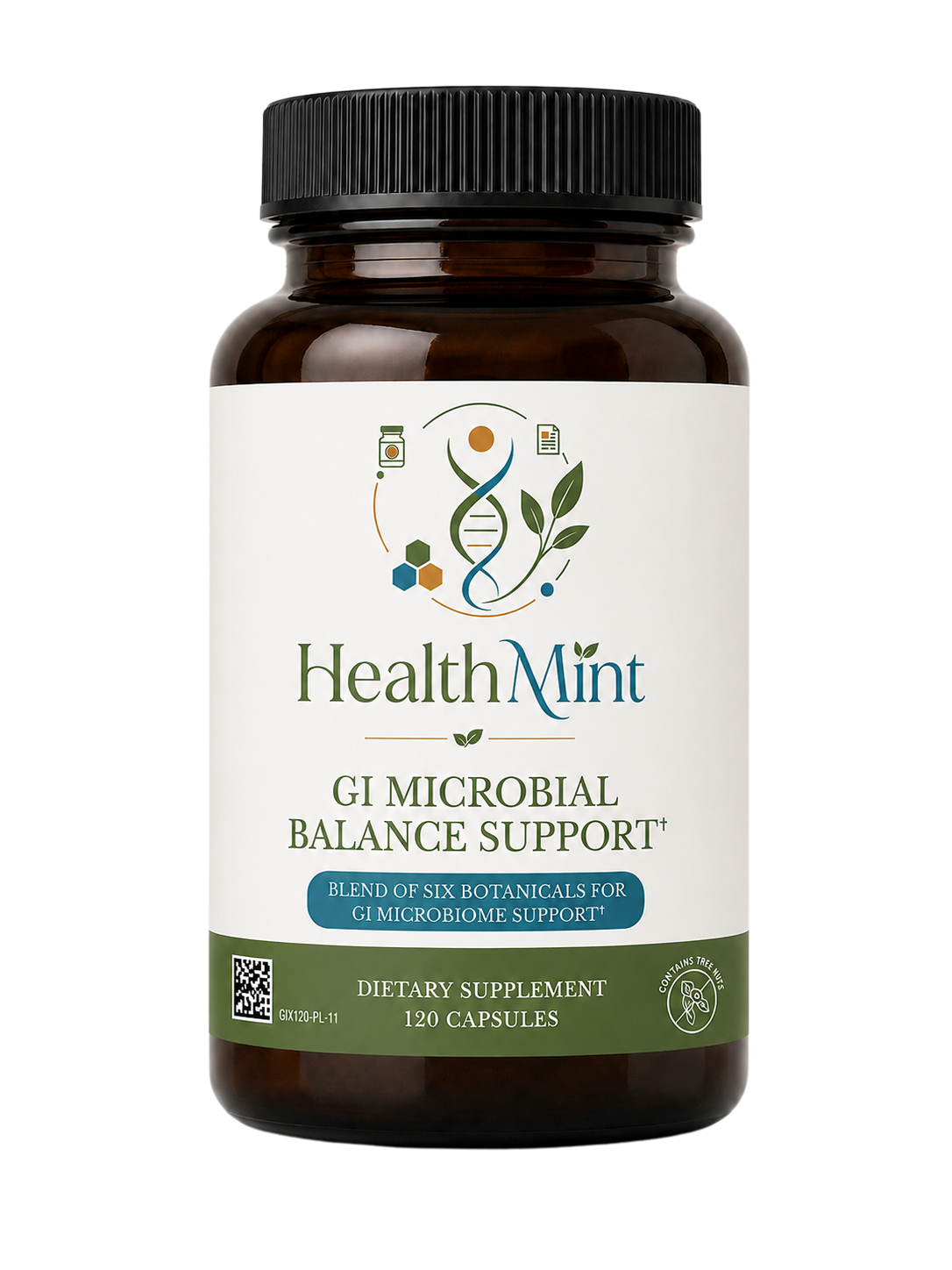
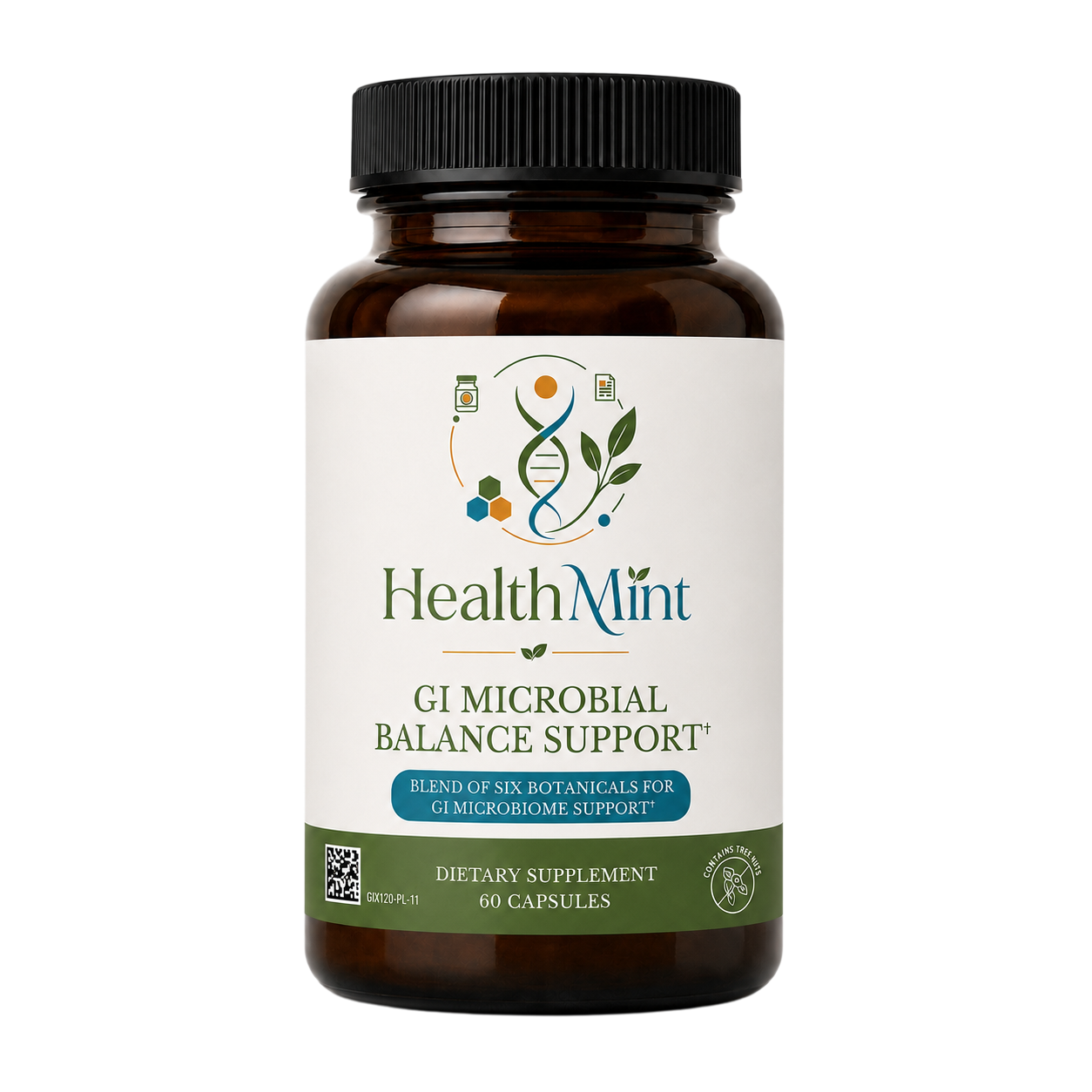
GI Microbial Balance Support is a thoughtfully crafted blend of botanical extracts drawn from traditions of herbal practice spanning centuries and cultures.* It brings together ingredients with long histories of traditional use in supporting gastrointestinal health, in a single once-daily capsule meant to be part of a comprehensive wellness routine.
Each capsule is designed to provide botanical support for a healthy gut environment and microbial balance, in a clean, considered formula made with non-GMO ingredients.*
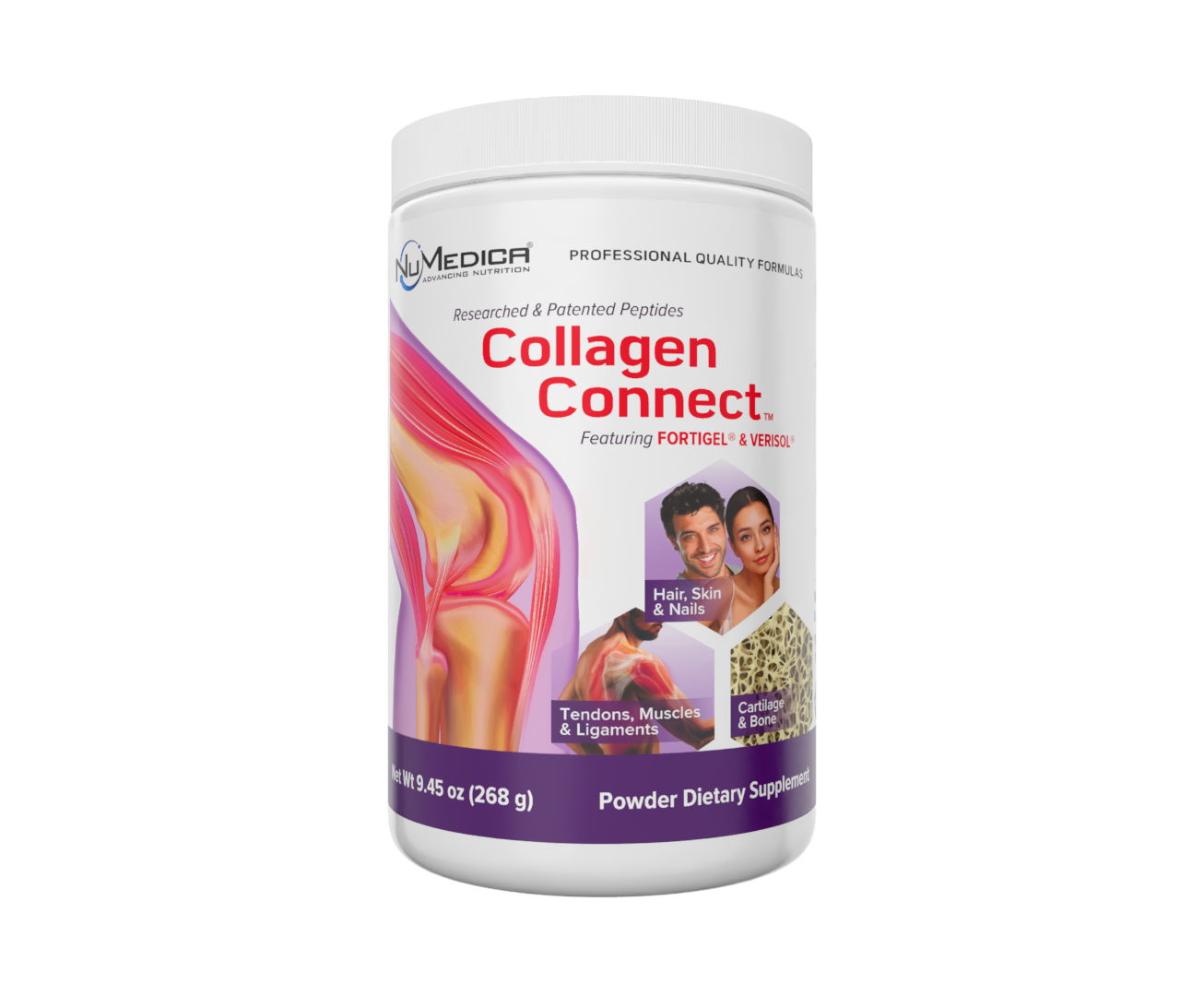
Collagen Connect™ is a flavorless collagen powder that can be added to food or beverages, hot or cold. This formula contains vitamin C, zinc, magnesium and two highly viable types of collagen peptides from bovine skin:
FORTIGEL® – Optimized specific collagen peptides of FORTIGEL® have been proven to activate the growth of new cartilage by stimulating cells, helping to make the joints smooth and mobile.* The effectiveness of FORTIGEL® has been scientifically proven in numerous studies.
VERISOL® – VERISOL® can help stimulate skin metabolism and counteract the loss of collagenous extracellular matrix from the inside.* The specific peptides of VERISOL® are recognized by the fibroblast cells in the dermal layer of the skin as collagen fragments like those resulting from catabolic activities. Therefore, they are stimulated to increase their collagen metabolism to counter-balance collagen degradation in the dermis. The result is a considerably higher production of dermal collagen and overall extracellular matrix, replacing what is lost through aging and environmental influences.*
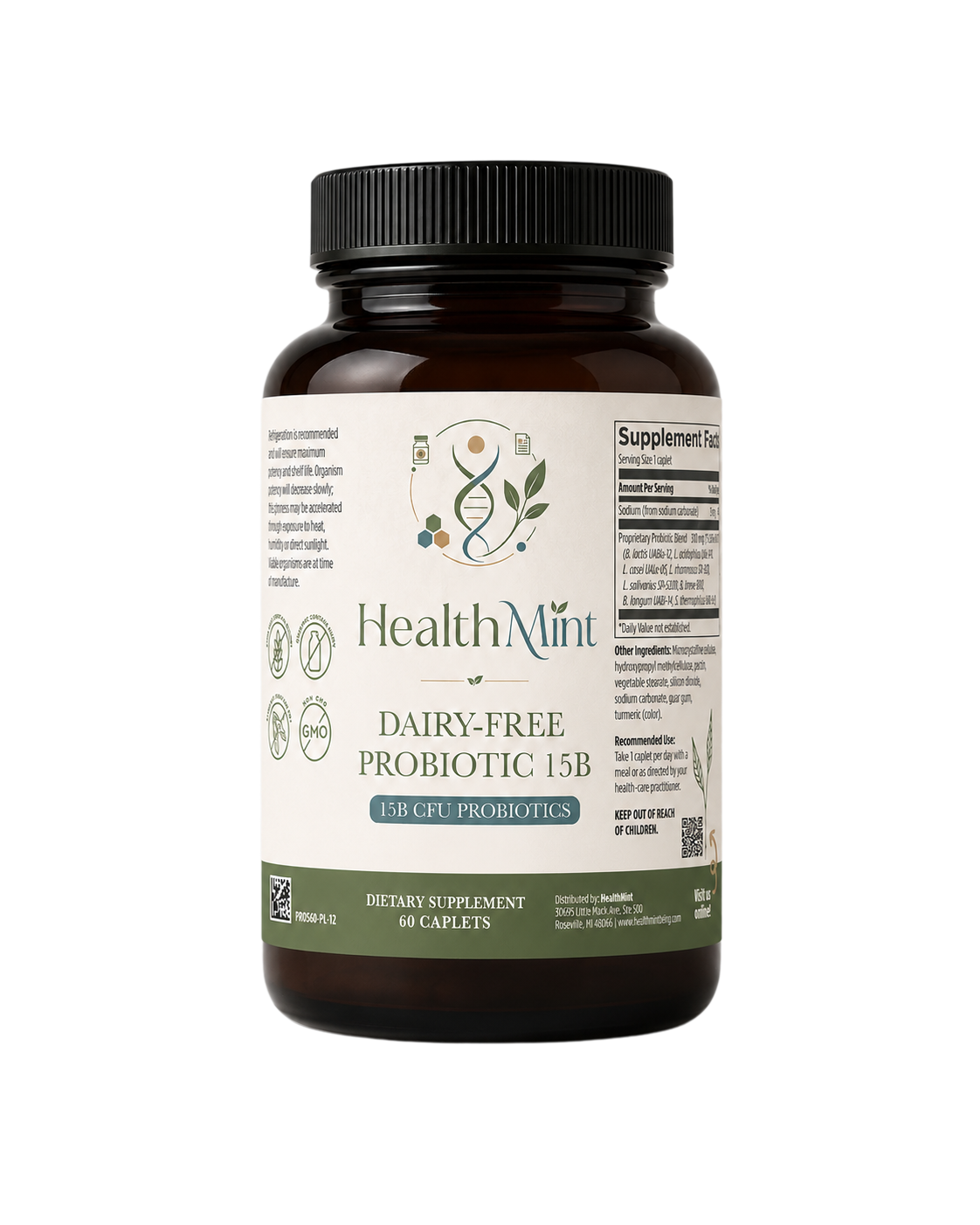
Your gut is home to trillions of microbes that play a daily role in how you feel, digest, and defend. Modern life, including busy schedules, less-than-perfect meals, stress, travel, and the occasional course of antibiotics prescribed by your doctor, can put pressure on that delicate balance. Replenishing the friendly bacteria your body relies on is one of the simplest ways to support your gut from the inside out.*
Dairy-Free Probiotic 15B was built to do exactly that, in a higher-strength, dairy-free daily formula.
Each caplet delivers 15 billion CFU across eight identified probiotic strains, thoughtfully chosen to support a healthy, balanced gut microbiome.* The formula uses advanced time-release caplet technology designed to help protect fragile probiotic organisms from stomach acid, supporting consistent delivery of live organisms throughout the gastrointestinal tract.
