
Let’s Talk About the Thing Nobody Brings Up at the Doctor’s Office
Pain during sex is one of the most common complaints in women’s health and one of the most under-reported. Many people quietly endure it, assume it’s normal, or feel embarrassed to bring it up with their doctor. Others Google their symptoms at midnight and spiral into worst-case scenarios.
Here’s the truth: pain during sex is common, but it is not something you have to accept as your baseline. Your body is communicating something, and with the right information, you can start to understand what it’s saying.
This article breaks down the most frequent causes of painful intercourse, the warning signs that deserve prompt medical attention, and the practical, evidence-based steps you can take right now to feel better.
Why This Conversation Actually Matters
Painful sex, medically known as dyspareunia, affects an estimated 10 to 20% of women at some point in their lives, though many researchers believe this number is significantly underreported. It can affect people of any age, any hormone status, and any relationship dynamic.
Beyond the physical discomfort, the ripple effects are real. It affects self-esteem, intimate relationships, mental health, and quality of life. Chronic pain during sex has been linked to higher rates of anxiety and depression, not because something is “wrong” with the person, but because living with unresolved pain is genuinely hard.
The good news is that most causes are treatable, often significantly so, once they are properly identified. Getting there starts with understanding what is actually going on.
What’s Going On Inside: The Science of Why It Hurts
Pain during sex is not one single condition. It is a symptom with many possible roots. Here is a look at the most common drivers.
Hormonal Changes and Vaginal Dryness
One of the most prevalent culprits, especially in perimenopause and postmenopause, is a decline in estrogen. Estrogen plays a critical role in maintaining the thickness, elasticity, and natural lubrication of vaginal tissues. When levels drop, whether due to age, breastfeeding, hormonal birth control, or certain medications, the tissues can become thinner, drier, and more sensitive to friction. This is formally called genitourinary syndrome of menopause (GSM), and it is both common and highly treatable.
Vaginismus
This is an involuntary contraction of the muscles surrounding the vaginal opening, making penetration painful or impossible. It is not a choice, and it is not a psychological weakness. It is a learned neuromuscular response, often connected to past painful experiences, anxiety, trauma, or even a history of repeated infections. The pelvic floor essentially “braces” as a protective mechanism.
Vulvodynia and Vestibulodynia
These conditions involve chronic vulvar pain without a clearly identifiable cause, often described as burning, stinging, or rawness. Vestibulodynia specifically refers to pain localized at the vaginal opening. The underlying mechanisms involve sensitized nerve endings and, in some cases, low-grade inflammation. These conditions are often misdiagnosed or dismissed, but they are real and increasingly well understood.
Endometriosis
When tissue similar to the uterine lining grows outside the uterus, on the ovaries, fallopian tubes, bowel, or pelvic walls, it can cause significant pain, especially during deep penetration. Endometriosis affects roughly 1 in 10 women of reproductive age and is notoriously underdiagnosed, often taking 7 to 10 years to identify from symptom onset.
Pelvic Inflammatory Disease (PID) and Infections
Sexually transmitted infections, yeast overgrowth, or bacterial vaginosis can all create inflammation and irritation that makes sex painful. PID, which involves infection of the upper reproductive tract, can cause deep pelvic pain and requires prompt treatment to prevent long-term complications.
Pelvic Floor Dysfunction
The pelvic floor is a hammock of muscles, ligaments, and connective tissue that supports the bladder, bowel, and uterus. When these muscles are too tight, too weak, or poorly coordinated, they can create significant pain during intercourse. This is often overlooked, and it is where a specialized pelvic floor physiotherapist becomes genuinely invaluable.
Skin Conditions
Conditions like lichen sclerosus, lichen planus, or contact dermatitis affecting the vulvar skin can cause pain, tearing, and sensitivity. These are dermatological issues that require specific treatment and often go unrecognized for years.
Psychological and Nervous System Contributions
The brain and body are deeply interconnected. Anxiety, past trauma, relationship stress, or simply anticipating pain can amplify pain signals through a process called central sensitization. This does not mean the pain “isn’t real.” It means the nervous system itself has become part of the problem, and addressing it requires a whole-person approach.
Red Flags: When to See a Doctor Without Delay
Most causes of painful sex are not emergencies, but some signs warrant prompt medical attention. Do not wait if you experience any of the following.
Sudden, severe pain during or after sex, especially with fever, chills, or nausea
Abnormal bleeding after intercourse, particularly if you are postmenopausal
Unusual discharge with a strong odor, unusual color, or significant change in character
Pain that is getting progressively worse over weeks or months
Deep pelvic pain that also occurs outside of sexual activity
Pain accompanied by bowel or bladder changes, such as urgency, bleeding, or difficulty
These could indicate infection, structural problems, or, in rare cases, conditions that require early intervention. Getting checked is always the right move. There is no version of this where knowing is worse than not knowing.
Practical First Steps You Can Take Right Now
While a proper diagnosis is essential, there are evidence-informed steps you can take today that are safe, low-risk, and genuinely helpful for many common causes.
Reassess lubrication. This is simple but powerful. Many people are surprised to find that a high-quality, body-safe lubricant dramatically reduces friction-related pain. Look for water-based or silicone-based options without glycerin, parabens, or fragrances, as these can irritate sensitive tissue. Avoid anything with warming or cooling sensations if you are already experiencing sensitivity.
Have an honest conversation with your partner. Communication about what feels good, what does not, and what you need more of, whether that is time, connection, or a different approach, is not just emotionally important. It has a direct physiological impact. Arousal itself increases natural lubrication and tissue elasticity. Feeling safe and connected matters.
Track your symptoms. Note when the pain occurs (entry versus deep), where it is, what type of pain it is (burning, sharp, or aching), and whether it is related to your cycle, stress levels, or other factors. This information is invaluable for any clinician trying to help you.
See a pelvic floor physiotherapist. This is perhaps the single most underutilized resource in women’s health. A trained pelvic floor physiotherapist can assess muscle tension, coordination, and strength, and provide targeted treatment for many of the conditions described above. If you have not heard of this specialty before, it is well worth exploring.
Request a thorough evaluation. When you see your doctor or gynecologist, be specific. Saying “sex is painful” is the starting point, but sharing the details, including location, timing, type of pain, and how long it has been happening, helps them investigate more effectively. Ask about hormonal testing, infection cultures, and whether a specialist referral might be appropriate.
Lifestyle Strategies That Support Pelvic and Sexual Health
The body does not exist in isolated systems, and pelvic health is no different. Several lifestyle factors meaningfully influence tissue health, hormonal balance, nervous system regulation, and inflammation, all of which play a role in painful sex.
Prioritize stress management. Chronic stress elevates cortisol, which suppresses sex hormones, including estrogen and testosterone. It also keeps the nervous system in a state of low-grade threat activation, which tightens muscles, including the pelvic floor, and amplifies pain perception. Practices like mindfulness, breathwork, yoga, and adequate sleep are not just wellness buzzwords. They have measurable effects on pain and hormonal health.
Nourish an anti-inflammatory diet. Conditions like endometriosis, vulvodynia, and pelvic floor dysfunction all have inflammatory components. A diet rich in omega-3 fatty acids (found in fatty fish, flaxseed, and walnuts), colorful vegetables, fiber, and antioxidants supports a healthier inflammatory environment. Minimizing ultra-processed foods, refined sugars, and excess alcohol is equally worthwhile.
Move your body regularly and gently. Low-impact movements like walking, swimming, and yoga support pelvic circulation, reduce systemic inflammation, and improve nervous system regulation. For those with significant pelvic tension or pain, high-intensity exercise or heavy lifting may temporarily worsen symptoms, and it is worth discussing modifications with a pelvic floor physiotherapist.
Address sleep quality. Sleep is when tissue repair, hormone regulation, and nervous system recovery happen. Chronic sleep deprivation worsens pain perception and contributes to hormonal imbalance. If sleep is a struggle, it is worth treating it as the health issue it is, not just an inconvenience.
Evaluate your personal care products. Scented soaps, douches, dryer sheets, synthetic underwear, and certain laundry detergents can all cause vulvar irritation. Switching to fragrance-free, gentle products and breathable cotton underwear is a low-cost change that makes a real difference for many people.
Support your microbiome. A healthy vaginal microbiome, dominated by Lactobacillus species, helps maintain the acidic pH that protects against infection and supports tissue health. Fermented foods, prebiotic fiber, and avoiding unnecessary antibiotic use all support a healthy microbial environment.
Supplement Considerations Worth Exploring
Several evidence-informed supplements can support the hormonal, inflammatory, and tissue-related factors underlying painful sex. These are best approached as part of a broader strategy, not as standalone fixes, and ideally discussed with your healthcare provider, especially if you are on medications or managing a diagnosed condition.
Omega-3 fatty acids have well-established anti-inflammatory effects and may be particularly relevant for those with endometriosis or vulvodynia with an inflammatory component. EPA and DHA, the active forms found in fish oil, are the most studied.
Magnesium plays a role in muscle relaxation and nervous system regulation. Deficiency is common and linked to increased muscle tension, heightened pain sensitivity, and sleep disruption, all of which are relevant to pelvic floor dysfunction and pain.
Vitamin D is essential for immune regulation and has anti-inflammatory properties. Low vitamin D levels are associated with a higher prevalence of endometriosis and pelvic pain conditions. Testing your levels is a worthwhile first step.
Probiotics targeted to women’s vaginal health, particularly strains of Lactobacillus rhamnosus and Lactobacillus reuteri, have emerging evidence for supporting vaginal microbiome balance and reducing recurrent infections.
Evening primrose oil contains gamma-linolenic acid (GLA), a fatty acid with anti-inflammatory properties that has traditionally been used to support hormonal balance and tissue health, particularly in those with cyclical symptoms.
Adaptogenic herbs like ashwagandha or rhodiola may support the hormonal and nervous system dysregulation associated with chronic stress, which is a genuine contributing factor for many people experiencing pelvic pain.
Quality matters significantly with supplements. Pharmaceutical-grade products with third-party testing and evidence-based dosing are worth seeking out.
The Bottom Line
Pain during sex is not a character flaw, a relationship problem, or something to quietly endure. It is a symptom, one your body uses to signal that something needs attention.
The causes are varied, the solutions are real, and the support available has improved enormously in recent years. Whether you are dealing with hormonal changes, pelvic floor tension, a skin condition, or the lingering effects of stress and experience, there is a path forward.
Start by having the conversation with your doctor, a pelvic floor physiotherapist, and, if relevant, with your partner. Track your symptoms. Make the lifestyle changes you can. Know that you deserve care that takes this seriously, because it is serious.
You do not have to just live with it.
References
Bornstein J, et al. (2016). 2015 ISSVD, ISSWSH and IPPS Consensus Terminology and Classification of Persistent Vulvar Pain and Vulvodynia. Obstetrics & Gynecology, 127(4), 745-751.
Goldstein AT, et al. (2019). Vulvodynia: Assessment and Treatment. Journal of Sexual Medicine, 13(4), 572-590.
Missmer SA, et al. (2010). Endometriosis: Epidemiology, Pathogenesis, Clinical Features, Diagnosis, and Treatment. New England Journal of Medicine, 364(25), 2389-2398.
Nappi RE, Kokot-Kierepa M. (2012). Vaginal Health: Insights, Views and Attitudes (VIVA) Results from an International Survey. Climacteric, 15(1), 36-44.
Wallace SL, et al. (2019). Pelvic Floor Physical Therapy in the Treatment of Pelvic Floor Dysfunction in Women. Current Opinion in Obstetrics and Gynecology, 31(6), 485-493.
Simoens S, et al. (2012). The Burden of Endometriosis: Costs and Quality of Life of Women with Endometriosis and Treated in Referral Centres. Human Reproduction, 27(5), 1292-1299.
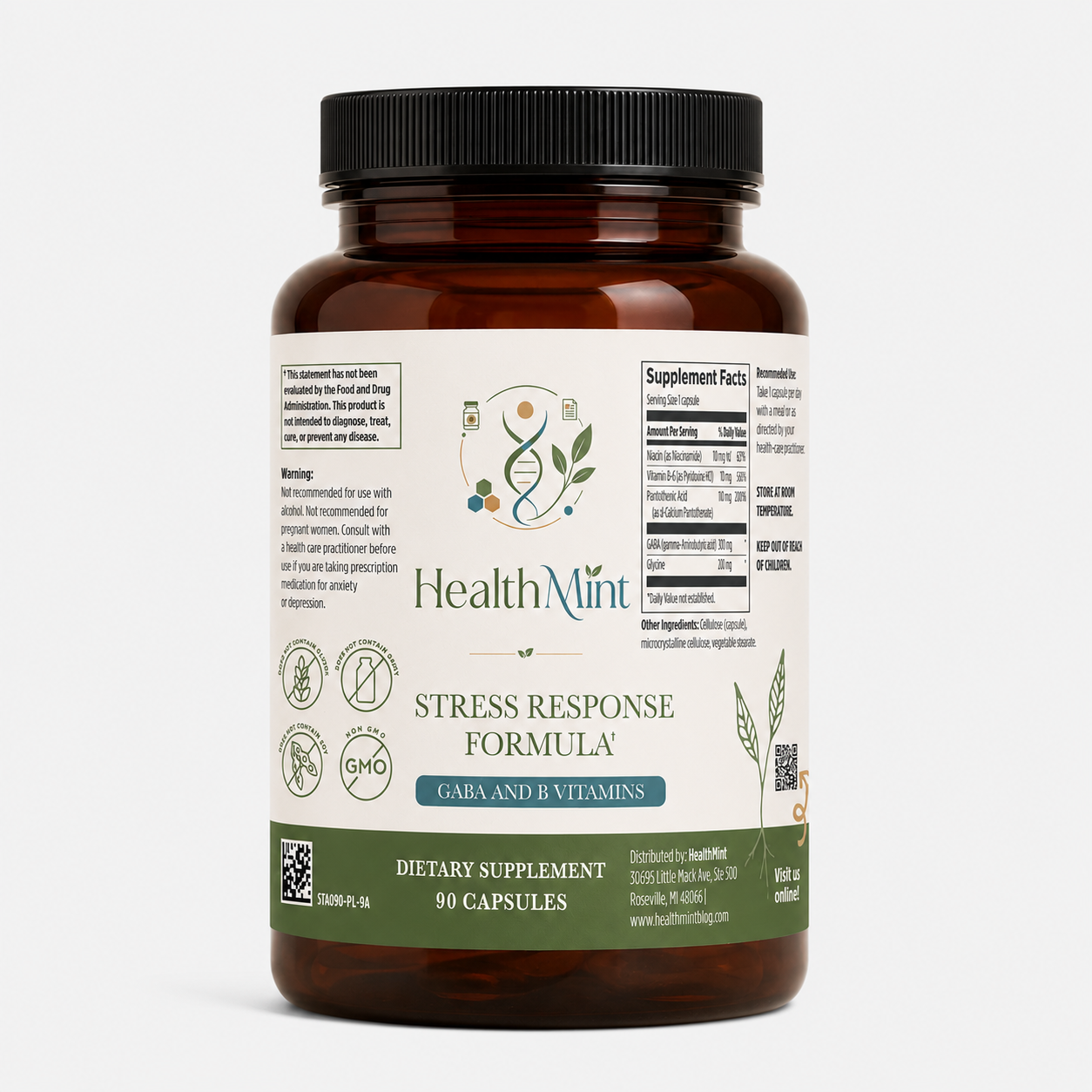
Modern life rarely slows down. Deadlines stack. Schedules tighten. The body’s stress response keeps running long after the moment has passed. Over time, that constant low-grade pressure can leave you feeling wired, drained, and disconnected from your own sense of calm.
The Stress Response Formula was built to help your body meet those demands with greater resilience.
It is a synergistic blend of GABA, glycine, and key B vitamins, thoughtfully formulated to support a healthy response to stress.* The B vitamins inside, including Niacin, Vitamin B6, and Pantothenic Acid, are essential cofactors for adrenal function, cellular energy production, and neurotransmitter synthesis, all of which can be taxed during periods of heightened stress.* GABA and glycine, two calming amino acids that act as inhibitory neurotransmitters, help support a sense of calm and relaxation when daily life feels anything but.*
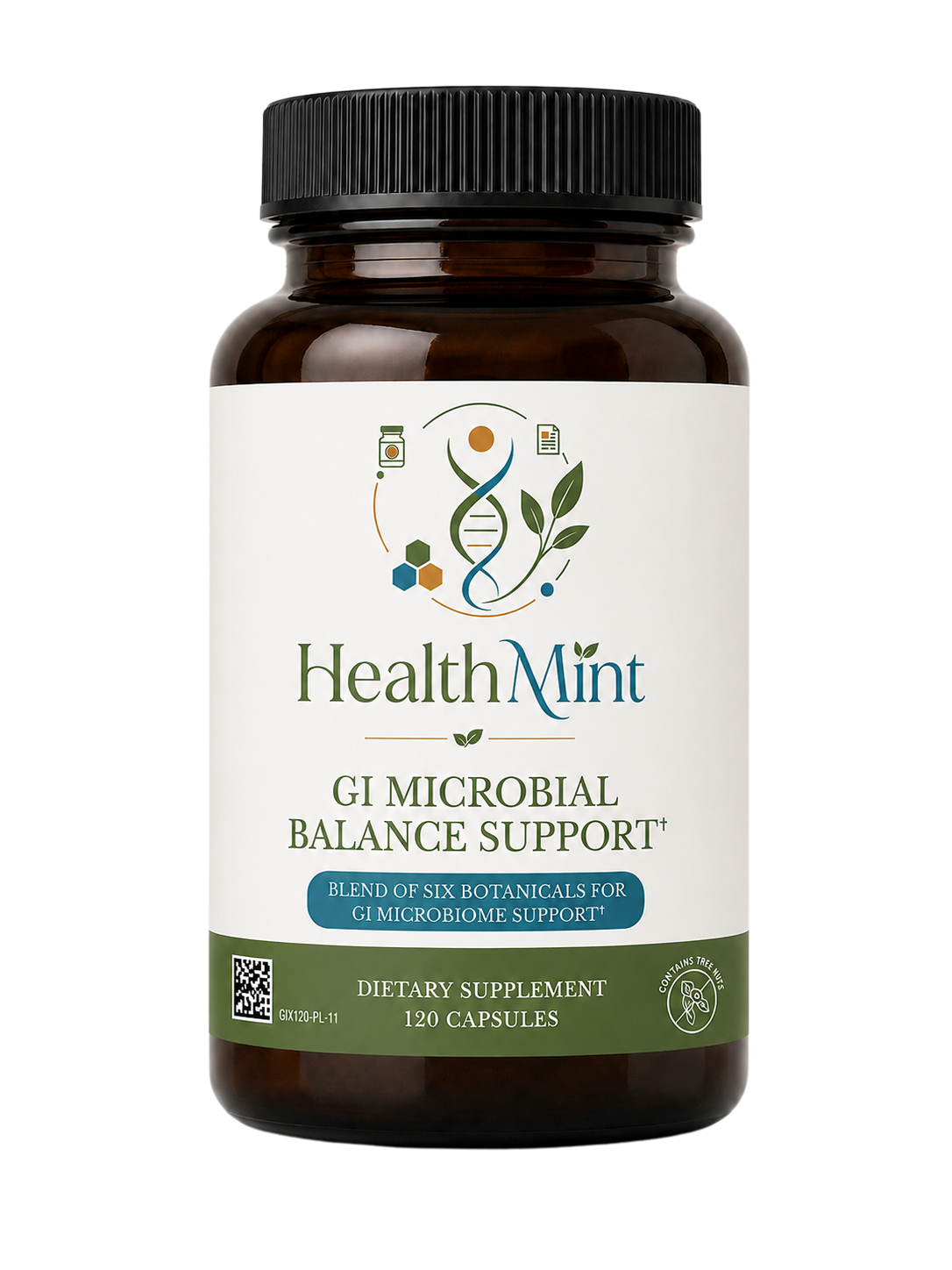
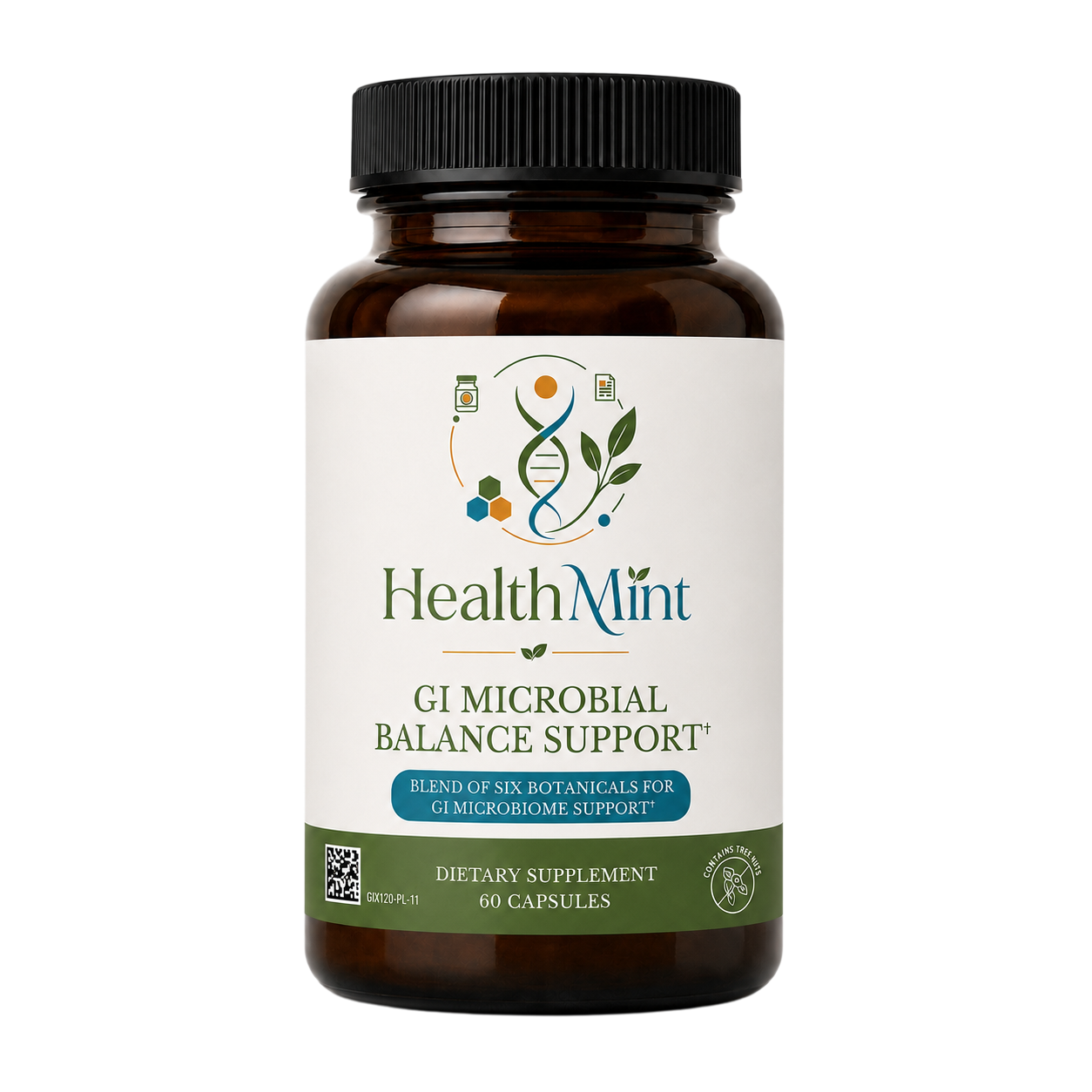
GI Microbial Balance Support is a thoughtfully crafted blend of botanical extracts drawn from traditions of herbal practice spanning centuries and cultures.* It brings together ingredients with long histories of traditional use in supporting gastrointestinal health, in a single once-daily capsule meant to be part of a comprehensive wellness routine.
Each capsule is designed to provide botanical support for a healthy gut environment and microbial balance, in a clean, considered formula made with non-GMO ingredients.*
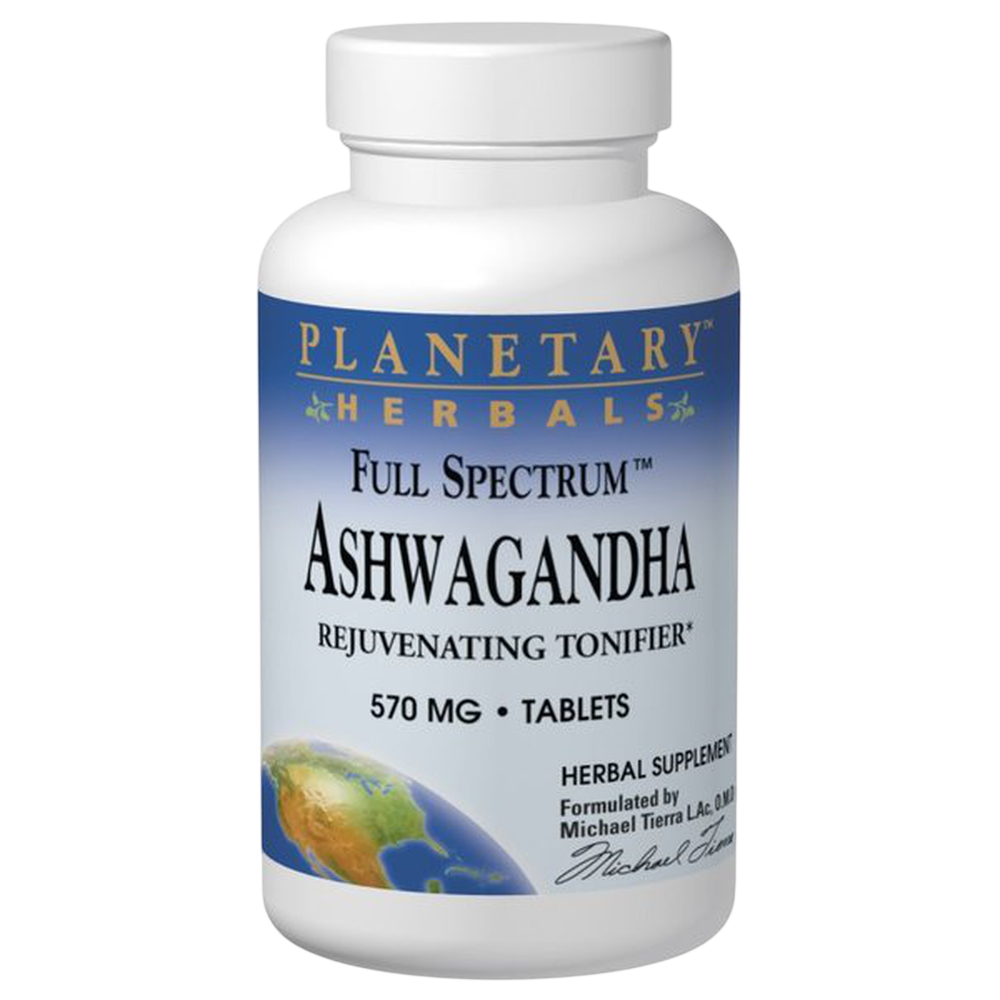
Modern life rarely slows down. Schedules tighten, demands pile up, and the body’s stress response runs longer than it was ever meant to. Over time, that constant low-grade pressure shows up everywhere, in your energy, your sleep, your focus, and your sense of calm. For thousands of years, traditional Ayurvedic practice has turned to one botanical above all others to help meet that pressure with steady, resilient calm: ashwagandha.
Ashwagandha, Full Spectrum brings that time-honored tradition into a clean, simple daily tablet.
It is a focused, single-ingredient formula featuring 570 mg of ashwagandha (Withania somnifera) per tablet, including both whole ashwagandha root and a concentrated root extract.* Ashwagandha is one of the most studied and widely used adaptogenic botanicals in the world, valued for its role in supporting the body’s healthy response to everyday stress, supporting a calm and relaxed mind, and supporting natural resilience.*
If you are looking for a clean, well-studied daily adaptogen to help meet the demands of modern life, this is where it begins.
